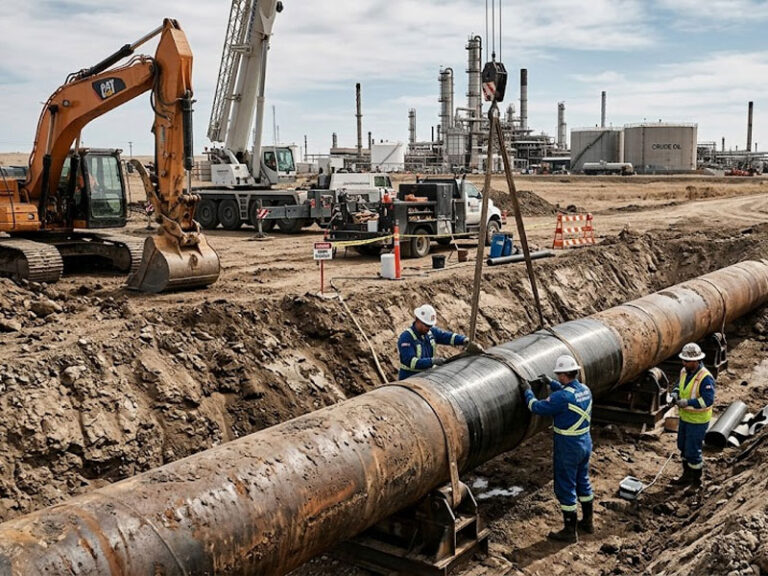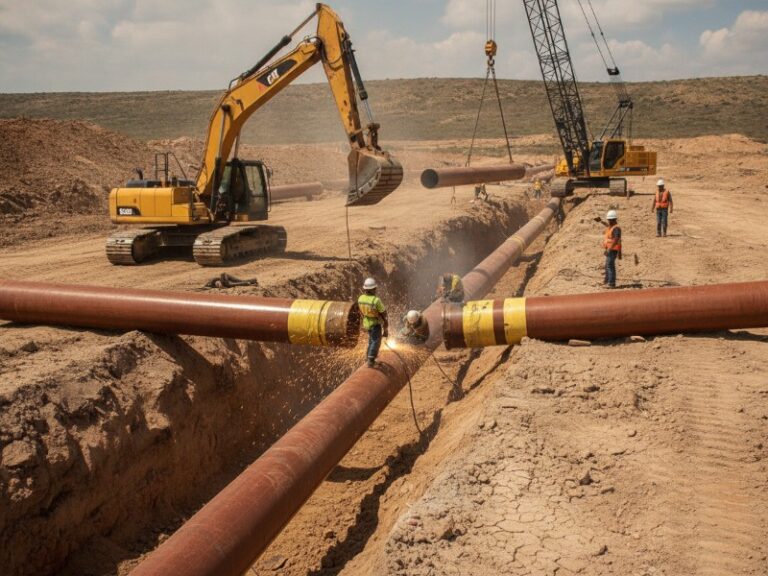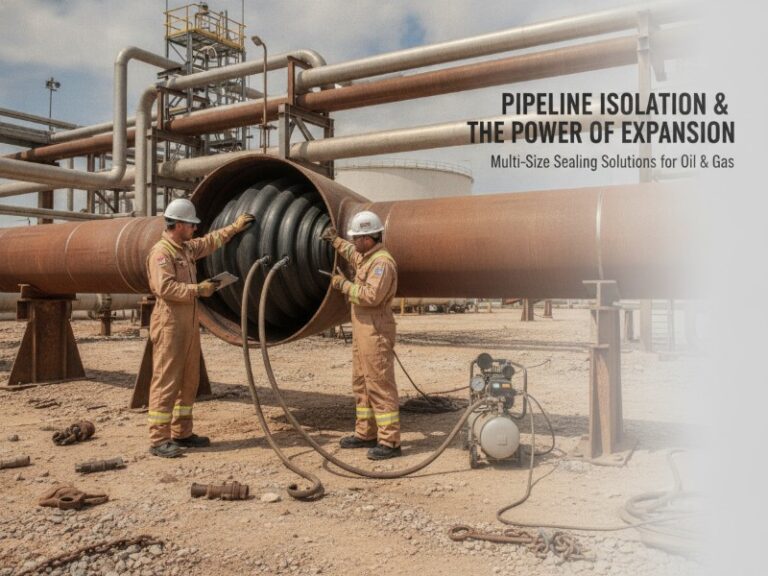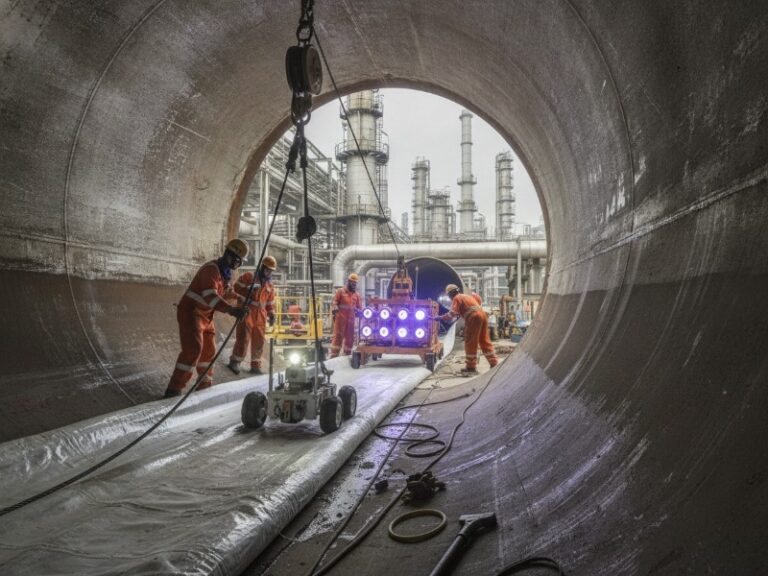
Technicians in PPE applying a composite wrap repair system to a corroded large-diameter steel crude oil pipeline in an open excavation trench, with heavy construction equipment and a refinery infrastructure in the background.

How Much Does Pipeline Rehabilitation Cost Per Foot? 

Pipeline rehabilitation typically costs $80–$250 per foot for residential sewer lines, $120–$300 per foot for commercial projects, and $150–$700+ per foot for municipal and industrial pipelines. Final pricing depends on pipe diameter, depth, rehabilitation method, accessibility, and total project length. This comprehensive guide covers pipeline rehabilitation cost per foot across all methods, diameters, and project types. We provide

Читать далее »
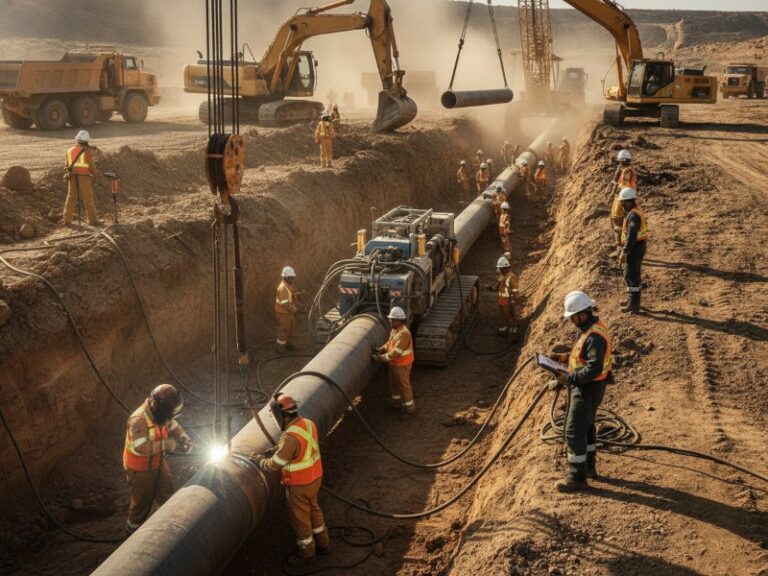
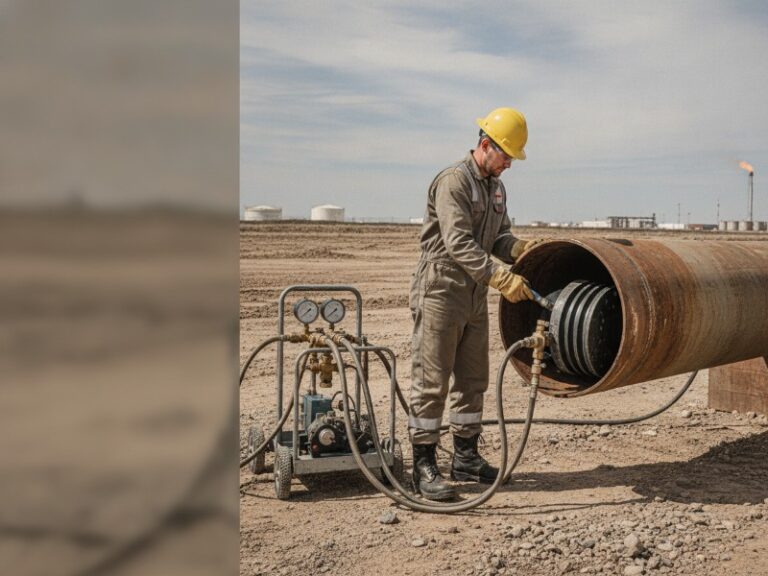
Workers weld large diameter oil and gas pipelines in a deep trench on a dusty, remote construction site, with an excavator and crane operating.

Chemical-Resistant Nitrile Plugs: Manufacturing Process, Material Selection, and ASTM Testing Guide

Chemical-resistant nitrile plugs are molded rubber sealing components made from nitrile butadiene rubber (NBR), engineered to prevent leakage in industrial systems exposed to oils, fuels, and chemicals. Their resistance depends primarily on acrylonitrile (ACN) content, crosslink density, and ASTM D471-tested performance. Featured Snippet Definition: Chemical-resistant nitrile plugs are industrial sealing components

Читать далее »
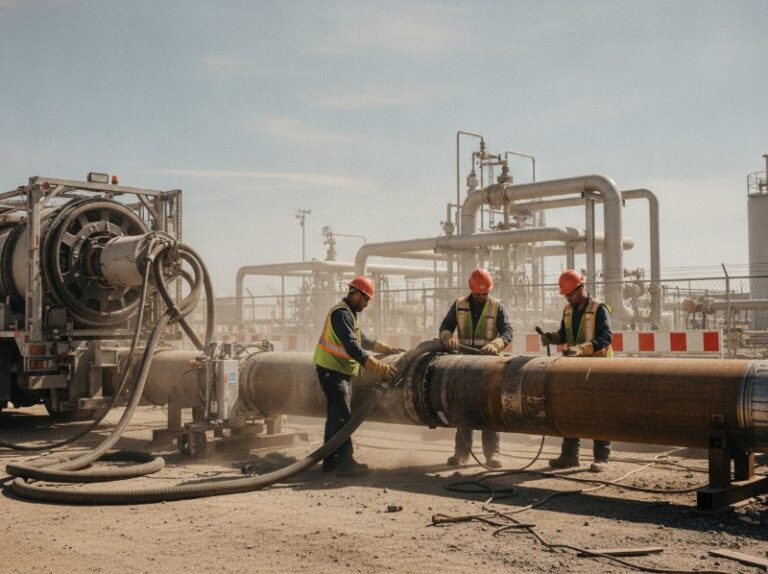
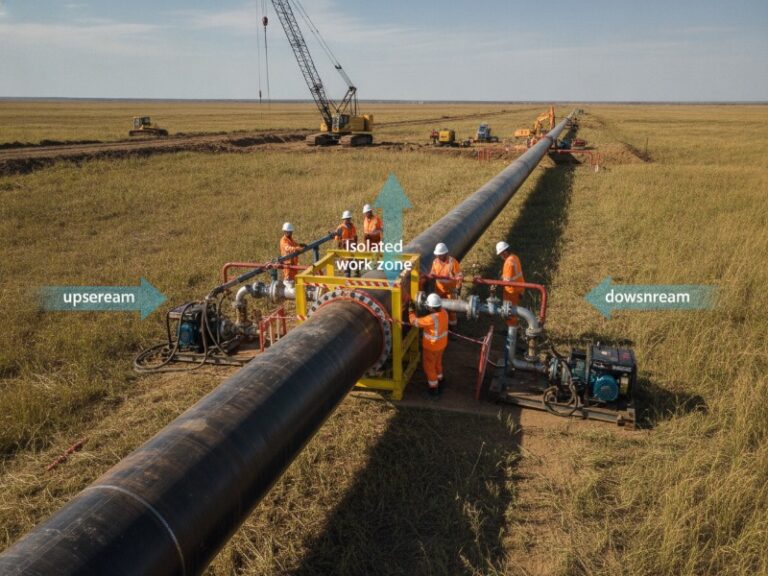
Workers in orange safety vests operate flow control on a large-diameter steel pipeline in a remote grassland, with temporary bypass lines and construction cranes visible.

Как перепускная заглушка облегчает регулирование расхода во время активного обслуживания канализационной системы?

A bypass plug in sewer maintenance is an inflatable device that temporarily seals a pipeline section and redirects wastewater through a bypass system. This allows crews to work in a dry environment without interrupting flow, making it essential for active sewer repair and rehabilitation projects. Bypass plugs are widely used

Читать далее »
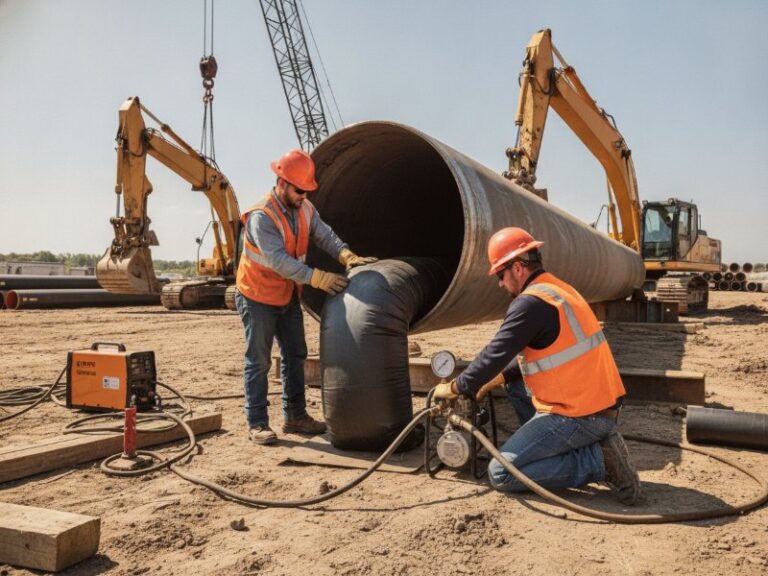
Двое рабочих в касках и спецодежде осматривают чёрную надувную заглушку внутри большого заржавевшего стального трубопровода на нефтегазовом объекте.

Коэффициент расширения надувных заглушек для труб: определение, расчёт и руководство по выбору для трубопроводов различных диаметров

The expansion ratio of an inflatable pipe plug typically ranges from 1.2:1 to 3.5:1. It defines how much the plug can expand relative to its deflated diameter and determines pipe size coverage, pressure rating, and fatigue life in cyclic pipeline conditions. Expansion Ratio What Expansion Ratio Do I Need? Most

Читать далее »
Анализ повреждений CIPP-вкладыша, демонстрирующий трещины, отслоение, складки и дефекты внутри подземного трубопровода

Типы отказов CIPP-вкладышей: 10 распространенных проблем при бестраншейной облицовке труб, их причины и способы устранения

1. What Are the Most Common CIPP Liner Failure Modes?  The most common CIPP liner failure modes include: These failures are mainly caused by poor design, inadequate surface preparation, improper curing, installation errors, and unsuitable material selection. These CIPP defects and trenchless rehabilitation failures generally fall into five main categories: structural

Читать далее »
Инженерная иллюстрация геотехнического исследования в рамках горизонтально-направленного бурения, на которой изображены буровая установка для HDD, траектория прокладки подземного трубопровода, слои глины, песка, гравия и горной породы, испытания методом CPT, скважины для исследования грунта, уровень грунтовых вод и контрольно-измерительные приборы.

Как оценивается устойчивость грунта перед началом бестраншейных работ? Руководство по геотехническим изысканиям при горизонтально-направленном бурении (HDD)

Soil stability before a trenchless project is measured through five main steps: These tests determine soil strength, density, groundwater conditions, and the risk of collapse or hydraulic fracture (frac-out) before drilling begins. Soil Stability Testing Process at a Glance Investigation Stage Primary Test / Method Core Purpose Site Review Geological

Читать далее »
Техническая инфографика, в которой сравниваются концепции протягивания труб при использовании технологий HDD, разрыва труб, E-Power Pipe и втапливания облицовки на месте при прокладке подземных трубопроводов

Максимальное расстояние, на которое можно проложить трубу бестраншейными методами: ограничения по длине прокладки методом горизонтально-направленного бурения (HDD), методом разрыва труб и методом облицовки

The maximum distance a pipe can be pulled using trenchless methods ranges from approximately 50 meters to more than 3,000 meters, depending on the installation technology, pipe characteristics, ground conditions, and equipment limitations. For new pipeline construction, Horizontal Directional Drilling (HDD) typically achieves 200–800 meters per pull. For pipeline rehabilitation, specialized

Читать далее »
Техническая иллюстрация в виде разреза, на которой сравниваются смоляные вкладыши CIPP, напыляемая полимочевина, вкладыши из высокоплотного полиэтилена (HDPE) и сегменты конструкционной облицовки из ультравысокопрочного бетона (UHPC) в подземных канализационных трубах.

Лучшие материалы для бестраншейной реконструкции труб: сравнение технологий CIPP, полимочевины и HDPE

Best Materials for Trenchless Pipe Rehabilitation The most widely used and effective materials for trenchless pipe rehabilitation are thermosetting resin systems—specifically epoxy, polyester, and vinyl ester—combined with reinforcement fabrics such as fiberglass or polyester felt. For most municipal sewer rehabilitation projects, polyester CIPP offers the best cost-to-performance balance, while epoxy CIPP is preferred for pipes

Читать далее »
Техническая CAD-схема надувной заглушки внутри трубопровода с указанием векторов силы, характеризующих давление надувания, противодавление и сопротивление трению.

Какое давление может выдержать надувная заглушка для труб? Номинальное противодавление, пределы и руководство по безопасности

There is no universal pressure limit for inflatable pipe plugs. The maximum back pressure depends on the plug design, size, pipe diameter, pipe material, and installation conditions. Most inflatable pipe plugs are rated from 1 bar (14.5 psi) to more than 13 bar (188 psi). Always follow the manufacturer’s specific

Читать далее »