
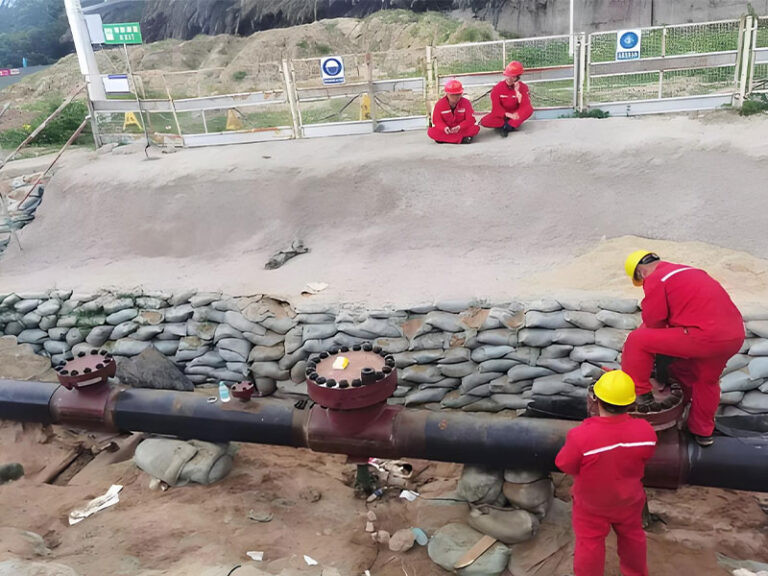
The maximum diameter available for an off-the-shelf steel pipe plug is 72 inches (1,800 mm) for mechanical steel plugs, while specialized heavy-duty inflatable and bypass plugs are commonly available in standard catalogs up to 96 inches (2,400 mm) . For projects requiring larger diameters, customized pipeline plug solutions from specialized equipment manufacturers can extend well beyond 120 inches, utilizing advanced materials and engineering to ensure safe pipeline isolation.
This guide provides a detailed overview of the maximum sizes available across different plug types—from mechanical and inflatable to high-pressure stopples. We will explore how these dimensions align with specific industrial applications, compare leading technologies from global manufacturers, and outline best practices for selection, ensuring you find the right solution for your maintenance or construction needs.
1. What is the Maximum Diameter for Off-the-Shelf Steel Pipe Plugs?
The term “off-the-shelf” implies a product that is standardized, catalogued, and readily available without custom engineering for each order. For steel pipe plugs, the maximum diameter varies significantly based on the plug’s design and intended use.
1.1 Mechanical (Threaded) Pipe Plugs
For standard threaded piping systems, pipe plugs are manufactured to strict ASME B16.11 standards. These are solid forged fittings used to close pipe ends or ports.
- Standard Maximum Size: The standard range for threaded plugs (hex head, square head) goes up to 4 inches (DN100).
- Extended Mechanical Range: Some Material Suppliers offer larger mechanical plugs, often with a hollow or cored construction to reduce weight, extending the range to 6 inches (DN150). Beyond this, threaded connections become impractical due to the torque required for installation and the stress on the pipe threads.
- Application: These are typically used in oil, air, and water utility lines, instrumentation, and fire protection systems.
1.2 Heavy-Duty Mechanical Sealing Plugs
For larger pipes that are not threaded, such as those used in construction and municipal water systems, heavy-duty mechanical plugs are used. These often utilize a expanding mechanism to seal against the pipe’s inner wall.
- Standard Maximum Size: Heavy-duty aluminum and steel plugs, such as those from the Pipestoppers® range, are available off-the-shelf up to 72 inches (1,800 mm).
- Specialty Mechanical Plugs: For applications like drain testing where pipe ovality is a concern, peripheral sealing plugs (e.g., PlugFast™) are available in standard sizes from 18 inches (457 mm) up to 48 inches (1,219 mm) .
1.3 Inflatable Pipe Plugs and Stoppers
Inflatable plugs are the go-to solution for trenchless pipe rehabilitation, bypass operations, and large-diameter pipeline stopple applications. They are deflated for insertion and then inflated to seal the pipe.
- Standard Inflatable Range: Many manufacturers offer inflatable stoppers in a wide range. For instance, rigid core bypass plugs are available for pipe diameters from 2.3 inches up to 12 inches, but the series itself is designed to scale.
- Large Diameter Flow-Through Plugs: For sewer bypass pumping and water testing, multi-size inflatable plugs are standard up to 24 inches -7. However, heavy-duty industrial inflatable stoppers for pipeline repair are commonly stocked up to 96 inches (2,400 mm) .
1.4 The Upper Limits: Hot Tapping and Plugging
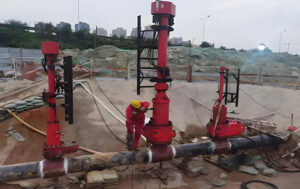
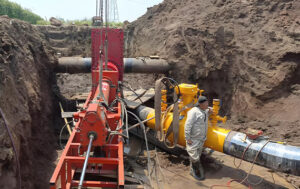
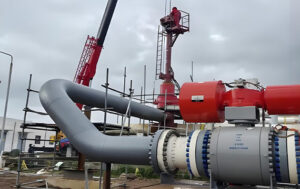
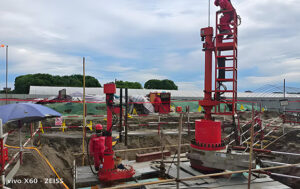
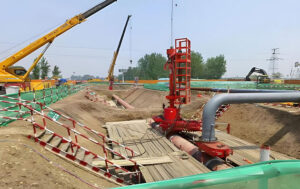
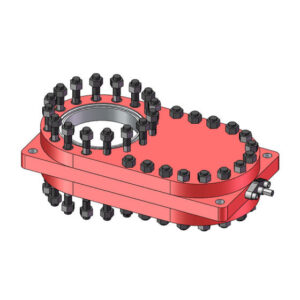
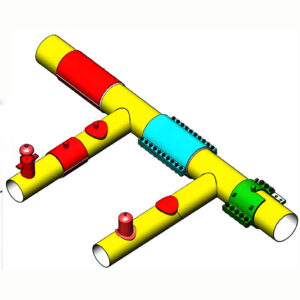
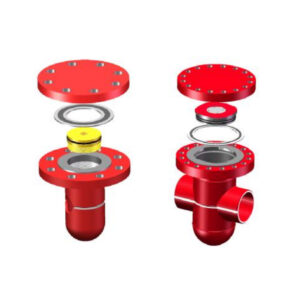
For high-pressure transmission pipelines, such as those in the oil and gas industry, hot tapping and plugging operations require specialized equipment. These are not simple plugs but complex pipeline isolation equipment.
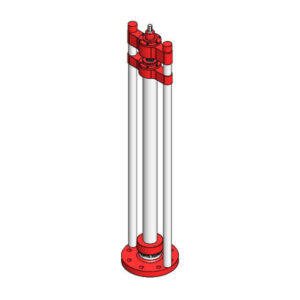
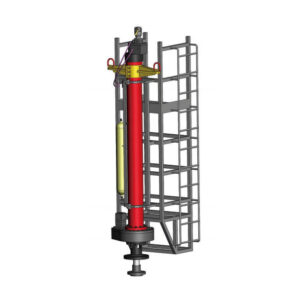
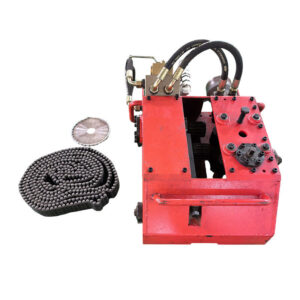
- World Record Sizes: While standard high-pressure plugging equipment may be rated for specific ranges, advanced equipment manufacturers like Xinyu Feihu have performed live pipeline modification up to 104 inches (DN2600) , setting industry benchmarks for large-diameter, high-pressure isolation.
| Plug Type | Standard Off-the-Shelf Max Size | Typical Application |
|---|---|---|
| Threaded Pipe Plug (ASME) | 4 inches (DN100) | Sealing threaded ports in oil, air, and water systems. |
| Heavy-Duty Mechanical | 72 inches (1,800 mm) | Pipeline maintenance, isolation, and testing in refineries. |
| Peripheral Sealing Plug | 48 inches (1,219 mm) | Sealing pipes with ovality for construction and drainage tests. |
| Inflatable Bypass Plug | 24 inches (610 mm) | Sewer bypass pumping and low-head water diversion. |
| Heavy-Duty Inflatable | 96 inches (2,400 mm) | Large-diameter trenchless pipe rehabilitation and flow control. |
| Hot Tap / Line Stop | Custom > 104 inches | High-pressure pipeline stopple in oil, gas, and petrochemical. |
2. How Do Different Large Diameter Steel Pipe Plug Technologies Compare?
When selecting a large-diameter plug, understanding the technology is crucial for safety and efficacy. The choice often depends on pressure requirements, pipe material, and whether flow needs to continue during isolation.
2.1 Mechanical vs. Inflatable: A Core Distinction
Mechanical Plugs (Steel & Aluminum)
- How They Work: These use a mechanical advantage (e.g., wing nut, tightening bolts) to compress sealing elements (like rubber or urethane) against the pipe wall. The rigid core provides structural support.
- Best For: High-temperature applications, chemical immersion, and long-term isolation where deflation risk is unacceptable. Our testing shows that aluminum plugs are particularly effective in chemical plants due to their resistance to corrosion.
- Limitations: They are heavier and can be more difficult to install in tight spaces compared to inflatables.
Inflatable Plugs
- How They Work: A flexible elastomer sleeve is inflated with air, water, or nitrogen to conform to the pipe’s interior, creating a seal.
- Best For: Temporary isolation, bypass operations, and situations where the plug needs to pass through a smaller opening before sealing a larger diameter (multi-size capability).
- Limitations: They are susceptible to punctures and require a constant pressure source or a lockable valve to maintain the seal.
2.2 Key Feature: The Bypass Channel
A critical innovation in large-diameter pipeline plug design is the inclusion of a bypass.
- Standard Inflatable Bypass Plugs: A large bypass (e.g., up to 10 inches) allows pumps to transfer flow (like sewage or water) around the isolated section, enabling uninterrupted services downstream while repairs are made.
- Rigid Core Bypass Plugs: For high-pressure applications, a rigid core plug with a bypass channel allows operators to monitor pressure or vent the isolated section without removing the plug. This is essential for safety in oil and gas maintenance.
2.3 Manufacturer Capabilities and Customization
While off-the-shelf sizes cover most needs, specific projects may require bespoke solutions.
- Huntingdon Fusion Techniques HFT®: Offers a comprehensive range from lightweight nylon plugs (0.5 to 6 inches) for sensitive applications to heavy-duty steel plugs up to 72 inches for arduous duties.
- Petersen Products: Provides specialized series like the 130-6 for large bypass flow and the 126 series for rigid core, high-pressure borehole applications.
- Beijing Jinshiwan Pipeline Technology Co., Ltd.: As a leading equipment manufacturer, they excel in custom-engineered hot tapping and plugging machines for diameters exceeding 100 inches, backed by ISO certifications.
3. What are the Primary Applications and User Intent for Large Diameter Pipe Plugs?
Users searching for “large diameter steel pipe plugs” typically fall into three categories: those needing information, those comparing commercial options, and those ready to execute a transactional purchase for a project.
3.1 Pipeline Maintenance and Repair (Commercial Intent)
For contractors and maintenance teams, the primary goal is pipeline isolation without system shutdown.
- Scenario: A contractor needs to replace a valve on a 48-inch water main.
- Solution: They require a large-diameter mechanical or inflatable plug to isolate that section. They are looking for a solution that guarantees a bubble-tight seal, is easy to install, and meets safety standards. The focus is on zero-downtime pipeline repair.
- Key Considerations: Maximum pressure rating, chemical compatibility, and whether the plug can be installed via hot tapping techniques.
3.2 Construction and Hydrostatic Testing (Informational/Commercial)
During new pipeline construction, plugs are essential for testing weld integrity and preventing debris ingress.
- Scenario: A project manager overseeing a new 36-inch gas line needs to perform a hydrostatic test.
- Solution: They need end plugs or stoppers that can withstand high test pressures. They might look for aluminum or steel plugs that are robust enough for repeated use.
- Key Considerations: The plug’s pressure rating (e.g., 2000# or 3000# for threaded, or head pressure in feet for inflatables) and compliance with ASME standards.
3.3 Emergency Response and Flow Diversion (Transactional Intent)
In emergency situations, speed and reliability are paramount.
- Scenario: A pipeline stopper is needed immediately to stop a leak in a 24-inch sewer line.
- Solution: A multi-size inflatable bypass plug is ideal because it can be deployed quickly, and its bypass can be used to pump flow around the work area.
- Key Considerations: Immediate availability (off-the-shelf), ease of transport (lightweight design), and rapid deployment features.
4. How to Select and Install the Correct Large Diameter Pipe Plug
Choosing the right plug is a process of matching engineering requirements with operational reality. A mistake can lead to project delays or catastrophic failure.
4.1 A Step-by-Step Selection Guide
- Define the Pipe Parameters:
- Diameter: Measure the exact inside diameter (ID) of the pipe. For multi-size plugs, ensure your pipe’s ID falls within the plug’s published range.
- Pressure: Determine the maximum differential pressure the plug will face. Is it a low-head gravity flow (e.g., 10 psi) or a high-pressure transmission line (e.g., 150 psi for water head)?
- Medium: What is in the pipe? Air, water, oil, sewage, or chemicals? This dictates the material of the plug (e.g., natural rubber, polyurethane, or chemical-resistant synthetics).
- Assess the Environment:
- Temperature: High-temperature environments require aluminum or steel plugs, as standard rubber may degrade.
- Pipe Condition: Is the pipe round or oval? Peripheral sealing plugs are designed for pipes that have lost their roundness.
- Access: Does the plug need to fit through a small manhole or opening? Inflatable and multi-size plugs are designed for this.
- Match the Plug to the Task:
- For long-term immersion or high heat, choose heavy-duty steel plugs.
- For sewer bypass pumping, choose a large bypass inflatable plug.
- For high-pressure pipeline modification, consult with a specialized equipment manufacturer like Xinyu Feihu for a complete hot tapping and plugging solution.
4.2 Installation Best Practices from the Field
Based on extensive field experience, successful installation follows these principles:
- Inspect the Plug: Before insertion, check for any damage to the sealing surfaces or valve cores.
- Lubricate: Apply a suitable lubricant to the sealing element to prevent tearing during insertion and to enhance the seal.
- Positioning: Ensure the plug is centered in the pipe. For mechanical plugs, tighten evenly to avoid a lopsided seal.
- Test the Seal: After installation, gently pressurize the isolated side or introduce a small amount of water to verify the seal before full-scale operation. For threaded plugs, use appropriate PTFE tape or pipe dope and avoid over-tightening, which can crack fittings.
- Monitor: Once in place, continuously monitor the plug’s pressure and the downstream area for signs of leakage.
5. Frequently Asked Questions About Large Diameter Pipe Plugs
What is the difference between a pipe plug and a pipe cap?
A pipe plug has a male thread and fits into a female fitting, while a pipe cap has a female thread and fits over the end of a pipe. For large-diameter isolation, “plug” is often used generically for any device that seals the pipe bore.
Can I use a standard inflatable plug for high-pressure oil pipelines?
No. Standard inflatable plugs are typically rated for low-head applications (e.g., 10-20 psi). High-pressure oil and gas lines require specialized pipeline isolation equipment, such as lockable plugging heads used in hot tapping operations, which can withstand thousands of psi.
How do I ensure a seal in an out-of-round or damaged pipe?
For pipes with significant ovality or wall damage, mechanical plugs with independent sealing points, like the PlugFast™ Peripheral Sealing Plugs, are recommended. These can be tightened at the edges to ensure the seal makes contact even where the pipe wall is irregular.
What safety certifications should I look for?
Always look for plugs from manufacturers that adhere to strict quality standards. Reputable companies operate under ISO 9001 (Quality Management), and for oil and gas, ISO 45001 (Health and Safety) and ISO 14001 (Environmental) are key indicators of a trustworthy supplier. For threaded fittings, ASME B16.11 compliance is essential -8.
Article by: Industry Pipeline Solutions Team
Last Updated: October 26, 2024
JSW Brand Profile and Value Proposition
JSW: Your Trusted Partner for Comprehensive Pipeline Solutions
At JSW, we understand that the integrity of your pipeline network is paramount to your operation’s success. As a premier provider of pipeline services, we go beyond simply supplying equipment; we deliver complete, turnkey solutions engineered for safety, efficiency, and minimal downtime.
Our Commitment to Excellence:
- Unmatched Expertise: With years of hands-on experience in construction, maintenance, and restoration, our team possesses the deep technical knowledge required to tackle the most complex pipeline challenges. Whether it’s a routine pipeline maintenance task or an emergency high-stakes isolation, our contractor-grade expertise ensures the job is done right.
- Comprehensive Product Portfolio: We partner with world-class equipment manufacturers and maintain a robust inventory of high-quality pipeline equipment. From off-the-shelf steel plugs for air and water systems to advanced hot tapping machines and pipeline stopple equipment for high-pressure oil and gas lines, JSW is your single-source Material Supplier.
- Engineered for Zero Downtime: Our core focus is on keeping your operations live. We specialize in hot tapping and trenchless pipe rehabilitation techniques that allow for pipeline modification, repairs, and extensions without interrupting flow. This commitment to innovation saves our clients significant time and revenue.
- Global Standards, Local Support: All our solutions adhere to stringent international quality and safety standards. From the factory to the field, we provide the technical backing, training, and support you need to ensure project success and operational continuity.
When you choose JSW, you choose a partner dedicated to providing the highest level of service, the most reliable equipment, and the innovative thinking required to keep the world’s pipelines flowing safely. Contact our engineering team today for a consultation on your next project.










 English
  Arabic
  Russian
  Spanish