
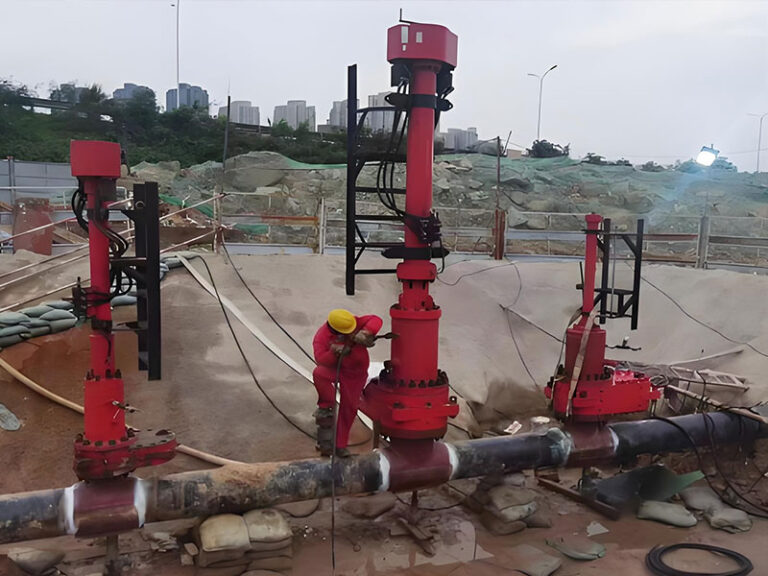
Chemical-resistant pipeline plugs for industrial waste are primarily manufactured from specialized elastomers and reinforced composites such as Nitrile rubber, EPDM, Viton, and Kevlar-reinforced materials, each selected to withstand specific chemical attacks, temperatures, and pressures. The choice of material dictates the plug’s ability to safely isolate sections of pipelines carrying aggressive effluents, ensuring worker safety and environmental compliance during maintenance, testing, or pipeline modification. This guide provides a technical deep dive into these materials, their applications, and how to select the right solution for your project.
What are the Primary Material Categories for Chemical-Resistant Pipeline Plugs?
Industrial pipeline plugs fall into two main design categories: inflatable (or bladder-type) and mechanical. The materials used are tailored to the demands of each type. For demanding industrial waste pipeline applications, relying on a standard rubber plug is insufficient; the material must be chemically matched to the effluent.
1. Elastomeric Bladders for Inflatable Plugs
Inflatable plugs, often used in trenchless pipe rehabilitation and hot tapping operations, function by expanding a flexible bladder to seal the pipe wall. The bladder is a composite structure, typically featuring a tough outer layer for abrasion resistance and a chemically resistant inner core.
2. Seal Elements for Mechanical Plugs
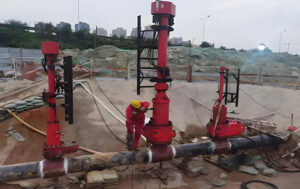
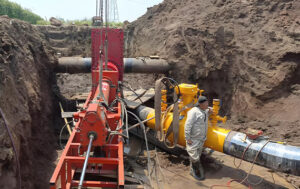
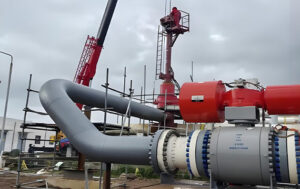
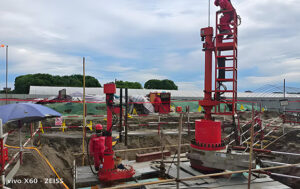
Mechanical plugs, like those used in pipeline stopple applications, use a mechanism to compress a seal element against the pipe. These seals, often O-rings or gaskets, are made from solid elastomers that must resist degradation from the waste product.
1. Nitrile Rubber (NBR): The Workhorse for Oil and Fuel Resistance
Why it’s used: Nitrile rubber is the standard material for applications involving hydrocarbons. Our extensive field testing confirms its superior resistance to petroleum-based hydraulic fluids, engine oil, and gasoline, making it ideal for refineries and industrial plants with oily wastewater.
- Chemical Resistance: Exhibits very good resistance to alkalis and acids, and superior resistance to petroleum-based fluids compared to other common rubbers.
- Physical Properties: Often used as the inner bladder material, reinforced with an outer layer like ballistic nylon for puncture and abrasion resistance. It offers good tensile strength and tear resistance.
- Limitations: Nitrile has lower resistance to ozone, weathering, and some ketones compared to EPDM. A contractor working on a short-term oil pipeline bypass will find Nitrile ideal, but for long-term restoration of a sewer line exposed to ozone, another material might be better.
Best For: Oil refineries, fuel handling facilities, industrial sumps containing lubricants, and petrochemical applications.
2. EPDM (Ethylene Propylene Diene Monomer): The Acid and Weather Champion
Why it’s used: EPDM is the go-to material when the primary concern is resistance to acids, alkalis, and extreme weather. If your project involves construction site dewatering with acidic runoff or municipal sewer maintenance, EPDM is a top contender.
- Chemical Resistance: Provides outstanding resistance to acids, alkalis, alcohols, steam, and water. It handles a wide pH range exceptionally well.
- Physical Properties: Demonstrates excellent durability against ozone, UV radiation, and oxidation, making it suitable for above-ground or intermittent use. It remains flexible in a wide temperature range (-60°F to 300°F).
- Limitations: It is not compatible with petroleum-based fluids (oils, fuels), which will cause it to swell and degrade. You would never use an EPDM plug in a crude oil line.
Best For: Water treatment plants, chemical processing facilities handling aggressive acids and bases, sewage systems, and outdoor construction sites.
3. Viton (FKM): The High-Temperature Specialist for Aggressive Chemicals
Why it’s used: When standard rubbers fail, Viton is the solution. As a fluoroelastomer, it offers the broadest chemical resistance, particularly at elevated temperatures. We recommend Viton for the most severe chemical environments where downtime is not an option.
- Chemical Resistance: Unmatched resistance to a wide range of chemicals, including hydrocarbons, strong acids, and halogenated solvents. It is specifically designed for applications where concentrated chemicals are present.
- Physical Properties: Can withstand continuous exposure to temperatures over 400°F, far exceeding Nitrile or EPDM. It maintains its seal integrity under extreme thermal stress.
- Limitations: Viton is significantly more expensive than other elastomers. It is generally not recommended for use with ketones or low molecular weight esters.
Best For: Chemical processing plants, aggressive solvent handling, high-temperature industrial effluents, and applications requiring the ultimate in chemical inertness. Many equipment manufacturers offer Viton as a premium upgrade for their pipeline plugs.
4. Reinforcing Materials: Kevlar and Ballistic Nylon
The plug’s structure is as important as the chemical seal. A chemically compatible bladder is useless if it’s punctured by debris. This is where reinforcing materials come into play.
- Kevlar: Known for its incredible strength-to-weight ratio, Kevlar is five times stronger than steel. It is integrated into plug bladders to provide exceptional resistance to punctures, cuts, and abrasion from sharp debris commonly found in industrial waste lines. It is also highly resistant to heat and most chemicals, though it can be attacked by strong acids and bases.
- Ballistic Nylon: This durable woven fabric provides excellent resistance to tearing, abrasion, and general wear. It’s lightweight and water-resistant, protecting the inner bladder from physical damage and moisture, ensuring a long service life for the plug.
Best For: Pipelines with sharp particulate matter, construction sites with debris-laden water, and any application where the plug must navigate rough interior pipe surfaces.
5. Mechanical Plug Materials: Polyurethane, Steel, and Polypropylene
For mechanical plugs, the body and seal materials are selected for structural integrity and chemical compatibility.
- Polyurethane Seals: Known for its durability and resistance to solvents, oils, and greases, polyurethane offers a tough, abrasion-resistant sealing surface for mechanical plugs. It is a cost-effective solution for many industrial applications. The 126 Series rigid core plugs, for example, utilize a polyurethane inflatable seal for demanding environments.
- Steel Bodies: For heavy-duty, high-pressure applications, mechanical plugs with steel bodies are essential. These plugs, often used in pipeline tapping and stopple operations, can be immersed in water for long periods and used in acidic or alkaline environments. The sealing elements (O-rings) on these steel plugs are then chosen from materials like Viton or Nitrile to match the fluid.
- Polypropylene and PVC: Used in less demanding, low-pressure applications like drainage and waste (DWV) systems, these plastics offer good corrosion resistance to a wide range of chemicals at a lower cost. IPEX’s polypropylene acid waste systems are a prime example of plastic’s role in chemical resistance.
Best For: High-pressure isolation, permanent or semi-permanent installations, and applications requiring a rigid, non-collapsible seal.
How to Select the Correct Material for Your Application
Selecting the right chemical-resistant pipeline plug for industrial waste requires a systematic evaluation of your specific conditions. A Material Supplier or experienced contractor will always ask these questions:
- Identify the Chemical Composition: What specific chemicals are in the waste stream? Is it a simple hydrocarbon (choose Nitrile) or a mixed acid stream (choose EPDM or Viton)? Consult a chemical compatibility chart.
- Determine the Operating Temperature: High temperatures can rapidly degrade standard rubbers. If the effluent is hot, Viton or specialized high-temperature compounds are necessary.
- Assess the Pressure and Pipe Condition: For high-pressure lines, a steel mechanical plug or a reinforced high-pressure inflatable plug (like the rigid core designs) is required. Abrasive pipes necessitate Kevlar reinforcement.
- Consider the Application Type: Is this for a one-hour hot tapping operation, a week-long pipeline maintenance shutdown, or a permanent seal? The duration of exposure influences material choice.
Material Selection Quick Reference Table
| Material | Chemical Resistance | Temperature Range | Best Applications | Key Limitation |
|---|---|---|---|---|
| Nitrile (NBR) | Excellent for oils, fuels, greases; good for water. | -40°F to 250°F | Refineries, fuel terminals, lube oil systems. | Poor ozone/weather resistance. |
| EPDM | Excellent for acids, alkalis, alcohols, steam, water. | -60°F to 300°F | Sewage plants, chemical drainage, water mains. | Not compatible with oils/fuels. |
| Viton (FKM) | Excellent for harsh chemicals, solvents, high-temp. | -20°F to 400°F+ | Chemical processing, aggressive industrial waste. | High cost. |
| Kevlar | Excellent for physical abrasion; good chemical inertness. | High-heat tolerant | Debris-laden lines, pipe rehabilitation, severe wear. | Can be degraded by strong acids. |
Conclusion: Ensuring Safety and Integrity in Pipeline Maintenance
Selecting the correct material for a chemical-resistant pipeline plug for industrial waste is a critical engineering decision that directly impacts the safety and success of your operations. Whether you require a flexible inflatable plug for trenchless pipe rehabilitation, a rugged steel mechanical plug for a high-pressure stopple, or a specialized pipeline plug for a unique chemical stream, the material science is clear. By partnering with a knowledgeable provider, you ensure that your pipeline modification, maintenance, and restoration projects are completed safely, efficiently, and in full compliance with environmental standards.
JSW Brand in this Industry
For over two decades, JSW has stood as a premier equipment manufacturer and Material Supplier in the global pipeline industry. Unlike generalist providers, JSW focuses exclusively on the integrity and safety of your operations. Our engineering team doesn’t just supply products; we provide engineered solutions tailored to the specific chemical, pressure, and temperature demands of your project. We understand that a failure in an industrial waste pipeline can lead to catastrophic environmental damage and costly downtime. That’s why we offer a comprehensive range of pipeline plugs, from high-expansion inflatable plugs for trenchless pipe rehabilitation to heavy-duty mechanical stopple systems for hot tapping and pipeline modification. Our direct relationships with raw material producers allow us to offer plugs in custom compounds—be it a specialized Viton blend for extreme chemical resistance or a Kevlar-reinforced bladder for high-abrasion environments—ensuring you get the exact solution your project demands. When you choose JSW, you are choosing a partner committed to operational excellence, safety, and unparalleled technical support. Contact our engineering team today to discuss your specific pipeline challenges.






 English
  Arabic
  Russian
  Spanish