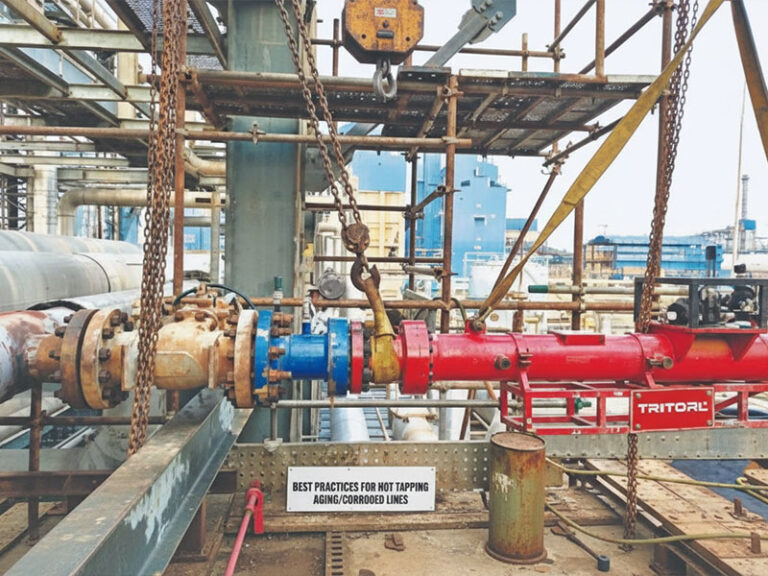
The best practices for hot tapping on aging or potentially corroded pipeline segments involve a rigorous, multi-stage protocol centered on pre-job integrity assessment, comprehensive risk mitigation, and strict adherence to industry standards such as API RP 2201 and GSO 2492 to prevent catastrophic failure. This process is inherently hazardous, as it creates a controlled penetration into a live system. For aging infrastructure, the stakes are higher, demanding specialized inspection techniques, conservative engineering judgments, and equipment designed for variable wall conditions. This guide will cover the fundamental principles, step-by-step procedures, critical equipment considerations, and the vital safety standards that govern this complex maintenance activity across oil, gas, water, and industrial construction sectors.
1. Why is a Pre-Job Integrity Assessment Non-Negotiable for Aging Pipelines?
A thorough pre-job integrity assessment is the absolute foundation of safe hot tapping on older pipelines because corrosion and wall thinning directly threaten the structural integrity required for welding and pressure containment. Unlike new pipes, aging segments may have localized pitting, uniform wall loss, or internal scaling that is not visible externally. Proceeding without quantifying these defects is the leading cause of disqualification for a hot tap procedure.
The primary goal is to determine the pipeline’s fitness-for-service and establish the actual, remaining wall thickness at the proposed tap location. This data dictates everything from weld procedure specifications to the maximum allowable operating pressure during the job.
- Standard Inspection Methods:
- Ultrasonic Thickness (UT) Scanning: The most critical tool. A detailed grid scan, not just spot checks, must be performed to identify the minimum wall thickness and map areas of corrosion.
- Radiographic Testing (RT): Useful for detecting internal anomalies and verifying the condition of the pipe wall behind coatings.
- Visual Inspection (VT): Includes checking for external corrosion, coating condition, and any existing repairs or dents.
- Acceptance Criteria: The assessed remaining wall thickness must meet or exceed the minimum design wall thickness required by the applicable pipeline code (e.g., ASME B31.4/B31.8) and the specific hot tapping procedure. A common industry rule of thumb requires a minimum of 3.2mm (0.125 inches) of sound metal for safe welding, but the engineering assessment must confirm this.
2. How to Conduct a Formal Risk Assessment and Procedure Review?
A formal, documented risk assessment is mandated by safety standards because every hot tap is unique, and generic procedures are insufficient. For aging pipelines, this review must be exceptionally conservative, systematically evaluating the heightened risks of burn-through, hydrogen cracking, and loss of containment.
The process is a collaborative effort between the pipeline operator, the engineering contractor, and the hot tap service provider. It transforms inspection data into actionable safety controls.
- Key Risk Factors for Aging Pipelines:
- Variable Wall Thickness: Increases risk of localized burn-through during welding.
- Uncertain Material Properties: Older steel may have different metallurgy or degraded toughness.
- Internal Debris: Scale or debris can dislodge during drilling, damaging equipment or valves.
- Adjacent Corrosion: Corrosion near the weld zone can compromise the strength of the new branch connection.
- The Output: A Job-Specific Procedure: The assessment culminates in a detailed, written hot tap procedure that must be approved before work begins. This document specifies welding parameters (adjusted for heat sink effects), contingency plans, emergency shutdown procedures, and explicit stop-work criteria.
3. What Are the Critical Steps in the Hot Tapping Procedure?
The physical hot tapping procedure is a meticulously sequenced operation that minimizes risk through engineering controls. It is a two-step process: first welding a pressure-containing branch connection, then drilling through the pipe wall within that sealed environment. On a corroded line, each step requires additional vigilance.
The sequence is designed to ensure containment is never compromised, with multiple barriers between the live pipeline and the environment.
- Site Preparation & Isolation: The work area is secured. While the main line remains in service, plans for secondary isolation (e.g., line stopple plugs) or temporary bypass are finalized.
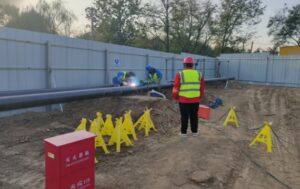
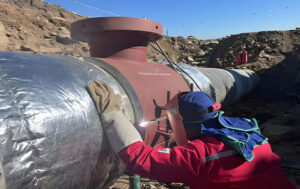
- Fit-up and Welding: The branch fitting (typically a welding saddle or split-tee) is carefully fitted to the pipe, with UT verification of the weld area. Special low-hydrogen welding procedures with controlled heat input are used to prevent cracking and burn-through.
- Pressure Testing: The newly welded assembly is pressure tested to a value exceeding the pipeline’s operating pressure to verify its integrity before any penetration is made.
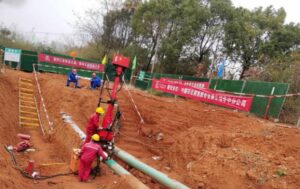
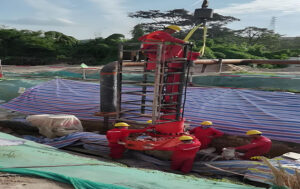
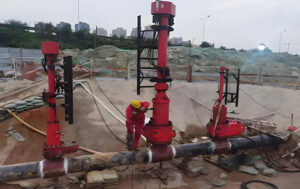
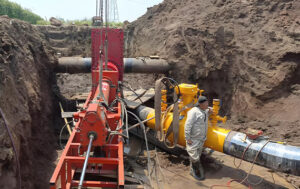
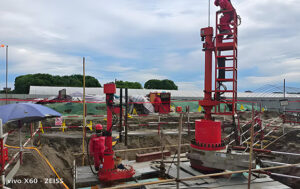
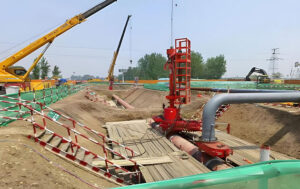
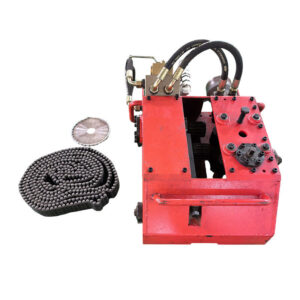
- Machine Installation: The hot tapping machine is bolted to the valve on the branch. This machine, like a specialized pipe tapping drill, contains the cutting tool within a sealed chamber.
- Drilling and Coupon Retrieval: The cutter drills through the pipe wall. A critical best practice is using a cutter equipped with a pilot drill and retaining arm to securely capture the “coupon” (the cut piece of pipe wall). This coupon itself is a vital piece of data, providing a physical sample for laboratory analysis of corrosion rates and remaining strength.
- Tool Removal and Completion: The cutter is retracted with the coupon, the valve is closed, the tapping machine is removed, and the new connection is ready for use. The valve remains as a permanent isolation point.
4. How to Select the Right Equipment for Challenging Conditions?
Selecting robust, appropriately sized equipment is a technical decision that directly impacts safety. For aged pipelines, equipment must offer precision control, adaptability, and enhanced safety features to manage unpredictability.
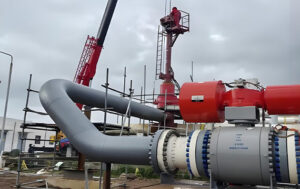
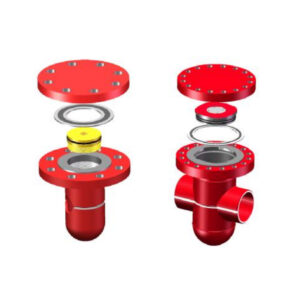
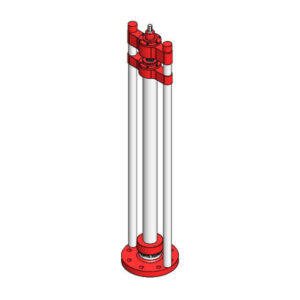
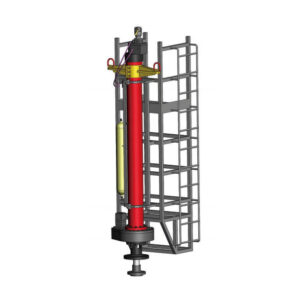
The core hot tapping equipment triad consists of the tapping machine, the pipeline plugging or stoppling system (if required), and the isolation valve. Each must be rated for the specific service pressure, temperature, and media.
The table below contrasts typical equipment considerations for standard versus aging/corroded pipeline applications:
| Equipment Component | Standard Pipeline Consideration | Aging/Corroded Pipeline Special Requirement |
|---|---|---|
| Tapping Machine | Capacity for pipe diameter and pressure. | Enhanced torque control, ability to handle variable wall thickness, and a guaranteed coupon retention system-8. |
| Cutting Tool | Correct diameter and material for the pipe grade. | Sharper, more durable cutters; often pilot drills are used to minimize load on thin walls. |
| Isolation Valve | Full-bore valve matching the branch size. | Higher safety factor rating; proven reliability for emergency shutoff. |
| Fitting (Saddle/Split-Tee) | Designed to match pipe diameter. | May require custom contouring to fit out-of-round or irregular external surfaces caused by corrosion. |
| Non-Destructive Testing (NDT) | Standard weld inspection. | More extensive UT before, during (optional), and after welding to verify integrity in compromised material. |
5. What are the Key Safety Standards and Compliance Requirements?
Compliance with recognized industry standards is not optional; it is the framework that codifies best practices into enforceable requirements. These standards address the unique hazards of working on live systems containing hydrocarbons or other dangerous fluids.
Adherence to these standards provides a legally and technically defensible basis for the work plan and is often a contractual obligation for insurance and liability purposes.
- API RP 2201 – Safe Hot Tapping Practices: This is the cornerstone standard for the petroleum and petrochemical industries. It provides detailed guidelines on pipeline preparation, safety reviews, welding, and emergency planning.
- GSO 2492:2015 – Hot Tapping on Pipelines: This Gulf Cooperation Council standard specifies technical and safety requirements for pipelines containing hydrocarbons. It explicitly states that a job-specific written procedure is required before work begins.
- ASME B31.3/B31.4/B31.8: These codes govern the design, construction, and operation of process piping and pipeline systems. Any modification, including a hot tap, must ensure the modified system continues to comply with these codes.
- OSHA Regulations (29 CFR 1910): In the United States, Occupational Safety and Health Administration regulations, particularly those related to process safety management (PSM) and hazardous materials, apply.
6. When Should You Absolutely Avoid a Hot Tap?
Understanding contraindications is as important as knowing the procedures. Certain conditions on an aging pipeline present unacceptable risk, making alternative methods like a controlled shutdown (“cold tap”) the only responsible choice.
A conservative, safety-first culture mandates that if the integrity assessment or risk review raises unresolved red flags, the project must be halted or re-engineered.
- Absolute Contraindications:
- Wall thickness below the minimum allowable for safe welding and pressure containment.
- Pipeline containing highly toxic or pyrophoric substances where even a minor leak is catastrophic.
- Severe internal or external corrosion in the heat-affected zone of the weld that cannot be structurally compensated for.
- Inability to maintain a minimum required flow rate to prevent burn-through during welding.
- The Role of Professional Judgment: Ultimately, the decision rests with a qualified engineer or contractor with specific expertise in hot tapping and pipeline integrity. Their sign-off, based on data and standards, is the final gate before proceeding.
JSW Solutions: Your Partner for Safe, Compliant Pipeline Modifications
At JSW Solutions, we understand that working on aging infrastructure requires more than just equipment—it demands expertise, caution, and an unwavering commitment to safety. With over two decades of experience as a specialized services company and equipment manufacturer, we provide integrated solution for complex pipeline challenges.
Our approach to hot tapping on corroded or aging segments is defined by three core advantages:
- Engineered Safety First: We don’t just follow standards; we build in additional safety margins. Our proprietary job planning template incorporates conservative corrosion allowances and “what-if” scenario analysis specifically for degraded pipelines.
- Advanced Equipment Fleet: Our factory-tested hot tapping machines and pipeline stopple systems are designed for real-world variability. Features like real-time torque monitoring and guaranteed coupon retention give our field teams the control needed for challenging conditions.
- Full-Cycle Expertise: From the initial integrity evaluation using our advanced inspection services to the final commissioning and restoration of the site, JSW manages the entire project. We function as your single point of responsibility, ensuring seamless execution and strict compliance with all safety and environmental protocols.
Ready to discuss your specific pipeline modification or assessment need? Contact our engineering team today for a confidential consultation and a detailed review of how our best practices can be applied to ensure the success and safety of your next project.







 English
  Arabic
  Russian
  Spanish
  French