
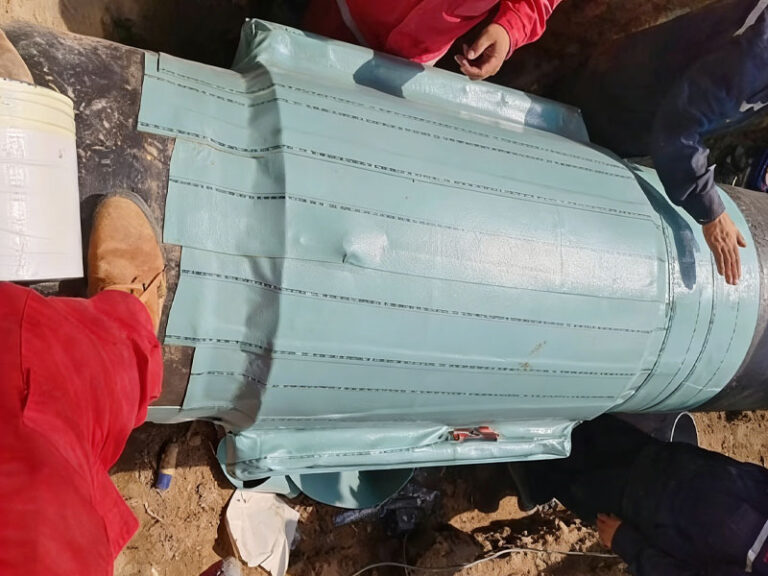
The Main Causes of Pipeline Deterioration That Necessitate Rehabilitation
Pipeline deterioration is primarily caused by aging infrastructure, material corrosion, environmental stresses, operational factors, and third-party damage, all of which necessitate timely rehabilitation to prevent failures. This article systematically examines these causes, explaining the underlying mechanisms, providing real-world examples, and citing relevant data. Beyond diagnosis, we will explore how various trenchless rehabilitation technologies address specific deterioration modes, compare the cost-benefit of rehabilitation versus replacement, and outline industry-standard assessment protocols. This comprehensive guide is designed for asset managers, engineers, and contractors seeking a fact-based understanding of pipeline services and renewal solutions.
1. The Aging Infrastructure Crisis: A Widespread Problem
Aging is the universal precursor to pipeline deterioration. Most buried water and gas mains in developed nations were installed over 50 years ago, with many in older urban areas exceeding a century of service. These systems are collectively reaching or have surpassed their designed service life. The American Water Works Association notes that a significant portion of U.S. water infrastructure is approaching the end of its useful life, creating an urgent need for reinvestment. The consequence of age is not merely the passage of time but the accumulated effect of cyclic stresses, minor environmental attacks, and material fatigue, which collectively degrade the pipe’s structural integrity and performance.
2. Corrosion: The Most Prevalent Degradation Mechanism
Corrosion is the electrochemical or chemical reaction that progressively destroys pipeline materials. For steel pipelines, it is the leading cause of degradation and failure.
- Internal Corrosion: This occurs from the inside of the pipe, often driven by the chemical composition of the transported medium. In oil and gas pipelines, corrosive agents like carbon dioxide (CO₂), hydrogen sulfide (H₂S), bacteria, and water are primary culprits. A study on steel pipelines identified selective corrosion in the heat-affected zones (HAZ) of welds as a dominant mechanism, with pit depths reaching up to 6 mm and causing tensile strength reductions of up to 30%.
- External Corrosion: This affects the pipe’s exterior, typically due to contact with corrosive soils or groundwater. Breakdown of the external protective coating is a very common initiator. Once the coating fails, the underlying steel is exposed, leading to widespread pitting or wall thinning.
3. Environmental and Physical Stresses
Pipelines are subjected to constant and variable physical forces from their environment.
- Earth Movements and Natural Forces: Ground settlement, seismic activity, frost heave, and landslides exert bending moments and axial loads on pipelines-1. Research on legacy cast iron gas mains found that natural force damage, including subsidence and frost-related deformation, was a leading cause of incidents. These movements can lead to joint separation, circumferential cracks, or pipe buckling.
- Pressure Fluctuations and Water Hammer: Cyclic internal pressure from normal operation and transient pressure surges (water hammer) create fatigue stress. Over decades, this can initiate and propagate cracks, particularly at points of existing weakness or defect.
- Erosion: For pipelines carrying abrasive slurries or high-velocity fluids with particulates, mechanical wear of the pipe wall is a significant concern. Erosion can thin the pipe wall and is known to exacerbate corrosion processes in high-stress zones, accelerating failure.
4. Operational and Material Factors
How a pipeline is used and constructed directly influences its lifespan.
- Material Limitations and Defects: Historic materials like cast/wrought iron are more brittle and susceptible to fracture compared to modern steels or plastics. Even modern materials have limits; for instance, improper welding during installation can create microstructural weaknesses highly prone to selective corrosion. Polyethylene pipes, while corrosion-resistant, can suffer from slow crack growth and brittleness from UV or chemical exposure.
- Changes in Operational Demand: Repurposing a pipeline for a different service (e.g., higher pressure, different product) or increased flow rates can push an aging system beyond its original design parameters, accelerating deterioration.
- Accumulation of Deposits and Biological Growth: In water and wastewater pipes, mineral scaling, sediment buildup, and biofilm can significantly reduce hydraulic capacity, accelerate corrosion through microbiologically influenced corrosion (MIC), and physically weigh on the pipe structure.
Pipeline Deterioration Causes and Indicators
Table: Common Causes, Their Mechanisms, and Observable Signs
| Primary Cause | Underlying Mechanism | Typical Indicators/Evidence |
|---|---|---|
| Internal Corrosion | Electrochemical reaction with fluid (CO₂, H₂S, O₂, bacteria) | Wall thinning, pitting, leaks, reduced pressure, discolored water. |
| External Corrosion | Soil chemistry attack on coating and metal | Coating disbondment, widespread pitting, leaks in corrosive soil zones. |
| Stress & Fatigue | Cyclic pressure, water hammer, earth movement | Circumferential cracks, joint failures, leaks at stress points. |
| Abrasion/Erosion | Mechanical wear from particulates in flow | Smooth, localized wall thinning in bends or elbows. |
| Material Failure | Slow crack growth, brittle fracture, faulty welds | Sudden catastrophic rupture, longitudinal cracks along seams. |
5. Third-Party and Construction-Related Damage
Damage not originating from the pipe’s operation or environment is a major threat.
- Excavation Damage: Accidental strikes by construction equipment during nearby digging are a frequent cause of immediate failure or damage that initiates long-term deterioration.
- Improper Installation: Inadequate bedding, poor backfill compaction, or damage during installation can create point loads and stresses that lead to premature failure. Using substandard materials from a non-reputable Material Supplier can also introduce inherent weaknesses.
6. The Role of Condition Assessment in Identifying Causes
Before deciding on a rehabilitation solution, a thorough condition assessment is mandatory. This process identifies the specific causes and extent of deterioration.
- Common Assessment Tools:
- Inline Inspection (ILI) Tools (“Smart Pigs”): Travel inside the pipe to measure wall thickness, detect metal loss, and map deformations.
- Closed-Circuit Television (CCTV) Inspection: Provides visual confirmation of internal cracks, corrosion, joint offsets, and infiltration.
- Pressure and Leakage Tests: Hydraulic testing identifies the system’s current strength and pinpoint leaks.
- Soil and Corrosion Surveys: Assess the aggressivity of the external environment.
7. From Cause to Solution: Matching Rehabilitation Technologies
Understanding the cause dictates the appropriate rehabilitation method. The goal is to select a solution that not only seals the pipe but addresses the mechanical failure mode.
- For Corrosion and Leaks: Cured-in-Place Pipe (CIPP) creates a jointless, corrosion-resistant new liner within the old pipe. Spiral Wound and Slip Lining are also effective barrier solutions.
- For Structural Deficits and Broken Pipes: Pipe Bursting physically breaks apart the old, brittle pipe while simultaneously pulling in a new, high-density polyethylene (HDPE) pipe of equal or larger diameter, restoring full structural integrity.
- For Localized Damage: Point CIPP Repair or Robotic Grouting/Sealing can address isolated issues like a single cracked section or leaking joint without rehabilitating the entire line.
Frequently Asked Question: Is rehabilitation always better than replacement?
Not always. The decision depends on a quantitative assessment of the pipeline’s condition, remaining life, and the cost of hidden risks. A study by the Abu Dhabi National Oil Company found rehabilitation is more cost-effective if most work is recoating, but for smaller pipelines with over 70% coating failure, replacement may be wiser. Factors like production losses during shutdown for rehab can also tip the economic balance.
8. The Economic and Operational Imperative for Proactive Rehabilitation
Delaying intervention escalates risks and costs. The hidden costs of an aging pipeline include increased leak frequency, more frequent and expensive emergency repairs, higher pumping energy due to friction loss, water loss, and potential for catastrophic failure with severe environmental and social consequences. A proactive rehabilitation strategy, informed by a clear understanding of deterioration causes, systematically improves system performance and is a cornerstone of modern asset management.
Author: David Chen, Senior Infrastructure Engineer & Pipeline Rehabilitation Specialist
Updated: January 11, 2026
About Our Expertise: At JSW Pipeline Solutions, we move beyond simply selling services. Our team of engineers brings decades of firsthand field experience in diagnosing the complex causes of pipeline failure. We partner with leading equipment manufacturers and Material Suppliers to provide unbiased, condition-based recommendations. Whether through our advanced pipeline hot tapping and plugging service for non-disruptive repairs or our trenchless pipeline rehabilitation service, we deliver solutions that address the root cause of deterioration, extending asset life with cost-effective and reliable outcomes. Contact our technical team today for a comprehensive assessment of your pipeline rehabilitation needs.









 English
  Arabic
  Russian
  Spanish
  French