
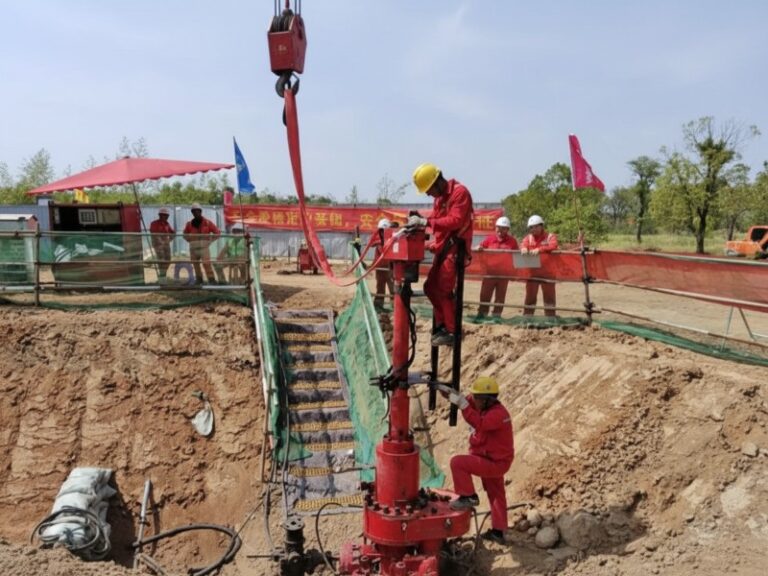
Hot tapping, also known as pressure tapping or live tapping, is physically limited to a maximum operating pressure of approximately 2,200 psi and a temperature range between -50°F (-45°C) and 700°F (371°C) , though these limits are strictly dependent on pipe metallurgy, wall thickness, and the specifications of the equipment manufacturer. While these parameters represent the extreme boundaries of the technology, real-world projects often involve lower pressures for safety, and the selection of a qualified contractor is essential to navigate the complex interplay between pipe material, medium (like oil, air, or water), and regulatory codes.
1. What Are the Maximum Pressure Limits for a Hot Tap?
The pressure of the medium inside the pipeline is the primary variable determining the feasibility of a hot tap. The limit is not just about the pipe’s ability to hold pressure, but the mechanical strength of the branch fitting and the sealing capacity of the hot tapping machine.
The 2,200 PSI Threshold
While many standard industrial applications operate below 1,440 psi, advanced equipment manufacturer specifications show that the absolute physical limit for most hot tapping services is around 2,200 psig.
- Standard Range: Common hot tapping operations on water mains and moderate-pressure oil lines typically occur at pressures up to 1,440 psi.
- High-Pressure Range: Specialized equipment, often used in construction and gas transmission, can withstand pressures up to 2,200 psi. For example, while a standard machine might be rated for 1,480 psi at 100°F, variations in temperature derate these pressure capabilities significantly.
Why Pressure Limits Exist
Pushing beyond these limits risks equipment failure. The cutter and pilot drill are subjected to immense torque and the full force of the line pressure. Our experience in pipeline maintenance confirms that exceeding the hot tapping pressure rating of the fitting or machine can lead to “blowouts,” where the coupon is violently ejected, posing a catastrophic safety hazard.
2. What Temperature Range Can Hot Tapping Withstand?
Temperature affects the ductility of the pipe and the integrity of the tapping equipment. The limits vary drastically depending on whether you are dealing with cryogenic fluids or high-pressure steam.
Lower Limits: Handling the Cold
At the lower end, specialized equipment can handle temperatures as low as -50°F (-45°C) . However, standard carbon steel becomes brittle at these temperatures. For trenchless pipe rehabilitation involving oil or cryogenic services, the Material Supplier must verify the material’s ductility to prevent fracture during the cutting process. Standard machines often have a practical low-end limit around -20°F (-29°C) for intermittent service -7.
Upper Limits: The 700°F Boundary
The consensus among leading equipment manufacturer guidelines sets the upper limit for standard hot tapping operations at 700°F (371°C).
- Steam Service: For high-pressure steam lines, temperatures are often capped lower, around 300°C (572°F) , to protect the sealing elements and packing glands of the tapping machine.
- Equipment Derating: It is critical to understand that as temperature increases, the maximum allowable pressure decreases. A machine rated for 1,480 psi at 100°F may only be safe at significantly lower pressures at 700°F.
3. Which Pipe Materials Are Compatible with Hot Tapping?
Perhaps the most critical physical limit is the pipe material itself. The process requires the material to be ductile enough to withstand the stress of cutting without shattering. A reliable contractor will always verify metallurgy before mobilization.
Suitable Materials (Ductile)
- Carbon Steel: The most common and ideal material for hot tapping.
- Stainless Steel: Suitable, though care must be taken to avoid carbide precipitation if improper welding techniques are used on the fitting.
- Ductile Iron: Generally suitable, as its flexibility allows it to handle the mechanical stress.
- Exotic Alloys: Materials like Nickel and Inconel can be tapped but require specialized cutter geometry.
Unsuitable or High-Risk Materials (Brittle)
- Cast Iron: Grey cast iron is particularly problematic. Its lack of ductility means the stress of the tap can cause the pipe to crack or shatter.
- PVC and HDPE: While some sources list these as possible, they present unique challenges. Fittings cannot be welded, requiring mechanical attachments, and the heat generated by friction can melt the pipe bore.
- Concrete (PCCP/RCP): Possible, but requires custom cutters and strict control to avoid spalling the concrete coating.
4. How Does Pipe Size Limit Hot Tapping?
The diameter of the pipe dictates the size of the tapping machine required, and physical clearance around the pipe is a major logistical limit.
Size Capabilities
Industry capabilities are vast, ranging from small 1/2-inch lines to massive 60-inch or even 96-inch mains.
- Standard Equipment: Most standard hot tapping frames handle up to 48 inches.
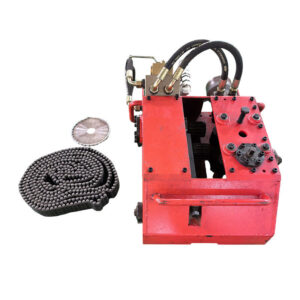
- Large Diameter (XXL): Specialized equipment manufacturer solutions, like the T-2460 XXL machine, are engineered specifically for taps ranging from 30 inches to 60 inches, utilizing remote controls to manage the immense torque required.
The Space Constraint
The physical length of the tapping machine (the boring bar travel) is a hidden limit. To perform a tap, you need enough clearance behind the pipe to accommodate the machine’s full extension.
- A 4-inch tap might require 7 feet of clearance.
- A 10-inch or larger tap can require up to 14 feet of clearance behind the pipe.
If a pipe is in a tight vault or against a wall, pipeline modification using hot tapping may be physically impossible without excavating more space.
5. Code Compliance: The Regulatory Limit (ASME, API, OSHA)
Physical limits are also defined by legal standards. Non-compliance is not just unsafe; it is illegal. The industry gold standard is API 2201 (Safe Hot Tapping Practices in the Petroleum and Petrochemical Industries), which outlines the procedures for welding on in-service equipment.
Key Regulatory Bodies
- ASME (B31.3, B31.4, B31.8): Defines the design standards for the piping itself and the pressures it can hold after a branch connection is added.
- API (2201): Provides the procedural bible for how to execute the tap safely, including weld procedure qualifications.
- OSHA: Governs worker safety, requiring specific training and protective equipment.
A reputable services provider must operate within these codes. Attempting a hot tap outside of these established procedures voids insurance and exposes the operator to severe liability.
6. Limitations of Hot Tapping vs. Line Stopping
It is vital to understand that hot tapping is only an entry method. If your goal is repair, not just adding a branch, you face the limits of the technology.
Hot Tapping Alone
- Limit: It creates a hole; it does not stop flow.
- Use Case: Adding a pipeline tapping point, installing a thermowell, or creating a bypass connection.
Hot Tapping + Line Stopping
- Limit: Stopping flow requires additional equipment and larger taps.
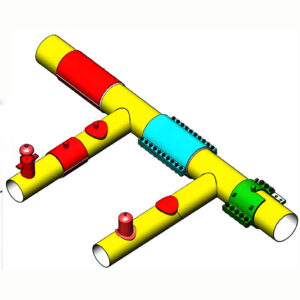
- Use Case: To replace a section of pipe, you must use pipeline stopple (plugging) equipment. This involves making two hot taps to insert plugging heads and a third for a bypass.
- Physical Reality: While hot tapping can go up to 60 inches, line stopping mechanisms like folding heads or inflatable bags have their own size and pressure limits, often lower than the tapping operation itself.
Frequently Asked Questions (FAQ) on Hot Tapping Limits
What is the maximum pressure for a hot tap on a natural gas line?
Most natural gas hot tapping is conducted within the 1,440 psi range, though specialized high-pressure equipment certified by the equipment manufacturer can operate up to 2,200 psi, provided the pipe wall thickness is sufficient.
Can you hot tap cast iron pipe?
It is high-risk. Grey cast iron is brittle and prone to cracking under the stress. While some contractors offer it using bolt-on fittings and very slow cutting speeds, ductile iron or steel are the preferred materials.
Does temperature affect the hot tapping pressure rating?
Yes, absolutely. There is an inverse relationship. As the operating temperature increases toward the maximum of 700°F, the maximum allowable working pressure of the tapping machine and fittings decreases significantly.
What is API 2201?
API 2201 is the recognized standard for “Safe Hot Tapping Practices” in the petroleum industry. It outlines the requirements for job analysis, hazard evaluation, and welding procedures to ensure a safe tap.
JSW: Your Partner in High-Stakes Pipeline Solutions
Since our establishment in 1998, Beijing Jinshiwan (JSW) has stood at the forefront of pipeline maintenance and safety. We are not just a Material Supplier; we are an engineering-led equipment manufacturer and services provider. Our deep understanding of hot tapping limits comes from decades of hands-on experience across the oil, air, water, and gas sectors. We design and manufacture our own hot tapping machines and pipeline plug fittings, ensuring that every component—from the cutter to the stopple head—is engineered to perform at the extreme edges of pressure and temperature.
Whether your project requires trenchless pipe rehabilitation, a complex pipeline stopple operation, or emergency pipeline modification, JSW provides the equipment, the expertise, and the responsive construction support to keep your lines live and your operations running. Our solutions are built to exacting standards, ensuring compliance with global codes while maximizing safety and efficiency.
Published: May 24, 2024
Author: JSW Engineering Team












 English
  Arabic
  Russian
  Spanish
  French