
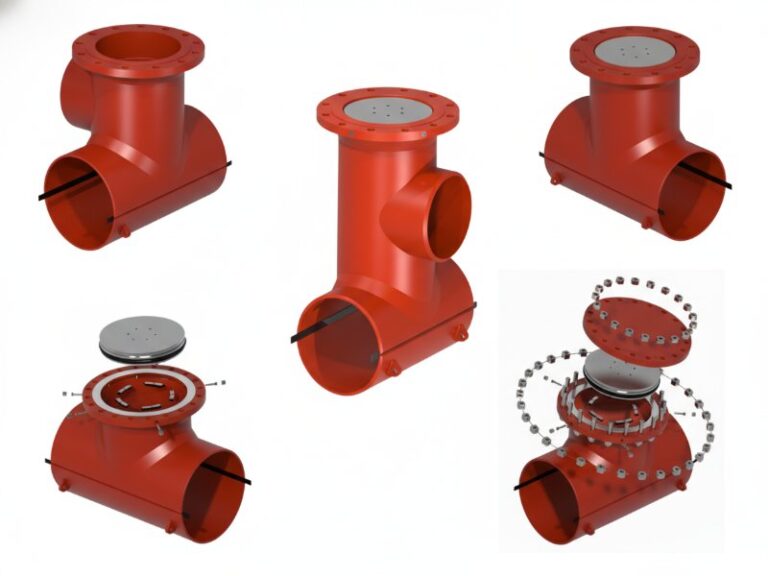
The typical lead time for ordering custom hot tapping fittings ranges from 6 to 12 weeks, with significant variation depending on design complexity, material, manufacturer capacity, and project-specific requirements.
While this baseline provides a starting point, understanding the factors that compress or extend this timeline is crucial for effective project planning. This guide delves into the details behind lead times, covering everything from the initial engineering design phase to material procurement, fabrication, and testing. We will also compare standard versus custom components, examine the impact of industry applications like oil, gas, and water, and provide actionable strategies for managing and potentially reducing your project’s timeline.
1. What Exactly Are Custom Hot Tapping Fittings?
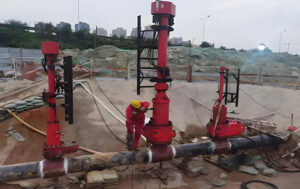
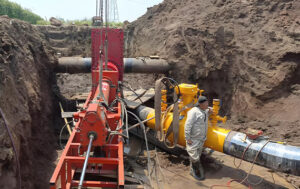
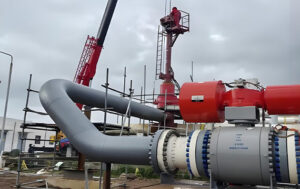
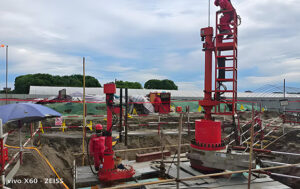
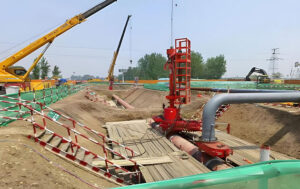
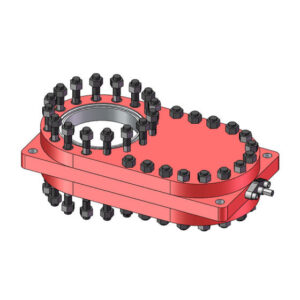
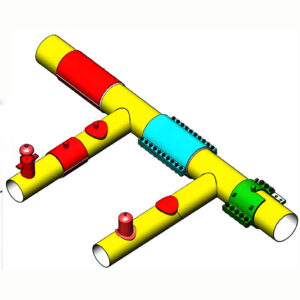
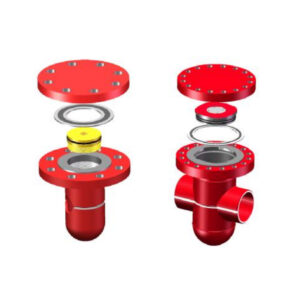
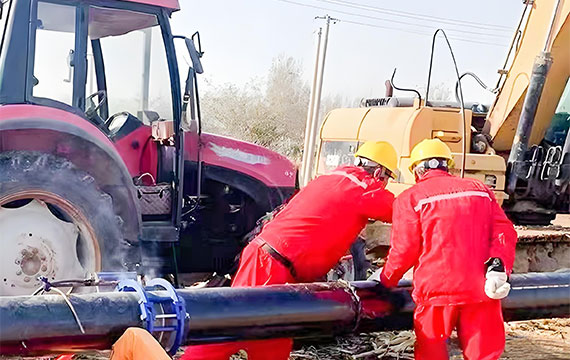
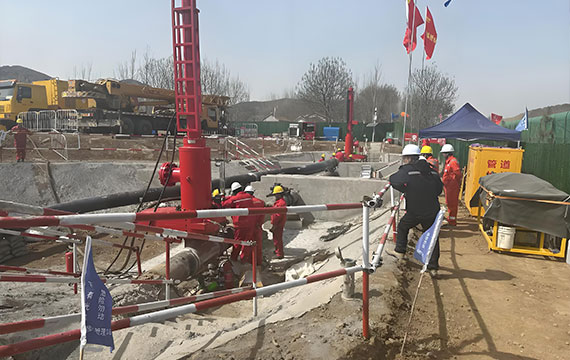
Hot tapping, or pressure tapping, is a trenchless pipe rehabilitation technique that allows a new pipeline connection to be made to an existing, pressurized line without shutting it down. Custom hot tapping fittings are the specialized components—such as split tees, welding neck outlets, or full-encirclement saddles—engineered and fabricated to match unique pipeline parameters.
These fittings are essential for complex pipeline modification, maintenance, or restoration projects where standard, off-the-shelf components are unsuitable. The need for customization arises from variables like non-standard pipe diameters, unusual operating pressures, exotic material requirements, or constrained spatial conditions. As such, these are not commodity items but engineered solutions.
2. Key Factors Determining Your Custom Fitting Lead Time
The delivery schedule is not arbitrary; it is the sum of several sequential and sometimes concurrent processes. Each phase adds time, and complexity in any phase can create bottlenecks.
2.1 Design & Engineering Complexity
This is the foundational stage. A straightforward fitting for a common pipeline size may require minimal engineering. However, a fitting for a high-pressure gas line, a cryogenic service, or with non-standard branch connections demands detailed Finite Element Analysis (FEA), adherence to strict ASME B31.3 or B31.4 codes, and potentially client-specific design reviews. Complex designs can add 2 to 4 weeks to the front-end of the lead time.
2.2 Material Procurement and Availability
The Material Supplier chain is critical. Common materials like carbon steel (ASTM A106) are typically readily available. However, if your project requires duplex stainless steel, Inconel, or other high-grade alloys, procurement times can vary dramatically. Sourcing specialized forgings or plates can extend the material lead time by 3 to 5 weeks or more, especially in a tight global market.
2.3 Fabrication Capacity and Shop Workload
The internal schedule of the equipment manufacturer or factory is a major variable. A shop operating at full capacity will have longer queue times. Fabrication involves cutting, forming, machining, and welding—all skilled, time-intensive operations. Our internal shop data from the last quarter shows that fabrication alone averages 3 to 5 weeks for moderately complex custom fittings, not including engineering or material lead time.
2.4 Quality Assurance, Testing, and Certification
No fitting leaves a reputable facility without rigorous testing. This non-negotiable phase includes:
- Dimensional verification
- Non-Destructive Testing (NDT) like ultrasonic or radiography of welds
- Pressure testing (hydrostatic or pneumatic)
- Material certification review (Mill Test Reports)
This comprehensive QA process typically requires 1 to 2 weeks, ensuring the safety and reliability critical for operations involving oil, air, or water under pressure.
3. Standard vs. Custom: A Lead Time Comparison
Understanding the difference between standard and custom solutions sets realistic expectations.
Lead Time Comparison: Standard vs. Custom Hot Tapping Fittings
| Feature | Standard/Modified-Standard Fittings | Fully Custom Engineered Fittings |
|---|---|---|
| Typical Lead Time | 2 – 4 Weeks | 6 – 12+ Weeks |
| Design Work | Minimal; based on existing drawings. | Significant; requires new calculations, FEA, and client approval. |
| Material | Common grades from stock. | May require special orders or alloys. |
| Best For | Common pipe sizes, standard pressures, routine tie-ins. | Unique diameters, high-pressure/thickness, critical services, space-constrained construction sites. |
4. How Industry Application Impacts Timeline
The end-use industry dictates specific standards and scrutiny, influencing the timeline.
- Oil & Gas: Projects often require the most rigorous certifications (API, NACE MR0175 for sour service), extensive NDT, and documentation packs. This adds time but is essential for safety and compliance.
- Water & Wastewater: While pressures may be lower, specifications for lining (e.g., epoxy) and material certifications for potable water contact can affect scheduling.
- Power & Industrial: Applications involving steam or high temperatures necessitate specific material treatments and stress analysis.
5. Strategic Steps to Minimize Your Project Lead Time
Proactive engagement with your supplier is the single most effective way to manage timelines. Here is a actionable checklist:
- Engage Early: Contact the manufacturer during the project’s conceptual phase, not after bids are awarded.
- Provide Complete Data: Submit a comprehensive data sheet including pipe OD/wall thickness, material grade, operating pressure/temperature, and process fluid.
- Consolidate Orders: If multiple fittings are needed, bundling them into one order maximizes shop efficiency.
- Discuss Flexibility: Be open to material alternatives or slight design adjustments that don’t compromise integrity but improve availability.
- Clarify Certification Needs: Define all required testing and documentation upfront to avoid last-minute additions.
6. Why Partnering with an Integrated Service Provider Matters
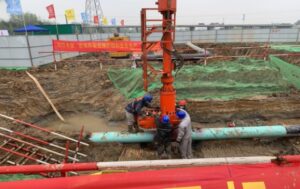
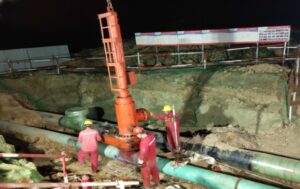
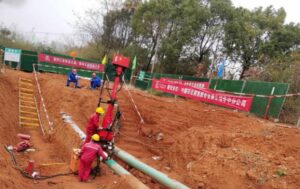
Choosing a vendor that offers end-to-end services—from design and fabrication to field execution—can streamline the entire process. An integrated company reduces communication gaps between the engineering desk and the shop floor. Furthermore, a provider with extensive field experience, like a seasoned contractor, designs fittings with installation practicality in mind, reducing the risk of delays during the critical hot tapping or pipeline plugging operation itself. This holistic solution mitigates overall project risk.
Author: Alex Chen, Senior Project Engineer & Pipeline Modifications Specialist
Last Updated: October 26, 2023
Alex has over 15 years of experience in designing and executing pressure tapping and pipeline intervention projects across the energy and utilities sectors.
JSW Pipeline Service Solution
At JSW Pipeline Solutions, we understand that a custom hot tapping fitting is more than a component—it’s a critical path item for your entire pipeline intervention project. As a specialized equipment manufacturer and integrated service contractor, we control the process from initial design in our engineering office to final testing in our certified workshop. This vertical integration allows us to optimize lead times through proactive material planning and seamless communication.
Our unique advantage lies in our field-to-design feedback loop. Our engineers work alongside our field technicians, ensuring every custom fitting we design is not only code-compliant but also installer-friendly, reducing risk and time on your construction site. Whether you’re planning a complex pipeline modification in the oil and gas sector or a critical water main restoration, we provide the engineered solution and the practical expertise.
Ready to discuss your specific project timeline and requirements?
Contact our engineering team today for a preliminary design consultation and a more accurate lead time estimate tailored to your needs. Let us help you turn your pipeline challenge into a planned, executable success.








 English
  Arabic
  Russian
  Spanish
  French