
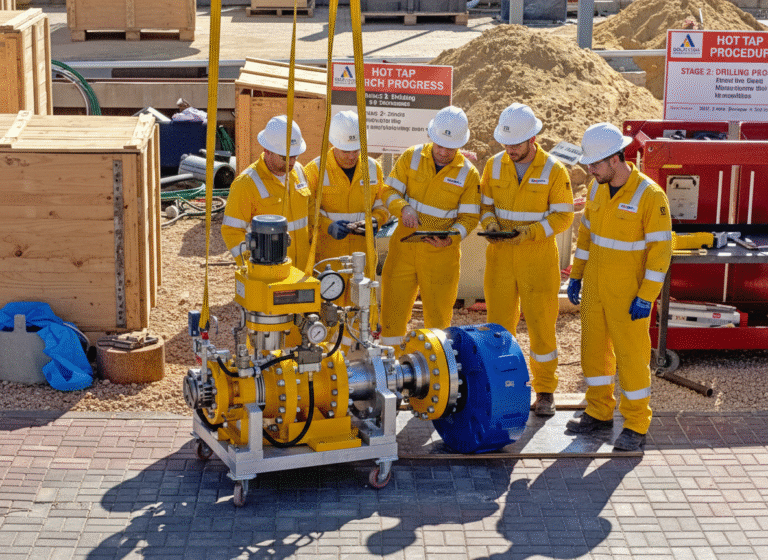
Introduction to Hot Tapping
The step-by-step engineering process for a pipeline hot tapping operation involves creating a new connection to an active pipeline without interrupting service or releasing the contained product. This technique, also known as pressure tapping or line tapping, has evolved significantly since its development in the 1960s, becoming a safe, environmentally responsible, and economically efficient method for pipeline maintenance, modification, and expansion.
Hot tapping represents a specialized engineering solution that enables pipeline operators to add branches, insert monitoring devices, install temporary bypasses, or prepare for pipeline plugging operations while the system remains fully operational. Unlike traditional methods that require complete shutdowns—resulting in substantial service interruptions, product loss, and potentially hazardous blowdowns—hot tapping maintains continuous operation throughout the procedure. The fundamental advantage lies in its ability to perform what is essentially a “controlled loss-of-containment event” without compromising system integrity or safety protocols.
Throughout this guide, we will examine each phase of the engineering process in detail, drawing from industry standards, case studies, and technical specifications that govern modern pipeline hot tapping operations across various sectors including oil and gas, water infrastructure, and chemical processing.
The Complete Step-by-Step Engineering Process for Pipeline Hot Tapping
Executing a successful pipeline hot tapping operation requires meticulous planning, specialized equipment, and strict adherence to safety protocols. The following eight-step engineering process has been refined through decades of industry practice and represents the current standard for professional implementation.
Step 1: Preliminary Assessment and Feasibility Study
Before any physical work begins, a comprehensive feasibility assessment determines whether hot tapping represents the appropriate solution for the project requirements. This initial phase involves evaluating the parent pipeline condition, including wall thickness, material composition, operating pressure, and fluid characteristics. According to industry guidelines, hot tapping should only proceed when equipment is certified fit for the procedure, with particular attention to identifying potential wall thinning that might disqualify the pipeline from the operation.
The feasibility study also includes a cost-benefit analysis comparing hot tapping against alternative methods like complete shutdowns. Decision-makers must answer four key questions: Is the parent line in good condition? What would it cost to shut down the line or a section? How much will the hot tap procedure cost? What are the product savings benefits of using the hot tap method?. For large diameter pipelines, the application can result in significant cost savings reaching tens of millions of dollars when compared to traditional shutdown methods.
Step 2: Engineering Design and Planning
The design phase translates assessment findings into actionable engineering plans. This involves selecting appropriate fittings based on pipeline diameter, pressure rating, and material compatibility. For smaller connections (e.g., one inch) to larger pipelines, a simple welded nipple may suffice, while larger branches may require a full-encirclement split-sleeve tee that wraps completely around the pipeline for mechanical reinforcement.
Critical planning considerations include determining the optimal tap location (which can be vertical, horizontal, or at any radial angle around the pipe where sufficient installation space exists), evaluating flow rates needed to carry away welding heat, identifying emergency isolation valves, and accounting for nearby pipeline welds or imperfections. Professional contractors typically develop and follow a written implementation plan to ensure comprehensive evaluation of all factors before proceeding to physical work
Table: Key Design Considerations for Hot Tapping Operations
| Design Factor | Considerations | Industry Standards |
|---|---|---|
| Pipeline Material | Steel, cast iron, plastic compatibility | ASME B31.4, B31.8 |
| Pressure Rating | Maximum operating pressure during welding and tapping | API 2201 |
| Fluid Characteristics | Temperature, corrosiveness, flammability | CCPS Guidelines |
| Environmental Conditions | Space constraints, accessibility, emergency access | OSHA Regulations |
| Fitting Selection | Branch size, reinforcement requirements | MSS SP-75, ASME B16.9 |
Step 3: Site Preparation and Safety Implementation
Site preparation establishes the physical and procedural foundation for safe operations. This involves isolating the work area, implementing fire prevention measures, and ensuring proper ventilation where necessary. Safety protocols must address the inherent hazards of working on live systems containing pressurized fluids—one of the most dangerous activities in industrial operations.
Essential safety measures include establishing emergency response plans, deploying gas detection systems for hydrocarbon pipelines, ensuring adequate lighting, and preparing containment measures for potential leaks. All personnel must receive comprehensive safety briefings specific to the project’s hazards, with particular attention to situations where hot tapping should be prohibited, such as equipment containing highly toxic materials, heat transfer fluids above 250°C, or steam above 600 psig.
Step 4: Installation of Branch Fitting and Valve
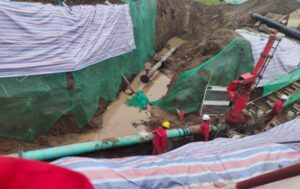
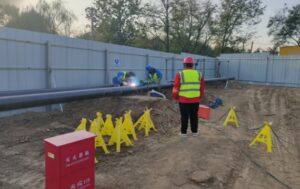
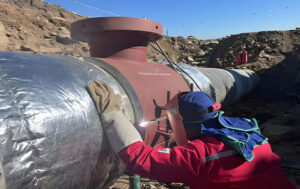
The first physical step involves attaching the branch fitting to the operating pipeline. For steel pipelines, this typically requires welding the fitting directly onto the pipe surface while the system remains under pressure and in service. The welding process presents significant technical challenges since the flowing product inside the pipeline causes rapid heat dissipation from the weld area, potentially leading to accelerated cooling rates that increase hardness and cracking susceptibility in the heat-affected zone.
Experienced welders must carefully balance heat input to ensure proper fusion without causing burn-through—where the pipe wall weakens to the point of compromising structural integrity under internal pressure. For cast iron pipelines, fittings are typically bolted in place, while plastic pipelines use specialized bonding techniques. Once the fitting is securely attached, an appropriate isolation valve (typically a ball or gate valve) is installed on the branch connection to contain the pipeline contents after the tap is completed.
Step 5: Hot Tap Drilling Operation
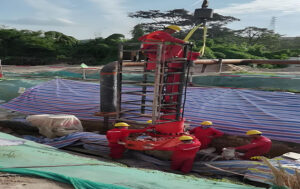
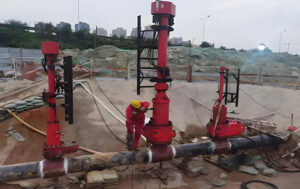
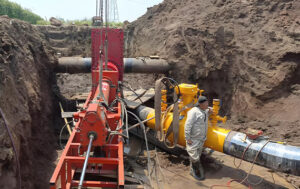
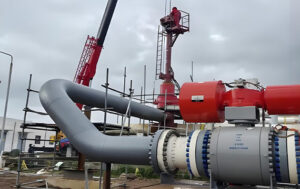
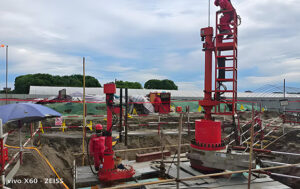
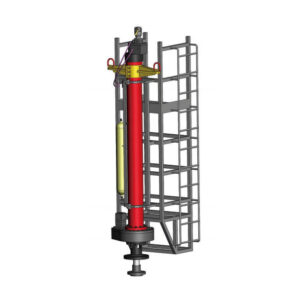
With the fitting and valve securely in place, the hot tap drilling machine is mounted to the assembly. This specialized equipment consists of a mechanically driven telescoping boring bar that controls a cutting tool designed to bore through the pipeline wall. The operation proceeds through several critical phases:
- Machine Installation: The drilling machine is connected to the valve using a pressure-containing adapter, with all seals verified before proceeding.
- Pilot Hole Drilling: A centering drill creates a pilot hole to stabilize the primary cutting tool, with the pipeline pressure contained by the valve below.
- Main Cutting Operation: A hole saw-type cutter, sized to match the branch diameter, cuts through the pipeline wall. The cutter includes a special “coupon retriever” that captures the cut-out section of pipe wall (known as the “coupon”) to prevent it from falling into the pipeline.
- Coupon Retrieval: Once cutting is complete, the coupon is withdrawn through the valve using the retriever mechanism, after which the valve is closed to isolate the pipeline pressure.
Throughout this process, the cutting occurs within a completely enclosed chamber, preventing contact between the pipeline contents and atmosphere—a critical safety feature that eliminates fire and explosion risks when working with flammable products.
Step 6: Post-Tap Procedures and System Integration
Following successful coupon removal and valve closure, the drilling machine is removed from the valve assembly. The newly created branch connection is now ready for integration with additional piping. Before putting the branch into service, any air or inert gas in the branch piping must be purged according to established procedures for the specific pipeline product.
For applications requiring pipeline plugging (where a section of pipeline must be isolated for maintenance or modification), the hot tap serves as the entry point for plugging equipment. Inflatable pipeline plugs (stopples) can be inserted through the hot tap valve to isolate downstream sections while maintaining service through temporary bypass connections. This trenchless pipe rehabilitation approach significantly reduces environmental disruption compared to traditional excavation methods.
Step 7: Testing and Verification
Every hot tapping operation requires comprehensive testing and verification before considering the project complete. Pressure testing validates the integrity of both the weld and the mechanical connection, typically performed at pressures exceeding normal operating conditions. For natural gas pipelines, leak detection using approved methods (such as soap solution testing or more advanced electronic detection) confirms system integrity.
Non-destructive examination (NDE) techniques, including ultrasonic testing or radiographic examination, may be employed to verify weld quality without damaging the connection. The specific testing protocol depends on the pipeline contents, operating pressure, and applicable regulatory requirements. Documentation of all testing results becomes part of the permanent pipeline integrity records.
Step 8: Commissioning and Documentation
The final phase involves methodically commissioning the new connection into service and completing all project documentation. Commissioning typically includes gradual pressurization of the branch connection, verification of valve operation, and integration with existing control systems. Once operational, the system undergoes a monitoring period to detect any potential issues under normal operating conditions.
Complete as-built documentation must be prepared, including precise location data, material specifications, welding records, testing results, and any deviations from the original engineering plan. This documentation serves both regulatory compliance purposes and provides essential information for future maintenance or modification work on the pipeline system.
Critical Equipment Overview for Hot Tapping Operations
Successful pipeline hot tapping requires specialized equipment designed specifically for working on pressurized systems. Understanding this equipment is essential for proper planning and execution.
Primary Tapping Equipment
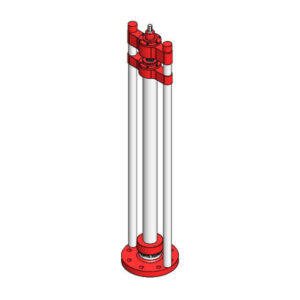
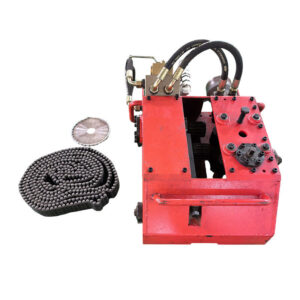
The core mechanical system consists of three primary components that often share a common modular frame: the drilling machine, tapping valve, and branch fitting assembly. Modern equipment frequently uses anodized aluminum frames that provide an optimal combination of strength, corrosion resistance, and light weight for field operations.
Table: Essential Hot Tapping Equipment and Specifications
| Equipment | Primary Function | Key Features | Material Specifications |
|---|---|---|---|
| Drilling Machine | Creates opening in pipeline wall | Telescoping boring bar, coupon retriever, adjustable feed mechanism | High-strength steel cutter, aluminum housing-1 |
| Tapping Valve | Isolates pressure during equipment changes | Full-port design, pressure-rated, compatible with drilling adapter | Carbon steel, stainless steel, or specialized alloys-4 |
| Branch Fitting | Provides structural connection to pipeline | Welded, bolted, or bonded attachment; reinforced design | Material matched to parent pipe; often includes wear sleeves |
| Control System | Monitors and regulates drilling operation | Pressure gauges, flow indicators, emergency shutdown | Intrinsically safe electronics for hazardous environments |
| Sealing Mechanism | Maintains integrity during tool changes | Dual-seal design, pressure-assisted sealing | Elastomers compatible with pipeline fluid and temperature |
Specialized Tooling for Complex Applications
Beyond standard tapping equipment, specialized tools address particular challenges in pipeline maintenance and modification. For multi-layer casing in oil wells, advanced clamping systems enable sequential hot tapping through concentric pipe layers without removing outer casings—a process that previously required time-consuming “wedding caking” where each layer was separately removed.
For large diameter pipelines (exceeding 48 inches), custom-designed tapping machines with enhanced structural support and extended cutter travel accommodate the increased wall thickness and diameter. Remote operation capabilities have become increasingly important for hazardous environments, allowing operators to conduct hot tapping procedures from safe distances using electronic controls and monitoring systems.
Applications and Industry Case Studies
Pipeline hot tapping has evolved from a specialized technique to a mainstream engineering solution across multiple industries. Understanding these diverse applications provides context for how the step-by-step engineering process adapts to different operational requirements.
Cross-Industry Applications
The fundamental advantages of maintaining continuous operation during pipeline modifications make hot tapping valuable across numerous sectors:
- Oil and Gas Industry: Applications range from adding pipeline laterals in gathering systems to installing inspection points on transmission pipelines. The technology proves particularly valuable for offshore platforms where shutdowns incur massive production losses.
- Water and Wastewater Systems: Municipalities employ hot tapping for system expansions, interconnections, and rehabilitation projects without interrupting service to communities. Case studies document successful installations on pipelines up to 90 inches in diameter for major infrastructure projects.
- Chemical Processing: Chemical plants utilize hot tapping for process modifications, sampling point installations, and emergency repair procedures on lines containing everything from corrosive acids to polymer solutions.
- Power Generation: Steam, condensate, and fuel lines in power facilities undergo modifications using hot tapping to avoid costly shutdowns that would disrupt electricity production.
Notable Case Studies
Real-world implementations demonstrate the practical application of the hot tapping engineering process:
Figure: Hot Tapping Operation Schematic
A detailed illustration showing the key components during a hot tapping operation: (1) Parent pipeline with flowing product, (2) Welded branch fitting, (3) Isolation valve in open position, (4) Hot tapping machine mounted on valve, (5) Cutter penetrating pipe wall, (6) Coupon being retrieved through valve. The illustration emphasizes the completely enclosed nature of the operation that prevents product release.
Urban Gas Pipeline Expansion: A major metropolitan utility needed to add 156 new service connections along an active 12-inch natural gas distribution line serving 50,000 customers. Traditional methods would have required extensive shutdowns affecting residential and commercial users. Using hot tapping procedures, the utility completed all connections without a single service interruption, saving an estimated 2.8 million cubic feet of gas that would have been vented to atmosphere during blowdowns.
Subsea Pipeline Modification: An offshore operator required installation of a corrosion monitoring system on a 24-inch crude oil pipeline in 300 feet of water. Through engineered adaptation of hot tapping technology for subsea applications using remotely operated equipment, the installation was completed while maintaining pipeline operation, avoiding an estimated 14-day production shutdown worth approximately $8.2 million in lost revenue.
Water Main Relocation for Transportation Project: A city undertaking a subway expansion needed to relocate a 48-inch pressurized water main that passed through the future station area. Using hot tapping and plugging technology, contractors installed temporary bypasses and reconfigured the water main without interrupting service to the central business district, enabling continuous operation of critical facilities throughout the 18-month construction period.
Technical Challenges and Safety Protocols
Despite decades of refinement, pipeline hot tapping presents ongoing technical challenges that require sophisticated engineering solutions and rigorous safety protocols. Recognizing and addressing these challenges is fundamental to successful project execution.
Primary Technical Challenges
The American Institute of Chemical Engineers Center for Chemical Process Safety identifies hot tapping as an “inherently hazardous process” because it deliberately creates a controlled penetration of an operating process boundary. Key technical challenges include:
Heat Management During Welding: The flowing product inside pipelines creates a heat sink effect that rapidly cools welds, potentially causing excessive hardness and hydrogen cracking in the heat-affected zone. Modern approaches use precise thermal modeling to determine optimal welding parameters, balancing adequate heat input for proper fusion against excessive penetration that could cause burn-through.
Material Compatibility Issues: Not all pipeline materials or conditions are suitable for hot tapping. Wall thinning from corrosion, embrittlement from long-term service, and inadequate flow to carry away welding heat can disqualify a pipeline from the procedure. Comprehensive pre-tap inspection using ultrasonic thickness testing and metallurgical analysis helps identify these limitations before work begins.
Complex Geometry Applications: Standard hot tapping procedures assume relatively straight pipeline sections with adequate clearance. Congested piping networks, curved pipe segments, and limited access locations require customized solutions that may involve specialized fittings or modified equipment configurations.
Essential Safety Protocols
Given the hazardous nature of working on live pipelines, comprehensive safety protocols are non-negotiable. Industry best practices include:
Pre-Job Safety Assessment: Every hot tapping operation requires a formal Job Safety Analysis (JSA) that identifies specific hazards and establishes mitigation measures. This assessment must address fire and explosion risks, toxic exposure potential, pressure hazards, and environmental concerns.
Emergency Preparedness: Site-specific emergency response plans must be developed and communicated to all personnel, with particular attention to isolation procedures, evacuation routes, and emergency shutdown protocols. Equipment such as self-contained breathing apparatus and personal gas monitors should be readily available when working on hydrocarbon pipelines.
Competency Verification: Personnel conducting hot tapping operations require specialized training beyond standard welding or pipeline qualifications. Industry programs like the American Petroleum Institute’s Recommended Practice 2201 provide guidelines for training and competency assessment for personnel engaged in hot tapping operations.
Economic and Environmental Analysis
The decision to utilize hot tapping technology involves careful consideration of both economic factors and environmental impacts. A comprehensive analysis typically demonstrates significant advantages over traditional shutdown methods.
Cost-Benefit Considerations
The economic argument for hot tapping centers on avoiding production losses during what would otherwise be necessary shutdown periods. For continuous process industries, these savings can be substantial:
- Direct Cost Savings: Eliminating product loss during blowdowns, avoiding revenue interruption, and reducing labor costs associated with purging and recommissioning pipelines.
- Indirect Financial Benefits: Maintaining customer service continuity (particularly critical for utilities), avoiding contractual penalties for delivery interruptions, and preserving market position by maintaining production schedules.
A detailed analysis for a natural gas transmission company demonstrated that hot tapping a 36-inch pipeline avoided venting approximately 2.1 million cubic feet of natural gas that would have been released during a traditional shutdown, representing both product savings and eliminated emissions.
Environmental Advantages
From an environmental perspective, hot tapping offers significant benefits compared to conventional pipeline modification methods:
Emissions Reduction: By avoiding pipeline blowdowns, hot tapping prevents direct release of greenhouse gases and other pollutants to the atmosphere. The U.S. Environmental Protection Agency’s Natural Gas STAR Program specifically identifies hot tapping as a methane emissions reduction technology. The emissions reduction can be calculated using the formula: ER = D² × L × LP × CF, where D is pipeline diameter, L is pipeline length between isolation points, LP is line pressure, and CF is a conversion factor.
Reduced Environmental Disruption: Trenchless pipe rehabilitation methods enabled by hot tapping minimize surface disturbance compared to traditional excavation approaches. This proves particularly valuable in environmentally sensitive areas, urban environments, and agricultural regions where extensive excavation would cause significant disruption.
Containment Assurance: The completely enclosed nature of hot tapping operations prevents accidental releases of pipeline contents to the environment during the modification process. This containment proves especially important for pipelines carrying hazardous materials, toxic substances, or products with significant environmental impact if released.
Standards, Regulations, and Compliance
Professional execution of pipeline hot tapping operations requires strict adherence to established industry standards and regulatory requirements. These frameworks ensure consistent safety, quality, and reliability across all applications.
Key Industry Standards
Several organizations publish standards and recommended practices governing hot tapping procedures:
- API Recommended Practice 2201: “Safe Hot Tapping Practices in the Petroleum and Petrochemical Industries” provides comprehensive guidelines for planning and executing hot taps in hydrocarbon service.
- ASME B31.4 and B31.8: These pipeline transportation standards include requirements relevant to pipeline modifications, with B31.8 specifically addressing gas transmission and distribution systems.
- GB/T 28055-2023: The Chinese national standard “Technical specification for hot tapping and plugging on steel pipeline” provides requirements for steel pipeline operations, with applicability to other media following appropriate risk assessment.
- ANSI/ASME PCC-2: “Repair of Pressure Equipment and Piping” offers guidelines applicable to hot tapping as a repair methodology.
Regulatory Compliance Considerations
Beyond voluntary standards, regulatory requirements often govern hot tapping operations, particularly for pipelines subject to oversight by agencies such as the U.S. Department of Transportation’s Pipeline and Hazardous Materials Safety Administration (PHMSA) or similar national/state regulatory bodies.
Compliance typically involves documentation requirements, qualification of procedures and personnel, pre-approval of certain operations, and post-installation reporting. Pipeline operators must verify specific requirements based on pipeline contents, location, diameter, pressure, and applicable regulatory jurisdiction.
Advanced Techniques and Future Trends
As pipeline infrastructure ages and operational requirements evolve, hot tapping technology continues to advance through specialized techniques and innovative approaches.
Specialized Hot Tapping Applications
Beyond standard pipeline connections, specialized hot tapping techniques address particular challenges:
Multi-String Hot Tapping: Developed for oil and gas wells with concentric casing strings, this technique enables sequential hot tapping through multiple pipe layers without removing outer casings. The method uses specially designed clamp assemblies with access ports that permit drilling through successive casing layers while maintaining pressure integrity.
High-Temperature Applications: Traditional hot tapping faces limitations with high-temperature pipelines where heat transfer complicates welding and affects material properties. Advanced procedures using specialized welding techniques, pre-heat management, and alternative attachment methods extend the viable temperature range for hot tapping operations.
Non-Metallic Pipeline Tapping: While initially developed for steel pipelines, hot tapping technology has expanded to accommodate polyethylene (PE), fiberglass, and composite pipeline materials. These applications often require specialized fusion equipment and mechanical attachment methods suited to the material characteristics.
Emerging Trends and Innovations
The future of hot tapping technology points toward several developing trends:
Digital Integration and Monitoring: Advanced sensors and monitoring systems provide real-time data on drilling parameters, temperature profiles, and equipment status. This data enhances process control and enables predictive maintenance of hot tapping equipment.
Robotics and Automation: Remotely operated and automated systems reduce personnel exposure to hazardous environments while improving precision in critical operations. These systems prove particularly valuable for offshore applications, confined spaces, and hazardous material pipelines.
Advanced Materials and Design: Innovations in cutter materials (such as polycrystalline diamond compact cutters), sealing technology, and equipment design continue to expand the operational envelope for hot tapping, enabling work on thicker materials, higher pressures, and more challenging pipeline configurations.
Conclusion and Next Steps
The step-by-step engineering process for pipeline hot tapping operations represents a sophisticated integration of engineering principles, specialized equipment, and rigorous safety protocols. From initial feasibility assessment through final commissioning and documentation, each phase contributes to the overall success of maintaining pipeline integrity while enabling necessary modifications without service interruption.
As demonstrated through industry applications and case studies, hot tapping delivers substantial economic value through avoided shutdowns while providing significant environmental benefits by preventing product releases and minimizing surface disturbance. The technology continues to evolve through specialized applications and innovative approaches that address increasingly complex pipeline modification challenges.
For pipeline operators considering hot tapping for upcoming projects, the following steps are recommended:
- Conduct a Comprehensive Feasibility Assessment: Evaluate pipeline conditions, operational requirements, and alternatives to determine if hot tapping represents the optimal solution.
- Engage Qualified Specialists Early: Consult with experienced hot tapping contractors and engineering services during the planning phase to identify potential challenges and optimize the approach.
- Develop Detailed Procedures: Create project-specific procedures that address all safety, technical, and regulatory requirements based on the unique characteristics of your pipeline system.
- Verify Competencies: Ensure all personnel involved in the operation possess appropriate qualifications and experience for the specific application.
- Implement Comprehensive Monitoring: Establish verification and documentation protocols that confirm proper execution and provide records for future reference.
By following established engineering processes and industry best practices, pipeline operators can successfully implement hot tapping solutions that extend infrastructure capabilities while maintaining the safety, reliability, and environmental responsibility expected of modern pipeline operations.









 English
  Arabic
  Russian
  Spanish
  French