
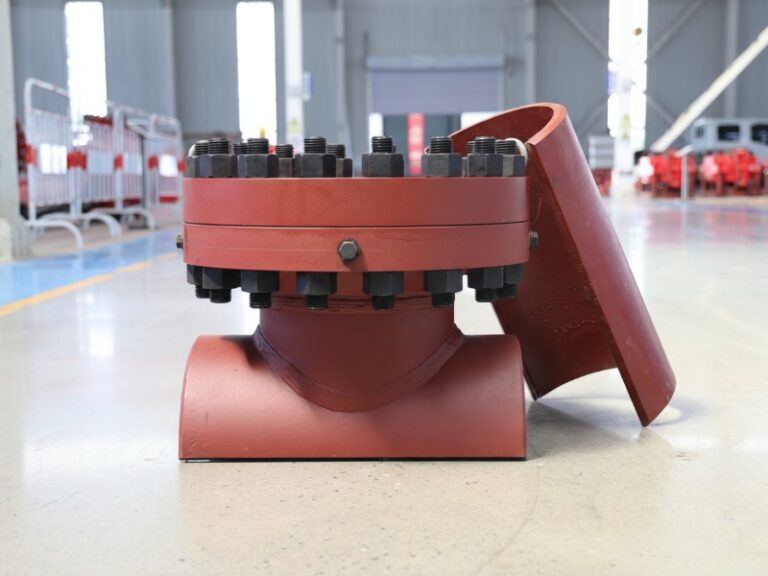
The optimal pipeline plug manufacturer for high-temperature applications is one that provides material-specific engineering data, such as continuous operating temperature ratings verified by ASTM standards, and offers customizable sealing elements (like Viton or Silicone) capable of withstanding sustained heat above 200°C (392°F). Choosing the right partner involves evaluating not just maximum temperature thresholds, but also chemical compatibility, pressure de-rating curves, and the manufacturer’s engineering support for specific operations like hot tapping or trenchless pipe rehabilitation. This guide will analyze the critical technical specifications, compare leading manufacturer types, and outline the decision-making process to ensure safe and reliable pipeline maintenance and restoration.
1. What Defines a High-Temperature Pipeline Plug Solution?
A high-temperature pipeline plug solution is defined by its ability to maintain a leak-tight seal and structural integrity when exposed to continuous or intermittent elevated thermal loads. This is not merely a feature but the result of a specific engineering interplay between the plug’s body material and its sealing element. For pipeline modification or repair, the consequences of material failure at high temperatures—such as extrusion, hardening, or loss of sealing force—can lead to catastrophic operational failures and safety hazards.
The Critical Role of Material Science
The foundation of any high-performance plug lies in its construction. For the body, which provides the mechanical strength, manufacturers typically rely on metals like stainless steel (SS304/SS316) for demanding environments or engineered plastics like Nylon 6 for less severe conditions. However, the true “solution” is dictated by the elastomer used for the sealing rings. As noted by manufacturers specializing in heavy-duty applications, the availability of different sealing ring materials is crucial for resistance to different temperatures and chemicals.
- Standard Applications: Natural rubber or Nitrile seals are cost-effective but are generally limited to continuous use below 80-100°C (176-212°F).
- High-Temperature Solutions: For sustained performance above these thresholds, manufacturers must offer seals made from Silicone or Viton.
- Silicone excels in high-heat, low-pressure environments and can be used continuously up to 200°C (392°F) and intermittently up to 300°C (572°F).
- Viton (FKM) is the preferred choice when high temperatures combine with exposure to oils, fuels, and aggressive chemicals, with continuous ratings up to 220°C (428°F).
A truly robust high-temperature solution is one where the manufacturer provides clear, certified data on these limits, allowing a contractor or Material Supplier to match the plug precisely to the operational parameters of the oil, air, water, or chemical line.
2. Key Manufacturers and Their High-Temperature Solutions
While many companies manufacture pipeline plugs, only a select few specialize in the rigorous demands of high-temperature environments. The choice often depends on the specific application, whether it’s a one-time maintenance task or a permanent installation.
STATS Group: Engineering for Extreme Safety and Heat
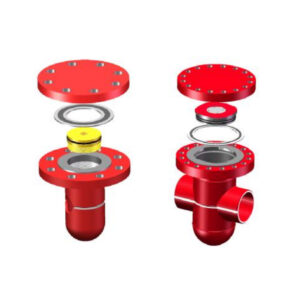
STATS Group is a leader in providing integrated intervention solutions, particularly for the oil and gas sector. Their newly launched SureTap® Plug exemplifies a high-temperature solution designed for critical safety during hot tapping and line stopping. It maintains Double Block and Bleed (DBB) isolation using two independent compression seals, a feature vital when working on pipelines containing high-temperature hydrocarbons. The plug is engineered for harsh conditions, including high-pressure liquid CO₂ and hydrogen, and has a design life of 25 years, making it suitable for permanent pipeline abandonment. For operations where oil and gas are transported at elevated temperatures, STATS provides an engineered solution with verifiable seal integrity.
Huntingdon Fusion Techniques HFT® (Pipestoppers®)
HFT®’s Pipestoppers® division offers a clear example of how a manufacturer can cater to a spectrum of thermal requirements. Their standard Nylon plugs with natural rubber rings are suitable for basic use up to 100°C -3. However, for “heavier duty applications” involving higher temperatures or acidic/alkaline environments, they manufacture Steel Plugs. These are available with a range of sealing rings, including Viton and Silicone, to provide robust resistance. This modular approach allows a single equipment manufacturer to solve diverse customer problems, from simple pipe plugging to complex industrial leak testing -1. Their explicit temperature data for different material combinations provides the authority and transparency engineers require.
PLIDCO: The Metal-to-Metal Solution
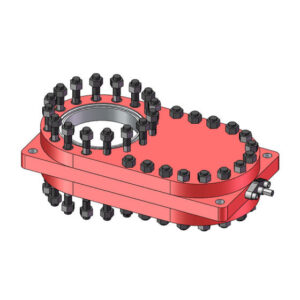
For the most extreme high-temperature scenarios, particularly those involving high pressure, an elastomer-based seal might reach its limit. PLIDCO’s Shear+Plug offers an alternative by providing positive metal-to-metal contact. This design eliminates the reliance on polymer seals, instead using a machined metal blind plate to isolate the line. The system is designed using ASME Section VIII, Division 1 standards and is specifically engineered for high-pressure, high-temperature pipelines without service interruptions -10. This represents a best-in-class solution for permanent or long-term modifications where absolute integrity is non-negotiable. PLIDCO further reinforces its authority with a 10-year limited warranty, extendable to 25 years, a rare offering in the industry.
3. How to Evaluate and Select a Manufacturer for Your Project
Selecting the right pipeline plug manufacturer involves more than comparing product catalogs. It requires a strategic evaluation of their technical capabilities, quality systems, and suitability for your specific project requirements, whether you are a contractor performing construction or a maintenance team conducting restoration.
Technical Capability Screening
A qualified manufacturer must be able to verify that their products meet relevant standards like ASTM F512 or ASME B16.11. For high-temperature applications, request test reports on burst pressure at elevated temperatures and material composition. Inquire about their ability to customize solutions, such as the elastomer compound or the plug’s geometry to fit imperfect pipe interiors, a common issue in older pipelines. The best equipment manufacturers will have in-house engineering teams capable of Finite Element Analysis (FEA) to predict plug performance under combined thermal and pressure loads.
Operational and Quality Indicators
Beyond the product, assess the manufacturer’s reliability. Key performance indicators for global sourcing include on-time delivery rates (above 97% is strong) and response times to technical inquiries (under 8 hours suggests dedicated engineering support). A robust quality control process is essential. This should include:
- Pre-Production Verification: Audits of their production lines and testing equipment.
- Sampling and Batch Testing: Physical testing of samples for dimensional accuracy, surface finish, and thread smoothness. For high-temperature services, this might also involve thermal cycling tests in a lab environment.
- Certifications: Verification of certifications like ISO 9001 for quality management systems and material-specific certifications like NSF/ANSI 61 if the line is for potable water.
Making the Final Choice
The “best” manufacturer is the one whose engineering data and service model align with your risk profile and operational needs.
- For hot tapping on a live, high-pressure, high-temperature gas line, a specialized, engineering-driven firm like STATS Group or PLIDCO is often the only acceptable choice due to their focus on fail-safe mechanisms and verifiable seals.
- For more routine maintenance, like sealing a pipe stopple during a trenchless pipe rehabilitation project where temperatures are moderately high, a manufacturer like Huntingdon Fusion Techniques offers proven, off-the-shelf material combinations with clear temperature ratings.
- For large-scale procurement, Alibaba suppliers in regions like Zhejiang can offer cost-effective solutions, but this requires rigorous due diligence, including third-party inspections (SGS, Bureau Veritas) to ensure the material grade (e.g., genuine SS316) and heat resistance match the specifications.
| Manufacturer | Core High-Temp Solution | Key Differentiator | Typical Application |
|---|---|---|---|
| STATS Group | SureTap® Dual-Seal Plug | Testable DBB isolation for safety | Live hot tapping, HP/HT hydrocarbons |
| Huntingdon Fusion | Steel Plugs with Viton/Silicone seals | Modular design, wide size range (2-48″) | Industrial leak testing, pipe stopping |
| PLIDCO | Shear+Plug | Metal-to-metal seal, ASME compliance | Permanent modification, extreme HP/HT |
| Zhejiang Kequan | Custom Stainless Steel Plugs | High precision, OEM services, cost-effective | Recurring production runs, equipment supply |
4. Step-by-Step: The Process of Implementing a High-Temperature Plug
Understanding the services provided by a contractor or the steps required for internal teams is crucial. The implementation of a high-temperature plug, particularly in a live pipeline, is a high-stakes operation that demands precision.
- System Analysis and Material Verification: Before any field work, confirm the pipeline’s operating temperature, pressure, and the chemical composition of its contents. Cross-reference this data with the manufacturer’s material compatibility charts. For example, if the line contains skydrol aviation hydraulic fluid at 200°C, a Silicone seal is required. This step involves the company’s engineering team and the plug Material Supplier.
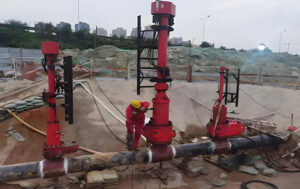
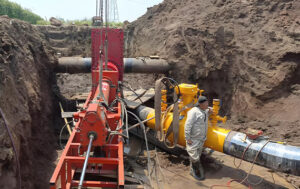
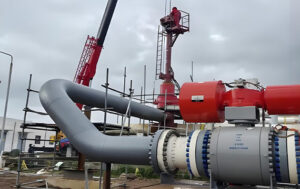
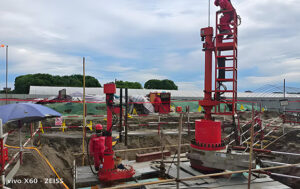
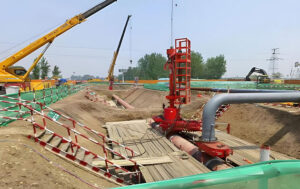
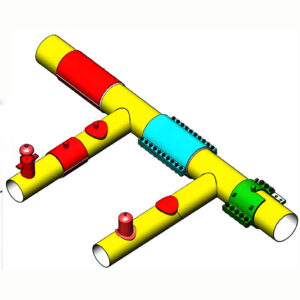
- Site Preparation and Access: For live line operations, a hot tapping procedure is often required. This involves welding a fitting onto the pipeline and attaching a valve. A specialized drilling machine is then used to cut into the pipe without losing containment.
- Plug Deployment: The high-temperature plug is inserted through the valve. In systems like the Petersen Hot Tap System, inflatable plugs are launched into the line. For mechanical plugs like the PLIDCO Shear+Plug, a hydraulic cylinder is used to position the sealing element. During this phase, accurate positioning is critical.
- Sealing and Verification: Once in position, the plug is actuated. For high-temperature plugs, this might mean inflating the seal element or compressing it mechanically. The seal’s integrity must then be verified. Advanced systems, like the STATS SureTap®, allow for the intermediate annulus between the dual seals to be pressure-tested, confirming 100% isolation before downstream work begins.
- Maintenance or Modification: With the line safely isolated and verified, the downstream section can be depressurized and the required maintenance, repair, or construction work can commence.
- Plug Retraction and Line Restoration: Upon completion, the plug is safely retracted, the hot tap valve is closed, and the fitting is capped. This restores the pipeline to its full operational status.
5. Frequently Asked Questions About High-Temperature Pipeline Plugs
What is the maximum temperature a pipeline plug can withstand?
This depends entirely on the materials. Standard Nylon plugs are often limited to 100°C (212°F) for continuous use. For higher temperatures, manufacturers offer plugs with bodies made of steel or aluminum and seals made of Silicone (continuous use up to 200°C / 392°F) or Viton (continuous use up to 220°C / 428°F). Some specialized systems can handle intermittent spikes up to 300°C (572°F).
How does temperature affect a plug’s pressure rating?
Pressure ratings are temperature-dependent. A plug rated for 500 PSI at 200°F may have a significantly lower rating, perhaps 300 PSI, at 350°F. This phenomenon, known as de-rating, occurs because elastomers soften at higher temperatures. A reputable pipeline plug manufacturer will provide pressure-temperature de-rating charts, and it is critical to consult these before selection.
Can I use a standard rubber plug in a high-temperature chemical line?
Rarely. Standard rubber like Nitrile is not suitable for sustained high heat or aggressive chemical exposure. For high-temperature chemical lines, you must select a plug with a body and seal that are chemically compatible and thermally rated. Viton is often the go-to choice for its broad chemical resistance and high-temperature tolerance.
How do I know if my pipeline plug meets safety standards?
Look for manufacturers who design and test their products against recognized codes like the ASME Boiler and Pressure Vessel Code (e.g., ASME Section VIII, Division 1). For drinking water systems, certifications like NSF/ANSI 61 are essential. Always request material test reports and certification documents from the supplier to ensure compliance.
Selecting the best pipeline plug manufacturer for high-temperature applications is a critical engineering decision that directly impacts safety, operational efficiency, and project cost. The ideal partner demonstrates authority through transparent, test-based engineering data, offers material choices that span standard elastomers to high-performance Viton and metal-to-metal seals, and supports their products with robust warranties and engineering consultation.
For your next project, we recommend beginning with a clear technical specification of your operating parameters. Request detailed proposals from shortlisted manufacturers like STATS Group, Huntingdon Fusion Techniques, and PLIDCO, and critically compare their temperature de-rating curves and safety verification methods. By prioritizing technical alignment over upfront cost, you ensure a pipeline solution that delivers reliable performance under the most demanding conditions, safeguarding your assets and personnel for the long term.
JSW Brand Introduction
JSW: Your Engineering Partner for High-Temperature Pipeline Integrity
At JSW, we understand that selecting the right pipeline plug manufacturer is more than a procurement decision—it’s a commitment to safety and operational continuity. While this guide highlights global leaders in high-temperature solutions, JSW bridges the gap between world-class engineering and the specific needs of your project. As a dedicated Material Supplier and service-oriented company, we don’t just provide products; we deliver integrated services that encompass expert consultation, custom equipment manufacturing, and on-site support for contractor and construction teams.
Our factory-direct capabilities allow us to supply high-integrity pipeline plugs, stopple systems, and hot tapping equipment tailored for the most demanding oil, gas, air, and water applications. Whether you require a bespoke pipeline stopper for a high-temperature pipeline modification or a complete package for trenchless pipe rehabilitation, our team ensures you receive a solution backed by rigorous data and a focus on safe maintenance and restoration.
Contact JSW today to discuss your project requirements and discover how our engineered solutions can provide the certainty you need for your next critical operation.







 English
  Arabic
  Russian
  Spanish
  French