The leading global manufacturers of hot tapping and plugging equipment include established multinational solution providers like TD Williamson, STATS Group, and Enerpac, specialized engineering firms such as Schallert Enterprises and Petersen Products, and a growing number of capable regional manufacturers. This article provides a comprehensive analysis of these key players, explaining the critical technology they provide, comparing their market positions and specialties, and offering a practical framework for selecting the right equipment and services for your specific pipeline maintenance, modification, or construction project.
Understanding Hot Tapping and Plugging: Technology and Market Context
Before evaluating manufacturers, it is essential to understand the equipment’s function and its significant role in modern industrial operations.
What Are Hot Tapping and Pipeline Plugging?
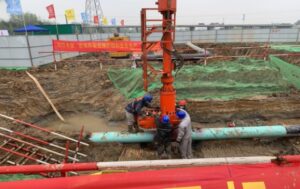
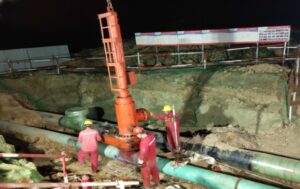
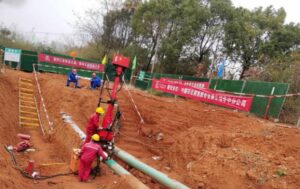
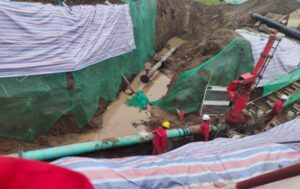
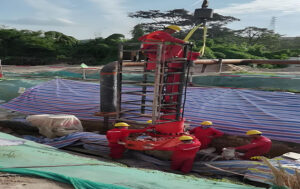
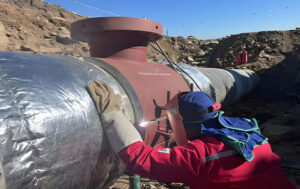
Hot tapping (or pressure tapping) is the specialized process of drilling into a live, pressurized pipeline—carrying oil, gas, water, or chemicals—to create a new connection without interrupting service. Immediately following, pipeline plugging (or line stopping) involves inserting a sealing device through that tap to isolate a section of the line for safe maintenance, repair, or modification. Together, they form the cornerstone of trenchless pipe rehabilitation and pipeline modification, eliminating the need for costly complete shutdowns, product loss, and extensive excavation.
Core Technical Principles and Industry Value
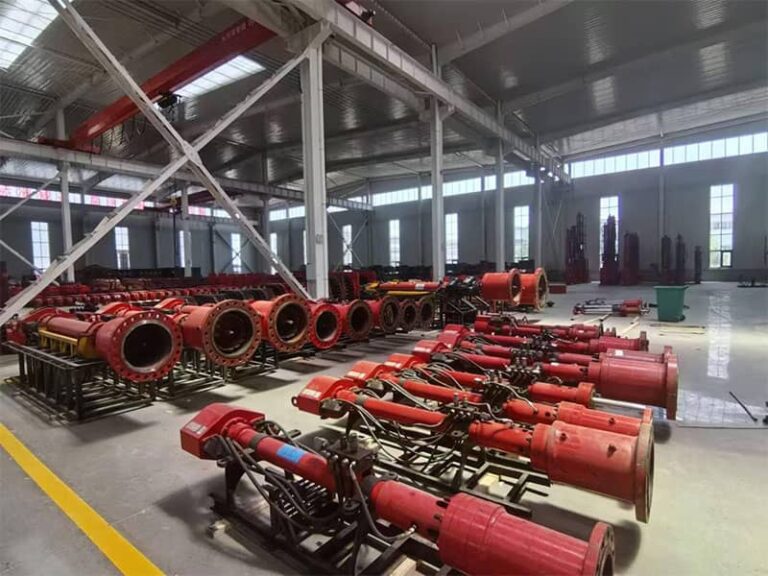
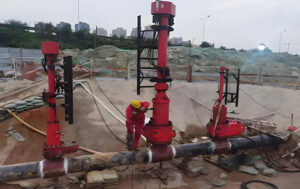
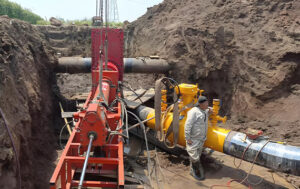
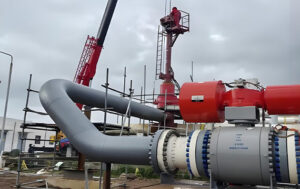
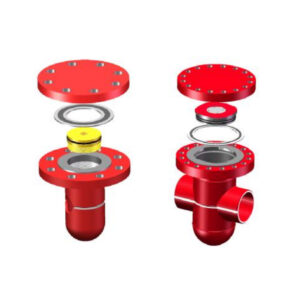
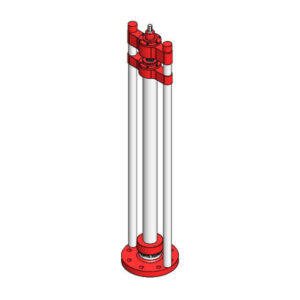
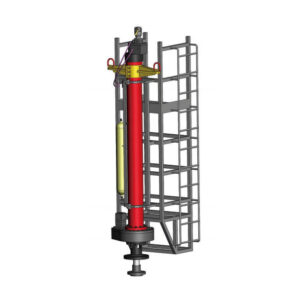
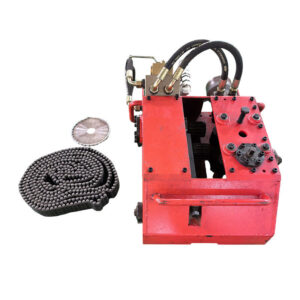
The core challenge is achieving a leak-tight seal under pressure. This is accomplished using a hot tapping machine that securely attaches to the pipe, a cutting tool that bores through the pipe wall, and a pipeline stopple or plugging head that is deployed to block the flow. The primary value proposition is immense economic and operational efficiency. By avoiding shutdowns, operators maintain revenue flow and prevent the safety and environmental risks associated with depressurizing and purging large pipeline segments.
Global Market Overview: Scale and Drivers
The global market for this equipment is substantial and growing, driven by aging infrastructure and the need for safe, efficient interventions. One industry analysis reported the global market for pressure tapping and plugging equipment was valued at approximately $12.8 billion (¥91.9 billion) in 2024 and is projected to grow steadily. The demand spans across oil & gas transmission, petrochemical, municipal water, and power generation industries.
A Detailed Analysis of Leading Global Manufacturers
The competitive landscape can be segmented into tiers based on global reach, product breadth, and technological sophistication.
Tier 1: Multinational Technology and Solution Giants
These equipment manufacturer companies offer full-scope solutions, from equipment rental and sales to engineering support and field services. They are often involved in large-scale, high-criticality projects.
- TD Williamson (TDW): A historic leader with a comprehensive portfolio for pipeline services, including hot tapping, plugging, and pipeline integrity solutions.
- STATS Group: Renowned for its advanced, patented isolation technologies. Their BISEP® pipeline stopper provides a verified double block and bleed isolation through a single tap, significantly enhancing worksite safety and efficiency.
- Enerpac: Known for its high-power hydraulic tools, offering a range of systems for heavy-duty plugging and tapping applications across industries.
Tier 2: Specialized Engineering and Equipment Firms
These manufacturers are often deeply focused on specific equipment types, pressure ratings, or industry niches, offering exceptional expertise in their domain.
- Schallert Enterprises: A prominent name frequently cited in market reports as a key player in the hot tapping machinery segment.
- Petersen Products: Another established specialist, particularly in mechanical stopping and tapping equipment for various pipe materials.
- Minitap, REED, Aquatap: These companies are recognized as significant participants in the global hot tapping machine market, often catering to specific geographic regions or industrial solutions.
Emerging Forces and Regional Manufacturers
The market also includes capable factory sources and regional specialists, particularly from Asia, who contribute to the supply chain and serve local markets with cost-competitive equipment. Companies in this segment are crucial Material Supplier partners for many projects.
Global Hot Tapping and Plugging Equipment Manufacturers at a Glance
Table: A comparative overview of leading manufacturers across key categories.
| Manufacturer Name | Primary Focus | Notable Technology / Strength | Typical Industries Served |
|---|---|---|---|
| TD Williamson | Full-Service Solutions | Integrated tapping, plugging & pipeline modification services | Oil & Gas, Petrochemical |
| STATS Group | High-Integrity Isolation | Patented BISEP® double block & bleed pipeline stopple-3 | Oil & Gas, Hydrogen, CCS |
| Enerpac | Heavy-Duty Hydraulic Tools | High-pressure hydraulic systems | Construction, Industrial, Energy |
| Schallert Enterprises | Hot Tapping Machines | Specialized tapping equipment design | Multi-Industry |
| Petersen Products | Mechanical Stopping | Mechanical plugging devices | Water, Gas, Industrial |
How to Select a Manufacturer: A Project-Based Decision Matrix
Choosing the right equipment manufacturer is not about finding the “best” in absolute terms, but the most suitable for your project’s specific parameters.
Key Dimensions for Evaluation
Consider these factors when vetting potential suppliers:
- Technical Specifications: Pressure and temperature ratings, pipe diameter and material range, and compatibility with existing assets.
- Safety & Certification: Does the equipment have relevant industry certifications (e.g., ASME, DNV)? What is the safety philosophy, such as fail-safe design or double isolation capability?
- Service & Support Model: Does the company offer rental, sale, or turnkey services? What is the availability of field technicians and engineering support?
- Total Cost of Ownership: Look beyond initial purchase/rental price to include costs for training, maintenance, parts availability, and potential production downtime.
Selection Guidance by Application Scenario
- High-Pressure Oil & Gas Transmission: Prioritize Tier 1 manufacturers with proven, certified technologies for double isolation. Safety records and the ability to handle high pressures (e.g., 153 bar/2200+ psi as cited for some tools) are paramount.
- Municipal Water & Gas Distribution: Tier 2 specialists often provide excellent, reliable equipment tailored to common pipe sizes and materials in these utilities. Support from local contractor networks is valuable.
- Plant Maintenance & Modifications (Chemical, Power): Consider the need for chemical compatibility and the balance between equipment flexibility (modular systems) and the convenience of full-service packages from a contractor.
Future Trends and Strategic Procurement Considerations
Technological Evolution: Smart, Modular, and Sustainable
The industry is moving toward smarter equipment with integrated sensors for real-time monitoring of pressure, vibration, and seal integrity during operations. Modular designs that adapt to multiple pipe sizes are increasing job-site efficiency. Furthermore, as the energy transition accelerates, technologies proven for hydrogen and carbon dioxide pipelines are gaining importance, with leaders like STATS Group already active in this space.
The Critical Importance of Safety and Lifecycle Cost
Ultimately, the decision must be grounded in risk management. The cheapest equipment can become the most expensive choice if it leads to a failure. Always verify the safety protocols and testing standards behind the equipment. Engage with manufacturers who transparently discuss the solutions for your project’s specific pipeline modification, Restoration, or maintenance challenges.
Disclaimer & Author Information:
This article is for informational purposes. The selection and use of hot tapping and plugging equipment must be performed by qualified professionals following all applicable safety codes and regulations. The manufacturer list is representative, not exhaustive.
*Author: [Your Name/Website Name’s Editorial Team], Pipeline Infrastructure Specialist. This guide was compiled based on industry reports and analysis to provide an objective overview. Last Updated: January 2026.*
JSW Pipeline Solutions
In the complex landscape of global pipeline solutions, JSW Pipeline Solutions stands as a committed partner focused on delivering precision, reliability, and safety. While multinational giants dominate large-scale projects, we specialize in providing high-integrity hot tapping and pipeline plugging equipment and services for critical mid-stream and plant-based applications.
Our core advantage lies in a practical, client-centric approach:
- Engineered for Specificity: We understand that off-the-shelf solutions often fall short. Our equipment is selected and configured to meet the precise pressure, material, and environmental demands of your project, whether it involves oil, water, air, or specialized process fluids.
- Uncompromising Safety Protocol: Every piece of equipment in our fleet undergoes rigorous testing and maintenance. We prioritize technologies that incorporate verifiable safety features, believing that true efficiency is impossible without guaranteed worksite safety.
- Direct Expert Support: When you partner with JSW, you gain direct access to our engineering team. From initial feasibility assessment to on-site execution support by our certified contractor teams, we are invested in the success of your pipeline modification or maintenance operation.
We invite project engineers, maintenance managers, and construction leads who value a direct, technically sound partnership to consult with our experts. Let us analyze your upcoming pipeline stopper or trenchless pipe rehabilitation challenge and demonstrate how the JSW approach delivers not just equipment, but a measurable return on investment through operational certainty and risk mitigation.




 English
  Arabic
  Russian
  Spanish
  French