
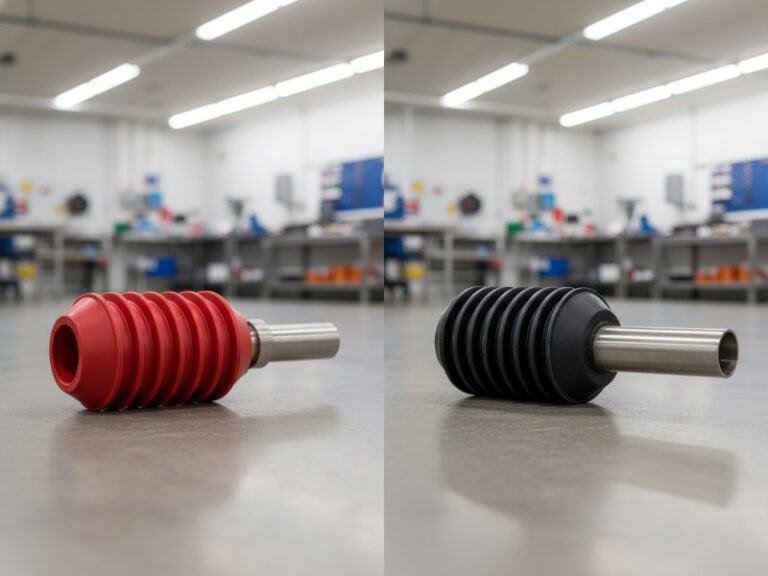
You need a bypass plug when you must temporarily isolate a section of pipeline for maintenance or repair but cannot shut down the flow of water, oil, air, or other media through the rest of the system. This decision hinges on keeping critical services online. While a blocking plug simply stops flow in a pipe, a bypass plug redirects it, ensuring continuous operation upstream and downstream of the work area. This guide will explain the fundamental differences between these tools, detail the specific scenarios demanding a bypass, and provide the technical data you need to select the right solution from your Material Supplier or equipment manufacturer.
1. What is the Core Difference Between a Blocking Plug and a Bypass Plug?
The fundamental difference lies in their design and purpose: a blocking plug is a dam, while a bypass plug is a detour.
The Mechanism: Stopping vs. Diverting
- Blocking Plugs (The Dam): A blocking plug, also known as a test ball or stopper, is an inflatable or mechanical device designed to create a complete seal within a pipe. Its sole function is to stop the flow of liquids, gases, or debris entirely. They are essential for tasks like maintenance on a isolated section, pressure testing new installations, or preventing backflow.
- Bypass Plugs (The Detour): A bypass plug features a hollow core or an attached hose that runs directly through its center. When inserted and inflated, the outer seal blocks the pipe, but the internal passage allows the media to flow through the plug and around the isolated section, often with the help of an external pump or connecting hose. This allows for continuous system operation.
Comparative Analysis: Blocking vs. Bypass Plugs
The table below summarizes the key operational differences to help you quickly identify the correct tool for your project.
| Feature | Blocking Plug | Bypass Plug |
|---|---|---|
| Primary Function | Complete shut-off of flow | Flow diversion around a work site |
| Flow State | Stopped | Continued via internal tube or external hose |
| Typical Use Case | Pressure testing, sewer air tests, dead-end sealing | Pipe repair, manhole rehabilitation, valve replacement |
| System Impact | Downstream service interrupted | Downstream service maintained |
2. When Do I Need a Bypass Plug? (Critical Scenarios)
A bypass plug is not always the default choice, but it becomes critical in specific high-stakes situations where service interruption is not an option.
Scenario A: Maintaining Critical Services During Municipal Repair
Imagine a hospital, a school, or a manufacturing plant that relies on a constant water supply or sewer service. If you need to repair a damaged section of that main line, using a blocking plug would cut off their service, potentially for hours or days.
- The Bypass Solution: In this case, you need a bypass. For construction or repair on a live sewer main, technicians will often use two bypass plugs. One is placed upstream of the work site and another downstream. A hose is connected between the bypass ports of the two plugs (or to a pump), effectively creating a temporary pipeline that carries the flow around the isolated section. The work area remains dry and safe, while the hospital’s water and sewer service continues uninterrupted.
Scenario B: Enabling Trenchless Pipe Rehabilitation
Trenchless pipe rehabilitation methods like cured-in-place pipe (CIPP) lining often require diverting flow away from the section being lined.
- The Bypass Solution: Before inserting the liner, flow must be diverted. A large-diameter bypass plug or a series of plugs can be used to redirect the entire flow of a pipeline to a temporary above-ground pumping system. This allows the contractor to perform the hot tapping and lining process in a dry environment without digging a massive trench to install a new pipe. This is a prime example of how a bypass plug facilitates modern, efficient trenchless techniques.
3. How to Select the Right Bypass Plug: 5 Key Technical Factors
Choosing the correct bypass plug is a matter of engineering, not guesswork. Using the wrong plug can lead to catastrophic failure. Consult with your equipment manufacturer or a specialist to ensure you meet these five critical specifications.
Factor 1: Line Size and Bypass Volume
First, you must know the exact inside diameter of your pipe. Plugs are designed to seal within a specific size range. Second, and equally important, you must determine the required bypass flow rate.
Critical Data: You need to know the volume the bypass must handle, typically measured in gallons per minute (GPM) or cubic meters per hour. This information, usually provided by a project engineer, dictates the required diameter of the plug’s internal bypass tube.
Factor 2: Pressure, Temperature, and Chemical Compatibility
Plugs must be rated for the specific conditions of your pipeline. Ignoring these factors can cause the plug to rupture or disintegrate.
- Pressure (PSI/Head): Determine the maximum back pressure the plug will face. This is measured in PSI for air/gas or “feet of head” for liquids like water. Never exceed the plug’s pressure rating.
- Temperature: Standard natural rubber plugs are typically not recommended for temperatures above 125°F (52°C). For higher temperatures, you may need plugs made from synthetic materials like polyurethane or specialized composites that can withstand up to 400°F.
- Chemical Resistance: If your pipeline carries oil, hydrocarbons, or petrochemicals, a standard natural rubber plug will degrade rapidly. You must select a plug made from a compatible material, such as certain synthetic rubbers or custom polyurethane blends offered by specialized manufacturers.
4. Installation and Safety Protocols for Bypass Operations
Working with pipeline plugs involves significant force. A 24-inch plug under 20 psi of pressure can exert over 9,000 pounds of force. Safety is paramount.
The Danger Zone and Safe Deflation
- Understanding the Danger Zone: The area in front of the plug is the “Danger Zone.” If the plug fails, it and the column of fluid behind it can become a high-velocity projectile. Never stand in this zone while the plug is under pressure.
- Step-by-Step Deflation Procedure: Proper removal is as critical as installation.
- Relieve Back Pressure: From a safe distance outside the danger zone, use valves or pumps to release all pressure from the pipe section being worked on.
- Deflate the Plug: Only after confirming all back pressure is gone should you begin to deflate the plug, remaining outside the danger zone. Ensure the plug is fully deflated before attempting removal.
- Inspect: After removal, clean the plug with mild soap and water and inspect it for cuts, bulges, or abrasions. Do not use it again if damaged.
5. Pipeline Modification and Long-Term Solutions
While bypass plugs are temporary tools, they are often the key enabler for permanent pipeline modification projects.
Bypass Plugs in Hot Tapping and Line Stopping
In complex operations like hot tapping and line stopping, bypass plugs play a crucial supporting role.
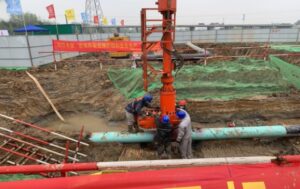
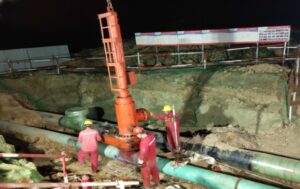
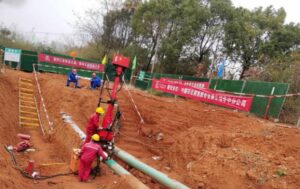
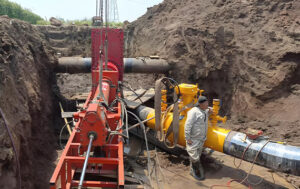
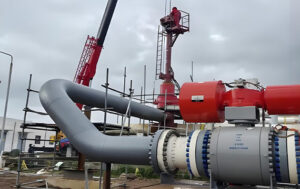
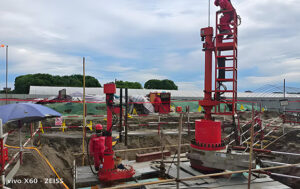
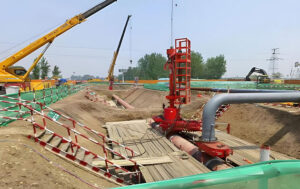
- The Process: A pipeline stopper (a type of bypass plug) is inserted through a valve attached to a tapped hole. It is then positioned and inflated to block the pipe. The bypass port on the stopper is connected to a bypass line that routes the flow around the section to be cut out or repaired. This allows for the safe removal of a pipe segment or the installation of a new branch line without a system-wide shutdown. This entire process requires precision equipment from a trusted factory and experienced contractors.
6. Expert Insights: Industry Applications and Best Practices
After decades of supporting pipeline maintenance, our team has observed that the choice between blocking and bypass plugs ultimately comes down to understanding the cost of downtime.
JSW’s Perspective on Pipeline Integrity
For a municipal water authority, a burst water main might require an immediate fix. A blocking plug is quick and effective for isolating the burst section if the downstream area can be temporarily shut off. However, for a refinery or a pharmaceutical plant, where every minute of downtime costs tens of thousands of dollars, the choice is clear: a bypass is always required. Our testing and field experience consistently show that investing in the correct bypass solution upfront saves 10x the cost in avoided service interruption penalties and emergency fees.
- Restoration and Maintenance: Whether you are working on air lines in a manufacturing plant or large-diameter water mains for a municipality, the principles remain the same. Bypass plugs are the tools of choice for proactive maintenance that cannot afford to disrupt service. They are the linchpin of modern restoration projects, allowing aging infrastructure to be renewed without public backlash over service outages.
Author: Senior Pipeline Solutions Engineer, JSW
Updated: May 24, 2024











 English
  Arabic
  Russian
  Spanish
  French
  Vietnamese
  Polish
  Thai
Thai  Indonesian
  Turkish
  Portuguese