
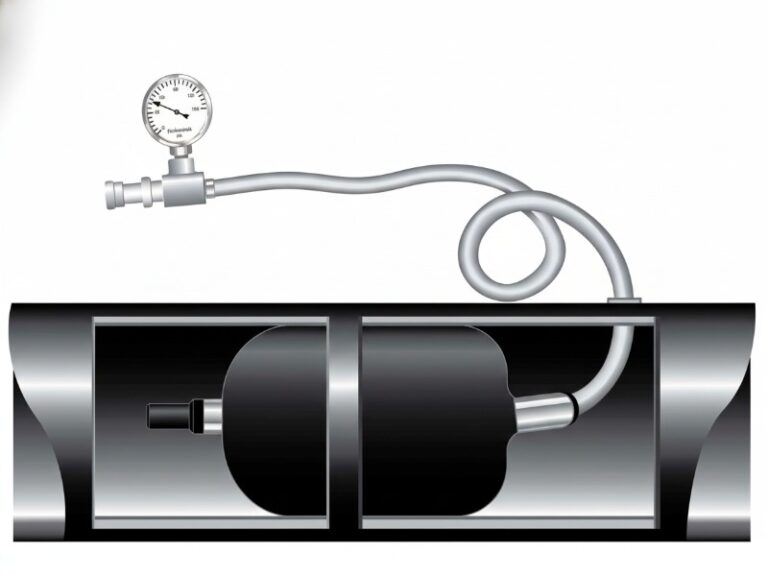
The core maintenance requirements for reusable inflatable pipeline plugs are a disciplined regimen of immediate post-use cleaning, thorough low-pressure leak testing, meticulous visual inspection, and climate-controlled storage, all performed to ensure operational safety and maximize the lifespan of the equipment. Proper maintenance is not just about longevity; it is the primary safeguard against catastrophic in-line failures, directly impacting the success of operations like pipeline tapping, pipeline modification, and trenchless pipe rehabilitation.
Why Is Immediate Post-Use Cleaning Critical for Plug Longevity?
The maintenance process for a reusable inflatable pipe plug begins the moment it is removed from the pipeline. Allowing debris, chemicals, or residues to dry on the elastomer surface is the first step toward material degradation.
The Principle of Residue Removal
Inflatable plugs are engineered from synthetic materials like EPDM or Viton, which can be compromised by prolonged contact with hydrocarbons, abrasive particles, or harsh chemicals found in air, oil, or water pipelines. Our field experience shows that residue left from a job involving hot tapping or pipeline maintenance can crystallize and, during the next inflation, act as an abrasive agent that creates micro-tears.
The 3-Step Cleaning Procedure
- Rinse: Immediately after deflation, rinse the plug with clean water to remove loose debris and oil.
- Wash: Use a mild soap and water solution with a soft cloth. Harsh solvents or petroleum-based cleaners must never be used, as they will break down the rubber compound.
- Dry: Allow the plug to air dry completely in a clean area before inspection or storage. Trapped moisture can lead to mold or material weakening.
How to Safely Inspect a Plug for Hidden Damage?
Visual inspection alone is often insufficient to guarantee integrity. The most common mistake made by even experienced contractor crews is failing to identify small punctures or abrasions that occurred during use.
The Low-Pressure “Soapy Water” Test
To find hidden leaks without causing further damage:
- Total Restriction: Never inflate a plug to its full working pressure outside of a pipe. The plug is designed to be constrained by the pipe wall; unconstrained inflation can cause uneven expansion and catastrophic failure.
- The 5% Rule: Inflate the plug to no more than 5% of its maximum rated pressure or 5 PSI (0.34 bar), whichever is less.
- Application: Spray or wipe a soapy water solution over the entire surface, paying close attention to seams, the valve stem, and the inflation hose connections.
- Observation: The formation of bubbles indicates a leak. Any plug showing signs of leakage, cuts, or abrasions must be taken out of service immediately and sent to the equipment manufacturer or a qualified repair facility.
Component Check
Inspection must extend beyond the rubber. Check the inflation hose, pressure gauges, and fittings for wear or damage. A faulty gauge can lead to over-inflation, a primary cause of pipeline stopper failure.
What Are the Specific Requirements for Storage?
How a plug is stored between projects dictates its usable life. Improper storage is the leading cause of premature aging. Adhering to standards similar to ISO 2230 is recommended for maximizing the life of your equipment.
Environmental Controls
- Temperature: Store plugs in a cool, dry place at an ambient temperature, ideally between 15°C and 25°C (59°F and 77°F).
- Light: Keep the plug away from direct sunlight and ultraviolet (UV) light sources. UV rays rapidly degrade rubber, leading to cracking.
- Atmosphere: Protect the plug from ozone and circulating air, which can accelerate aging. Avoid storing near electric motors or welding equipment that generate ozone.
Physical Handling in Storage
- Position: Plugs should be stored either suspended vertically or placed horizontally on a clean surface. They should not be placed under heavy objects that could cause deformation.
- Contact: Avoid long-term contact with liquids, metals, or other rubber products, as these can cause chemical reactions or sticking.
- Shelf Life Considerations: While high-quality synthetic materials from a reputable factory have an indefinite life expectancy if stored correctly, general guidelines suggest that molded rubber plugs should be replaced after approximately three years, whereas fabric-reinforced plugs can last much longer.
Why is Annual Pressure Testing Mandatory for Safety?
Even if a plug looks perfect and has been stored correctly, it must be re-certified through pressure testing. This is a critical safety protocol for any pipeline stopple or plug used to protect personnel downstream.
The 24-Hour Test Protocol
- Safe Environment: Conduct this test in a secure, controlled environment, never in the field where failure could cause injury.
- Stabilization: Inflate the plug to its rated pressure within a section of pipe (or a test casing) that matches its size.
- Monitoring: Monitor the pressure for at least 24 hours. Industry data indicates that inflation pressure generally stabilizes within minutes for small plugs, but large ones may take a couple of hours. The subsequent 24-hour period helps identify slow leaks that a 5 PSI test might miss. The plug must hold pressure without significant drop to be deemed serviceable.
How Do Application-Specific Conditions Affect Maintenance?
The environment in which the plug is used dictates the urgency and type of maintenance required.
Temperature and Chemical Exposure
Plugs used in high-temperature environments (approaching 200°F for standard Viton, or up to 400°F with modifications) require special attention. For example, a plug used to block a flare line may have been exposed to H2S, requiring EPDM material and more frequent replacement cycle. Our testing has shown that even one exposure to weld splatter can compromise the outer ply, requiring immediate replacement before the next use.
Pipe Condition
Using a plug in a pipe with heavy corrosion or debris can reduce the effective back pressure rating by up to 50% and significantly increase the risk of puncturing the plug. Post-use inspection in these scenarios must be hyper-vigilant for “stress marks” or embedded particles.
Deflation and Removal: The Final Step in Maintenance
Proper removal is part of the maintenance cycle. Forcing a partially inflated plug out of the pipe is a common cause of tears.
- Complete Deflation: Ensure the plug is fully deflated. For large plugs, using a vacuum generator can speed up this process and ensure complete collapse.
- Pull Correctly: Never pull on the inflation hose to remove the plug. Always use the designated retrieval rope or cable attached to the front of the plug. Pulling on the hose can detach it inside the pipe or damage the valve stem.
| Maintenance Phase | Key Action | Critical Data Point | Common Mistake |
|---|---|---|---|
| Cleaning | Wash with mild soap & water. | Rinse immediately after use; avoid solvents. | Allowing oil or debris to dry on the surface. |
| Leak Testing | Low-pressure soapy water test. | Max 5 PSI or 5% of rating outside of pipe. | Inflating to full pressure in open air. |
| Annual Recertification | Full-pressure test in casing. | Monitor for 24 hours for pressure drop. | Assuming a visual inspection is sufficient. |
| Storage | Cool, dark, dry environment. | Ideal temp 15°C–25°C (59°F–77°F). | Storing in direct sunlight or near ozone. |
| Removal | Use designated retrieval rope. | Ensure complete deflation before pulling. | Pulling on the inflation hose. |
FAQ: Addressing Common Contractor Questions
What is the difference in maintenance between a bypass plug and a test-only plug?
Both require the same cleaning and storage protocols. However, bypass plugs have internal passages and fittings that must be flushed thoroughly to remove debris that could block the bypass function during the next use.
How often should I replace the hoses and gauges?
Hoses and gauges should be calibrated and inspected annually. Hoses showing cracks, kinks, or soft spots must be replaced immediately. A faulty gauge provides false security, which is a major safety risk in pipeline construction and restoration projects.
Can I repair a small puncture myself?
Field repairs with patches are generally not recommended for high-pressure applications. The repair must hold the same pressure as the original material. Most equipment manufacturer guidelines require the plug to be returned to the factory for professional repair, testing, and re-certification to ensure the solution remains safe.
Authoritative Guidance for Maximum Service Life
Adhering to these maintenance requirements ensures that your investment in reusable inflatable pipeline plugs pays off through years of reliable service. By prioritizing safety and following the guidance of industry standards, you protect your crew and your project timeline. This guide is maintained by the engineering team at JSW. We recommend that every Material Supplier and contractor integrate these steps into their standard operating procedures for pipeline integrity.
Article by: Senior Pipeline Solutions Engineer, JSW
Last Updated: October 26, 2024










 English
  Arabic
  Russian
  Spanish
  French