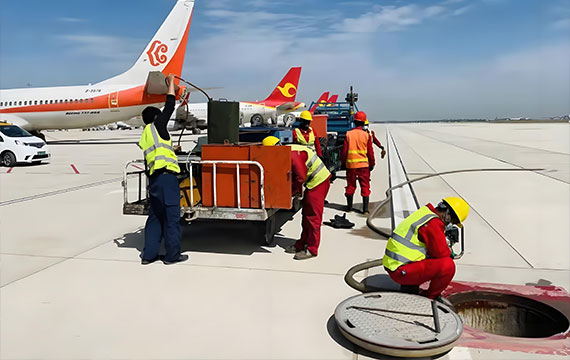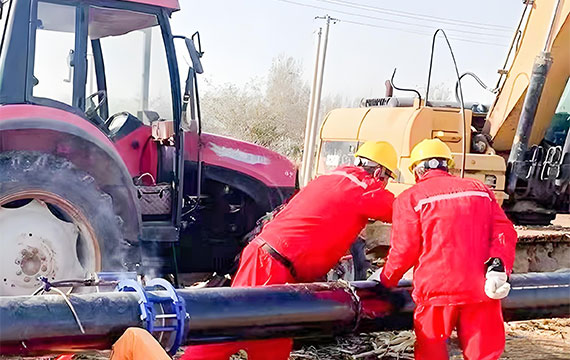
فريق من الفنيين المحترفين يرتدون معدات السلامة ويقومون بإجراء عملية ثقب ساخن على خط أنابيب صناعي بقطر كبير في موقع بناء.

تحليل التكلفة والعائد: العلامات التجارية الدولية مقابل خدمات التنصت الساخنة المحلية

For pipeline operators seeking to expand, connect to, or modify a pressurized system without a costly shutdown, a cost-benefit analysis of international brands versus local hot tapping services is the critical first step. The optimal choice depends on weighing project-specific factors like scale, compliance risk, and operational timelines against long-term strategic goals

اقرأ المزيد »
A team of professional industrial technicians in red safety gear and yellow hard hats performing a hot tapping procedure on a pressurized red pipeline at an industrial site.

كيف يتم تقييم المؤهلات المهنية لمزود خدمة التنصت الساخن؟

Evaluating a hot tapping service provider requires a meticulous assessment of their technical certifications, safety culture, equipment standards, and operational experience to ensure they can safely modify live pipelines. This process is critical because hot tapping involves drilling into pressurized systems carrying oil, gas, water, or chemicals, where errors can lead

اقرأ المزيد »
فنيان يرتديان زيًّا أحمر وخوذات أمان صفراء، يعملان على تشغيل معدات الحفر الساخن عالي الضغط على خط أنابيب أحمر في منشأة صناعية يتصاعد منها بخار مرئي.

مقارنة موثوقية ودقة معدات التنصت الساخن من مختلف العلامات التجارية.

The reliability and precision of hot tapping equipment vary significantly across brands, primarily determined by their engineering philosophy, material quality, and control systems; top-tier brands differentiate themselves through rigorous pressure testing (often exceeding ANSI/ASME B31 standards by 50%), micrometer-level cutter guidance, and robust after-sales support, whereas cost-driven brands may compromise

اقرأ المزيد »
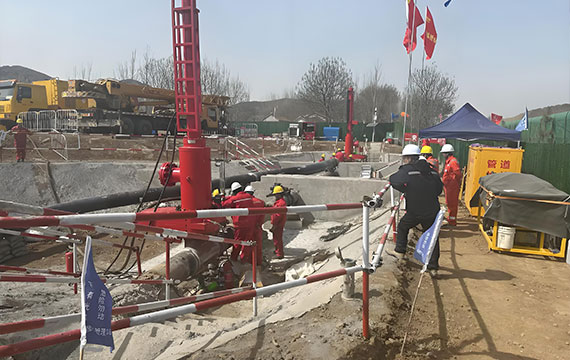
يقوم موظفون متخصصون بتشغيل ماكينة تنقيب ساخنة حمراء على خط أنابيب حي مضغوط داخل خندق مستقر للتعديل دون إغلاق النظام.

مقدمو خدمات التنصت الساخن مقابل شركات تعديل خطوط الأنابيب التقليدية: الإيجابيات والسلبيات.

Hot tapping service providers enable pipeline modifications on live, pressurized systems without shutdowns, offering superior operational continuity and cost savings compared to traditional modification companies that require full system depressurization and excavation. This definitive guide analyzes the pros and cons of both approaches, covering their technical principles, economic impacts, safety

اقرأ المزيد »
Industrial hot tapping machines performing a live pipeline modification at an outdoor excavation site to maintain pressurized service without shutdown.

ما هو الفرق الجوهري بين التنصت الساخن والتنصت التقليدي للإغلاق؟

The fundamental difference between hot tapping and traditional shutdown tapping is that hot tapping allows pipeline connections and modifications to be made while the system remains in live, pressurized service, whereas traditional shutdown tapping requires the complete cessation of operations, depressurization, and often drainage of the entire pipeline section-. This operational distinction

اقرأ المزيد »
A professional hot tapping pipeline service site featuring a large grey industrial pipeline with a red valve actuator and scaffolding for maintenance work.

What are the main technical standards governing hot tapping ?

The main technical standards governing hot tapping are ASME PCC-2, API RP 2201, and a suite of complementary ASTM and industry-specific codes, which collectively define the materials, procedures, welding, inspection, and safety requirements for making pressurized connections to live pipelines and vessels. This comprehensive guide details these critical standards, explaining

اقرأ المزيد »
Red hot tapping equipment connected to in-service natural gas pipeline (with yellow fittings) in excavation pit, for live pipeline connection project

كيف يتم منع تسرب مادة خط الأنابيب أثناء عملية الحفر الساخن؟

Leakage during the hot tapping process is prevented through a multi-layered system of specialized equipment, precise operational procedures, and rigorous adherence to industry standards, all designed to maintain a complete seal before, during, and after the intervention on a live pipeline. This critical process allows for pipeline repairs, modifications, or branch

اقرأ المزيد »
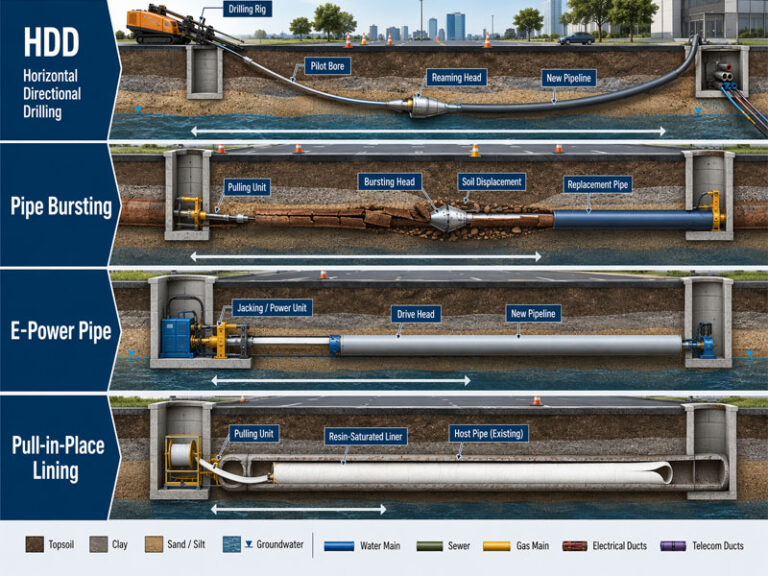
Engineering infographic comparing pulling-distance concepts for HDD, pipe bursting, E-Power Pipe, and pull-in-place lining in underground pipelines

Maximum Distance a Pipe Can Be Pulled Using Trenchless Methods: HDD Pull Length, Pipe Bursting & Lining Limits

The maximum distance a pipe can be pulled using trenchless methods ranges from approximately 50 meters to more than 3,000 meters, depending on the installation technology, pipe characteristics, ground conditions, and equipment limitations. For new pipeline construction, Horizontal Directional Drilling (HDD) typically achieves 200–800 meters per pull. For pipeline rehabilitation, specialized

اقرأ المزيد »
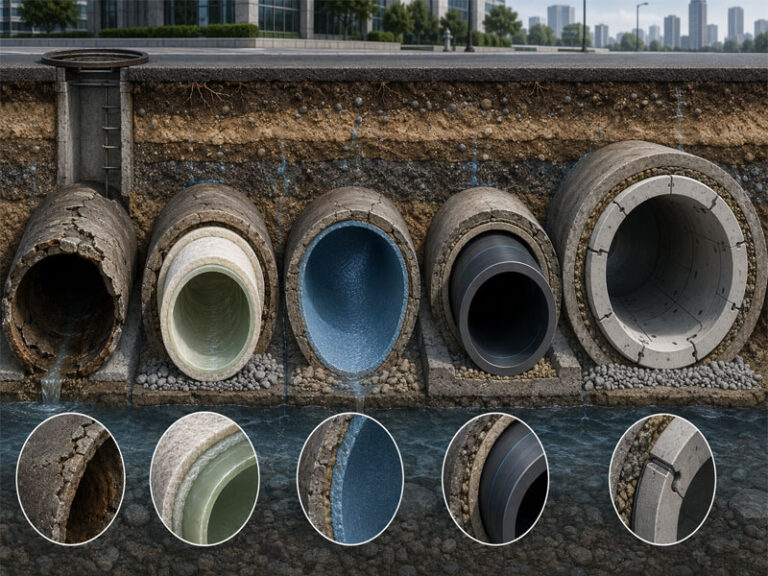
Engineering cutaway illustration comparing CIPP resin liners, spray-applied polyurea, HDPE sliplining, and UHPC structural lining segments in underground sewer pipes.

Best Trenchless Pipe Rehabilitation Materials: CIPP, Polyurea, HDPE Comparison

Best Materials for Trenchless Pipe Rehabilitation The most widely used and effective materials for trenchless pipe rehabilitation are thermosetting resin systems—specifically epoxy, polyester, and vinyl ester—combined with reinforcement fabrics such as fiberglass or polyester felt. For most municipal sewer rehabilitation projects, polyester CIPP offers the best cost-to-performance balance, while epoxy CIPP is preferred for pipes

اقرأ المزيد »