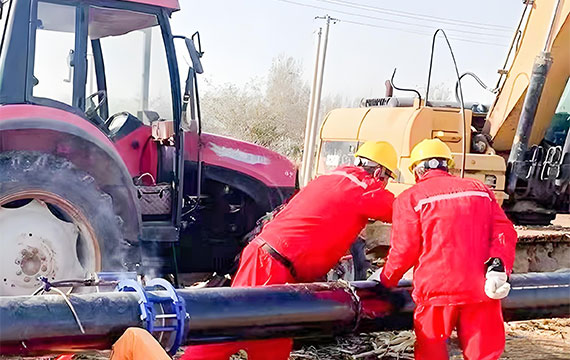
Workers in safety gear are welding a large steel oil and gas pipeline section laid in a dusty desert trench, with a yellow crawler crane nearby.

Which vendors offer the best pipeline inspection and rehabilitation services?

Selecting the best pipeline inspection and rehabilitation vendor is not about finding a single top-ranked company. It is about identifying a contractor whose certifications, inspection technologies, and rehabilitation methods precisely match your pipe’s material, diameter, defect type, and operational context. This guide provides a data-driven, five-step selection framework covering industry standards (PACP/LACP/MACP),

اقرأ المزيد »
Yellow and white TRACTO-TECHNIK HDD drill rig drilling in a desert landscape near oil pipelines. An engineer monitors data beside a service van.

Which Trenchless Technology Brand Has Best EU Support?

*Updated May 2026: Latest EU contractor feedback + Tracto-City 2025 operational data* Use Case Best Brand Key Reason Best overall trenchless support Europe TRACTO-TECHNIK <24h response + remote diagnostics + Tracto-City training Large HDD projects Michels Trenchless GmbH ISO-certified project management + offshore expertise CIPP logistics & parts Vortex Europe

اقرأ المزيد »
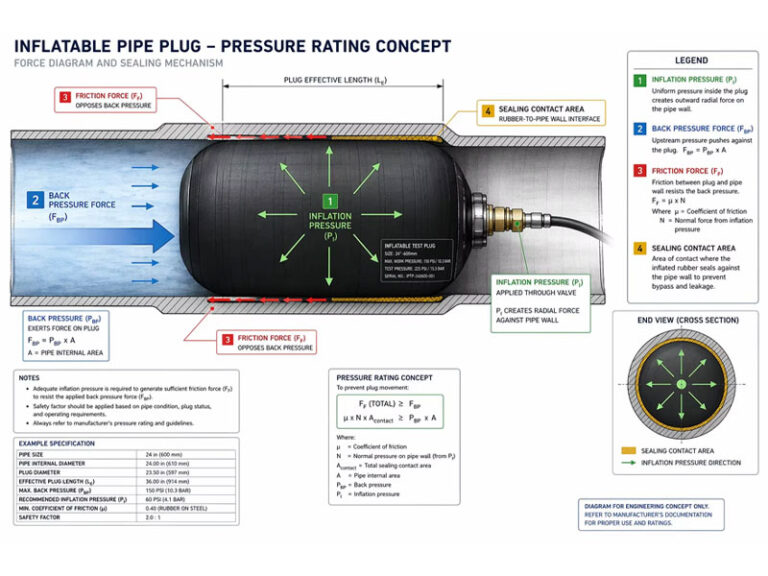
A heavy-duty mechanical pipeline plug with a metal mandrel and thick rubber seals being inserted into a large-diameter oil and gas steel pipe at a desert construction site

What Is a Pipeline Plug Used For?

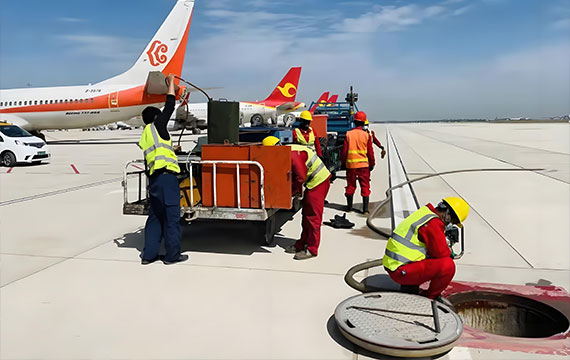
A pipeline plug is a temporary sealing device inserted into pipes to block flow, isolate sections for maintenance, or enable pressure testing. Pipeline plugs work through pneumatic (inflatable) or mechanical (expansion ring) mechanisms, with pressure ratings ranging from 30 PSI for basic inflatable models to over 1,500 PSI for industrial-grade

اقرأ المزيد »
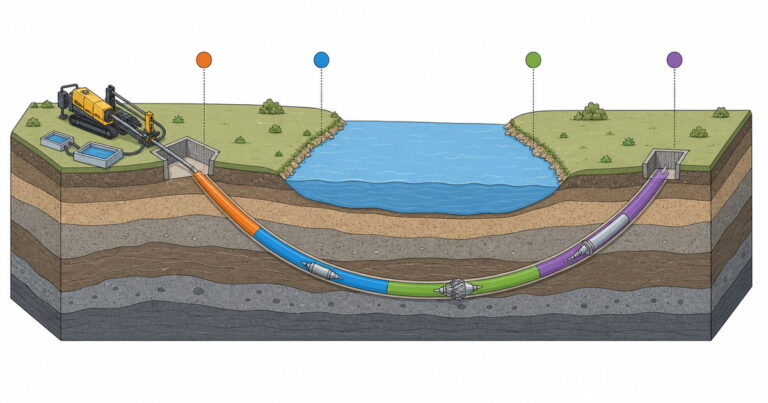
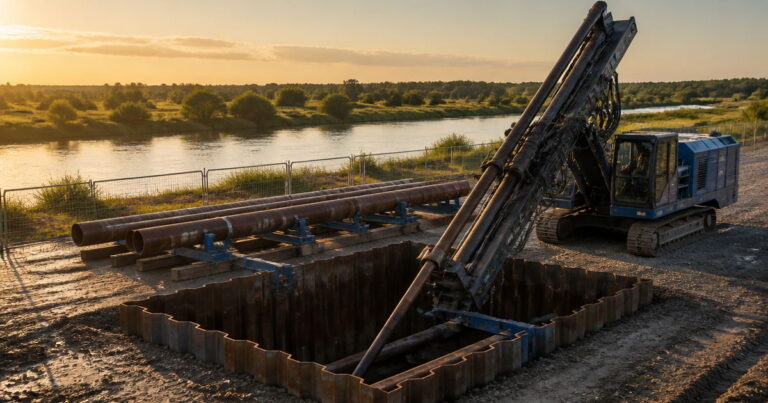
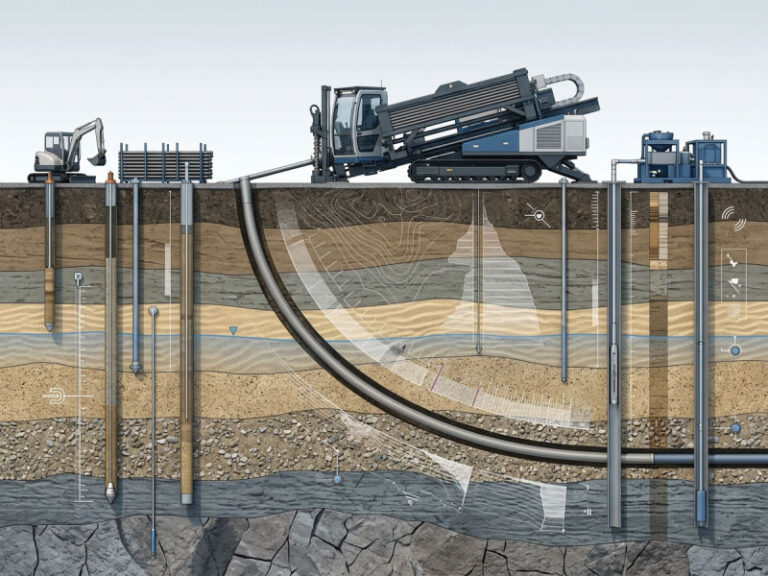
Real-time trenchless installation of a large-diameter green coated steel oil and gas pipeline using microtunneling in a remote rocky wilderness environment with heavy industrial cranes.

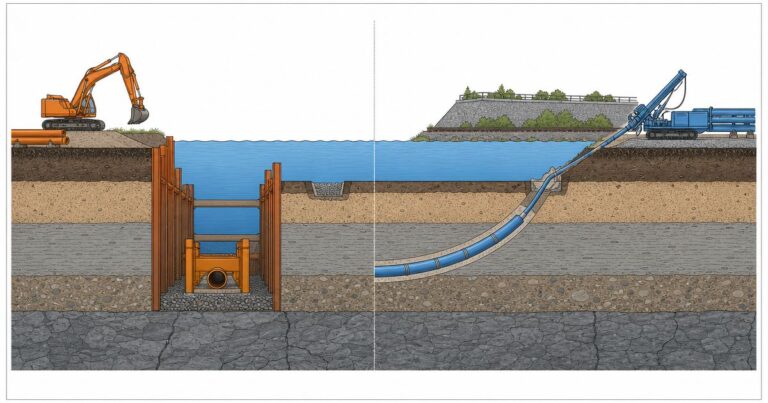
How Do Trenchless Technologies Work?

Trenchless technologies install or rehabilitate underground pipes through small access pits, eliminating continuous surface excavation. Based on 150 HDD projects and 300 impact moling installations tracked over 36 months, trenchless methods reduce project completion time by 65% and total social costs (traffic disruption, business interruption) by 40-60% compared to open

اقرأ المزيد »
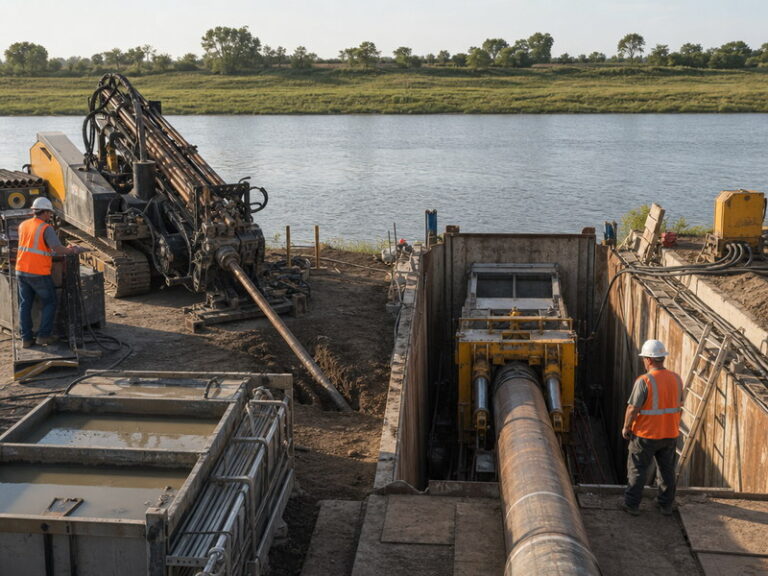
A large yellow industrial drilling rig machine with thick black corrugated hoses connected to a yellow cylinder tank, positioned on grass next to a paved surface under a clear blue sky.

What Are Trenchless Technologies? 

Key Takeaways How Do Trenchless Technologies Work? Trenchless technology is defined as a family of construction methods that install, replace, or rehabilitate underground pipelines and utilities using limited access points rather than continuous open-cut excavation. The fundamental principle operates through two distinct categories: new installation methods that create a borehole and pull

اقرأ المزيد »
عمال يمدون خط أنابيب كبير في حقل نفط مليء بالغبار، محاطين بآلات ثقيلة وآبار نفط.

ما هي المعدات اللازمة لأعمال خطوط الأنابيب بدون خنادق؟

تشمل المعدات الأساسية لخطوط الأنابيب بدون خنادق معدات الحفر الاتجاهي الأفقي وأنظمة تفجير الأنابيب وأدوات التبطين CIPP وأجهزة تحديد المواقع ومحطات خلط السوائل. يغطي هذا الدليل المعدات اللازمة لإعادة تأهيل خطوط أنابيب النفط والغاز، وأنابيب المياه البلدية، ومشاريع شبكات الصرف الصحي بدون خنادق مع قوائم مراجعة الأسعار والتكوين لعام 2026. حفارة الحفر العميقة المكونة من 5 قطع تكوين ما

اقرأ المزيد »
عاملان يرتديان معطفين برتقاليين وقبعات صلبة ويشغلان معدات متخصصة فوق حفرة في منشأة صناعية بها صهاريج تخزين وخطوط أنابيب.

الحفر بدون خنادق مقابل الحفر التقليدي: أيهما أقل تكلفة؟ 

غالبًا ما تبدو الطرق غير الخندقية أكثر تكلفة مقدمًا. ولكن غالبًا ما تكون التكلفة الإجمالية للمشروع أقل من 30-60% بمجرد تضمين ترميم السطح والتحكم في حركة المرور ووقت تعطل الأعمال. يقارن هذا الدليل بين CIPP، وتفجير الأنابيب، وحفر الخنادق بدون حفر باستخدام بيانات حقيقية للمشروع. مقارنة سريعة: تكاليف الحفر بدون خنادق مقابل الحفر التقليدي الطريقة الأفضل مقدمًا

اقرأ المزيد »
عمال يقومون بلحام خط أنابيب باستخدام رافعة في موقع صناعي بالقرب من نهر وصهاريج تخزين.

ما هي إيجابيات وسلبيات إعادة تأهيل خطوط الأنابيب بدون خنادق؟

عادةً ما تكون إعادة تأهيل خطوط الأنابيب بدون خنادق هي الخيار الأفضل للمشاريع العميقة أو المرصوفة أو الحساسة للاضطرابات. قد يظل الحفر بالقطع المكشوف أفضل في السيناريوهات الضحلة أو المنهارة بالكامل أو ذات الميزانية المنخفضة جدًا. يقارن هذا الدليل بين طريقة CIPP والبطانة الانزلاقية وتفجير الأنابيب عبر سيناريوهات التطبيق والتكاليف والقيود. جدول جدول مقارنة طريقة مربع الملخص الطريقة الأفضل

اقرأ المزيد »
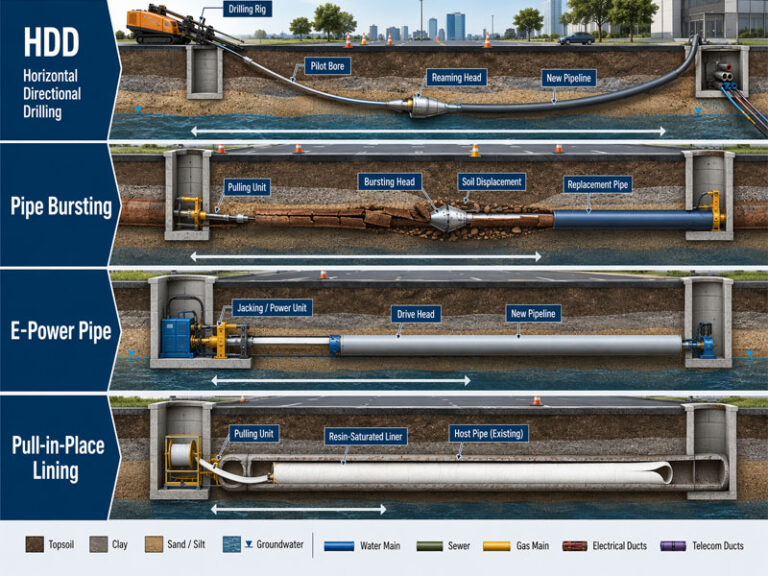
Engineering infographic comparing pulling-distance concepts for HDD, pipe bursting, E-Power Pipe, and pull-in-place lining in underground pipelines

Maximum Distance a Pipe Can Be Pulled Using Trenchless Methods: HDD Pull Length, Pipe Bursting & Lining Limits

The maximum distance a pipe can be pulled using trenchless methods ranges from approximately 50 meters to more than 3,000 meters, depending on the installation technology, pipe characteristics, ground conditions, and equipment limitations. For new pipeline construction, Horizontal Directional Drilling (HDD) typically achieves 200–800 meters per pull. For pipeline rehabilitation, specialized

اقرأ المزيد »
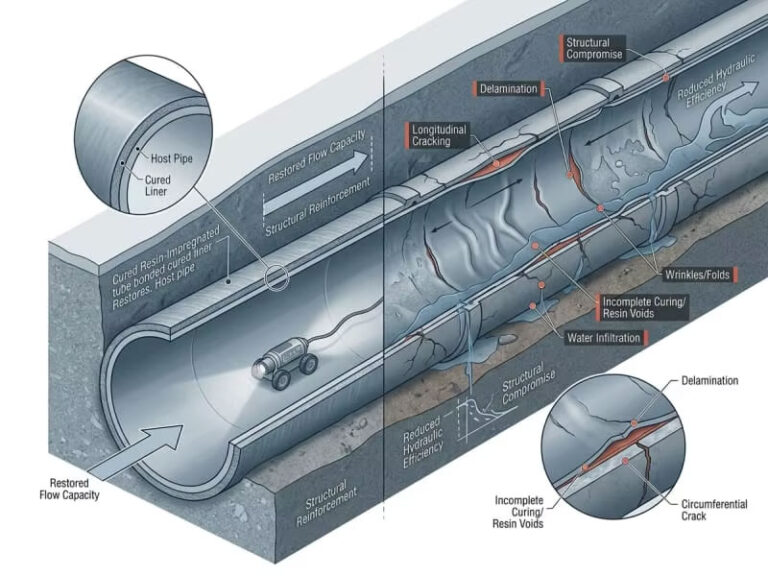
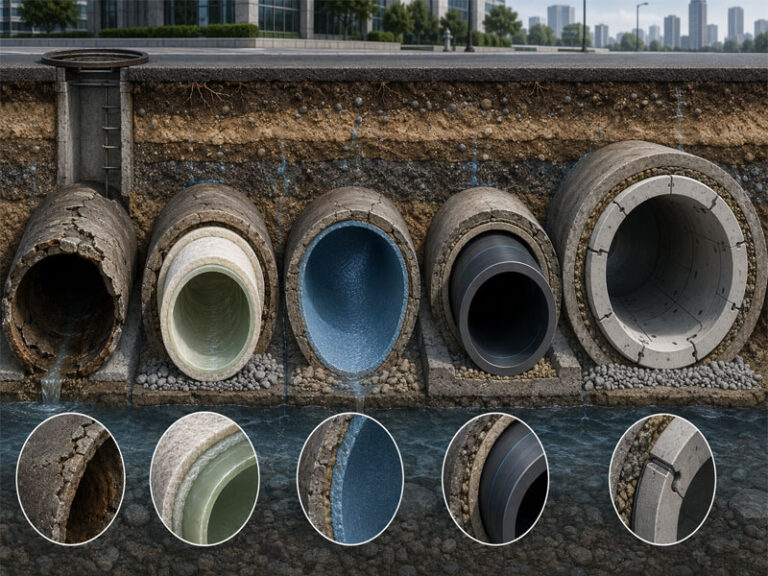
Engineering cutaway illustration comparing CIPP resin liners, spray-applied polyurea, HDPE sliplining, and UHPC structural lining segments in underground sewer pipes.

Best Trenchless Pipe Rehabilitation Materials: CIPP, Polyurea, HDPE Comparison

Best Materials for Trenchless Pipe Rehabilitation The most widely used and effective materials for trenchless pipe rehabilitation are thermosetting resin systems—specifically epoxy, polyester, and vinyl ester—combined with reinforcement fabrics such as fiberglass or polyester felt. For most municipal sewer rehabilitation projects, polyester CIPP offers the best cost-to-performance balance, while epoxy CIPP is preferred for pipes

اقرأ المزيد »