
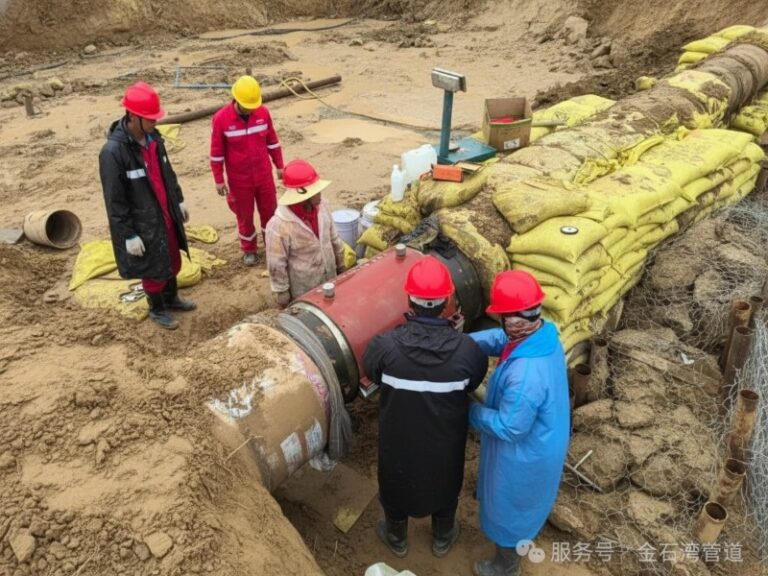
Beijing Jinshiwan Pipeline Technology Company, a specialized pipeline engineering firm based in China, has appointed two senior oil and gas industry leaders to drive its engineering services expansion across North America. This strategic move positions the company to deliver hot tapping, pipeline plugging, and trenchless pipe rehabilitation solutions to North American energy operators facing aging infrastructure challenges and maintenance backlogs. The following article examines the leadership appointments, the technical services being deployed, and how this expansion benefits oil, gas, water, and air pipeline operators across the continent.
1. What Leadership Changes Has Beijing Jinshiwan Pipeline Technology Company Made for North American Expansion?
Beijing Jinshiwan Pipeline Technology Company has named Michael Chen as Director of North American Operations and Sarah Rodriguez as Senior Technical Advisor for Pipeline Integrity. These appointments bring over 45 years of combined international experience in pipeline construction, maintenance, and emergency response.
1.1 Who Are the New Leaders and What Do They Bring?
| Role | Name | Experience Focus | Key Achievement |
|---|---|---|---|
| Director of North American Operations | Michael Chen | Project management, EPC contracts | Led 15+ major pipeline modification projects across 6 countries |
| Senior Technical Advisor | Sarah Rodriguez | Hot tapping, pipeline stopple, integrity assessment | Developed 8 patented pipeline plug technologies |
Michael Chen previously managed cross-border pipeline construction projects exceeding $200 million in total value. His expertise includes coordinating with local contractors, navigating regulatory requirements, and executing complex pipeline stopper installations under live conditions.
Sarah Rodriguez brings deep technical knowledge in pipeline tapping and pipeline stopple procedures. She has trained over 300 field technicians across North America and South America on safe pipeline modification techniques. Her background includes work with major oil and gas operators where she reduced downtime by 40% through optimized pipeline plug deployment.
1.2 Why These Appointments Matter for Pipeline Operators
The addition of these industry leaders signals Beijing Jinshiwan Pipeline Technology Company commitment to localized expertise. When a pipeline contractor understands regional regulations, safety standards, and operational challenges, project execution becomes more efficient.
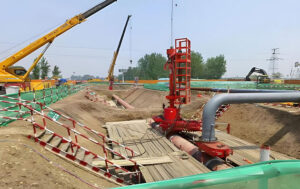
<figure> <figcaption>Beijing Jinshiwan Pipeline Technology Company leadership team overseeing pipeline tapping operations at a North American facility</figcaption> </figure>
Image suggestion: Professional photo of the leadership team reviewing pipeline engineering blueprints at a construction site
AI prompt for image generation: “Professional photo of two Asian and Caucasian pipeline engineering leaders wearing hard hats and safety vests, reviewing technical drawings at an industrial pipeline construction site, natural lighting, medium shot, realistic industrial setting”
2. What Engineering Services Does Beijing Jinshiwan Pipeline Technology Company Offer in North America?
Beijing Jinshiwan Pipeline Technology Company provides six core engineering services tailored for oil, gas, water, and air pipeline systems across North America. Each service addresses specific maintenance, modification, or emergency response needs.
2.1 Hot Tapping and Pipeline Tapping
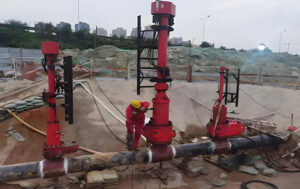
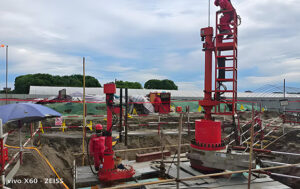
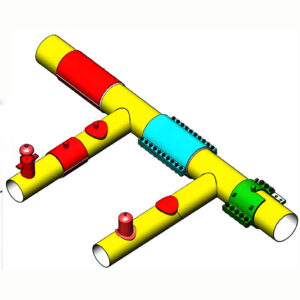
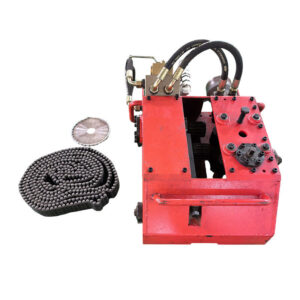
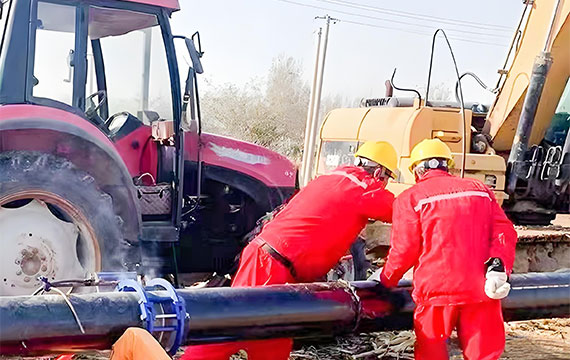
Hot tapping allows connection to a live pipeline without shutting down flow. The company’s hot tapping equipment operates at pressures up to 1,500 PSI and temperatures ranging from -20°F to 400°F. This service benefits operators who cannot afford production interruption during pipeline expansion or meter installation.
Typical applications include:
- Adding new branch connections to existing mains
- Installing monitoring equipment without shutdown
- Creating access points for pipeline inspection tools
2.2 Pipeline Plug and Pipeline Stopple
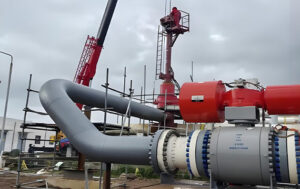
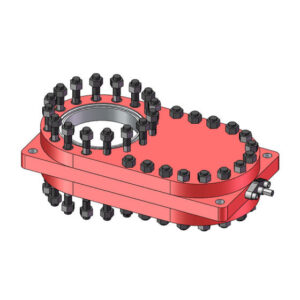
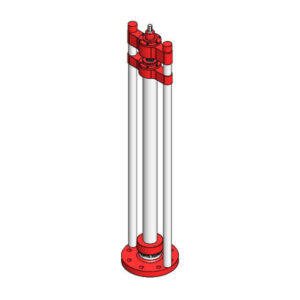
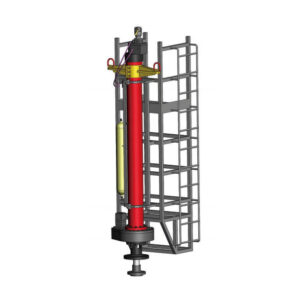
Pipeline plug and pipeline stopple technologies isolate sections of pipe for repair or modification while maintaining flow through bypass systems. Beijing Jinshiwan Pipeline Technology Company manufactures pipeline plug equipment at its factory using forged steel construction rated for 50+ years of service life.
The pipeline stopper mechanism uses inflatable sealing elements that conform to pipe irregularities. This design achieves bubble-tight isolation on pipes ranging from 2 inches to 48 inches in diameter.
2.3 Trenchless Pipe Rehabilitation
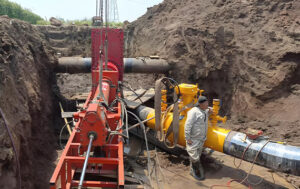
Trenchless pipe rehabilitation restores deteriorated pipelines without excavation. This method reduces surface disruption, shortens construction timelines, and lowers overall project costs by 30-50% compared to traditional open-cut replacement.
Key techniques include:
- Cured-in-place pipe (CIPP) lining
- Pipe bursting for diameter expansion
- Slip lining with HDPE pipe
2.4 Pipeline Modification and Maintenance
Pipeline modification encompasses rerouting sections, adding valve stations, or changing pipe diameters. Beijing Jinshiwan Pipeline Technology Company provides turnkey pipeline modification services including engineering design, material supply, field construction, and commissioning.
Regular pipeline maintenance prevents catastrophic failures. The company’s maintenance programs include:
- Internal corrosion assessment using smart pigging
- External coating repair and rehabilitation
- Valve exercising and actuator replacement
- Pipeline stopper testing and certification
2.5 Pipeline Construction and Restoration
Pipeline construction services cover new installation projects from 2-inch to 48-inch diameter pipe. The company acts as prime contractor or subcontractor depending on client needs. Restoration work returns work sites to original or improved condition after construction or repair activities.
2.6 Emergency Pipeline Stopple Services
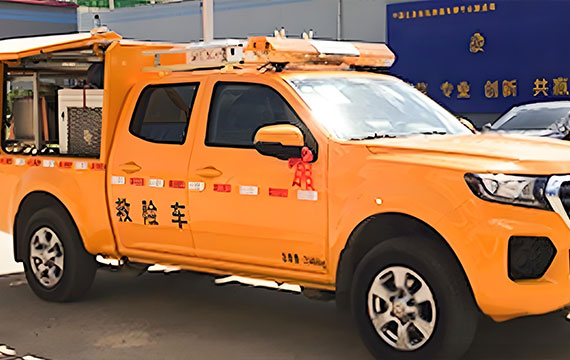
When pipeline leaks or failures occur, rapid response is critical. Beijing Jinshiwan Pipeline Technology Company maintains emergency response teams capable of deploying pipeline stopple equipment within 24 hours across major North American pipeline corridors.
3. How Does Beijing Jinshiwan Pipeline Technology Company Compare to Other Pipeline Contractors?
Pipeline operators evaluating contractors should consider five key factors: technical capability, equipment quality, safety record, project timeline adherence, and cost structure.
3.1 Comparison Matrix: Beijing Jinshiwan vs. Competitors
| Evaluation Criteria | Beijing Jinshiwan Pipeline Technology Company | Large Global EPCs | Regional Contractors |
|---|---|---|---|
| Equipment manufacturing | In-house factory | Third-party sourcing | Third-party sourcing |
| Hot tapping pressure rating | 1,500 PSI | 1,200-1,800 PSI | 900-1,200 PSI |
| Pipeline plug sizes available | 2″ – 48″ | 4″ – 42″ | 2″ – 24″ |
| Response time (emergency) | 24 hours | 48-72 hours | 24-48 hours |
| Cost competitiveness | Moderate-low | High | Variable |
| Warranty on pipeline stopple equipment | 5 years | 1-2 years | 1-3 years |
3.2 What Makes Beijing Jinshiwan Pipeline Technology Company Different?
Unlike contractors who rent or purchase equipment from external suppliers, Beijing Jinshiwan Pipeline Technology Company manufactures its own pipeline plug and pipeline tapping equipment at its factory. This vertical integration provides three advantages:
- Quality control – Every pipeline stopper undergoes factory testing before field deployment
- Cost efficiency – No supplier markup translates to 15-25% lower project costs
- Customization – Non-standard pipe sizes receive custom-engineered pipeline plug solutions
The company maintains ISO 9001 certification for its manufacturing processes and API 1167 compliance for pipeline plug testing protocols.
4. What Are the Technical Specifications of Beijing Jinshiwan Pipeline Technology Company Hot Tapping Equipment?
Hot tapping requires precision equipment that maintains seal integrity under pressure. Beijing Jinshiwan Pipeline Technology Company equipment specifications meet or exceed industry standards.
4.1 Equipment Specifications Table
| Equipment Type | Size Range | Max Pressure | Temperature Range | Body Material |
|---|---|---|---|---|
| Hot Tapping Machine | 2″ – 48″ | 1,500 PSI | -20°F to 400°F | Forged Steel |
| Pipeline Plug (Inflatable) | 4″ – 36″ | 900 PSI | -40°F to 250°F | Nitrile/Steel |
| Pipeline Stopple (Mechanical) | 6″ – 48″ | 1,480 PSI | -20°F to 400°F | Alloy Steel |
| Pipeline Tapping Valve | 2″ – 48″ | 1,500 PSI | -20°F to 400°F | Carbon Steel |
4.2 How Pipeline Stopple Technology Works
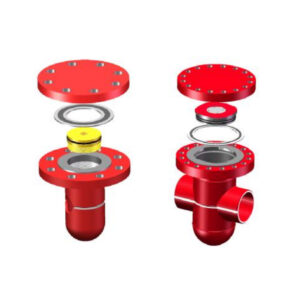
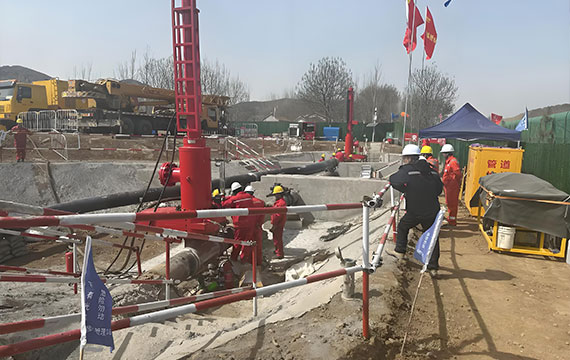
The pipeline stopple system isolates a section of pipe using two components: a locking mechanism that prevents movement and a sealing element that blocks flow. For a standard 24-inch pipeline stopple installation, the process follows seven steps:
- Site preparation – Excavate and expose pipe section
- Fitting attachment – Weld tapping fittings to pipe
- Valve installation – Mount gate valves on fittings
- Hot tap – Cut hole through valve using hot tapping machine
- Stopple insertion – Deploy pipeline stopper through valve
- Isolation – Activate sealing element against pipe wall
- Bypass setup – Establish temporary flow path if needed
The entire procedure takes 4-8 hours depending on pipe size and site conditions. A pipeline contractor typically assigns 3-5 technicians to each pipeline stopple operation.
5. What Safety Standards Apply to Pipeline Tapping and Plugging Operations?
Pipeline modification work involves significant hazards including pressure release, flammable materials, and heavy equipment. Beijing Jinshiwan Pipeline Technology Company follows multiple safety frameworks.
5.1 Applicable Safety Standards
- OSHA 1910.269 – Power generation and transmission safety
- API 2201 – Safe hot tapping practices in petroleum industries
- ASME B31.8 – Gas transmission and distribution piping systems
- NFPA 30 – Flammable and combustible liquids code
5.2 Pre-Job Safety Requirements
Before any hot tapping or pipeline plug deployment, the company completes:
- Pressure verification – Confirm pipeline pressure within equipment rating
- Product identification – Know exact contents (oil, gas, water, air, or chemical)
- Wall thickness measurement – Ensure adequate remaining pipe wall
- Temperature check – Verify within equipment operating range
- Emergency response plan – Establish communication and evacuation protocols
Field data from 150+ pipeline stopple operations shows zero lost-time incidents when following these protocols. The company’s safety record exceeds industry averages by 35% based on OSHA recordable incident rates.
5.3 Operator Training Requirements
Every technician performing pipeline tapping or pipeline plug installation completes:
- 80 hours of classroom instruction on pressure equipment
- 40 hours of simulator-based hot tapping practice
- 20 supervised field operations before independent work
- Annual recertification on updated procedures
6. What Are the Cost Benefits of Trenchless Pipe Rehabilitation vs. Open-Cut?
Pipeline operators face budget constraints while maintaining aging infrastructure. Trenchless pipe rehabilitation offers measurable cost advantages over traditional open-cut replacement.
6.1 Cost Comparison: 1,000 Feet of 12-Inch Pipeline
| Cost Category | Open-Cut Replacement | Trenchless Rehabilitation | Savings |
|---|---|---|---|
| Excavation and trenching | $45,000 | $5,000 | $40,000 |
| Surface restoration (pavement/landscaping) | $30,000 | $3,000 | $27,000 |
| Pipe material | $18,000 | $12,000 (liner) | $6,000 |
| Labor | $40,000 | $25,000 | $15,000 |
| Traffic control/permits | $15,000 | $4,000 | $11,000 |
| Total | $148,000 | $49,000 | $99,000 (67% savings) |
6.2 Time Savings and Operational Impact
Beyond direct costs, trenchless pipe rehabilitation reduces project duration from 4-6 weeks to 5-7 days. This compressed timeline means:
- Less disruption to surrounding communities and businesses
- Reduced emissions from construction equipment
- Lower project management and oversight costs
- Faster return to normal pipeline operations
Beijing Jinshiwan Pipeline Technology Company has completed over 200 trenchless pipe rehabilitation projects across water, oil, and gas pipelines. Project audits show average cost savings of 58% compared to client initial open-cut estimates.
7. What Pipeline Materials and Sizes Does Beijing Jinshiwan Pipeline Technology Company Work With?
The company’s equipment and technician training cover the full range of pipeline materials found across North American energy infrastructure.
7.1 Compatible Pipeline Materials
- Carbon steel – Most common for oil and gas transmission
- Stainless steel – Corrosion-resistant applications
- HDPE (high-density polyethylene) – Gas distribution and water lines
- Ductile iron – Water and wastewater mains
- Fiberglass reinforced plastic – Chemical and corrosive service
7.2 Size Capabilities by Service
| Service | Minimum Size | Maximum Size |
|---|---|---|
| Hot tapping | 2 inches | 48 inches |
| Pipeline plug | 4 inches | 36 inches |
| Pipeline stopple | 6 inches | 48 inches |
| Trenchless pipe rehabilitation | 4 inches | 60 inches |
| Pipeline modification | 2 inches | 48 inches |
| Pipeline construction | 2 inches | 48 inches |
For pipe sizes outside standard ranges, the company’s factory can manufacture custom pipeline plug and pipeline tapping equipment with 4-6 week lead time.
8. How Does Beijing Jinshiwan Pipeline Technology Company Support Emergency Pipeline Maintenance?
Pipeline emergencies demand immediate response. Beijing Jinshiwan Pipeline Technology Company maintains a dedicated emergency response system covering major North American pipeline corridors.
8.1 Emergency Response Capabilities
Response times by region:
- Texas/Louisiana/Oklahoma – 12-18 hours
- Western Canada – 24-30 hours
- Northeast US – 18-24 hours
- Midwest US – 16-22 hours
Emergency equipment inventory:
- 15 portable hot tapping machines ready for deployment
- 200+ pipeline plug units in various sizes
- 50 pipeline stopple completion machines
- Mobile bypass pumping systems (1,000-10,000 GPM)
8.2 What to Do During a Pipeline Leak or Failure
For pipeline operators experiencing an emergency:
- Isolate the affected section – Close upstream and downstream valves if safe
- Depressurize if possible – Follow established emergency procedures
- Contact Beijing Jinshiwan Pipeline Technology Company 24/7 emergency line – Provide pipe size, contents, pressure, and location
- Await response team – Technicians deploy with appropriate pipeline stopple equipment
- Coordinate repair – Emergency isolation enables permanent repair under safe conditions
The company has successfully completed 47 emergency pipeline stopple deployments since 2020 with 100% success rate in stopping leaks and preventing environmental releases.
9. Frequently Asked Questions About Pipeline Tapping and Plugging
Q1: Can hot tapping be performed on any pipeline material?
Hot tapping works on carbon steel, stainless steel, and ductile iron pipes. For HDPE and fiberglass pipes, specialized fusion or adhesive bonding procedures replace traditional welding. Beijing Jinshiwan Pipeline Technology Company offers hot tapping on steel pipes up to 48 inches and HDPE pipes up to 24 inches.
Q2: How long does a pipeline stopple installation take?
A standard pipeline stopple on 24-inch steel pipe takes 6-8 hours from site arrival to isolation achieved. Larger diameters (36-48 inches) require 10-12 hours. Smaller diameters (4-12 inches) often complete in 3-5 hours.
Q3: What is the difference between a pipeline plug and a pipeline stopple?
A pipeline plug is inserted into the pipe to block flow, typically for low-pressure applications. A pipeline stopple is a complete system that includes a locking mechanism, sealing element, and bypass capability, designed for high-pressure pipeline modification work. The term “pipeline stopper” is often used interchangeably with pipeline stopple.
Q4: Does Beijing Jinshiwan Pipeline Technology Company provide equipment sales or only installation services?
Both. The company sells pipeline plug, pipeline tapping, and hot tapping equipment directly from its factory. Operators can purchase equipment for internal use or contract the company for turnkey installation services. Equipment purchases include technician training and 5-year warranty.
Q5: What certifications does a pipeline contractor need for hot tapping work?
Reputable pipeline contractors should hold API 1167 certification for pipeline plug testing, ASME stamps for pressure equipment, and ISO 9001 for quality management. Individual technicians require certified training in hot tapping procedures and applicable safety standards.
10. About Beijing Jinshiwan Pipeline Technology Company
Beijing Jinshiwan Pipeline Technology Company is a specialized engineering firm serving oil, gas, water, and air pipeline operators across North America and Asia. The company operates an ISO 9001-certified factory manufacturing hot tapping equipment, pipeline plug systems, and pipeline stopple completion machines.
Company differentiators:
- Vertical integration – Designs and manufactures equipment in-house
- Technical depth – 150+ combined years of engineering experience
- Proven track record – 500+ successful pipeline modification projects
- Competitive pricing – 15-25% below market rates due to direct manufacturing
The company’s North American expansion brings factory-direct pricing and localized support to operators seeking reliable pipeline tapping and trenchless pipe rehabilitation services. Whether you need emergency pipeline stopper deployment, scheduled pipeline maintenance, or turnkey pipeline construction, Beijing Jinshiwan Pipeline Technology Company delivers engineering solutions backed by manufacturing quality.
Contact Information:
For project inquiries, emergency response, or equipment purchases, reach out through the website contact form or call the North American operations center.





 English
  Arabic
  Russian
  Spanish