Blog

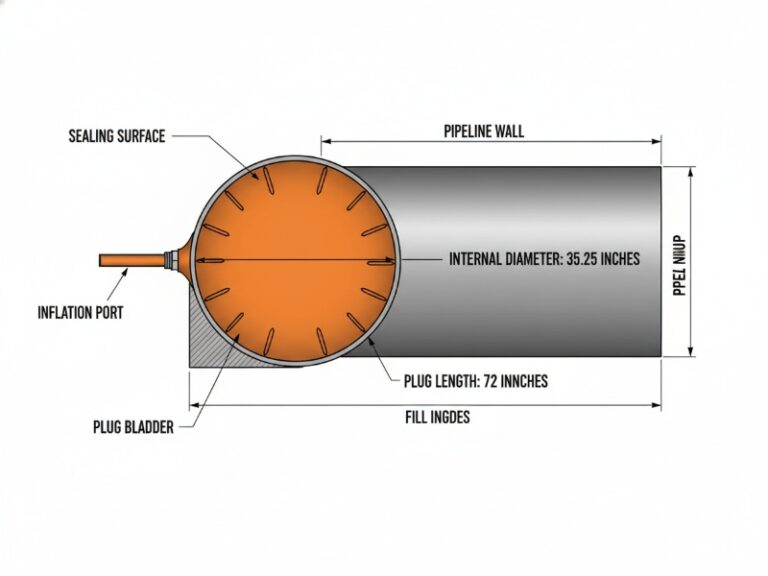
A technical diagram showing an inflatable orange pipeline plug bladder inserted into a pipeline wall, labeled with dimensions including a 35.25-inch internal diameter and a 72-inch plug length.

How to choose the right pipe plug size for a 36-inch gas pipeline?

Selecting the correct pipe plug size for a 36-inch gas pipeline requires matching the plug’s nominal diameter to the pipe’s internal diameter, verifying pressure ratings against operating conditions, and selecting the appropriate plug type based on whether you need isolation for maintenance, testing, or permanent stoppage. The selection process involves

Leer Más »
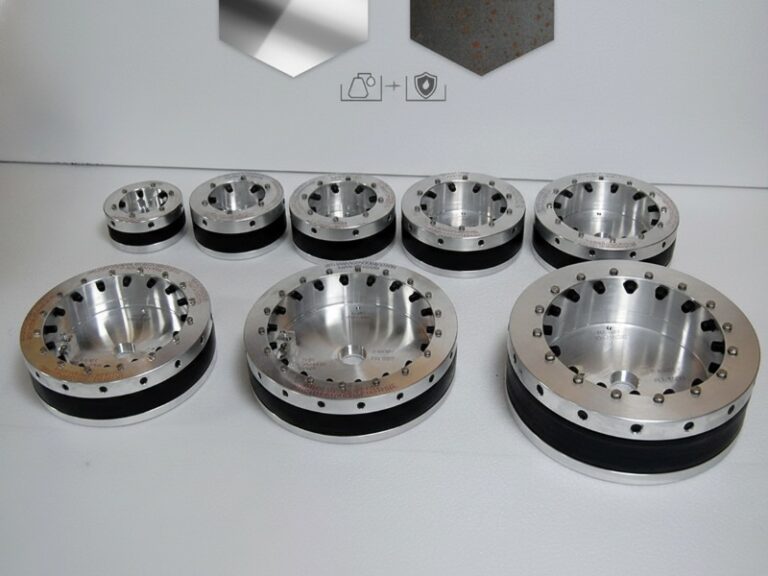
A collection of industrial modular pipe seals in various sizes, featuring silver metallic outer rings with bolts and thick black rubber gaskets for watertight sealing.

What are the pros and cons of aluminum vs. steel pipeline plugs?

Aluminum pipeline plugs offer significant weight savings (up to 70% lighter) and excellent corrosion resistance for low-to-medium pressure applications, while steel pipeline plugs provide superior strength and durability for high-pressure, heavy-duty operations and extreme temperatures. Choosing the right material for pipeline isolation is critical for safety, efficiency, and cost. Whether

Leer Más »
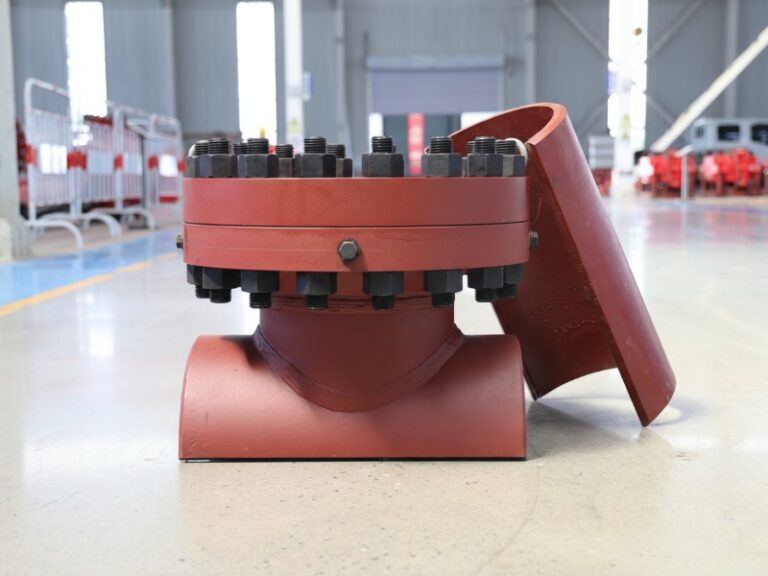
A heavy-duty red industrial steel pipeline plug with a bolted flange design, specifically engineered for high-temperature pipeline isolation and hot tapping maintenance.

Which pipeline plug manufacturer offers the best solution for high-temperature applications?

The optimal pipeline plug manufacturer for high-temperature applications is one that provides material-specific engineering data, such as continuous operating temperature ratings verified by ASTM standards, and offers customizable sealing elements (like Viton or Silicone) capable of withstanding sustained heat above 200°C (392°F). Choosing the right partner involves evaluating not just

Leer Más »
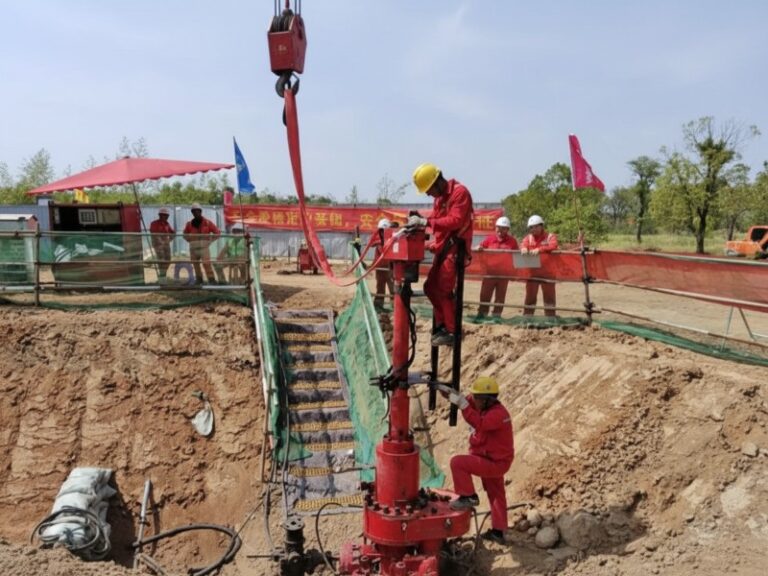
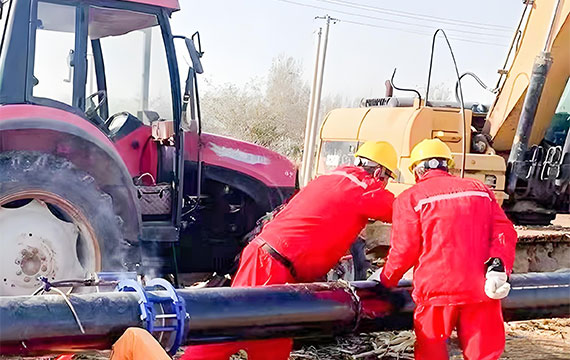
Industrial workers in red safety uniforms and hard hats operating a red JSW hot tapping machine for pipeline maintenance at an excavation site.

What Are the Physical Limits of Hot Tapping? Maximum Pressure, Temperature, and Material Constraints

Hot tapping, also known as pressure tapping or live tapping, is physically limited to a maximum operating pressure of approximately 2,200 psi and a temperature range between -50°F (-45°C) and 700°F (371°C) , though these limits are strictly dependent on pipe metallurgy, wall thickness, and the specifications of the equipment manufacturer. While these parameters represent

Leer Más »
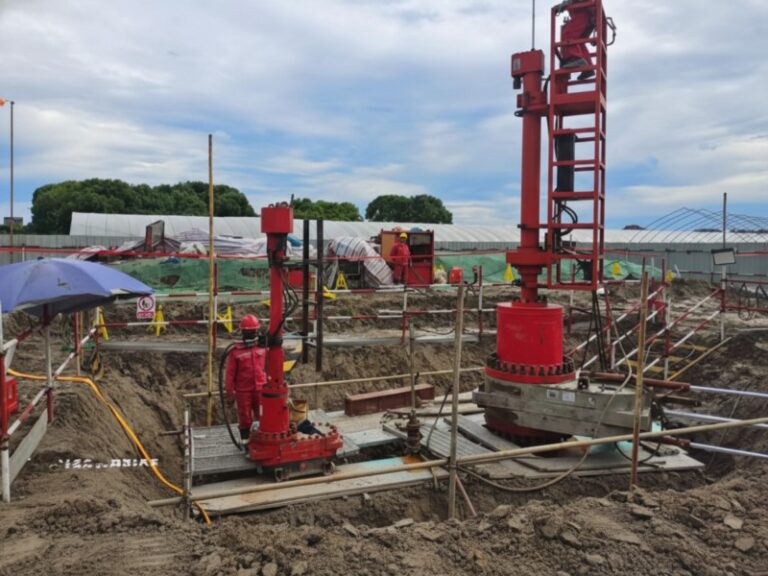
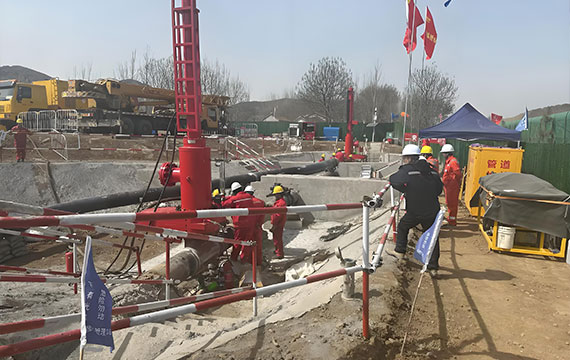
Professional construction crew operating red drilling machinery and trenchless technology equipment for underground pipeline installation at a project site.

What is pipeline construction and what are its main stages?

Pipeline construction is the engineered process of planning, sourcing materials, and assembling a linear system of pipes, valves, and associated facilities to transport liquids, gases, or slurries from one point to another, typically divided into three main stages: pre-construction, construction, and post-construction. This comprehensive guide will walk you through each

Leer Más »
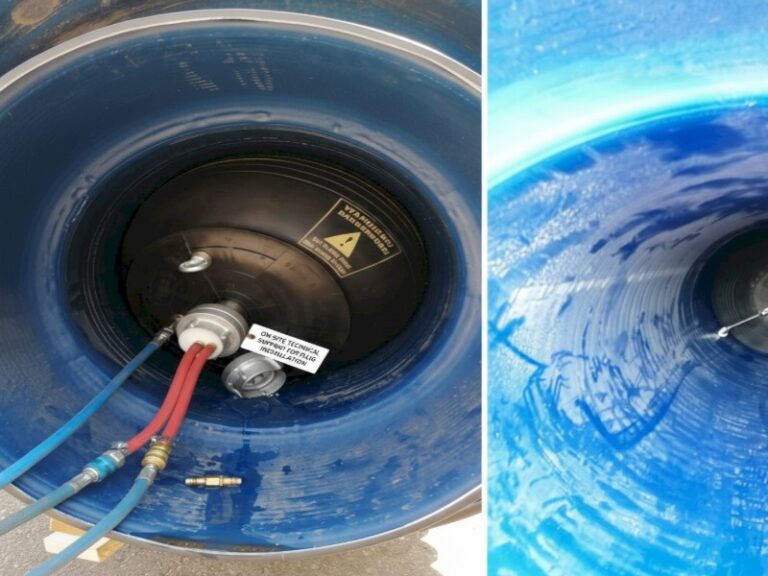
An inflatable industrial pipe plug being installed inside a large blue drainage pipe with dual-color pressure hoses and a label for on-site technical support.

Do suppliers provide on-site technical support for plug installation?

Yes, many specialized pipeline plug and equipment suppliers do provide on-site technical support for plug installation, ranging from initial job start-up assistance to full-service turnkey solutions provided by trained contractor teams. This support is critical for complex procedures like hot tapping and line stopping, ensuring safety, compliance, and operational integrity

Leer Más »