Blog

Dos técnicos con uniformes rojos y cascos de seguridad amarillos operan un equipo de toma en caliente de alta presión en una tubería roja de una instalación industrial con vapor visible.

Comparación de fiabilidad y precisión de equipos de roscado en caliente de distintas marcas.

The reliability and precision of hot tapping equipment vary significantly across brands, primarily determined by their engineering philosophy, material quality, and control systems; top-tier brands differentiate themselves through rigorous pressure testing (often exceeding ANSI/ASME B31 standards by 50%), micrometer-level cutter guidance, and robust after-sales support, whereas cost-driven brands may compromise

Leer Más »
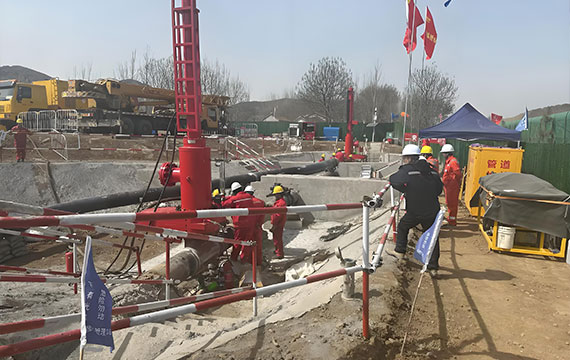
Specialized personnel operating a red hot tapping machine on a live pressurized pipeline within a stabilized trench for modification without system shutdown.

Proveedores de servicios de derivación en caliente frente a empresas tradicionales de modificación de tuberías: Ventajas e inconvenientes.

Hot tapping service providers enable pipeline modifications on live, pressurized systems without shutdowns, offering superior operational continuity and cost savings compared to traditional modification companies that require full system depressurization and excavation. This definitive guide analyzes the pros and cons of both approaches, covering their technical principles, economic impacts, safety

Leer Más »
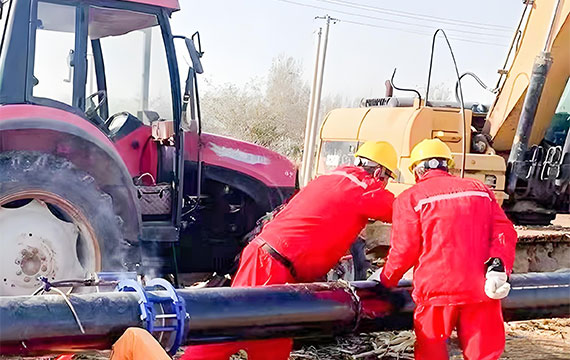
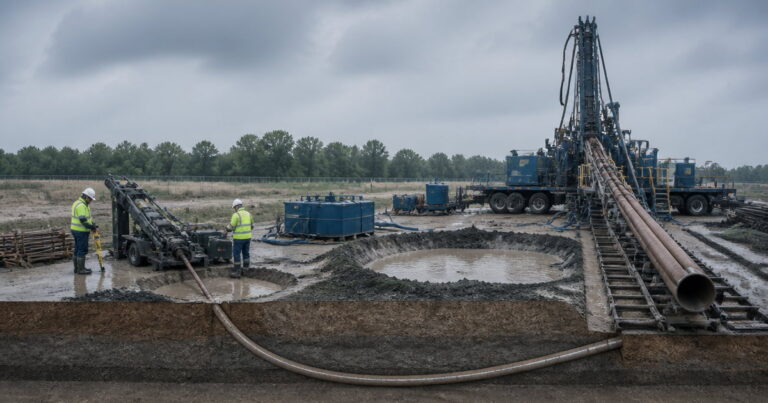
Máquinas industriales de roscado en caliente que realizan una modificación de tuberías en directo en una excavación al aire libre para mantener el servicio presurizado sin paradas.

¿Cuál es la diferencia fundamental entre el roscado en caliente y el roscado de cierre tradicional?

The fundamental difference between hot tapping and traditional shutdown tapping is that hot tapping allows pipeline connections and modifications to be made while the system remains in live, pressurized service, whereas traditional shutdown tapping requires the complete cessation of operations, depressurization, and often drainage of the entire pipeline section-. This operational distinction

Leer Más »
A professional hot tapping pipeline service site featuring a large grey industrial pipeline with a red valve actuator and scaffolding for maintenance work.

What are the main technical standards governing hot tapping ?

The main technical standards governing hot tapping are ASME PCC-2, API RP 2201, and a suite of complementary ASTM and industry-specific codes, which collectively define the materials, procedures, welding, inspection, and safety requirements for making pressurized connections to live pipelines and vessels. This comprehensive guide details these critical standards, explaining

Leer Más »
Three technicians in protective gear and hard hats examine a robotic pipeline inspection gauge (PIG) at an industrial trade show featuring Rosen, Baker Hughes, and TDW branding.

Pipeline inspection companies comparison: ROSEN vs Baker Hughes vs TDW

ROSEN, Baker Hughes, and TDW are the three leading global companies in the pipeline inspection and integrity services market, each distinguished by its unique technological focus, service history, and market positioning. Choosing the right partner for your pipeline integrity needs requires understanding their core competencies, from ROSEN’s data-driven analytics and comprehensive

Leer Más »
live tapping hot tapping operating gas pipeline

Why is hot tapping necessary while a pipeline is in operation?

Hot tapping is necessary while a pipeline is in operation because it is the only method that allows for modifications, repairs, or expansions to a pressurized pipeline system without requiring a costly and disruptive full shutdown. This critical procedure enables continuous service delivery, significant cost savings, and the mitigation of

Leer Más »