Tecnología sin zanja

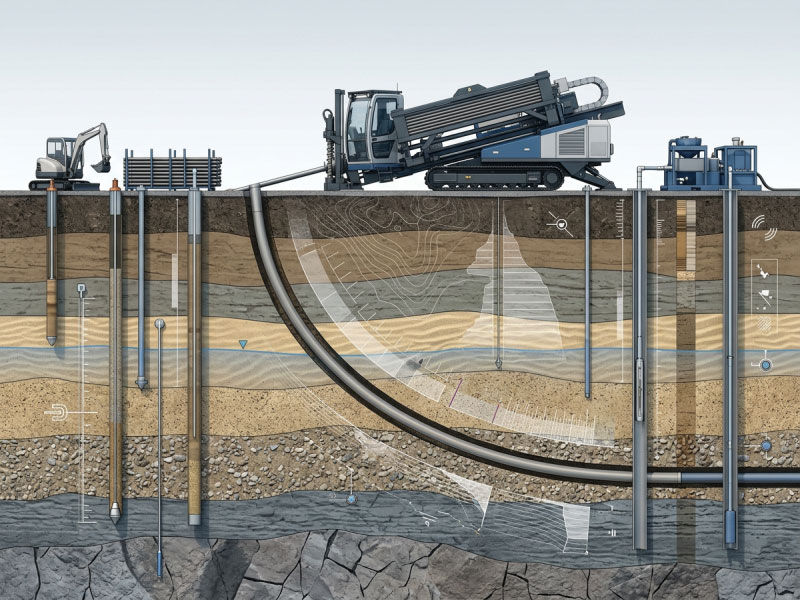
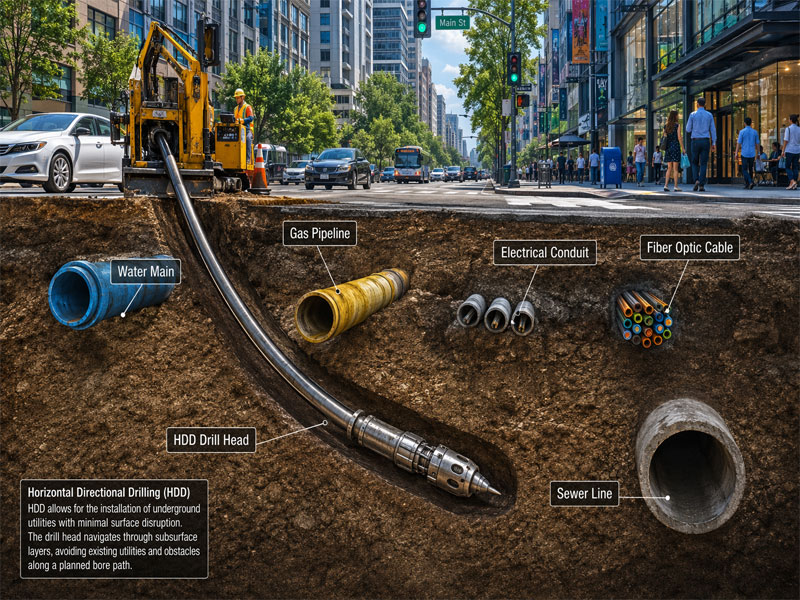
Engineering infographic comparing pulling-distance concepts for HDD, pipe bursting, E-Power Pipe, and pull-in-place lining in underground pipelines

Maximum Distance a Pipe Can Be Pulled Using Trenchless Methods: HDD Pull Length, Pipe Bursting & Lining Limits

The maximum distance a pipe can be pulled using trenchless methods ranges from approximately 50 meters to more than 3,000 meters, depending on the installation technology, pipe characteristics, ground conditions, and equipment limitations. For new pipeline construction, Horizontal Directional Drilling (HDD) typically achieves 200–800 meters per pull. For pipeline rehabilitation, specialized

Leer Más »
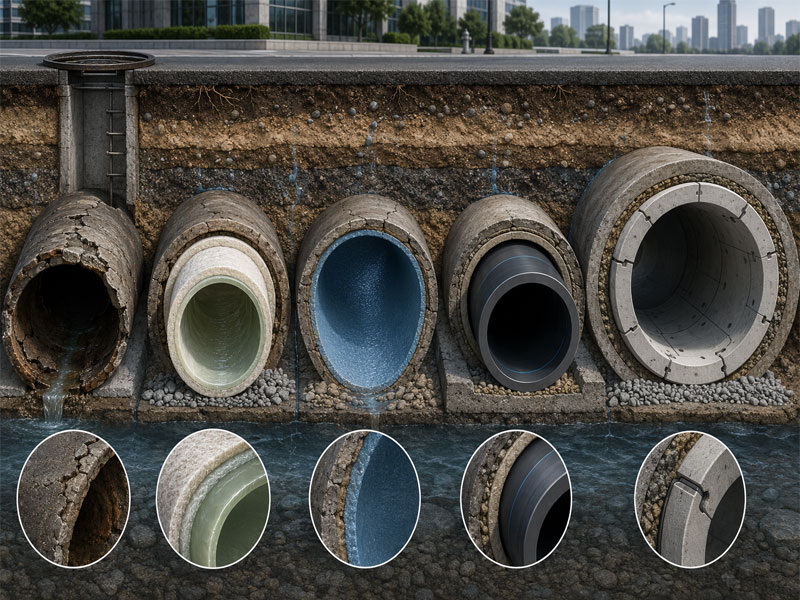
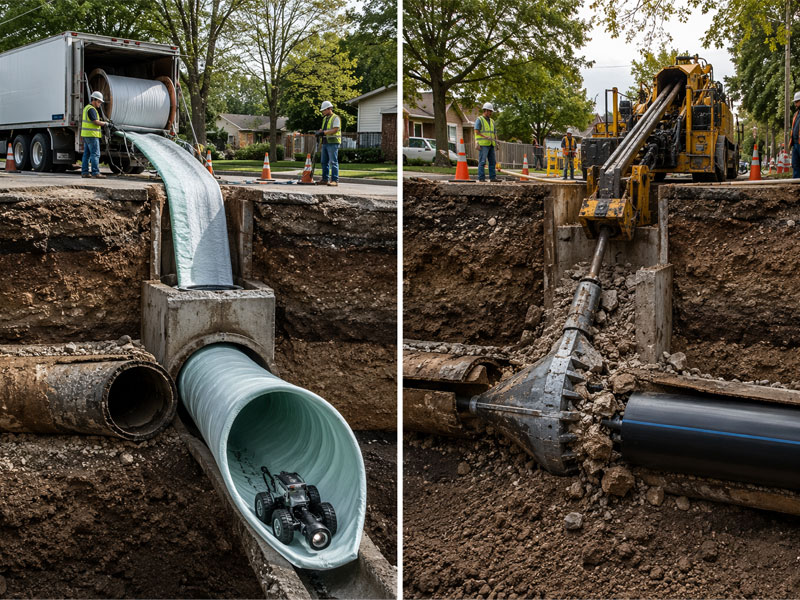
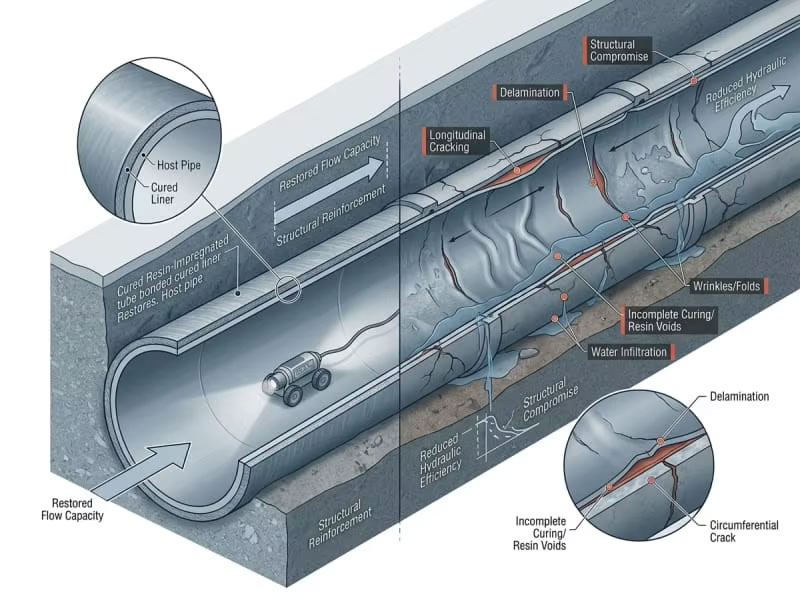
Engineering cutaway illustration comparing CIPP resin liners, spray-applied polyurea, HDPE sliplining, and UHPC structural lining segments in underground sewer pipes.

Best Trenchless Pipe Rehabilitation Materials: CIPP, Polyurea, HDPE Comparison

Best Materials for Trenchless Pipe Rehabilitation The most widely used and effective materials for trenchless pipe rehabilitation are thermosetting resin systems—specifically epoxy, polyester, and vinyl ester—combined with reinforcement fabrics such as fiberglass or polyester felt. For most municipal sewer rehabilitation projects, polyester CIPP offers the best cost-to-performance balance, while epoxy CIPP is preferred for pipes

Leer Más »
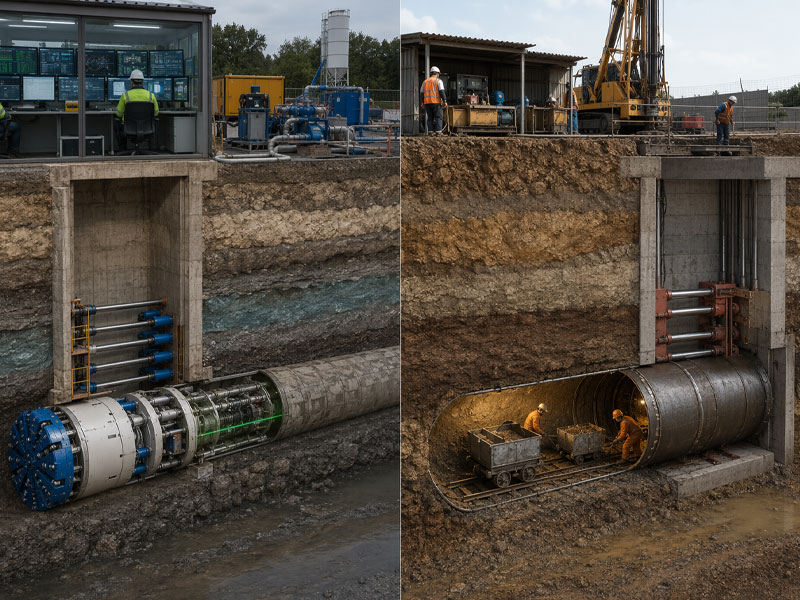
Microtunneling vs jack and bore trenchless pipeline installation comparison showing remote-controlled MTBM and traditional pipe jacking methods

Microtunneling vs Jack and Bore: Cost, Accuracy & Applications

Microtunneling vs Jack and Bore Microtunneling is a remote-controlled trenchless pipe installation method that uses a microtunnel boring machine (MTBM), laser guidance, and closed-face excavation to install pipelines without worker entry into the pipe. Jack and bore is a traditional trenchless method where workers enter the pipe to excavate soil

Leer Más »
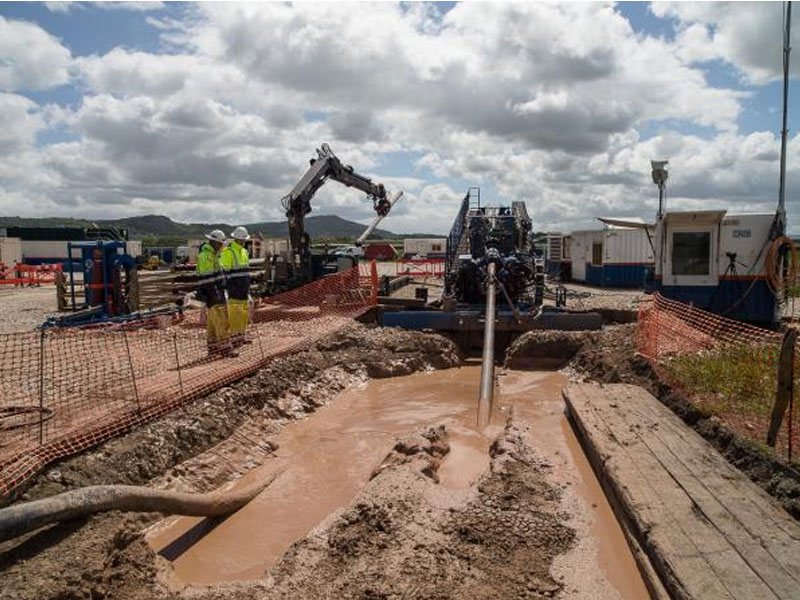
Horizontal directional drilling (HDD) trenchless construction project with drilling equipment and fluid management at a pipeline installation site

Environmental Impact Assessment for Trenchless Construction: Requirements, Permits, Risks & Compliance Guide

Environmental impact assessments for trenchless construction typically include groundwater and hydrogeological evaluation, soil and geotechnical investigation, noise and vibration monitoring, drilling fluid and waste management review, and greenhouse gas emissions assessment. The specific requirements depend on project location, drilling method (HDD, microtunneling, or pipe bursting), environmental sensitivity of the area, and the enforcing regulatory authority

Leer Más »