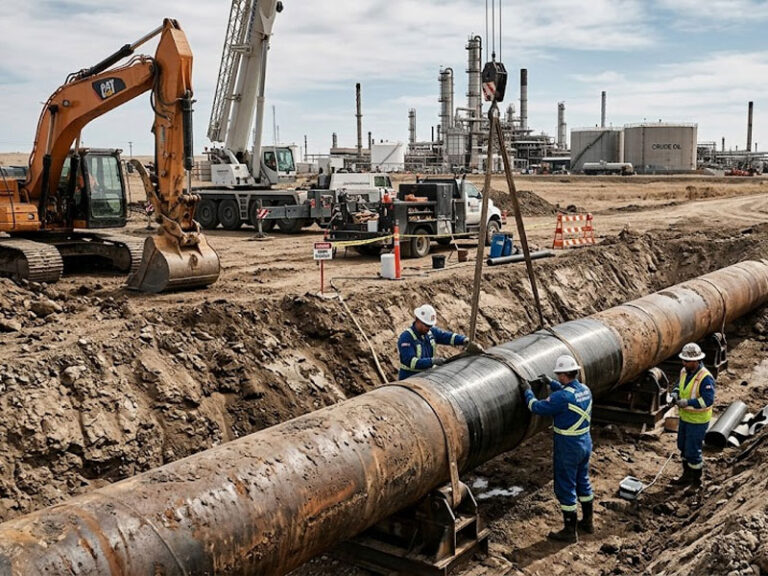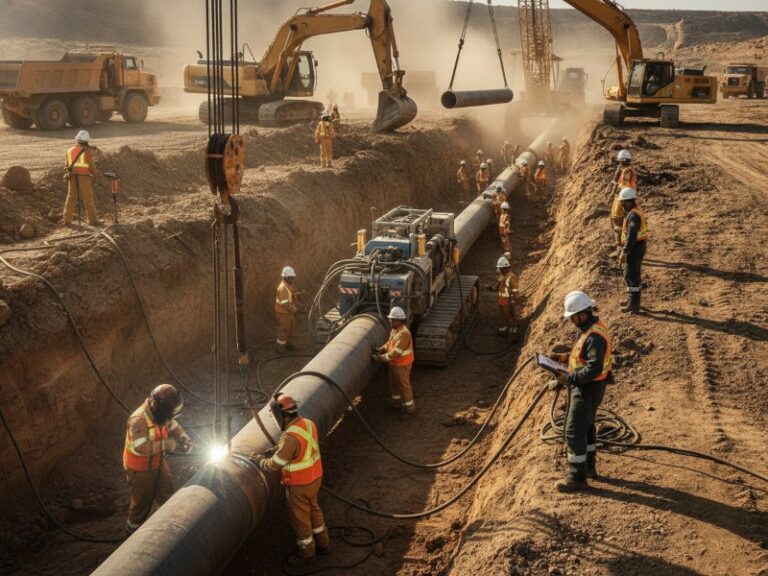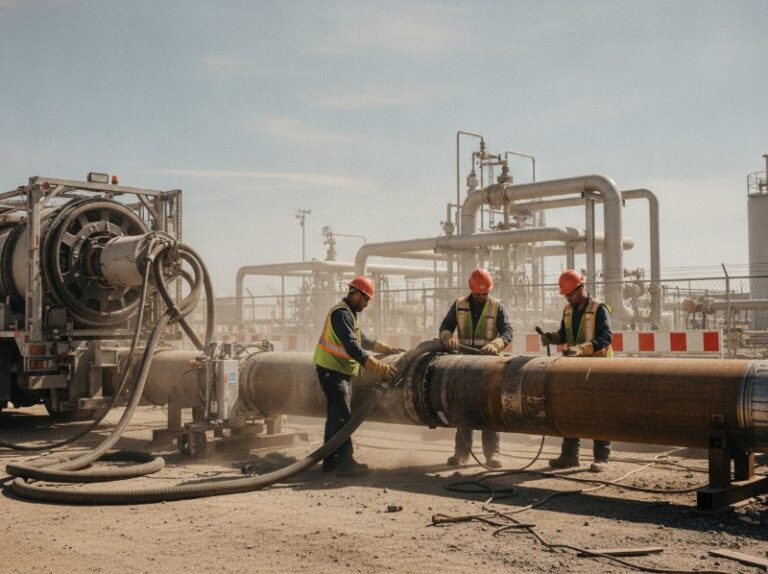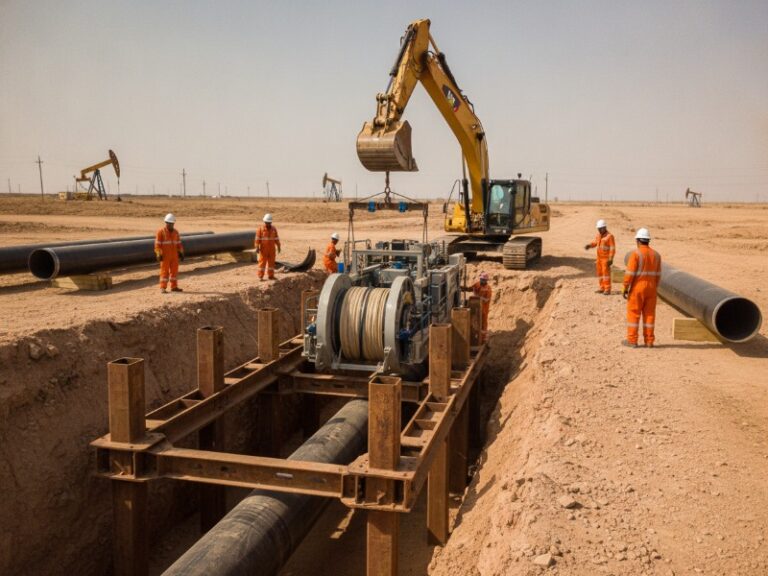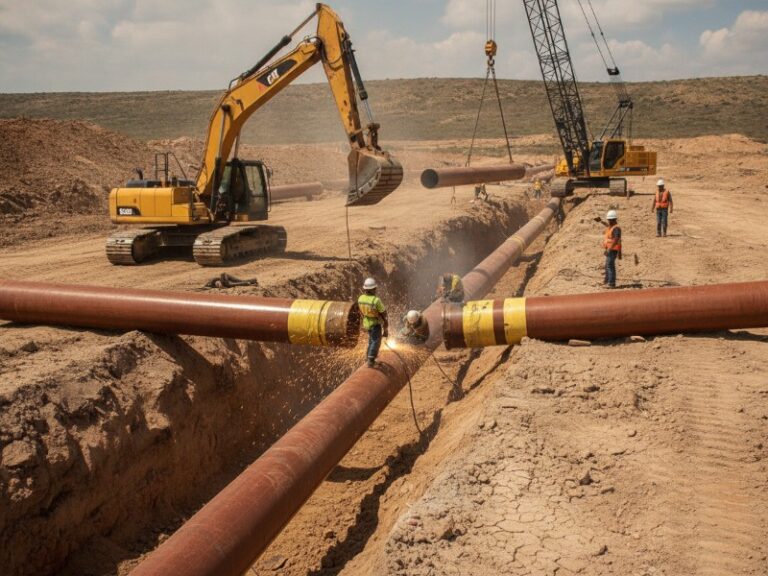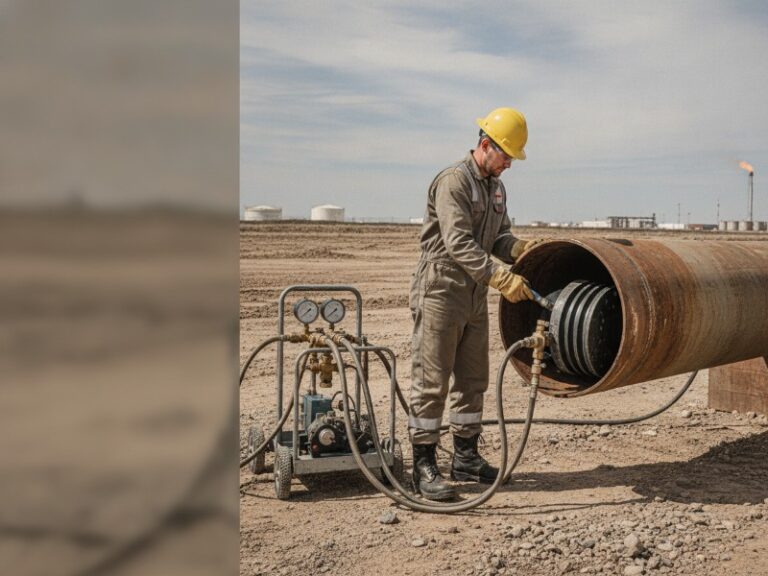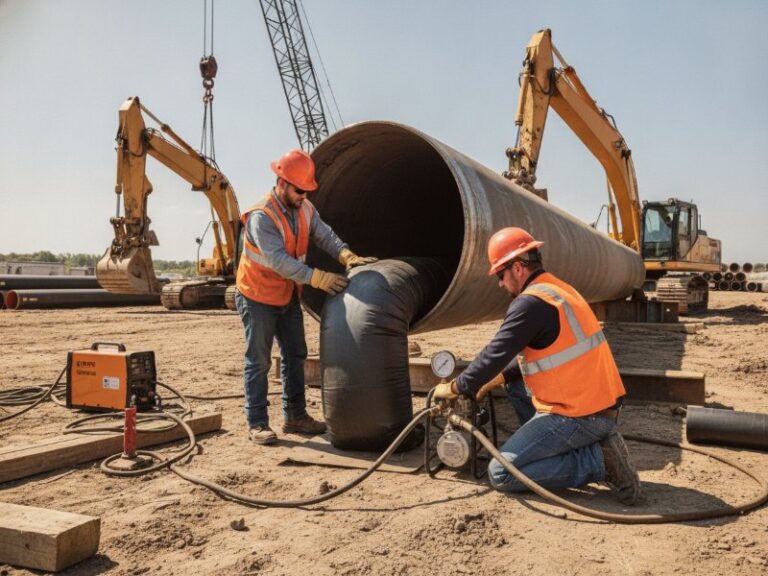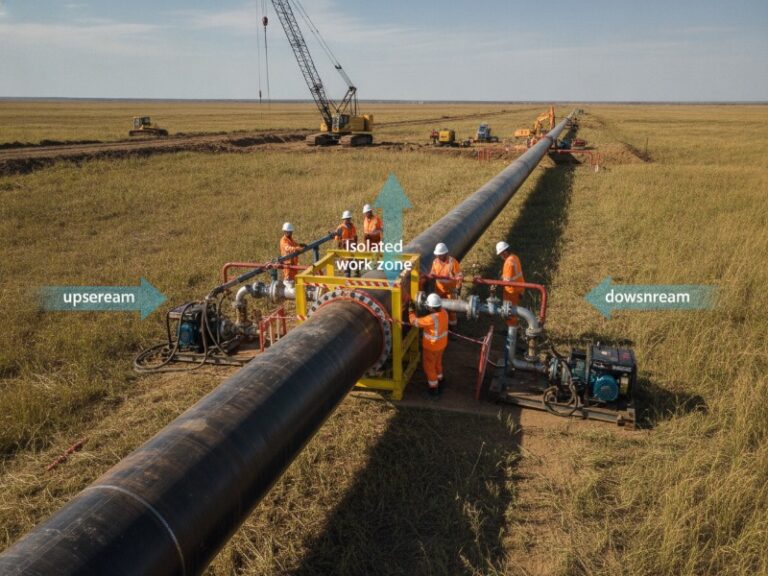
live tapping hot tapping operating gas pipeline

Why is hot tapping necessary while a pipeline is in operation?

Hot tapping is necessary while a pipeline is in operation because it is the only method that allows for modifications, repairs, or expansions to a pressurized pipeline system without requiring a costly and disruptive full shutdown. This critical procedure enables continuous service delivery, significant cost savings, and the mitigation of

Lire plus »
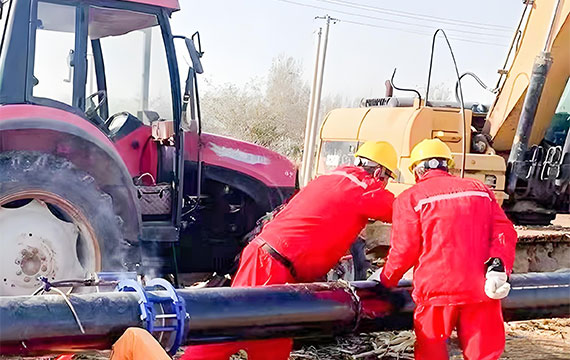
Ouvriers et équipement rouge travaillant sur un gazoduc sous un pont dans le cadre de la construction du gazoduc de Suqian.

How does the basic working principle of hot tapping work?

Hot tapping is a specialized pipeline maintenance and modification procedure that allows a new branch connection to be safely added to an existing, pressurized pipeline without interrupting service or product flow. The basic working principle involves mechanically drilling or cutting into the live pipeline while it is under pressure, using

Lire plus »
Soudage de raccords de tuyauterie pour l'équipement de taraudage à chaud sur le gazoduc haute pression DN400 L415 (site de relocalisation du gazoduc, 2023)

What is pipeline hot tapping (pressure tapping) technology?

What is pipeline hot tapping (pressure tapping)? This definitive guide explains the step-by-step procedure, key applications, safety standards, and benefits for oil, gas, water, and industrial pipeline modification without shutdown. Pipeline hot tapping, also known as pressure tapping, is a specialized live-line intervention technique that allows for the safe connection

Lire plus »
industrial red hydraulic-hot tapping machine in JSW manufactorer factory

Where can I rent hot tapping equipment?

You can rent hot tapping equipment primarily from specialized industrial equipment rental companies, pipeline service contractors, and directly from certain equipment manufacturers or distributors. This guide will detail each of these sources, explain the critical factors in selecting the right equipment for your oil, water, or industrial pipeline maintenance project,

Lire plus »
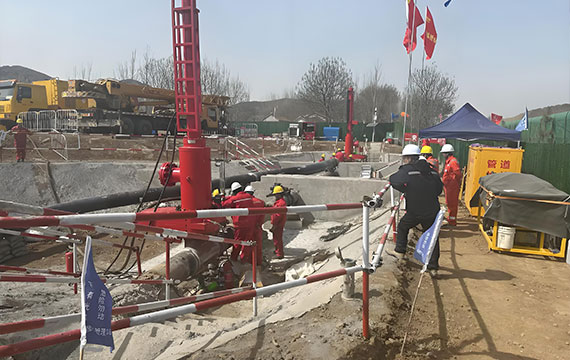
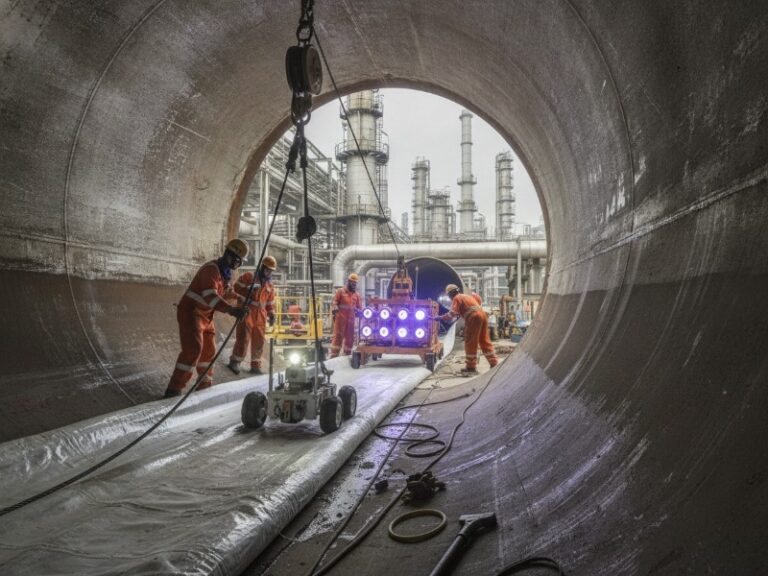
A large underground construction tunnel featuring prominent red industrial hot tapping on a black pipeline, with workers and construction lighting in the background.

Quelles formations et certifications les opérateurs d'équipements de forage à chaud doivent-ils posséder ?

Operators of hot tapping equipment must possess comprehensive, formal training and hold specific certifications that demonstrate competency in safe procedures, equipment handling, and emergency response, typically aligned with OSHA standards, ASME PCC-2, and manufacturer-specific qualifications. This mandatory training ensures operators can safely perform pressure tapping and line stopping on live

Lire plus »
A high-angle shot of a large industrial oil and gas pipeline with red and yellow control valves installed in a dirt trench, with an oil refinery facility in the background.

Comment les techniques de taraudage à chaud sont-elles appliquées aux tuyauteries des usines chimiques et pétrochimiques ?

Hot tapping is applied in chemical and petrochemical plant piping to safely create new connections, install instruments, or perform maintenance on pipelines that remain in service, pressurized, and carrying product, thereby avoiding costly and hazardous shutdowns. This engineered procedure, which involves controlled welding and drilling on a live system, is a

Lire plus »
Une machine de taraudage à chaud TRITORL installée sur un pipeline industriel corrodé dans une raffinerie ou une centrale électrique, démontrant les meilleures pratiques pour l'entretien et la réparation des pipelines.

Quelles sont les meilleures pratiques en matière de taraudage à chaud sur des segments de pipelines vieillissants ou potentiellement corrodés ?

The best practices for hot tapping on aging or potentially corroded pipeline segments involve a rigorous, multi-stage protocol centered on pre-job integrity assessment, comprehensive risk mitigation, and strict adherence to industry standards such as API RP 2201 and GSO 2492 to prevent catastrophic failure. This process is inherently hazardous, as it

Lire plus »
A large industrial pipeline with a blue gate valve and a yellow control valve installed at an outdoor construction site in a desert environment.

Pouvez-vous nous faire part d'une étude de cas où le taraudage à chaud a été utilisé pour contourner une vanne défaillante sur une conduite de pétrole brut ?

Certainly. A highly instructive case study comes from Petrobras’s (Petróleo Brasileiro S.A.) operations in the Marlim field of the Campos Basin. The company successfully implemented hot tapping and plugging bypass procedures to install fiscal meters on live crude oil pipelines, entirely avoiding production shutdowns that would have lasted 15 days per platform. Hot tapping is

Lire plus »
Un employé des services publics, vêtu d'une tenue de protection jaune, effectue un raccordement à chaud sur un réseau de canalisations d'eau et d'eaux usées à l'intérieur d'une tranchée étayée, dans le cadre d'une modernisation du réseau.

Comment le taraudage à chaud est-il utilisé dans l'industrie de l'eau et des eaux usées pour moderniser les systèmes sans interruption de service ?

Hot tapping is a critical pipeline intervention technology used in the water and wastewater industry to perform system upgrades, repairs, and modifications while the pipeline remains in full operation, thereby avoiding costly service interruptions. This method involves welding a branch connection onto a live, pressurized pipe and then using a specialized

Lire plus »
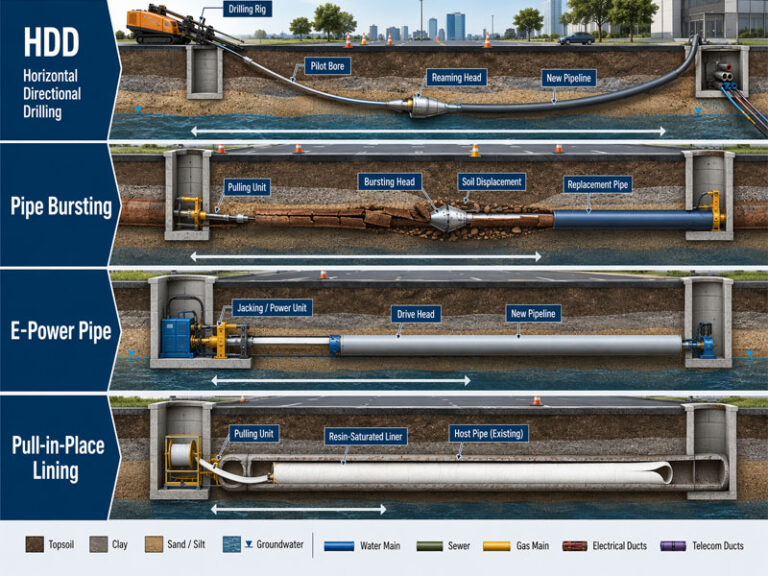
Engineering infographic comparing pulling-distance concepts for HDD, pipe bursting, E-Power Pipe, and pull-in-place lining in underground pipelines

Maximum Distance a Pipe Can Be Pulled Using Trenchless Methods: HDD Pull Length, Pipe Bursting & Lining Limits

The maximum distance a pipe can be pulled using trenchless methods ranges from approximately 50 meters to more than 3,000 meters, depending on the installation technology, pipe characteristics, ground conditions, and equipment limitations. For new pipeline construction, Horizontal Directional Drilling (HDD) typically achieves 200–800 meters per pull. For pipeline rehabilitation, specialized

Lire plus »
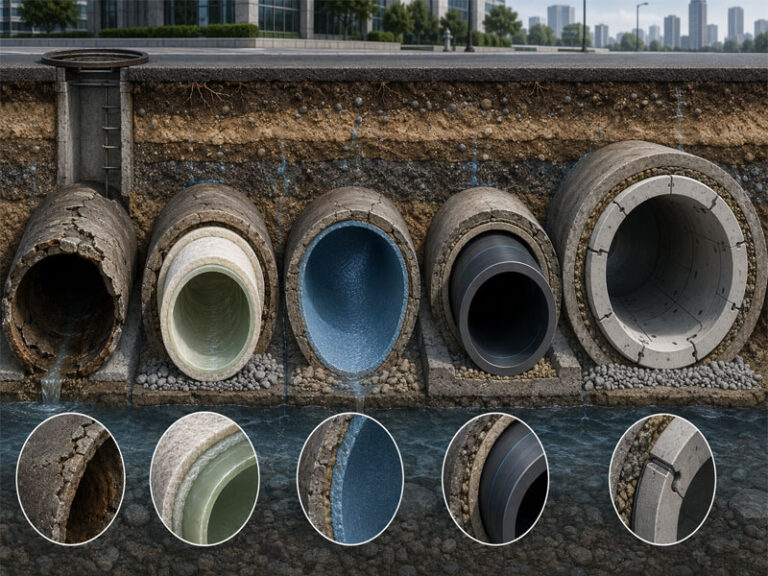
Engineering cutaway illustration comparing CIPP resin liners, spray-applied polyurea, HDPE sliplining, and UHPC structural lining segments in underground sewer pipes.

Best Trenchless Pipe Rehabilitation Materials: CIPP, Polyurea, HDPE Comparison

Best Materials for Trenchless Pipe Rehabilitation The most widely used and effective materials for trenchless pipe rehabilitation are thermosetting resin systems—specifically epoxy, polyester, and vinyl ester—combined with reinforcement fabrics such as fiberglass or polyester felt. For most municipal sewer rehabilitation projects, polyester CIPP offers the best cost-to-performance balance, while epoxy CIPP is preferred for pipes

Lire plus »