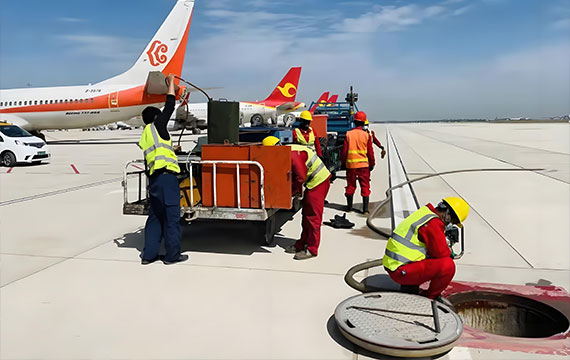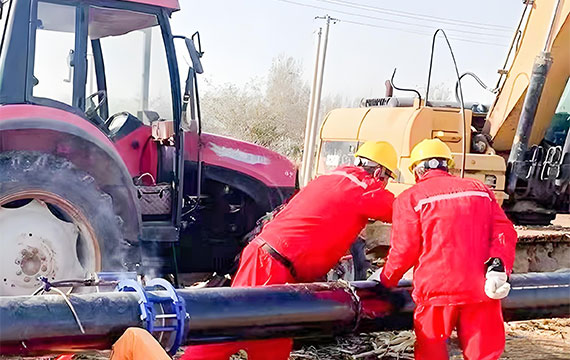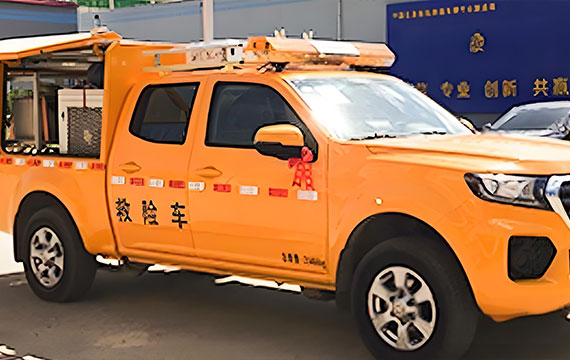
Three pipeline engineers in orange safety coveralls, hard hats, and gloves conducting maintenance on a large industrial steel pipeline with gauges.

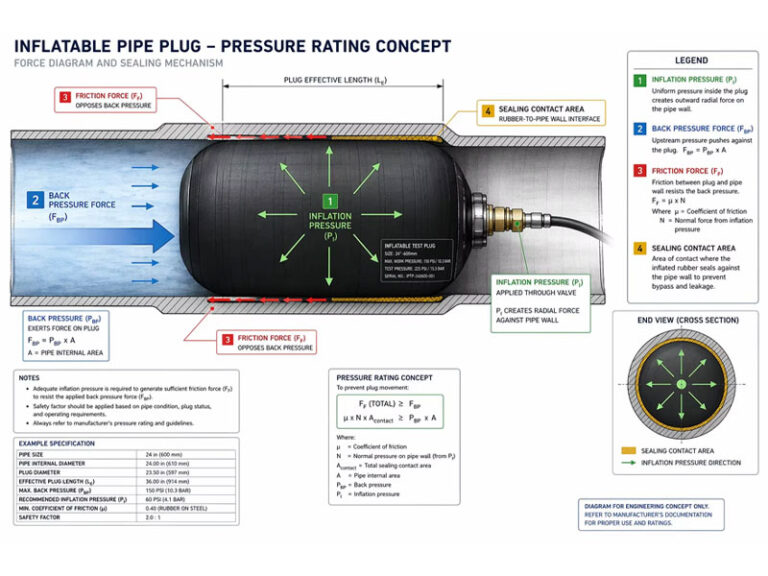
DBB Line Stopping in Hot Crude Pipelines (150–260°C): FKM vs FFKM Selection, Testing, and Safety Limits

Best Elastomer for 150°C+ DBB Line Stopping For double block and bleed line stopping in high-temperature crude pipelines, the elastomer selection follows this rule: Elastomer Selection by Temperature Pipeline Condition Recommended Elastomer 150–170°C, low aromatics (<15%) FKM (minimum acceptable) 150–200°C, sour or high-aromatic crude FFKM required 170–200°C (any crude) FFKM

Lire plus »
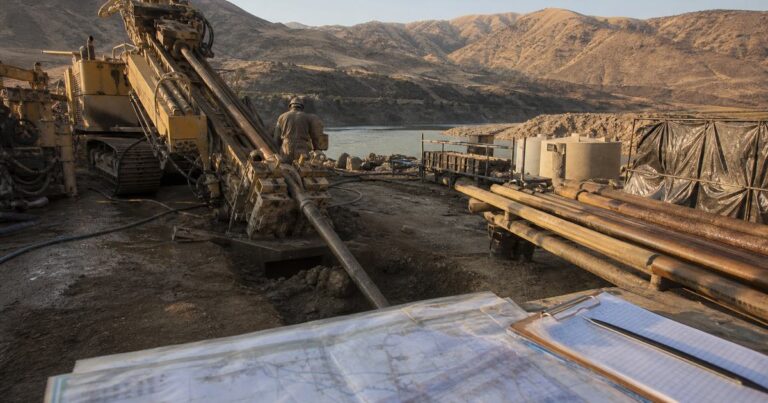
Two field engineers perform hot tapping on a large steel pipeline within a trench, surrounded by industrial equipment at a sunny desert oilfield site.

Raccordement à chaud sur les gazoducs transportant du gaz acide : NACE MR0175 – Choix des matériaux, contrôle de la dureté et prévention de la corrosion sous contrainte

How to Prevent Sulfide Stress Cracking (SSC) in Split Tees, Valves, and Welds Under High H₂S Conditions NACE Requirements for Sour Gas Hot Tapping Introduction: What This Guide Covers Hot tapping on sour gas pipelines requires strict compliance with NACE MR0175/ISO 15156. This guide provides material selection specifications, hardness control

Lire plus »
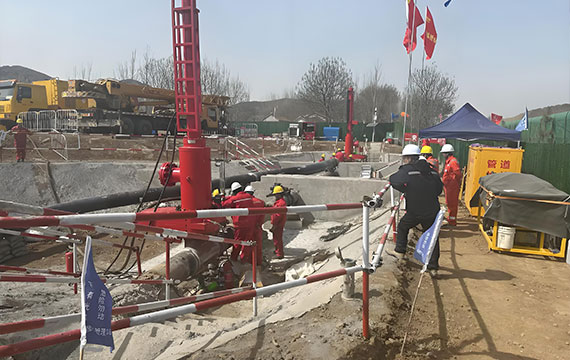
Construction workers in safety gear install a large black pipeline in a wide desert trench. Heavy machinery and safety barriers are visible at the active worksite.

Pipeline Repair vs Replacement: Criteria, Cost, and When to Repair

When Should a Pipeline Be Repaired Instead of Replaced? A pipeline repair decision is appropriate when damage is localized, remaining wall thickness exceeds 70–80%, and the expected service life after repair justifies the lower cost compared to replacement. Typical cases include isolated pitting corrosion, single-point leaks, minor mechanical damage from

Lire plus »
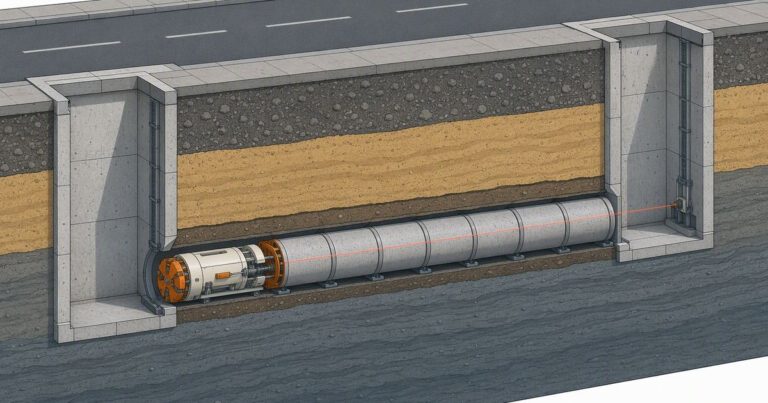
Workers in safety gear performing trenchless oil pipeline rehabilitation in a deep access pit at an industrial construction site under a bright sky.

How Does Trenchless Pipeline Rehabilitation Work?

Last updated: May 2026 | Based on 500+ trenchless projects and 2024-2026 industry data Reviewed by a licensed Professional Engineer (P.E.) with 15+ years of trenchless pipeline rehabilitation experience and member of NASTT. Is trenchless pipe repair worth it? Yes. Trenchless pipe repair typically reduces costs by 30-60%, shortens project time

Lire plus »
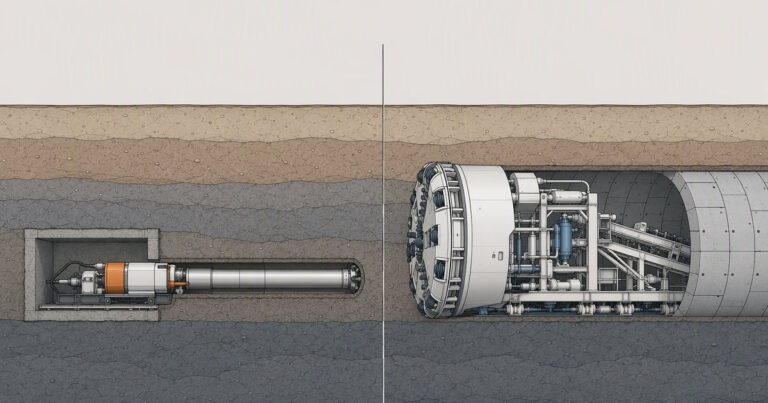
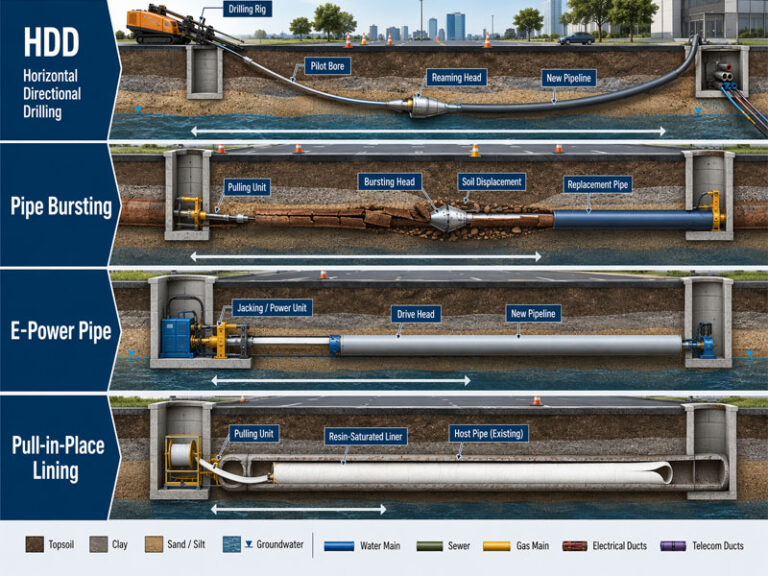
Engineering infographic comparing pulling-distance concepts for HDD, pipe bursting, E-Power Pipe, and pull-in-place lining in underground pipelines

Maximum Distance a Pipe Can Be Pulled Using Trenchless Methods: HDD Pull Length, Pipe Bursting & Lining Limits

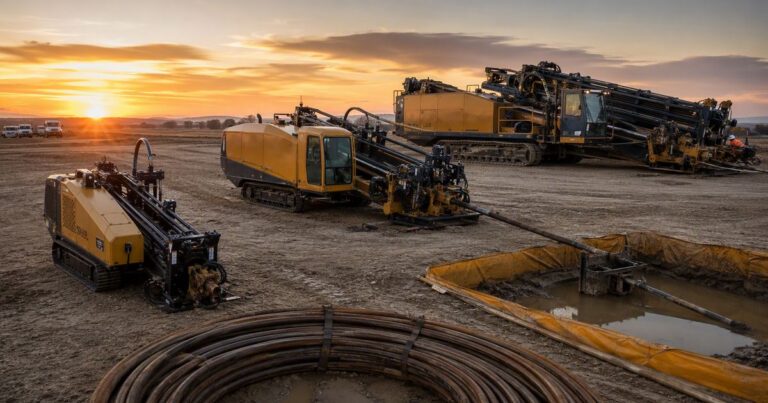
The maximum distance a pipe can be pulled using trenchless methods ranges from approximately 50 meters to more than 3,000 meters, depending on the installation technology, pipe characteristics, ground conditions, and equipment limitations. For new pipeline construction, Horizontal Directional Drilling (HDD) typically achieves 200–800 meters per pull. For pipeline rehabilitation, specialized

Lire plus »
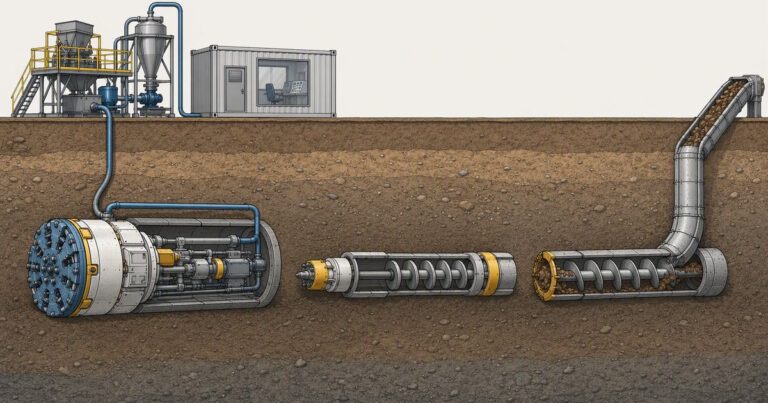
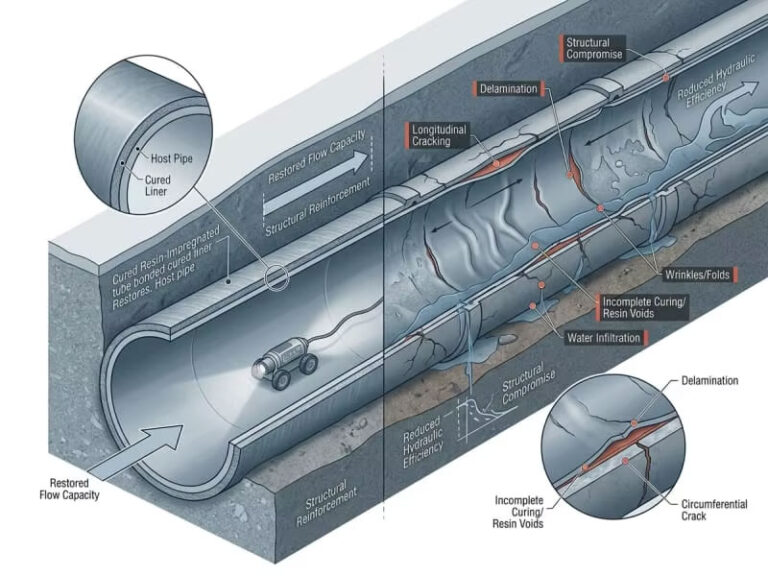
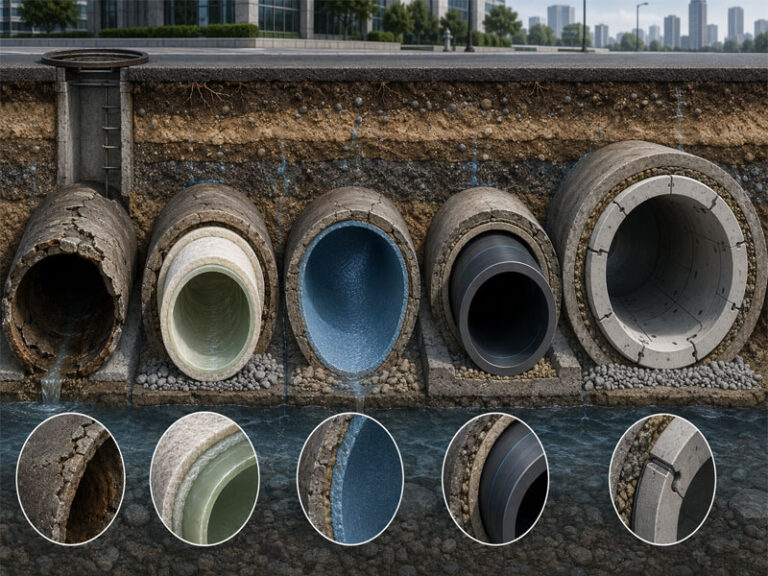
Engineering cutaway illustration comparing CIPP resin liners, spray-applied polyurea, HDPE sliplining, and UHPC structural lining segments in underground sewer pipes.

Best Trenchless Pipe Rehabilitation Materials: CIPP, Polyurea, HDPE Comparison

Best Materials for Trenchless Pipe Rehabilitation The most widely used and effective materials for trenchless pipe rehabilitation are thermosetting resin systems—specifically epoxy, polyester, and vinyl ester—combined with reinforcement fabrics such as fiberglass or polyester felt. For most municipal sewer rehabilitation projects, polyester CIPP offers the best cost-to-performance balance, while epoxy CIPP is preferred for pipes

Lire plus »