
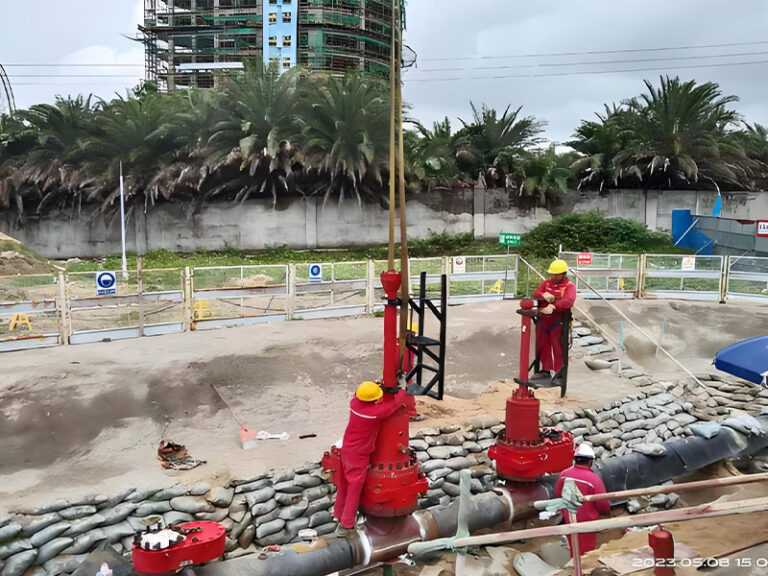
Bypass pumping systems integrate with pipeline repair services by temporarily diverting fluid flow around the section undergoing maintenance, creating a dry work environment while maintaining uninterrupted service to downstream customers. This integration requires coordinated planning between pumping contractors and repair crews, proper equipment sizing based on flow rates, strategic placement of isolation points, and continuous monitoring throughout the repair duration. The most effective integration follows a systematic approach: upstream flow interception, temporary conveyance through HDPE piping, and downstream re-entry, all synchronized with the specific repair method whether CIPP lining, pipe bursting, or traditional cut-and-replace operations.
Pipeline owners, municipal engineers, and contractors face the daily challenge of maintaining aging infrastructure without disrupting communities or industrial processes. This comprehensive guide examines how bypass pumping integrates with various repair methodologies, the critical design parameters that determine success, equipment selection criteria, and real-world implementation strategies. Whether you are planning a emergency line stop or a scheduled sewer rehabilitation, understanding this integration ensures project efficiency, regulatory compliance, and community satisfaction.
What Is Bypass Pumping and Why Is It Essential for Pipeline Repair?
Bypass pumping is a temporary fluid management solution that creates an alternative flow path around a pipeline section taken out of service for repair, rehabilitation, or replacement. The system physically intercepts the flow upstream of the work zone and conveys it through temporary piping to a downstream discharge point, allowing repair crews to work in a dry, safe environment.
The essential nature of bypass pumping for pipeline repair stems from a fundamental operational reality: pipelines rarely have the luxury of extended shutdowns. Municipal wastewater systems must continue serving homes and businesses. Industrial facilities cannot halt production. Petroleum and chemical pipelines face enormous economic consequences from downtime. Bypass pumping resolves this conflict by enabling simultaneous flow continuation and repair work.
Core Functions of Bypass Integration
The integration serves four critical functions:
- Flow Diversion: Redirects 100% of the flow around the repair zone, including peak flow events and emergency surges
- Isolation Creation: Works with pipeline plugs and line stop equipment to create a dry, depressurized work area
- Environmental Protection: Prevents sewage overflows, contaminated soil releases, and waterway pollution during repairs
- Service Continuity: Maintains full service to customers without interruption, meeting municipal obligations and industrial production requirements
A properly integrated bypass system transforms what could be a major community disruption into an invisible maintenance event. Residents and businesses remain unaware that critical infrastructure repairs are occurring because their water continues flowing and toilets continue flushing.
How Do Bypass Systems Integrate with Different Pipeline Repair Methods?
The integration approach varies significantly depending on the repair method selected. Each technique imposes specific requirements on the bypass system design and operation.
Integration with Trenchless Pipe Rehabilitation
Trenchless methods like Cured-In-Place Pipe (CIPP) lining represent the most common application for bypass pumping integration. During CIPP installation, a resin-saturated liner is inserted into the existing host pipe and cured using hot water, steam, or UV light. The process requires the pipe section to remain completely dry during curing.
The Integration Sequence:
- Upstream flow is intercepted at a manhole or access point using submersible pumps or self-priming centrifugal pumps
- Flow is conveyed through temporary HDPE pipes running above ground along the street or through easements
- Discharge occurs at a downstream manhole beyond the repair section
- Repair crews clean and inspect the empty pipe section
- The liner is installed and cured while bypass pumps continue operating
- Upon cure completion and quality verification, the bypass is demobilized and flow returns to the rehabilitated pipe
Critical Requirements: CIPP projects often require 8-24 hours of continuous bypass operation. The system must include redundant pumps (N+1 configuration) to guard against failure during curing. If bypass fails mid-cure, the liner may be ruined and raw sewage could overflow into streets or buildings.
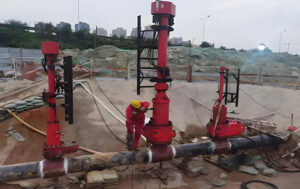
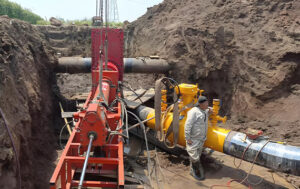
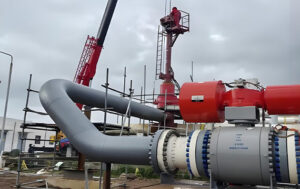
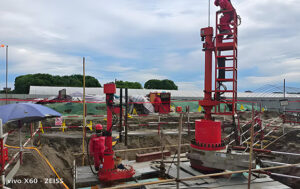
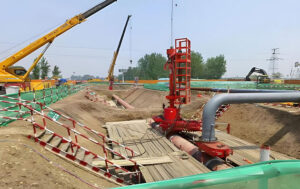
Integration with Line Stopping and Hot Tapping
Line stopping (also called pipeline stopple) and hot tapping represent more complex integrations where the bypass becomes part of a pressurized isolation system. This approach is common in water mains, force mains, and industrial pipelines where flow cannot be gravity-diverted.
The Integration Process:
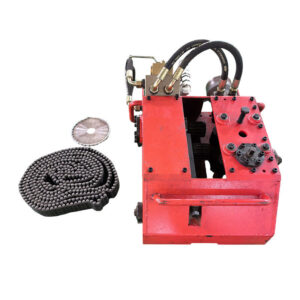
- Hot tapping machines create access points on the live pipeline without shutdown
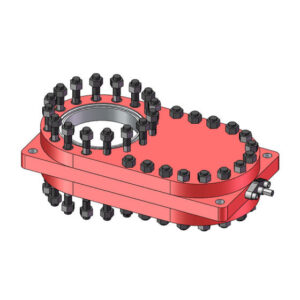
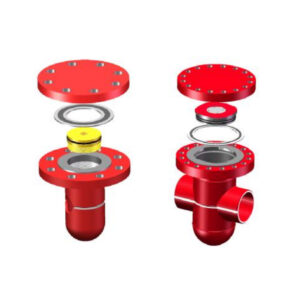
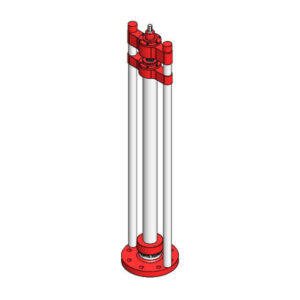
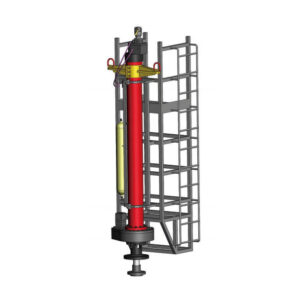
- Line stop fittings and plugging heads are inserted through these taps to block flow
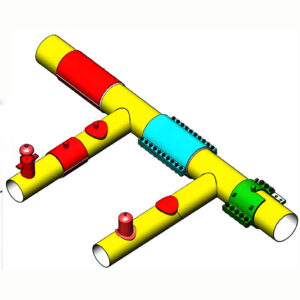
- A temporary bypass line is connected between the upstream and downstream taps
- Flow diverts through the bypass while the isolated section undergoes repair
- Upon completion, line stop heads are retracted, and the taps are permanently capped
This integration method offers the advantage of maintaining full pipeline pressure during repairs, essential for water distribution systems and industrial applications. The bypass piping must be pressure-rated to match the main line specifications.
Integration with Pipe Bursting and Replacement
Pipe bursting involves destroying the existing pipe while simultaneously pulling a new pipe into place. This method requires different integration considerations:
- Flow must be diverted for the entire duration of the bursting operation, which may span multiple days
- Bypass piping must accommodate the bursting equipment layout and movement
- Service connections to individual buildings may require separate temporary pumping solutions
- Coordination between the bursting crew and bypass operators is critical during pipe section changes
Integration with Point Repairs and Emergency Fixes
Emergency repairs demand rapid bypass deployment. A typical emergency integration follows this pattern:
- Emergency response team arrives with pre-configured bypass equipment
- Pumps are lowered into the nearest upstream manhole
- Discharge hoses are laid to the nearest downstream access point
- Pipeline plugs isolate the damaged section
- Repair crews expose and fix the damaged pipe
- System restoration occurs immediately upon repair completion
The key to emergency integration is equipment readiness and crew training. Response times under two hours from call to flow diversion are achievable with proper planning.
What Are the Critical Components of an Integrated Bypass System?
Successful integration requires understanding how each system component contributes to overall performance. The table below summarizes the primary components and their functions:
| Component Category | Specific Equipment | Function in Integration | Selection Criteria |
|---|---|---|---|
| Pumps | Diesel-driven centrifugal pumps | Primary flow movement for high-volume applications | Capacity: 1.5-2.0x peak flow; Solids handling: 3-inch minimum |
| Electric submersible pumps | Quiet operation in residential areas; Continuous long-term duty | Head pressure requirements; Power availability | |
| Self-priming trash pumps | Rapid deployment for emergencies; Handles debris-laden water | Priming speed; Solids passage capability | |
| Piping | HDPE fusion-welded pipe | Permanent-feeling temporary main; Leak-free connections | Diameter sizing for friction loss; Pressure rating |
| Lay-flat hose | Rapid deployment; Easy retrieval; Flexible routing | Abrasion resistance; Working pressure | |
| Steel pipe with mechanical joints | High-pressure applications; Road crossings with heavy traffic | Pressure class; Coating for corrosion resistance | |
| Isolation Equipment | Inflatable pipeline plugs | Temporary blocking during repair; Multiple diameters | Pressure rating; Chemical compatibility |
| Mechanical line stop heads | Positive isolation for pressurized lines | Pipe material compatibility; Installation method | |
| Double block and bleed systems | Maximum safety for hazardous materials | Redundant sealing; Bleed port verification | |
| Controls & Monitoring | Automatic level controls | Pump start/stop based on wet well level | Reliability; Redundancy |
| Telemetry systems | Remote monitoring of pump status and flows | Cellular connectivity; Alarm capabilities | |
| Flow meters | Verification of bypass capacity; Regulatory reporting | Accuracy; Installation method |
Pump Selection and Redundancy Requirements
Pump selection represents the most critical technical decision in bypass integration. Undersized pumps lead to overflows; oversized pumps waste fuel and may cause operational issues. Industry practice dictates sizing for peak flow plus 50% safety factor, with N+1 redundancy meaning at least one additional pump beyond the calculated requirement.
For municipal wastewater applications, pumps must handle:
- Rags, wipes, and other debris without clogging
- Grit and abrasives without excessive wear
- Intermittent operation without losing prime
- Extended continuous duty (sometimes weeks)
Piping Layout and Site Constraints
The physical layout of bypass piping often presents the greatest integration challenge. Piping must navigate:
- Traffic patterns requiring road plates or overhead crossings
- Residential properties requiring noise mitigation
- Environmental constraints like stream crossings
- Other utilities requiring clearance
Professional integration considers these factors during the planning phase, not after mobilization. Site walks with both the repair crew and bypass team identify conflicts before they cause delays.
How Do You Design an Integrated Bypass System for Pipeline Repair?
Designing an integrated bypass system follows a systematic engineering process that considers hydraulic requirements, site constraints, and repair methodology.
Step 1: Flow Characterization
Accurate flow data forms the foundation of any bypass design. Designers must determine:
- Average daily flow: The typical flow rate during normal conditions
- Peak hourly flow: The maximum expected flow during diurnal cycles
- Peak wet weather flow: Storm-related increases in sanitary or storm systems
- Minimum flow: Low-flow periods that may affect pump priming
For municipal systems, flow monitoring should capture at least 14 days of data to establish reliable patterns. For industrial applications, production schedules determine flow variations. When historical data is unavailable, conservative estimates based on population served or meter records provide starting points.
Step 2: System Sizing Calculations
With flow characterized, engineers calculate:
Total Dynamic Head (TDH) = Static Head + Friction Losses + Velocity Head
Static head represents the vertical lift from the suction source to the highest discharge point. Friction losses depend on pipe diameter, length, and material. Every 90-degree bend adds equivalent pipe length to the calculation.
Required Pipe Diameter is determined by:
- Flow rate (Q)
- Acceptable velocity (typically 5-8 feet per second)
- Available pump discharge connections
- Site layout constraints
Undersized piping increases friction losses, potentially exceeding pump capacity. Oversized piping increases cost and handling difficulty.
Step 3: Redundancy and Contingency Planning
Professional integration always includes contingency plans for:
- Power failure: Generators with automatic transfer switches and fuel reserves
- Pump failure: Installed standby pumps ready to start automatically
- Pipe damage: Spare hose sections and repair couplings on site
- Weather events: Capacity for additional inflow during rain
- Extended duration: Fuel delivery arrangements and operator coverage
Step 4: Regulatory Compliance and Permitting
Bypass integration often requires regulatory approvals. Discharge points must comply with:
- National Pollutant Discharge Elimination System (NPDES) permits
- Local sewer use ordinances
- Environmental agency notifications
- Right-of-way permits for temporary piping
Experienced contractors handle these requirements as part of their service, ensuring all permits are secured before work begins.
What Are the Best Practices for Bypass Installation and Operation?
Field implementation determines whether a well-designed system succeeds or fails. Following proven best practices ensures reliable operation throughout the repair project.
Pre-Installation Site Preparation
Before any equipment arrives, the site must be prepared:
- Confirm all access points (manholes, cleanouts) are accessible and clear
- Verify power availability for electric pumps or generator placement
- Identify piping routes and mark potential conflicts
- Establish exclusion zones for public safety
- Stage all equipment for efficient deployment
Installation Sequence
Professional crews follow a systematic installation process:
- Suction Setup: Place pumps in the upstream wet well or manhole, ensuring proper submergence and debris screening. Use lifting equipment rated for the pump weight. Secure suction hoses to prevent movement.
- Discharge Piping Installation: Lay piping from the pumps to the discharge point, following the predetermined route. Use proper bedding for road crossings. Install thrust blocks at bends if pressures exceed 50 psi. Label piping clearly to warn the public.
- Discharge Point Preparation: Secure the discharge point with erosion control if discharging to natural waterways. Install diffusers to reduce velocity. Ensure the receiving structure can handle the flow without surcharging.
- Isolation Equipment Installation: Coordinate with repair crews to install pipeline plugs or line stop equipment. Verify isolation integrity before authorizing repair work to begin.
- System Testing: Run the bypass system at full capacity before taking the main line offline. Verify flows, pressures, and alarm systems. Conduct a formal pre-startup safety review.
Continuous Monitoring During Operation
Once operational, the bypass system requires constant attention:
- Monitor pump performance and fuel levels hourly
- Check piping for leaks or damage, especially at connections
- Verify discharge point condition and receiving structure capacity
- Document flows and any operational issues
- Maintain communication between bypass operators and repair crews
Modern systems incorporate telemetry that sends alarms to operators’ phones for high-water conditions, pump failures, or power loss. This technology enables rapid response before problems escalate.
Demobilization and Restoration
After repair completion, systematic demobilization ensures proper restoration:
- Verify repair quality and return flow to the main line gradually
- Remove isolation equipment following proper procedures
- Flush bypass piping to remove debris
- Disconnect and retrieve all piping and equipment
- Restore any disturbed areas to pre-project condition
- Conduct final site inspection with project stakeholders
What Integration Challenges Arise in Different Applications?
Each application presents unique integration challenges that experienced contractors anticipate and address.
Municipal Wastewater Collection Systems
Municipal systems present the most common integration environment, with specific challenges:
- Flow variability: Morning and evening peaks may double average flow
- Infiltration and inflow: Rain events can overwhelm systems sized for dry weather
- Public interface: Piping through neighborhoods requires community relations
- Aging infrastructure: Manhole conditions may affect pump placement
Solutions include larger safety factors for wet weather, overnight work during low-flow periods, and extensive public notification programs.
Industrial Process Pipelines
Industrial applications demand different considerations:
- Chemical compatibility: Bypass materials must resist process fluids
- Pressure requirements: Systems may operate at 150+ psi
- Temperature extremes: Hot fluids may require specialized hose materials
- Hazardous classifications: Explosion-proof equipment in volatile environments
Industrial integration typically involves closer coordination with plant operations and more rigorous safety protocols.
Potable Water Systems
Water main repairs require additional attention to:
- Disinfection: All bypass equipment must be potable-water certified
- Pressure maintenance: Systems must maintain distribution pressure for fire flow
- Backflow prevention: Multiple check valves prevent contamination
- Chlorine residual: Bypassed water must meet quality standards
Large-Diameter Pipelines (36 inches and above)
Big pipes create big challenges:
- Flow volumes: Millions of gallons per day require massive pump stations
- Space constraints: Large pumps and piping require significant footprint
- Isolation complexity: Giant line stop equipment requires specialized contractors
- Economic impact: Failure consequences are severe
For these applications, integration planning begins months in advance, with full-scale hydraulic modeling and extensive redundancy.
How Do You Select the Right Bypass Pumpig Contractor?
The contractor’s expertise in integration often determines project success. Evaluation criteria should include:
Technical Capabilities
- Equipment inventory: Does the contractor own sufficient pumps and pipe for your project size?
- Redundancy philosophy: Will they provide backup equipment automatically?
- Monitoring technology: Do they offer telemetry and remote alarming?
- Flow monitoring expertise: Can they characterize flows accurately before design?
Experience and Track Record
- Similar projects: Has the contractor completed projects comparable to yours?
- Emergency response: What is their typical mobilization time?
- Problem resolution: How do they handle unexpected challenges?
- References: What do previous clients say about their integration performance?
Integration Approach
- Planning involvement: Do they participate in pre-bid site visits and planning meetings?
- Coordination willingness: Will they coordinate directly with your repair contractor?
- Contingency planning: Do they present backup plans proactively?
- Regulatory knowledge: Are they familiar with local permit requirements?
The lowest bid rarely delivers the best integration. Value comes from reliability, expertise, and the ability to prevent failures before they occur.
What Does Bypass Pumping Integration Cost?
Costs vary significantly based on project parameters, but understanding the components helps in budgeting and evaluation.
Cost Factors
| Factor | Impact on Cost | Typical Range |
|---|---|---|
| Flow Rate | Higher flows require larger pumps and pipe | $50-200 per 100 GPM per day |
| Duration | Longer projects benefit from economies of scale | Weekly rates typically 5× daily rates |
| Head Conditions | High lifts require more pump horsepower | +20-40% for high-head applications |
| Access Constraints | Difficult sites increase labor costs | +25-100% for restricted access |
| Pipe Routing Length | Longer runs require more pipe and higher friction management | $15-30 per foot of installed pipe |
| Redundancy Level | N+1 redundancy adds equipment cost | +50-100% for full redundancy |
| Emergency Service | Rapid response commands premium rates | 1.5-2.0× standard rates |
Cost vs. Consequence Analysis
When evaluating bypass costs, consider the consequences of failure:
- Regulatory fines for sewer overflows: $10,000-50,000 per day
- Property damage from backups: Potentially millions
- Reputation damage: Incalculable
- Project delays: Extended repair duration and associated costs
Professional bypass integration represents insurance against these consequences. The investment in proper equipment, redundancy, and expertise pays dividends in project success.
Frequently Asked Questions About Bypass Pumping for Pipeline Repair
Q: How long can a bypass pumping system operate continuously?
A: Modern bypass systems can operate indefinitely with proper maintenance. Diesel pumps require refueling every 24-48 hours depending on tank size. Electric pumps can run continuously for months with regular maintenance. The limiting factor is typically the repair duration, not pump capability.
Q: Can bypass pumping handle solids and debris?
A: Yes, properly specified pumps handle solids up to 3 inches or larger. Trash pumps and non-clog centrifugal pumps are specifically designed for wastewater with rags, wipes, and debris. Suction strainers prevent oversized objects from entering the pumps.
Q: What happens if a bypass pump fails during repair?
A: Professional systems include automatic redundancy. If the primary pump fails, a standby pump starts automatically. High-level alarms notify operators immediately. For critical applications like CIPP curing, multiple pumps run simultaneously so failure of one does not stop flow.
Q: Do bypass systems require permits?
A: Often yes. Temporary discharge permits, right-of-way permits, and environmental agency notifications may be required. Professional bypass contractors include permitting as part of their service.
Q: How is bypass piping routed through roads and driveways?
A: Several methods exist: steel road plates protect piping across pavement; trenching allows piping below grade with temporary restoration; overhead crossings use structural supports. The chosen method balances cost, disruption, and duration.
Q: Can bypass pumping work during freezing weather?
A: Yes, with appropriate measures. Heat tracing, insulation, and continuous flow prevent freezing. In extreme cold, recirculation lines maintain flow through pumps when not actively pumping forward.
Conclusion: The Integration Imperative
Bypass pumping systems integrate with pipeline repair services as the essential bridge between infrastructure necessity and community expectations. This integration enables the rehabilitation of aging systems without the service interruptions, environmental violations, and public outrage that historically accompanied major repairs.
Successful integration requires:
- Technical competence: Proper equipment selection and hydraulic design
- Planning discipline: Thorough flow characterization and contingency development
- Coordination excellence: Seamless communication between bypass and repair teams
- Commitment to reliability: Redundancy at every level
Whether you are a municipal engineer planning a multi-million dollar sewer rehabilitation, a contractor bidding on a complex line stop project, or a facility manager facing an emergency repair, understanding this integration ensures you achieve the ultimate goal: infrastructure renewal without disruption.
The next time you see temporary piping running along a street, you will recognize it as evidence of progress—aging infrastructure receiving new life while communities continue functioning normally. That is the power of properly integrated bypass pumping.
Last Updated: March 14, 2026
Author: Michael Chen, P.E. | Senior Pipeline Rehabilitation Engineer with 18 years experience in municipal and industrial bypass pumping integration
JSW in Integrated Pipeline Solutions
Since 1998, JSW has delivered comprehensive pipeline solutions to clients across North America, combining engineering expertise with field-proven execution capabilities. Unlike contractors who specialize in only one aspect of pipeline work, JSW provides fully integrated services that encompass the complete project lifecycle—from initial flow monitoring and bypass system design through isolation, repair, and final restoration.
Our Bypass Pumping Integration Advantage
| Capability | JSW Difference |
|---|---|
| Equipment Ownership | We own our entire fleet of pumps, HDPE piping, and isolation equipment—no rental delays, no unfamiliar equipment |
| Engineering Integration | In-house engineers design bypass systems that integrate seamlessly with your chosen repair method |
| N+1 Redundancy Standard | Every project includes automatic backup pumps; we never rely on single-point failure systems |
| 24/7 Emergency Response | Four-hour mobilization guarantee for emergency repairs; call centers staffed around the clock |
| Turn-Key Service | Single contract covers bypass pumping, line stopping, hot tapping, and repair coordination—simplified project management |
| Regulatory Compliance | We secure all permits and maintain strict environmental compliance throughout operations |
Industries We Serve
- Municipal water and wastewater utilities
- Petroleum and natural gas pipelines
- Chemical processing facilities
- Power generation plants
- Mining and slurry operations
- Industrial manufacturing
Our Commitment
When you choose JSW, you choose a partner committed to one principle: your pipeline keeps working while we repair it. We understand the economic and community consequences of service interruption, and we build every project around maintaining your operational continuity.
Contact Our Integration Specialists
Ready to discuss your pipeline repair project? Our engineering team provides complimentary bypass system assessments and budget estimates. Call our 24-hour hotline or complete the online form to connect with a project manager who understands your specific challenges.
JSW: Keeping Flow Moving While You Keep Infrastructure Improving









 English
  Arabic
  Russian
  Spanish