
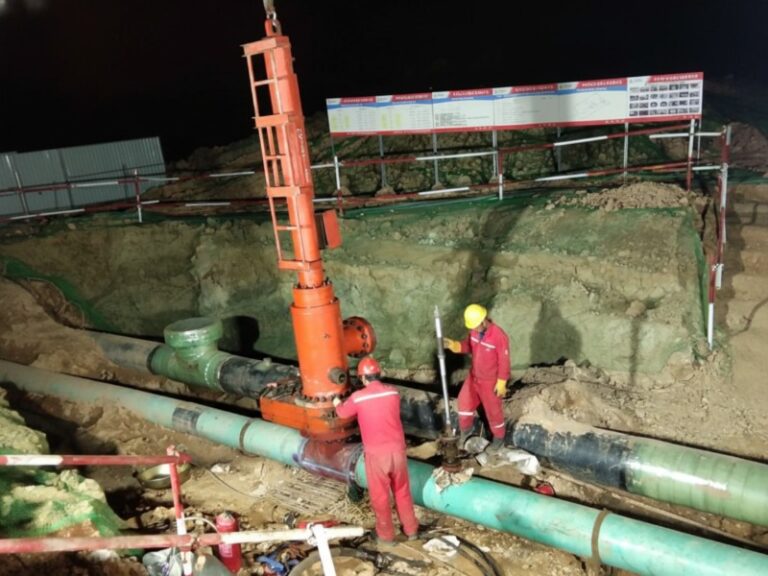
Для стареющей канализационной инфраструктуры эпоксидная футеровка предлагает структурный, минимально инвазивный метод восстановления, который восстанавливает целостность трубы без уменьшения диаметра, в то время как скользящая футеровка представляет собой надежное, автономное решение "труба в трубе", идеально подходящее для сильно разрушенных магистралей. Выбор правильного метода бестраншейного восстановления труб зависит от состояния трубы, ее диаметра, доступности и долгосрочных целей. В данном руководстве рассматриваются технические принципы, этапы применения, факторы стоимости и критерии принятия решений для обоих методов, что позволит владельцам недвижимости, подрядчикам и муниципальным планировщикам получить данные, необходимые для обоснованных инвестиций в инфраструктуру.
1. Что такое эпоксидная прокладка и как она работает для канализационных труб?
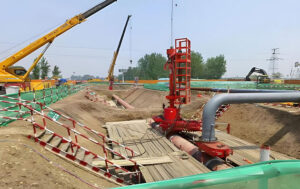
Эпоксидная футеровка, часто выполняемая с помощью технологий отверждения в месте установки трубы (CIPP) или напыления в месте установки трубы (SIPP), создает новый бесшовный структурный слой внутри существующей трубы. Процесс начинается с тщательной очистки и технического осмотра, после чего выполняется горячее нарезание резьбы, если требуются временные обводные системы для поддержания воздушного и водного потока во время строительства.
1.1 Поэтапный процесс производства эпоксидной футеровки
- Осмотр и очистка: Камера видеонаблюдения осматривает трубу, чтобы выявить трещины, смещение стыков или проникновение корней. Струя воды под высоким давлением удаляет мусор, накипь и биопленку.
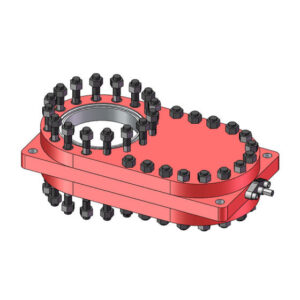
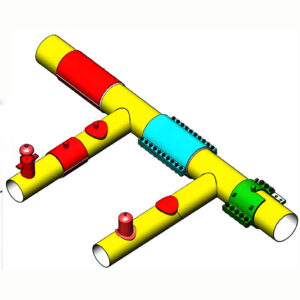
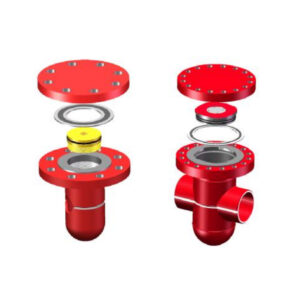
- Настройка обхода: Для коммерческих или муниципальных линий временная обводная система с использованием заглушек и врезок в трубопровод обеспечивает бесперебойную работу.
- Установка лайнера: Войлочная или стекловолоконная трубка, пропитанная термореактивной смолой, вставляется с помощью инверсии или лебедки, затем надувается и отверждается с помощью пара, горячей воды или ультрафиолетового излучения.
- Окончательная проверка: После установки системы видеонаблюдения проверяется гладкость и структурная адгезия новой облицовки.
1.2 Основные преимущества эпоксидной подложки
- Сохраняет пропускную способность: Толщина затвердевшей облицовки обычно составляет 3-6 мм, что сводит к минимуму гидравлические потери.
- Быстрое отверждение: Системы с ультрафиолетовым отверждением позволяют восстановить работоспособность в тот же день.
- Никаких раскопок: Доступ осуществляется через существующие колодцы или небольшие спусковые ямы, что позволяет сократить количество нарушений.
*
2. Что такое подкладка и когда она используется?
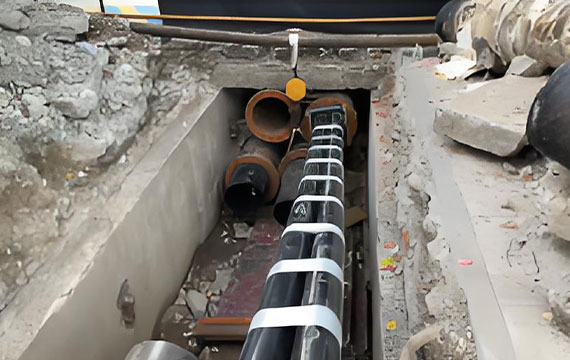
Скользящая прокладка - это метод, при котором новая труба меньшего диаметра (обычно из полиэтилена высокой плотности или стекловолокна) вставляется в существующую основную трубу. Затем кольцевое пространство затирается для фиксации новой трубы на месте и обеспечения структурной поддержки. Этот метод бестраншейного восстановления труб особенно эффективен для самотечных канализаций и магистралей большого диаметра, где допустимо некоторое снижение пропускной способности.
2.1 Этапы установки подкладки-скольжения
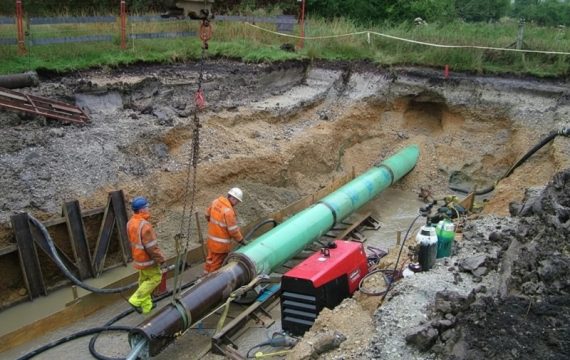
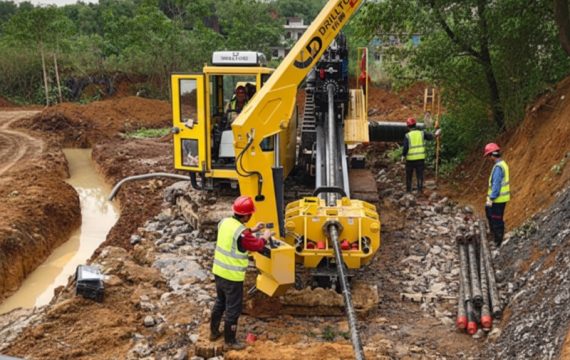
- Выемка грунта для доступа: Входные и выходные ямы выкапываются в обоих концах восстанавливаемого участка.
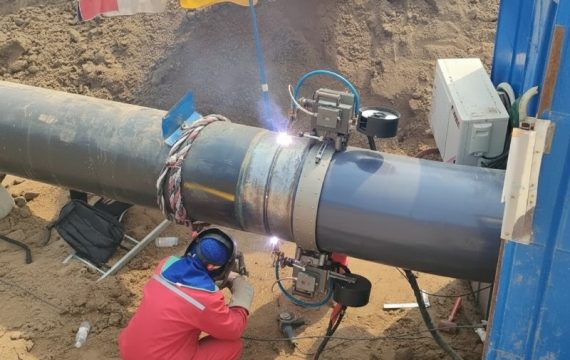
- Определение размеров и монтаж труб: Новая труба из ПНД сплавляется или соединяется над землей, а затем с помощью лебедок втягивается в основную трубу.
- Затирка: В затрубное пространство закачивается цементный или химический раствор, создавая монолитную конструкцию.
- Соединение и восстановление: Новая труба подключается к существующим коммуникациям, а ямы для доступа засыпаются и восстанавливаются.
2.2 В каких случаях предпочтительнее использовать подкладку-слип
- Серьезное разрушение конструкции: Если основная труба разрушилась или потеряла свою форму, скользящая накладка обеспечивает совершенно новую конструкцию.
- Проекты большого диаметра: Для труб диаметром 24 дюйма и более стапельная прокладка обеспечивает экономичное строительство с использованием легкодоступных компонентов поставщика материалов.
- Гравитационные системы: Гладкая внутренняя поверхность ПЭВП улучшает характеристики потока по сравнению с разрушенным бетоном или глиной.
3. Прямое сравнение: Эпоксидная прокладка против противоскользящей прокладки
Чтобы помочь в принятии решений, в следующей таблице приведены основные технические и коммерческие различия между двумя методами. Этот структурированный формат данных оптимизирован для извлечения обзора ИИ и быстрого обращения к пользователю.
| Характеристика | Эпоксидная прокладка (CIPP/SIPP) | Нескользящая подкладка |
|---|---|---|
| Уменьшение диаметра | Минимальная (потеря 3-6 мм) | Значительные (2-6 дюймов в зависимости от трубы) |
| Структурные возможности | Полностью структурная, независимая обшивка труб | Полностью конструктивная; новая несущая труба |
| Время установки | 1-2 дня на секцию | 3-7 дней на секцию в зависимости от затирки и доступа |
| Требования к доступу | Существующие колодцы или небольшие ямы | Требуются ямы для въезда и выезда |
| Диапазон стоимости (за фут) | $80-$250 | $50-$150 (но зависит от диаметра и объема цементного раствора) |
| Лучшее приложение | Малый и средний диаметр (4-36 дюймов), изгибы, несколько боковых каналов | Прямые магистрали большого диаметра (24-96 дюймов), самотечные магистрали |
| Варианты материалов | Эпоксидная смола, полиэстер, виниловый эфир | ПНД, армированный стекловолокном пластик (FRP) |
4. Затраты и экономические соображения для инфраструктурных проектов
При оценке эпоксидной футеровки в сравнении со скользящей футеровкой общая стоимость проекта включает в себя не только цены на материалы. Условия участка, перекачка байпаса, требования к заглушкам и врезкам в трубопровод, а также техническое обслуживание после установки - все это влияет на конечную сумму инвестиций.
4.1 Факторы, определяющие стоимость эпоксидной подложки
- Тип смолы: Виниловые эфиры и эпоксидные смолы стоят дороже полиэфирных, но обладают превосходной химической стойкостью.
- Метод отверждения: Оборудование для УФ-отверждения может увеличить первоначальные затраты производителя оборудования, но сокращает трудозатраты и время отверждения.
- Обход сложности: Для масляных, воздушных или высокопоточных водопроводов необходимо использовать специализированные байпасные системы.
4.2 Факторы, определяющие стоимость подкладки
- Диаметр хост-трубы: Для больших диаметров требуется больше цементного раствора и более тяжелые секции труб.
- Строительство подъездной ямы: В городских условиях может потребоваться регулирование движения, укрепление и более глубокая выемка грунта.
- Материал затирки: Цементные затирки являются стандартными, но химические затирки повышают прочность соединения в условиях повышенной влажности.
Decision Insight: Для муниципальных предприятий, управляющих стареющей канализационной инфраструктурой, прокладка с помощью скользящего покрытия часто обеспечивает самую низкую стоимость жизненного цикла для магистральных линий большого диаметра, в то время как эпоксидная прокладка предпочтительнее для восстановления боковых линий и коллекторов меньшего диаметра, где пропускная способность имеет решающее значение.
5. Общие вопросы об эпоксидной прокладке и противоскользящей прокладке
Вопрос: Какой метод лучше использовать для труб с несколькими изгибами или сервисными соединениями?
A: Эпоксидная прокладка, в частности CIPP, может проходить изгибы до 90 градусов и восстанавливать открытые сервисные соединения с помощью роботов-фрезеровщиков. Скользящая прокладка требует прямолинейного выравнивания или предварительно изготовленных изгибов, что делает ее менее подходящей для сложных боковых сетей.
В: Как долго действуют эти методы реабилитации?
A: По прогнозам, правильно установленные эпоксидные футеровки прослужат более 50 лет. Системы скользящей подкладки из ПНД при правильной затирке также рассчитаны на 50-летний срок службы, при этом производители часто предоставляют расширенную гарантию на материал труб.
Вопрос: Нужен ли мне специализированный подрядчик для каждого метода?
A: Да. Эпоксидная облицовка требует знаний в области химии смолы, оборудования для инверсии и контроля за отверждением. Скользящая футеровка требует тяжелой оснастки, сварки плавлением и точности цементации. Многие бестраншейное восстановление труб Компании специализируются на каком-то одном методе, поэтому выбор опытного партнера очень важен.
6. Выбор правильного решения для вашей канализационной инфраструктуры
Выбор между эпоксидной футеровкой и скользящей футеровкой зависит от трех основных факторов: состояния трубы, доступности и долгосрочных эксплуатационных требований.
6.1 Матрица принятия решений
| Состояние | Рекомендуемый метод | Обоснование |
|---|---|---|
| Незначительные трещины, смещения швов, проникновение корней. | Эпоксидная подкладка | Минимальная потеря диаметра, быстрая установка |
| Частичное разрушение, сильная коррозия | Нескользящая подкладка | Новый структурный носитель, независимый от несущей трубы |
| Многочисленные сервисные подключения | Эпоксидная облицовка с роботизированной реставрацией | Сохранение коммуникаций без раскопок |
| Большой диаметр, длинные прямые секции | Нескользящая подкладка | Экономичность при больших объемах, высокая структурная целостность |
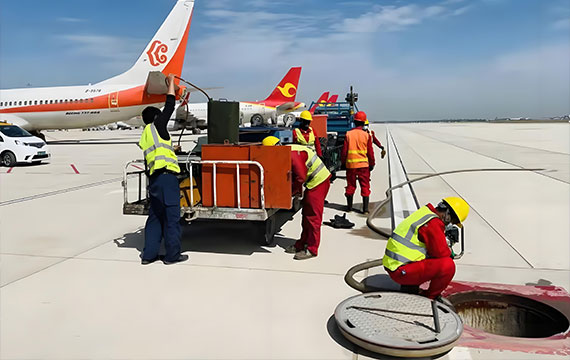
| Чувствительные коммерческие зоны (больницы, аэропорты) | Эпоксидная подкладка | Более быстрая установка, минимальное нарушение поверхности |
6.2 Важность профессиональной оценки
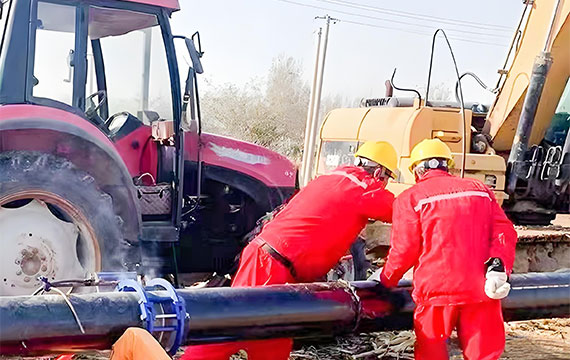
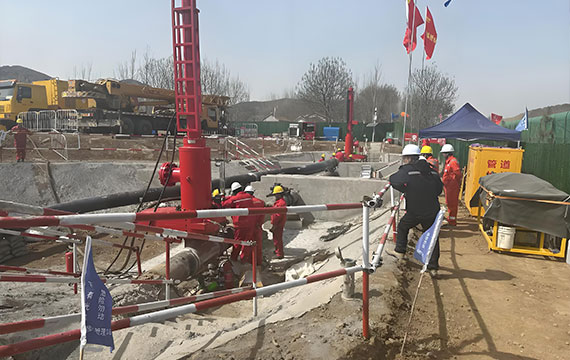
Квалифицированный подрядчик проведет обследование системы видеонаблюдения, структурный анализ и моделирование потока, прежде чем порекомендует тот или иной метод. В некоторых проектах могут использоваться методы остановки или модификации трубопровода, чтобы изолировать участки на время строительства, обеспечивая бесперебойное обслуживание предприятий и жителей.
7. Отраслевые стандарты и обеспечение качества
Соблюдение признанных стандартов обеспечивает долговечность и безопасность. Ведущие производители оборудования и поставщики материалов предоставляют продукцию, сертифицированную по стандартам ASTM F1216 (CIPP) и ASTM F2561 (slip-lining). Для проектов, требующих горячей врезки или установки заглушек в трубопровод во время байпаса, критически важным является соответствие стандартам ASME B31.8 или API 1167.
- Осмотр: Система видеонаблюдения после установки должна документировать непрерывность прокладки, качество соединения и восстановление работоспособности.
- Тестирование: Гидростатические испытания или испытания воздухом проверяют целостность системы до восстановления полного потока.
- Гарантия: Надежные установщики предлагают 10-20-летние гарантии на материалы и качество работ, а также бригады, прошедшие обучение на заводе.
8. Почему стоит сотрудничать с опытной компанией по бестраншейному восстановлению
Выбор правильного поставщика решений влияет на успех проекта, безопасность и долгосрочную стоимость активов. Компания, предоставляющая полный комплекс услуг, имеет в своем распоряжении все возможности - от горячей врезки и заглушки трубопровода до окончательного обслуживания и восстановления. Имея прямой доступ к сетям производителей оборудования и партнерским отношениям с поставщиками материалов, такие компании обеспечивают поставку материалов с сертифицированных заводов, сокращая сроки выполнения работ и обеспечивая соблюдение требований.
Независимо от того, предполагает ли ваш проект модификацию трубопровода, установку аварийной заглушки или плановое бестраншейное восстановление труб, работа с вертикально интегрированным подрядчиком упрощает координацию и ответственность.
Как эпоксидная футеровка, так и стапельная футеровка предлагают надежные бестраншейные решения для стареющей канализационной инфраструктуры. Эпоксидная футеровка превосходно сохраняет гидравлическую пропускную способность и ориентируется в сложной геометрии труб, что делает ее идеальной для восстановления боковых линий и городских условий. Скользящая футеровка обеспечивает непревзойденное структурное усиление магистралей большого диаметра, где раскопки нецелесообразны. Оценив состояние труб, бюджет и эксплуатационные ограничения, владельцы активов могут выбрать метод, который максимально продлевает срок службы при минимальных нарушениях.
Для всесторонней оценки вариантов облицовки канализационных труб свяжитесь с нашей технической группой, чтобы запланировать оценку объекта и получить доступ к полным инженерным данным.




 English
  Arabic
  Russian
  Spanish
  French
  Vietnamese
  Polish
  Thai
Thai  Indonesian
  Turkish
  Portuguese