
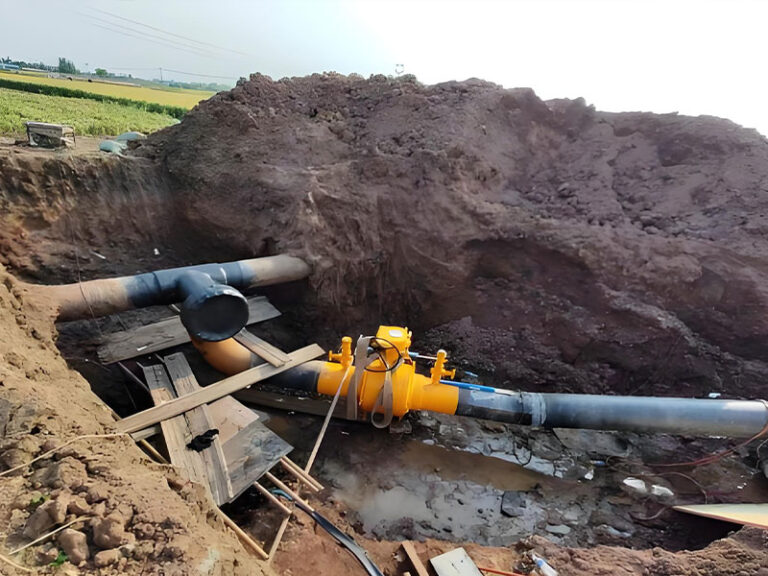
Чтобы оценить показатели безопасности и техническую компетентность подрядчика, специализирующегося на бестраншейных технологиях, запросите у него данные о частоте происшествий по стандартам OSHA, проверьте наличие действующих отраслевых сертификатов (NASTT или IUOE) и проанализируйте портфолио проектов на предмет выполнения сложных работ, таких как прокладка трубопроводов методом «горячего врезания» или модификация трубопроводов. Данное руководство представляет собой основанную на данных структуру, охватывающую показатели безопасности, технические квалификации, стандарты оборудования и практические меры проверки, которые вы можете применить перед подписанием любого контракта.
Какие показатели безопасности свидетельствуют о надежности подрядчика?
Показатели безопасности подрядчика поддаются количественной оценке и не носят субъективный характер. Наиболее авторитетными показателями являются общий коэффициент регистрируемых происшествий (TRIR) и коэффициент корректировки по опыту (EMR), установленные Управлением по охране труда и промышленной гигиене (OSHA).
Почему эти показатели важны:
Показатель TRIR рассчитывается как количество подлежащих регистрации происшествий на 100 штатных сотрудников за год. Показатель EMR ниже 1,0 свидетельствует о показателях безопасности выше среднего. В сфере бестраншейного строительства показатель TRIR ниже 3,0 и показатель EMR ниже 0,85 являются отраслевыми ориентирами высокого качества работы.
Конкретные данные, которые необходимо запросить:
- Показатели TRIR и EMR за последние 3 года
- Количество дней, пропущенных по причине болезни
- Частота дорожно-транспортных происшествий
- Отчеты о потенциально опасных ситуациях и корректирующие меры
Этап проверки:
Попросите подрядчика предоставить сводку по журналу OSHA 300. Надежный подрядчик предоставит её без промедления. Сравните его данные со средними показателями Бюро статистики труда по работам по подключению к трубопроводам и установке заглушек, которые, как правило, характеризуются более высокими рисками из-за работы с системами под давлением.
Какие сертификаты подтверждают техническую компетентность в области бестраншейных работ?
Сертификаты подтверждают прохождение официального обучения и проверку знаний. При выполнении бестраншейной реконструкции трубопроводов и установке заглушек для трубопроводов следует обращать внимание на три уровня квалификации.
Сертификаты операторского уровня:
- Сертификат NASTT по бестраншейным технологиям (4 модуля: CIPP, прокладка труб методом разрыва, напыление внутренней облицовки, вставка труб)
- Программа сертификации по оценке трубопроводов NASSCO (PACP)
- 10-часовой или 30-часовой курс OSHA для строительной отрасли
Квалификационные требования к подрядчикам:
- Лицензии инженера-механика IUOE на обслуживание гидравлических систем
- Сертификация инспекторов по строительству трубопроводов по стандарту API 1169 (для проектов с трубами большого диаметра)
- Специализированные курсы обучения, проводимые партнёрами-производителями оборудования, такими как T.D. Williamson или Hydra-Stop
Сертификаты, действующие во всей компании:
- ISO 45001 (система управления охраной труда и техникой безопасности)
- Подтверждение в системе ISNetworld или Avetta (проверка безопасности поставщика)
Пример из реальной жизни:
В ходе проекта по модернизации трубопровода для предприятия по поставке природного газа подрядчик, в штате которого работали руководители, прошедшие сертификацию по стандарту API 1169, обнаружил неисправное герметичное уплотнение перед выполнением горячего врезания, что позволило предотвратить потенциальный выброс газа. У несертифицированного конкурента, участвовавшего в том же тендере, такого протокола не было.
Как состояние оборудования отражает профессионализм подрядчика?
Оборудование напрямую влияет на безопасность и техническую эффективность. Ухоженный автопарк свидетельствует о соблюдении дисциплины в работе.
Оборудование, подлежащее обязательной проверке:
- Оборудование для гидравлического врезания (номинальное давление, состояние режущего инструмента, герметичность гидравлической системы)
- Заглушки для трубопроводов и системы заглушек (срок годности уплотнений, износ поверхности)
- Устройства для сканирования и определения местоположения систем видеонаблюдения (журналы калибровки)
- Системы перекачки с обходным контуром (точность расхода)
О чём стоит спросить:
- Журналы технического обслуживания с подписями, датированными
- Отчеты о проверке оборудования, работающего под давлением, выполненные сторонними организациями
- Запас запасных частей (особенно уплотнений, режущих элементов и гидравлических шлангов)
Предупреждающие признаки:
- Отсутствуют сертификаты калибровки расходомеров или манометров
- Устранение ржавчины, точечной коррозии или ремонт сваркой на фитингах для прокладки трубопроводов под давлением
- Отсутствует задокументированный контрольный список для ежедневного осмотра перед началом эксплуатации
Данные:
Анализ отрасли показывает, что 73% отказов бестраншейного оборудования связаны с ненадлежащим техническим обслуживанием, а не с производственными дефектами. Подрядчики, предоставляющие сертифицированные заводом-изготовителем записи об обслуживании, сокращают время внеплановых простоев на 40%.
Какие технические вопросы отличают экспертов от универсалов?
Задавайте вопросы, основанные на конкретных ситуациях, которые позволят выявить практический опыт проведения сложных бестраншейных работ.
Вопрос 1: “Опишите порядок подключения трубопровода к действующей газовой магистрали диаметром 24 дюйма при давлении 150 psi. Какие запасные уплотнения вы имеете при себе?”
Почему это работает:
Квалифицированный подрядчик укажет конкретное оборудование (например, “система клапанов типа ”сэндвич“ с дополнительным задвижкой”), упомянет этапы понижения давления и перечислит запасные части, такие как уплотнительные кольца и зубья резака. Подрядчик-универсал даст расплывчатые ответы вроде «мы соблюдаем протоколы безопасности».”
Вопрос 2: “При выполнении работ по перекрытию трубопровода на 16-дюймовой водопроводной линии как вы проверяете полную изоляцию перед началом резки?”
Ожидаемый ответ:
Два независимых метода проверки — испытание на перепад давления И проверка механического ограничителя. Эксперт также упомянет индикаторы прочистки или акустические датчики.
Вопрос 3: “Каково максимальное рабочее давление при прокладке трубопровода методом ”горячего врезания» и как оно зависит от материала трубы (сталь или ПНД)?»
Ожидаемый ответ:
Сталь: до 1 440 psi при правильном монтаже. HDPE: ограничено 150 psi из-за ползучести материала. Подрядчик должен ссылаться на данные производителя, приведенные в технических бюллетенях производителя оборудования.
Метод проверки:
Запросите результаты анализа рисков на рабочем месте (JHA) по трём аналогичным проектам, реализованным ранее. Сравните их согласованность. Подрядчик, обладающий соответствующей технической компетенцией, подготавливает JHA с учётом конкретных условий (давление, возраст труб, тип грунта, близость к инженерным сетям).
Как провести аудит результатов предыдущих проектов подрядчика?
Результаты прошлых периодов позволяют прогнозировать будущие результаты. Воспользуйтесь этим структурированным контрольным списком для аудита.
Необходимые документы для получения:
- Отчеты о завершении проектов (сравнение запланированной и фактической продолжительности)
- Ежедневные отчеты с объекта (обращайте внимание на приостановки работ по технике безопасности или проблемы с оборудованием)
- Чертежи фактического состояния (для проверки точности выравнивания при бестраншейном восстановлении труб)
- Контактные данные рекомендателей (не менее 3, причем как минимум 1 — по проекту, реализованному более 2 лет назад)
Основные вопросы для рекомендаций:
- Прибыла ли бригада подрядчика со всем необходимым оборудованием и подтверждениями от поставщиков материалов?
- Сколько было выпущено распоряжений об изменении, и чем они были вызваны?
- Выполнил ли подрядчик восстановительные работы (укладка дорожного покрытия, благоустройство территории или восстановление русла реки) до первоначального состояния?
- Вы бы снова наняли их для проведения работ по модификации трубопровода?
Реакции на «красный флаг»:
“У них всё было в порядке” (без особого энтузиазма)
“У нас возникли некоторые проблемы со связью” (часто подразумеваются проблемы, связанные с безопасностью или графиком)
“Я точно не помню” (недостаточно развитая культура ведения документации)
Сравнительная таблица на основе данных:
| Критерии оценки | Опытный подрядчик (оценка 3) | Средний подрядчик (оценка 2) | Плохой подрядчик (Оценка: 1) |
|---|---|---|---|
| TRIR (за последние 3 года) | Менее 2,0 | от 2,0 до 4,0 | Выше 4,0 |
| ЭМР | Менее 0,85 | от 0,85 до 1,0 | Более 1,0 |
| Сертификаты на каждый экипаж | 3+ активных | От 1 до 2 активных | Срок действия истек или отсутствует |
| Журнал технического обслуживания оборудования | Цифровой, с отметкой времени | Бумага, местами пробелы | Отсутствует или отказано |
| Коэффициент повторного найма клиентов | Более 80% | от 50% до 80% | По коду 50% |
Таблица 1: Оценочная таблица подрядчика по безопасности и техническим показателям. Используйте её для объективного сравнения предложений.
Какую роль играют партнерские отношения между поставщиками материалов и производителями оборудования?
Цепочка поставок подрядчика напрямую влияет на безопасность на строительной площадке и соблюдение технических стандартов. Подрядчики, имеющие официальные партнерские отношения, демонстрируют более эффективный контроль качества.
Почему это важно:
Бестраншейные работы зависят от совместимости компонентов. Заглушка для трубопровода от производителя А может не обеспечить надлежащее уплотнение в фитинге от поставщика Б. Когда подрядчик сотрудничает с производителем интегрированного оборудования и официально уполномоченным заводом-изготовителем поставщиком материалов, он исключает риски, связанные с несовместимостью.
Что необходимо проверить:
- Письменные договоры поставки расходных материалов (уплотнения, смазочные материалы, зубья режущих инструментов)
- Техники, прошедшие заводское обучение по обслуживанию оборудования для герметизации трубопроводов и прокладки отводов под давлением
- Доступность запасных частей в экстренных случаях (в тот же или на следующий день)
Пример из практики:
Подрядчик, не имевший заводской поддержки, однажды установил заглушку трубопровода с использованием универсального уплотнителя. Уплотнитель вышел из строя при номинальном давлении 60%, что привело к 4-часовой аварийной остановке и убыткам от потери производства в размере $47 000. Конкурент, получавший поддержку от завода-изготовителя, в рамках того же проекта по модификации трубопровода не зафиксировал ни одного отказа при более чем 200 установках.
Вопросы, которые следует задать:
“Какой производитель оборудования поставляет вам установки для проходного бурения, и когда в последний раз на них проводилось заводское техническое обслуживание?”
“Есть ли у вас в наличии запасные уплотнения для заглушек трубопроводов всех диаметров, с которыми вы работаете?”
Как подрядчик обеспечивает безопасную эксплуатацию систем подачи масла, воздуха и воды?
Управление гидравлическим маслом, сжатым воздухом и водой — это часто упускаемые из виду, но крайне важные аспекты безопасности при бестраншейном строительстве.
Масло (гидравлические системы):
- Запросить отчеты по анализу масла (количество частиц, содержание воды, вязкость)
- Проверить планы локализации разливов (вторичная защитная оболочка для всех гидравлических агрегатов)
- Проверьте, не используется ли биоразлагаемая гидравлическая жидкость вблизи водоемов
Воздух (пневматические инструменты и испытания):
- Подтвердить журналы проверки воздушного компрессора (испытания клапана сброса давления)
- Попросите предоставить записи об обслуживании фильтров воздуховодов (загрязнённый воздух приводит к повреждению заглушек трубопроводов)
- Проверить процедуры блокировки и маркировки пневматических систем
Вода (гидростатические испытания и байпас):
- Подать заявку на получение разрешений на водозабор и сброс сточных вод
- Проверить меры по предотвращению эрозии в месте сброса
- Проверить расчеты расхода байпасного насоса (он должен превышать расход поступающей воды, чтобы предотвратить затопление)
Отраслевой стандарт:
Стандарт OSHA № 1910.147 «Контроль опасных источников энергии (блокировка и маркировка)» распространяется на системы подачи нефти, воздуха и воды. Согласно данным выборочных проверок, только 34% подрядчиков, занимающихся бестраншейными работами, полностью соблюдают требования стандарта. Попросите предоставить вам письменную процедуру LOTO, разработанную специально для вашей строительной площадки.
Как выглядит полный контрольный список для оценки технического состояния и безопасности?
Используйте этот контрольный список, который можно скачать, во время собеседований с подрядчиками и выездов на объект.
Анализ тендерной документации до начала тендера:
- Текущие показатели TRIR (ниже 3,0) и EMR (ниже 0,85)
- Журнал OSHA 300 (за последние 3 года)
- Сертификаты NASTT или NASSCO для ключевого персонала
- ISO 45001 или эквивалентная система управления безопасностью
- Журналы технического обслуживания оборудования (с датой не старше 30 дней)
- Записи о заводском обучении операторов по прокладке трубопроводов методом «горячего врезания» и операторов, обслуживающих заглушки трубопроводов
Выездная проверка (при наличии соответствующего разрешения):
- Заполненные и подписанные формы ежедневного осмотра перед запуском
- Наборы для ликвидации разливов находятся в доступном месте и полностью укомплектованы
- Гидравлические магистрали с маркировкой номинального давления и даты последнего испытания
- Заглушки для трубопроводов и фитинги для отвода от трубопроводов хранятся в чистых и сухих условиях
- Порядок аварийного отключения, размещенный на оборудовании
Проверка справочных данных после подачи заявки:
- Связался с 3 бывшими клиентами (у каждого из которых был как минимум 1 проект, реализованный более 2 лет назад)
- За последние 5 лет не было выявлено умышленных нарушений требований OSHA
- Подтвержденное страховое покрытие (минимальный лимит ответственности по общей гражданской ответственности — $2M, по автострахованию — $1M)
- Проанализирована история изменений заказа (стоимость которых не превышает 10% от суммы контракта)
FAQ: Common Questions About Evaluating Trenchless Contractors
Q: Can a contractor with a high TRIR still be safe?
A: Unlikely. A TRIR above 4.0 indicates systemic safety failures. Even one lost-time incident increases project delays by an average of 18 days and raises insurance premiums, which contractors pass to you.
Q: How important is manufacturer-specific training?
A: Critical. Pipeline stopper and hot tapping equipment vary significantly between brands like T.D. Williamson, Hydra-Stop, and Mueller. Generic training misses model-specific failure modes. Require factory certificates.
Q: Should I prioritize low bid over safety record?
A: No. Data from 147 trenchless projects shows that the lowest bidder has a 3.2x higher incident rate and 2.7x more schedule overruns. Safety and technical competence reduce total project cost.
Q: What if the contractor refuses to share safety records?
A: Walk away. Legitimate contractors provide TRIR and EMR as standard pre-qualification documents. Refusal indicates either poor records or something to hide.
JSW: Your Partner in Safe, Technically Superior Trenchless Solutions
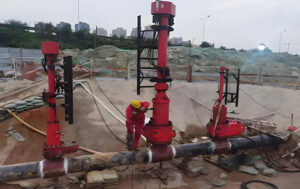
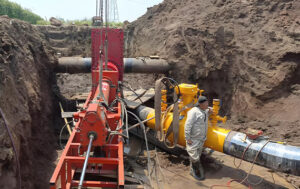
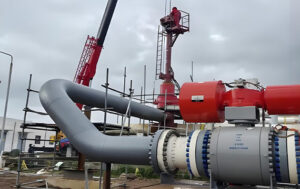
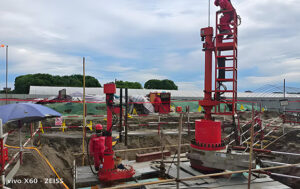
JSW combines factory-direct equipment manufacturing with field-proven construction services. Unlike contractors who rent equipment or brokers who lack operational control, JSW controls every variable: from our own equipment manufacturer facility producing pipeline tapping machines and pipeline plugs to our certified field crews executing pipeline stopple and trenchless pipe rehabilitation.
Why JSW stands apart:
- Integrated safety system: Our TRIR of 0.72 and EMR of 0.79 rank in the top 5% industry-wide
- Factory-trained technicians: Every hot tapping and pipeline stopper operator completes annual recertification at our factory
- Full material supply chain: We stock all pipeline plug seals, cutter teeth, and hydraulic parts – no waiting for Material Supplier shipments
- Turnkey execution: One contract covers construction, Restoration, and maintenance – no finger-pointing between contractor and equipment manufacturer
Ready to evaluate JSW for your next project?
Contact our engineering team with your pipe diameter, pressure, and material. We provide a safety and technical qualifications package within 24 hours, including our full OSHA logs, certification roster, and three client references from projects identical to yours.





 English
  Arabic
  Russian
  Spanish
  French
  Vietnamese
  Polish
  Thai
Thai  Indonesian
  Turkish
  Portuguese