
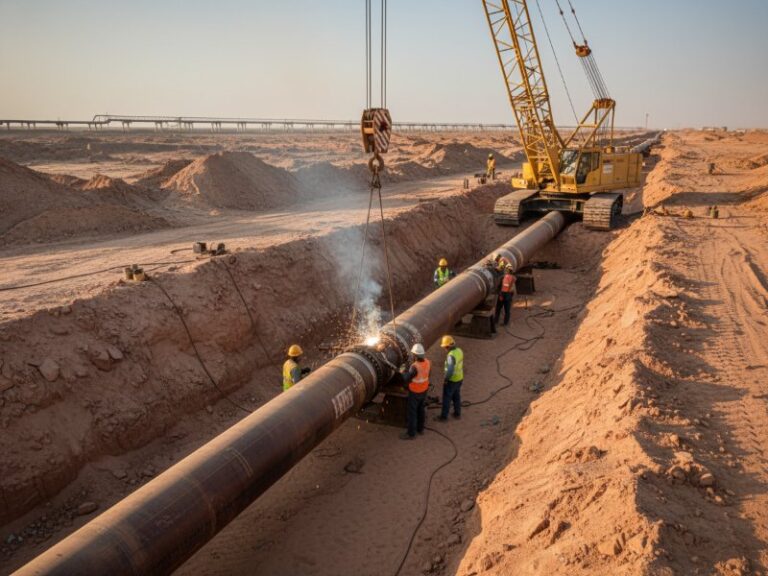
Выбор лучшего поставщика услуг по обследованию и восстановлению трубопроводов - это не поиск одной-единственной компании, занимающей первое место в рейтинге. Речь идет об определении подрядчика, чьи сертификаты, технологии обследования и методы восстановления точно соответствуют материалу, диаметру, типу дефекта и условиям эксплуатации трубопровода. В этом руководстве представлена основанная на данных пятиэтапная схема выбора, охватывающая отраслевые стандарты (PACP/LACP/MACP), интеллектуальные скребки в сравнении с CCTV, бестраншейные методы (CIPP, УФ-облицовка, геополимер), факторы стоимости и примеры категорий поставщиков.
1. Какие стандартные сертификаты определяют квалифицированного поставщика?
Технические сертификаты поставщика являются наиболее объективным показателем качества инспекции и долговечности восстановительных работ. Золотые стандарты в этой отрасли утверждает NASSCO (Национальная ассоциация компаний по обслуживанию канализационных систем).
- Принцип: Сертификация гарантирует, что персонал, обслуживающий краулеры CCTV и кодирующий дефекты, обучен по единому, национально признанному стандарту. Это исключает субъективные догадки при оценке износа труб.
- Три ключевых сертификата:
- PACP (Pipeline Assessment Certification Program): Для самотечных магистралей и ливневых канализаций. Сертифицированные операторы присваивают стандартные коды трещинам, разломам и смещениям швов.
- LACP (Lateral Assessment Certification Program): Специально для боковых каналов, соединяющих здания с магистралью. Боковые каналы часто имеют меньший диаметр и различные дефекты.
- MACP (Программа сертификации оценки люков): Для конструкций колодцев, включая уплотнения дымохода, стенки скамейки и разрушение ствола.
- Что требовать в запросе предложений: Требуйте, чтобы ведущий инспектор CCTV имел действующую сертификацию PACP (обновляемую каждые три года). Для проекта, включающего 100 колодцев и 5 000 футов 8-дюймовых канализационных труб, необходимо, чтобы на объекте работали сертифицированные специалисты MACP и LACP.
2. Чем отличаются технологии инспекции и какая из них вам нужна?
Выбор лучшего метода осмотра полностью зависит от материала трубы и дефекта, который вы пытаетесь обнаружить. Поставщики, как правило, специализируются либо на гусеницах CCTV для канализационных труб, либо на интеллектуальных скребках для линий электропередач под давлением.
| Технология осмотра | Лучшее для | Обнаруживает | Вывод данных |
|---|---|---|---|
| Роботы-гусеницы для систем видеонаблюдения | Канализация, ливневые стоки, трубопроводы малого диаметра (4-36 дюймов) | Трещины, смещения швов, проникновение корней, обломки, провисания | Видео с кодировкой PACP + неподвижные изображения |
| Умный поросенок (ILI - Inline Inspection) | Нефтяные, газовые, водопроводные линии (6-48+ дюймов) | Потеря металла (коррозия), точечные повреждения, вмятины, трещины | Утечка магнитного потока (MFL) / Ультразвуковой (UT) журнал |
| Нажимные камеры | Патрубки малого диаметра, водосточные трубы, вентиляционные линии (1,5-4 дюйма) | Засоры, мелкие трещины, расположение зонда | Видео в реальном времени (обычно без кодирования PACP) |
- Правило отбора: Для городской канализационной линии с подозрением на проникновение корней единственным подходящим вариантом будет использование краулера CCTV с оператором, прошедшим сертификацию PACP. Для 20-дюймовой линии передачи природного газа, требующей расчета остаточного срока службы, вам нужен поставщик интеллектуальных скребков, предоставляющий данные MFL или UT.
3. Какие методы реабилитации предлагают ведущие поставщики?
Поставщиков отличает владение конкретными методами бестраншейного восстановления. Подберите метод в соответствии с режимом разрушения конструкции вашей трубы.
- Трубы с затвердевшей поверхностью (CIPP): Самый распространенный метод. Насыщенная смолой войлочная или стекловолоконная трубка вставляется в поврежденную трубу, надувается и отверждается (теплом, ультрафиолетовым светом или окружающей средой). Лучший вариант: полное разрушение конструкции, гладкие стены, уменьшение инфильтрации/потока (I/I).
- Подкладка с ультрафиолетовым покрытием: Подтип CIPP, в котором используется ультрафиолетовое излучение для отверждения смолы за несколько минут, а не часов. Лучшее применение: быстроотверждаемые проекты с ограничениями доступа (например, под аэропортами, больницами).
- Подкладка из геополимера: Цементное покрытие, наносимое методом распыления. Лучше всего подходит для: колодцев, ливневых канализаций большого диаметра и труб с умеренной коррозией, где конструкционный CIPP не нужен.
- Точечный ремонт (локализованный CIPP): Короткая подводка (1-3 фута) для изолированных повреждений стыков. Лучше всего подходит для: ремонта точечных источников на здоровой линии.
- Подкладка: Установка новой трубы меньшего диаметра (ПНД или ПВХ) в старую и затирка кольцевого пространства. Лучше всего подходит для: самотечных трубопроводов, где допустима некоторая потеря пропускной способности.
4. Каковы факторы, определяющие затраты на восстановление трубопроводов?
Стоимость бестраншейной санации - это не одно число. На цену за погонный фут влияют пять ключевых факторов. Большинство поставщиков предоставляют цены в пределах следующих диапазонов для проектов муниципального масштаба (диаметр 6-12 дюймов, секции от колодца к колодцу):
| Драйвер затрат | Влияние на цену | Типичная регулировка диапазона |
|---|---|---|
| Диаметр трубы | Больший диаметр = большее количество смолы. | +10% до 30% за 4-дюймовое увеличение |
| Глубина и доступ | Глубокие трубы (>15 футов) требуют байпасной откачки и специального такелажа. | +20% до 50% |
| Метод отверждения | УФ-отверждение происходит быстрее, но требует использования дорогостоящих осветительных приборов; термоотверждение дешевле, но медленнее. | УФ: +15-25% против горячей воды/пара |
| Управление движением | Перекрытие полос движения, флагманы, полицейские (городские и сельские). | 500-500-2,000 в день |
| Мобилизация | Фиксированные затраты на доставку оборудования и бригады на место (независимо от объема работ). | 3,000-3,000-15,000 за проект |
- Правило большого пальца: Бестраншейная санация с помощью CIPP обычно обходится на 30-50% дешевле, чем открытая выемка грунта, если учесть восстановление поверхности (асфальт, бордюры, озеленение). Для 200-футового участка 8-дюймовой канализации на 12-футовой глубине заложите в бюджет 15-15-35 за погонный фут для CIPP, не считая контроля за движением.
5. Категории поставщиков: Примеры специализированных подрядчиков
Лучший поставщик - это тот, который соответствует категории вашего проекта. Ниже представлены три различных типа поставщиков, основанных на их технической направленности и типичных контрактах. Это примеры специализации, а не ранжированный список.
5.1 Бестраншейный муниципальный подрядчик полного цикла
- Основная услуга: Очистка → Инспекция PACP/CCTV → Восстановление магистральных/боковых трубопроводов CIPP.
- Сертификаты: Сертифицированные операторы NASSCO PACP/LACP/MACP в штате.
- Лучшее для: Города, санитарные участки и коммунальные службы, нуждающиеся в восстановлении канализационных и ливневых стоков "под ключ".
- Ограничения: Не может выполнять аварийные горячие краны или остановку трубопроводов, находящихся под давлением.
5.2 Поставщик подкладок и материалов, ориентированный на инновации
- Основная услуга: Предоставление систем CIPP с ультрафиолетовым отверждением, геополимерных напыляемых вкладышей и обучение сертифицированных монтажников.
- Сертификаты: Соответствие стандарту ASTM F1216 (CIPP), паспорта безопасности материалов (MSDS) для смоляных систем.
- Лучшее для: Подрядчики, ищущие запатентованные системы облицовки с более быстрым временем отверждения или высокой толщиной слоя.
- Ограничения: Не требует развертывания полевых бригад; требуется отдельный подрядчик по установке.
5.3 Специалист по целостности энергетического сектора
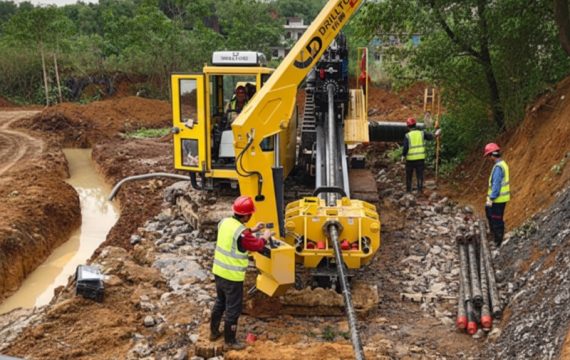
- Основная услуга: Интеллектуальные скребки (MFL, UT), гидростатические испытания и строительство/ремонт тяжелых трубопроводов (ГНБ).
- Сертификаты: API 1160 (управление целостностью трубопроводов), ASME B31.8S (транспортировка газа).
- Лучшее для: Линии передачи нефти, газа и опасных жидкостей, требующие обнаружения дефектов и расчета остаточного ресурса.
- Ограничения: Более высокая минимальная стоимость проекта (обычно $100k+); редко выполняются работы по восстановлению канализационных сетей малого диаметра.
6. ВОПРОСЫ И ОТВЕТЫ
В: Как узнать, нужна ли моей трубе облицовка CIPP или просто очистка?
О: Это может определить только инспекция CCTV с кодами PACP. Если коды PACP показывают структурные дефекты (трещины, разломы, отсутствие стенок трубы), затрагивающие более 15% участка, рекомендуется прокладка CIPP. Если коды показывают только отложения или корни без повреждения стенки трубы, то только очистка (струйная очистка/вырезание корней) может восстановить поток.
В: Какова типичная гарантия на CIPP-лайнер, установленный квалифицированным поставщиком?
О: Ведущие поставщики предлагают Гарантия от 10 до 25 лет на CIPP-лайнеры от производственных дефектов и преждевременного выхода из строя, при условии, что линия не подвергалась неправильному химическому воздействию или механическим повреждениям после установки. Всегда требуйте письменный гарантийный документ перед подписанием.
Вопрос: Может ли интеллектуальный скребок обнаружить трещины в чугунных водопроводных магистралях?
О: Да. Ультразвуковой контроль (УЗК) интеллектуальных скребков позволяет обнаружить трещины в металлических трубах. Однако для чугунных магистралей большого диаметра, Электромагнитный акустический преобразователь (EMAT) Иногда требуется технология, позволяющая проводить осмотр без непосредственного контакта со стенкой трубы. Уточните у поставщика, какой инструмент ILI он будет использовать.
Как промышленное оборудование помогает вендорам выполнять свои обязательства (JSW Perspective)
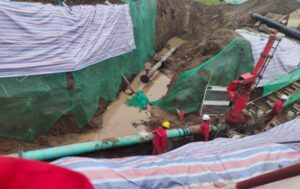
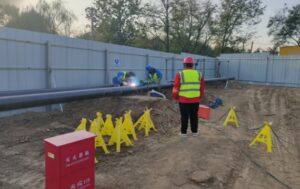
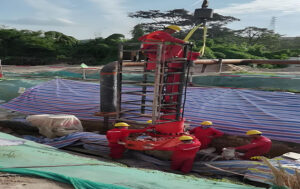
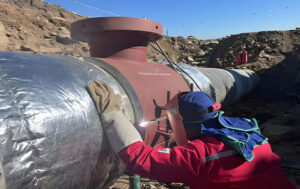
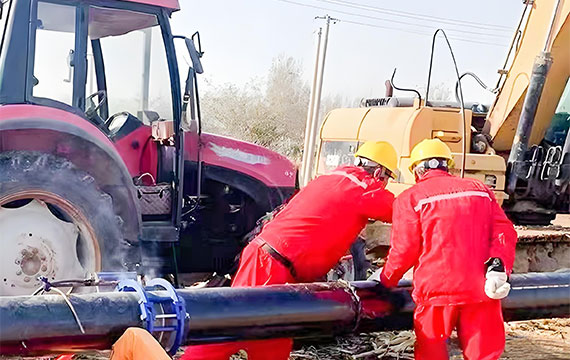
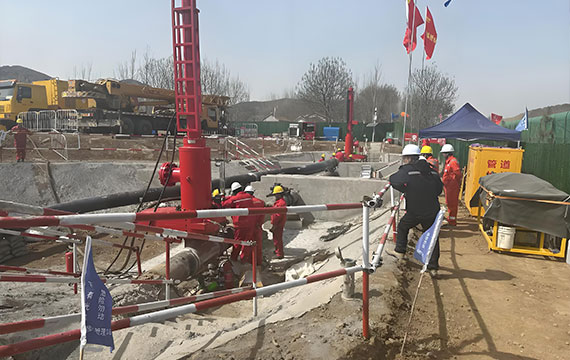
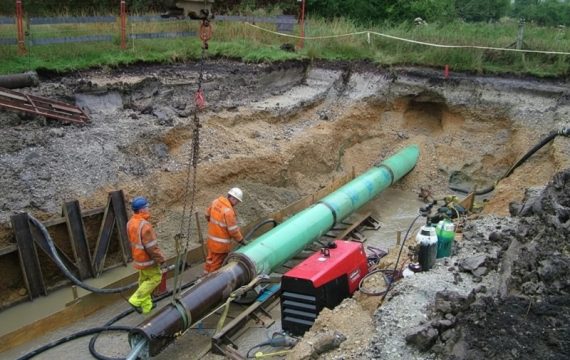
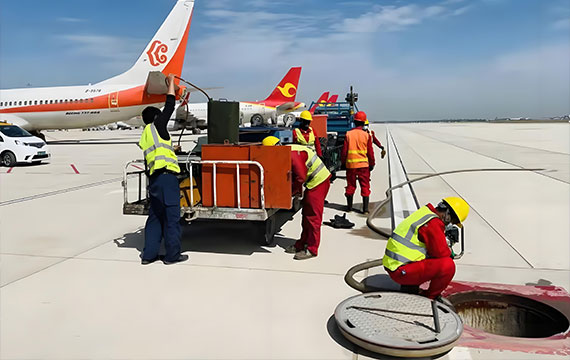
Самый квалифицированный специалист по восстановлению не сможет работать безопасно и эффективно без соответствующего вспомогательного оборудования. JSW предоставляет промышленное оборудование, которое позволяет бригадам поставщиков изолировать, очищать, разрезать и подготавливать участки трубопровода перед инспекцией или установкой CIPP.
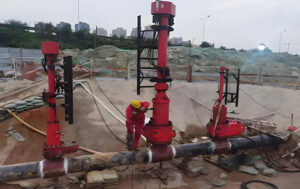
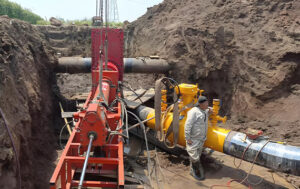
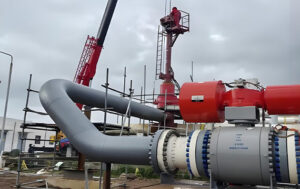
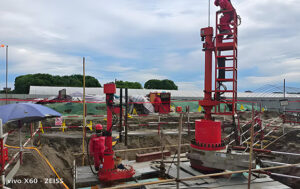
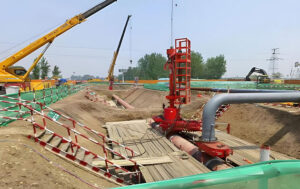
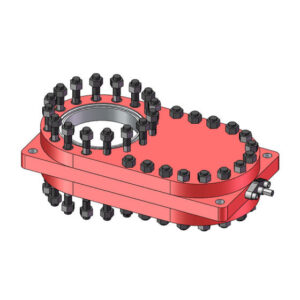
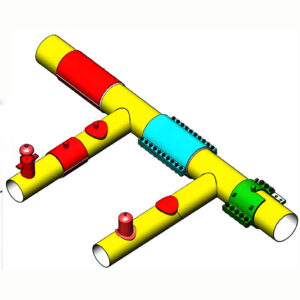
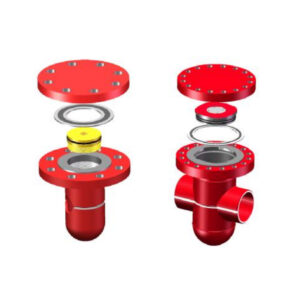
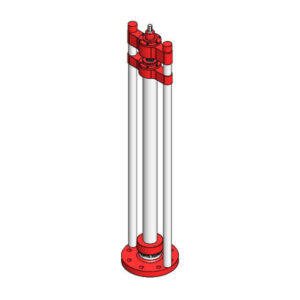
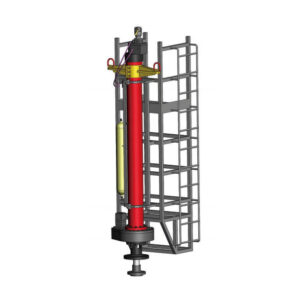
- Остановка линии (горячая нарезка): Перед проведением внутреннего осмотра или установкой вкладыша поток необходимо остановить. Оборудование JSW для остановки линии (до 48 дюймов) создает временный байпас, обеспечивая поставщику сухую и безопасную рабочую зону.
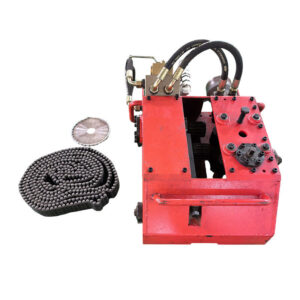
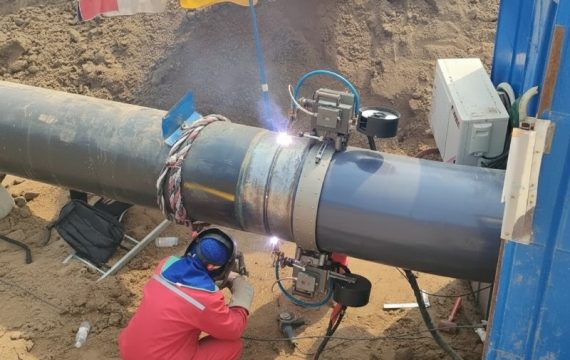
- Резка труб и снятие фасок: Для наплавки или замены секций поврежденные концы труб необходимо обрезать под прямым углом и снять фаску. Пневматические и гидравлические труборезы JSW подготавливают основную трубу к герметичному соединению с новым вкладышем.
- Инструменты для очистки и зачистки: Чистая труба необходима как для инспекции CCTV (четкая видимость), так и для адгезии CIPP. JSW поставляет пенные скребки, стальные оправки и форсунки высокого давления, предназначенные для удаления мусора без повреждения стенок трубы.
Наше обязательство: Мы не конкурируем с поставщиками средств реабилитации. Мы сотрудничаем с ними, предоставляя сертифицированные, прошедшие испытания нагрузкой инструменты для изоляции и подготовки, необходимые для соблюдения стандартов безопасности OSHA и API.
Готовы выбрать подходящее оборудование для вашего следующего проекта по восстановлению? Обратитесь в службу инженерной поддержки JSW для получения технических данных, номинальных значений давления и проверки совместимости с предлагаемыми поставщиком методами.




 English
  Arabic
  Russian
  Spanish
  French
  Vietnamese
  Polish
  Thai
Thai  Indonesian
  Turkish
  Portuguese