
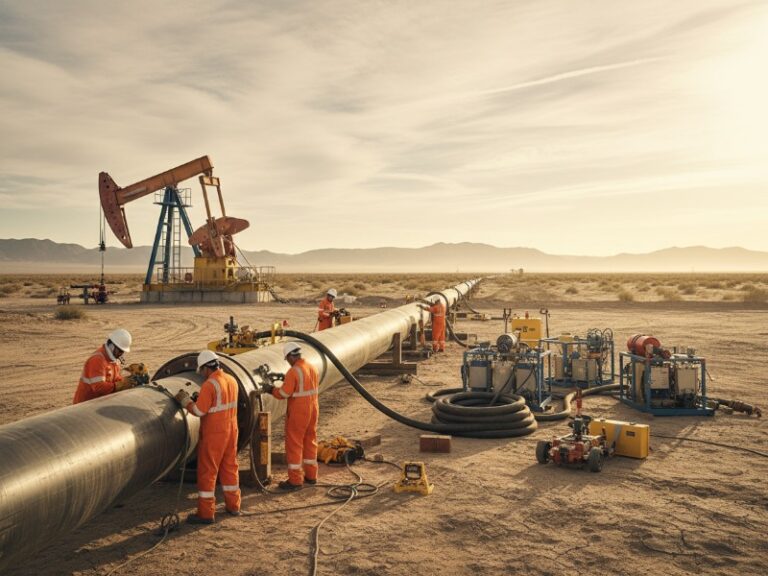
Which pipeline rehabilitation method is best?
The best pipeline rehabilitation method depends on pipe condition and project goals. CIPP lining is ideal for structural repair without excavation, pipe bursting is best for collapsed pipes or diameter expansion, slip lining suits large-diameter low-pressure systems, and spray-applied lining is most cost-effective for corrosion protection.
What Are Pipeline Rehabilitation Methods?
Pipeline rehabilitation methods, also known as trenchless pipe repair methods or underground pipeline repair technologies, are trenchless solutions that repair, restore, or replace damaged pipelines without excavation. The four main methods are CIPP lining, pipe bursting, slip lining, and spray-applied linings. Each method suits different pipe conditions, diameter requirements, and budget constraints.
Among all methods, CIPP lining is the most widely used, accounting for over 60 percent of trenchless rehabilitation projects globally.
Key industry standards governing pipeline rehabilitation include ASTM F1216 for CIPP lining, ASTM F1962 for pipe bursting, and NASSCO PACP guidelines for pipeline inspection and condition assessment.
Quick comparison summary:
- Облицовка CIPP: Best for structural repair without excavation
- Разрыв труб: Best for collapsed pipes and upsizing
- Внутренняя облицовка: Best for large-diameter, low-pressure systems
- Spray-applied lining: Best for corrosion protection
What Is CIPP Lining?
Summary: CIPP lining creates a new pipe inside an existing damaged pipe using a resin-saturated liner cured in place.
CIPP lining is a trenchless pipe rehabilitation method that creates a new pipe inside an existing damaged pipeline using a resin-saturated liner that is cured in place. It restores structural integrity, prevents leaks, and extends service life by over 50 years without excavation.
Typical Installation Time
CIPP lining: 6 to 24 hours for complete installation from cleaning to final cure.
How CIPP Installation Works
The installation process follows four steps:
- Pipe inspection and cleaning: CCTV camera surveys the pipe
- Liner preparation: Felt or fiberglass liner saturated with thermosetting resin
- Liner insertion and curing: Inserted via inversion or pull-in-place, cured with hot water, steam, or UV light
- Final inspection: CCTV verification of adhesion and integrity
CIPP Pros and Cons
| Pros | Cons |
|---|---|
| No excavation required | Higher upfront cost than slip lining |
| 50+ year service life | Curing time required (4-24 hours) |
| Seamless, jointless structure | Not suitable for collapsed pipes |
| Increases flow capacity by up to 15% | Temperature-sensitive installation |
CIPP Performance Data
CIPP liners withstand internal pressures up to 300 psi and temperatures exceeding 200 degrees Fahrenheit. Post-installation testing confirms structural integrity equivalent to new pipe specifications.
What Is Pipe Bursting?
Summary: Pipe bursting fractures an existing collapsed pipe while pulling a new HDPE pipe into place, allowing diameter expansion.
Pipe bursting is a trenchless rehabilitation method that fractures an existing collapsed pipe while simultaneously pulling a new HDPE pipe into place. It enables diameter increases of 20 to 50 percent without additional trenching.
Typical Installation Time
Pipe bursting: 1 to 3 days depending on pipe length, diameter, and soil conditions.
How Pipe Bursting Works
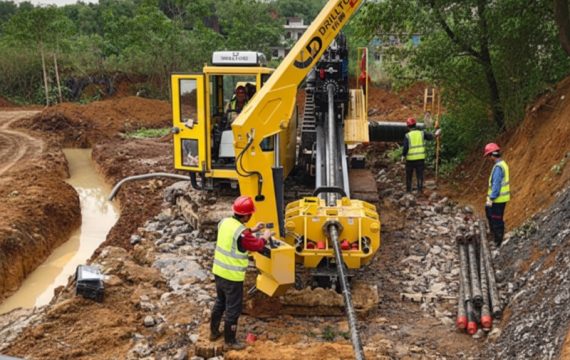
A cone-shaped bursting head, powered by hydraulic systems, is pulled through the existing pipeline. The head expands radially, fracturing the old pipe outward into surrounding soil. A new High-Density Polyethylene (HDPE) pipe attached behind the bursting head is drawn into the expanded cavity.
Pipe Bursting Pros and Cons
| Pros | Cons |
|---|---|
| Allows diameter upsizing (20-50%) | Moderate soil disturbance required |
| Ideal for collapsed or severely damaged pipes | Требуются ямы для доступа с обеих сторон |
| New HDPE pipe provides 100-year life | Not suitable for fragile adjacent utilities |
| No flow capacity reduction | Higher equipment mobilization cost |
Pipe Bursting Ideal Applications
- Collapsed or severely deteriorated pipes
- Capacity upgrade projects requiring larger diameter
- Gas distribution mains
- Water mains requiring leak-free HDPE
What Is Slip Lining?
Summary: Slip lining inserts a smaller-diameter pipe into the existing host pipe and grouts the annular space to lock the liner in place.
Slip lining is the simplest trenchless rehabilitation technique, inserting a smaller-diameter pipe into the existing host pipe and grouting the annular space to lock the liner in place.
Typical Installation Time
Slip lining: 2 to 5 days including grout curing time of 24 to 48 hours.
How Slip Lining Works
A new pipe—typically HDPE, fiberglass-reinforced plastic (FRP), or PVC—is pulled or pushed into the existing line through access pits excavated at strategic intervals. Low-viscosity grout fills the annular space, creating a composite structure.
Slip Lining Pros and Cons
| Pros | Cons |
|---|---|
| Lowest material cost per foot | Flow capacity reduction (10-20%) |
| Material versatility (HDPE, FRP, PVC) | Not suitable for gravity-fed systems |
| Structural redundancy (dual-pipe system) | Requires access pits every 300-500 feet |
| Ideal for large diameters (36-120 inches) | Grout curing time (24-48 hours) |
Slip Lining Applications
- Stormwater drains where flow velocity is less critical
- Force mains under pump pressure
- Industrial pipelines requiring chemical resistance
- Large-diameter transmission mains exceeding 36 inches
What Is Spray-Applied Lining?
Summary: Spray-applied lining coats pipeline interiors with fast-curing cementitious or polymer materials, excelling at corrosion protection for large diameters.
Spray-applied lining uses centrifugal application or robotic spraying to coat pipeline interiors with fast-curing cementitious or polymer materials, excelling at corrosion protection for large-diameter pipes.
Typical Installation Time
Spray-applied lining: 1 to 2 days depending on pipe length and number of coating passes.
Spray-Applied Lining Materials
- Cementitious linings: Calcium aluminate or Portland cement for potable water mains (NSF/ANSI 61 certified)
- Polymer linings: Polyurea, epoxy, or polyurethane for chemical resistance and rapid cure (10-60 seconds)
Spray-Applied Pros and Cons
| Pros | Cons |
|---|---|
| Lowest cost for large diameters (>48 inches) | Shorter service life (20-30 years) |
| Rapid cure times (10 seconds to 2 hours) | Limited structural enhancement |
| No diameter reduction (1-10mm thickness) | Requires dry pipe conditions |
| Ideal for corrosion protection | Multiple passes needed for thickness |
CIPP vs Pipe Bursting: Key Differences
CIPP lining and pipe bursting are the two most commonly compared methods. CIPP is preferred when the existing pipe remains structurally stable, as it creates a seamless liner without changing diameter. Pipe bursting, in contrast, is used when the pipe has failed or when increased capacity is required, as it replaces the pipe entirely with a larger HDPE line.
Typical Installation Time by Method
| Метод | Typical Installation Time |
|---|---|
| Облицовка CIPP | 6-24 hours |
| Разрыв труб | 1-3 days |
| Внутренняя облицовка | 2-5 дней |
| Spray-applied lining | 1-2 дня |
Which method has the longest lifespan?
Pipe bursting and CIPP lining offer the longest service life, typically ranging from 50 to 100 years, depending on installation quality and operating conditions. Spray-applied linings provide 20 to 30 years, while slip lining delivers 30 to 50 years.
How to Choose the Right Pipeline Rehabilitation Method
This decision logic helps infrastructure managers select the optimal method based on pipe condition, accessibility, and project goals.
Pipeline Rehabilitation Selection Rules
| Состояние | Рекомендуемый метод |
|---|---|
| If pipe is collapsed | use pipe bursting |
| If pipe is structurally intact but leaking | use CIPP lining |
| If diameter increase is required | use pipe bursting |
| If pipe diameter exceeds 48 inches and corrosion present | use spray-applied lining |
| If flow reduction is acceptable | use slip lining |
| If potable water main requires NSF certification | use CIPP or cementitious spray |
| If emergency response requires minimal disruption | use CIPP with UV cure |
When NOT to rehabilitate a pipeline
Not all pipelines should be rehabilitated. Pipes with severe misalignment, complete structural collapse across long segments, or significant grade failure may require full replacement instead of trenchless rehabilitation. A professional condition assessment is required before selecting any rehabilitation method.
Common Risks in Pipeline Rehabilitation
| Risk | Описание |
|---|---|
| Wrong method selection | Improper pipe condition assessment leading to method that fails to address the actual problem |
| Inadequate cleaning | Poor cleaning before CIPP installation causes liner adhesion failure and leaks |
| Soil displacement | Pipe bursting near sensitive utilities can damage gas lines, water mains, or fiber optic cables |
| Incorrect material selection | Using incompatible resins or coatings for chemical or high-temperature environments leads to premature failure |
Real-World Case Study: Municipal Sewer Rehabilitation
Сценарий: A 600mm concrete sewer in an urban district showed severe hydrogen sulfide corrosion with multiple active leaks. Traditional excavation would require road closure for 14 days affecting 15,000 daily commuters.
Solution Selected: CIPP lining with UV curing
Execution: Installation completed in 18 hours without road closure. CCTV post-inspection showed full adhesion with no leaks.
Cost Comparison: Reduced costs by 42 percent compared to excavation. Extended service life by 50+ years.
Why CIPP won over pipe bursting: The pipe was structurally compromised but not collapsed, allowing liner adhesion. No diameter increase was needed, eliminating the primary advantage of pipe bursting.
Pipeline Rehabilitation Method Comparison Table
| Метод | Лучший пример использования | Диапазон диаметров | Cost per Foot (USD) | Срок службы | Flow Impact |
|---|---|---|---|---|---|
| Облицовка CIPP | Structural restoration | 4-96 inches | 50-250 | 50+ лет | 0 to +15% |
| Разрыв труб | Collapsed pipes, upsizing | 2-36 inches | 75-300 | 50-100 years | +20-50% capacity |
| Внутренняя облицовка | Large-diameter, low-pressure | 12-120 inches | 30-150 | 30-50 лет | -10-20% |
| Spray-applied | Corrosion protection | 24-144 inches | 20-100 | 20-30 лет | -5-10% |
Industry Data on Trenchless Rehabilitation
Industry data indicates trenchless rehabilitation reduces costs by 30 to 70 percent and project timelines by up to 70 percent compared to traditional excavation methods. These savings are verified across municipal, industrial, and commercial pipeline projects globally.
Frequently Asked Questions About Pipeline Rehabilitation
Q: Which pipeline rehabilitation method is best for residential sewer lines?
A: CIPP lining is most common for residential 4-8 inch sewer laterals, costing 30-50 percent less than excavation with no yard disruption.
Q: How long do trenchless pipe repairs last?
A: CIPP liners and HDPE pipes from bursting provide 50 to 100 years of service life, exceeding original pipe design life.
Q: Can pipe bursting damage nearby utilities?
A: Yes. Pipe bursting creates controlled soil displacement. Professional contractors conduct utility locating and vibration monitoring to protect adjacent lines.
Q: What is the cheapest pipeline rehabilitation method?
A: Spray-applied lining costs USD 20-100 per foot for large diameters. Slip lining is lowest for mid-range diameters. Method selection depends on pipe condition and access.
Q: Which method is best for industrial pipelines?
A: Industrial pipelines handling chemicals or high temperatures typically use CIPP with vinyl ester resin or spray-applied polymer linings. Material compatibility determines the final selection.
Q: Is CIPP safe for drinking water systems?
A: Yes. CIPP liners using NSF/ANSI 61 certified resins are approved for potable water mains. Verification of certification documentation is required before installation.
Q: How do you inspect pipes before rehabilitation?
A: CCTV pipeline inspection is the standard method, providing 360-degree internal views, defect coding per NASSCO PACP standards, and digital records for rehabilitation planning.
Need Help Choosing the Right Method?
Selecting the wrong rehabilitation method can increase project costs by 30 to 50 percent. Our engineering team provides free preliminary assessments, including method selection recommendations, budget estimates, and feasibility analysis within 24 hours.
Industry Expertise and Quality Standards
JSW Infrastructure Solutions has completed 1,500+ trenchless projects across Asia and the Middle East, complying with ASTM F1216 (CIPP), ASTM F1962 (pipe bursting), and NASSCO standards for pipeline assessment. Our certified engineering team provides method-neutral recommendations based on site-specific pipe conditions.
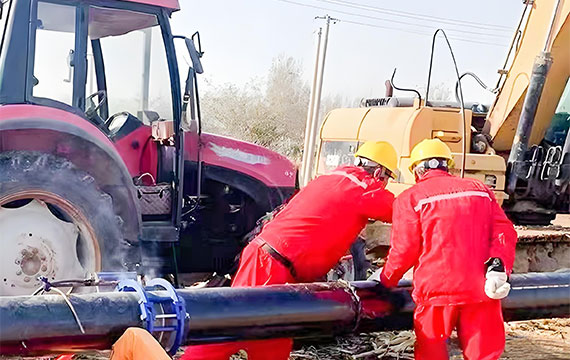
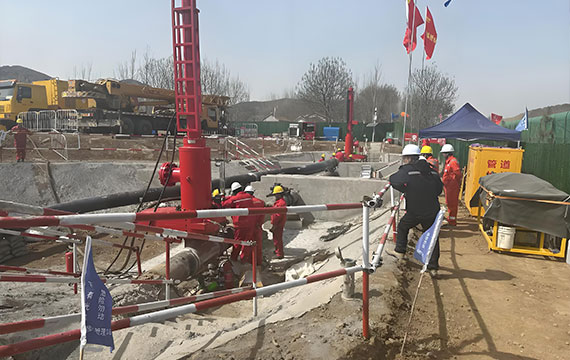
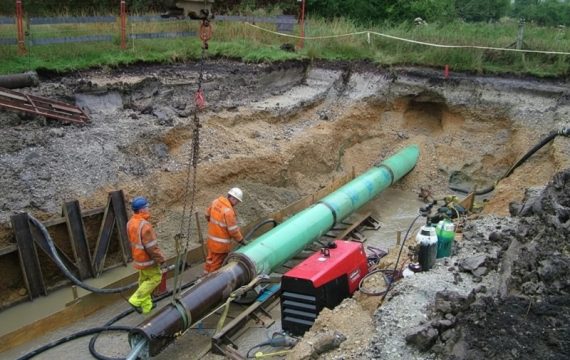
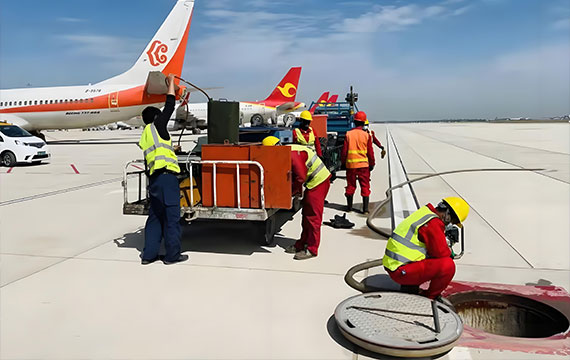
Our experience covers municipal sewer systems, oil and gas pipelines, industrial process lines, and potable water infrastructure.





 English
  Arabic
  Russian
  Spanish
  French
  Vietnamese
  Polish
  Thai
Thai  Indonesian
  Turkish
  Portuguese