
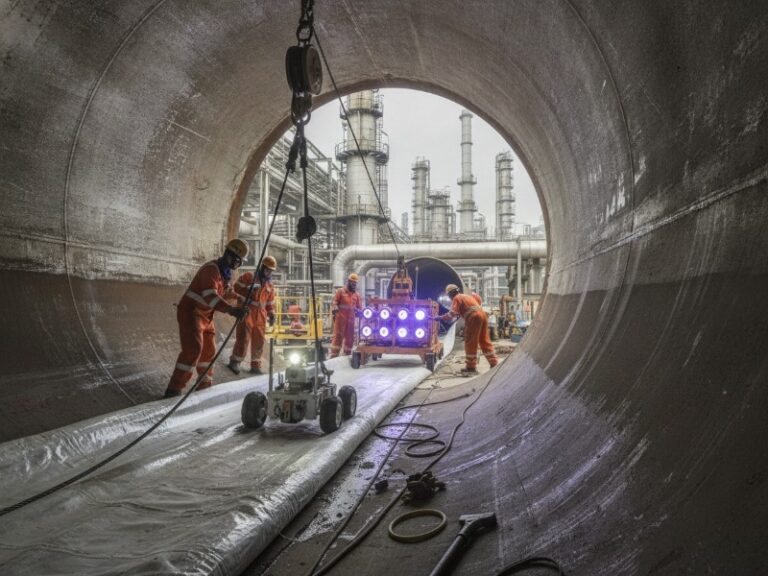
Краткий обзор средней стоимости облицовки труб методом CIPP
| Артикул | Средняя стоимость |
|---|---|
| Стоимость CIPP за линейный фут | $80 – $250 |
| Типовой жилой проект площадью 50 футов | $5 000 – $12 000 |
| Типичная канализационная труба длиной 100 футов | $10 000 – $20 000 |
| Коммерческие и промышленные проекты | $10 000 – $40 000+ |
| Ожидаемый срок службы | Более 50 лет |
| Экономия по сравнению с открытым выемкой грунта | 30% – 50% |
В 2026 году стоимость облицовки труб методом CIPP составит от $80 до $250 за линейный фут, при этом большинство домовладельцев заплатят от $5,000 до $12,000 за стандартный канализационный отвод длиной 50 футов. Для промышленных или муниципальных труб большего диаметра стоимость зависит от диаметра и сложности объекта. В этом полном руководстве рассматриваются затраты в зависимости от размера трубы, материала, штата, а также приводятся сравнения с методами разрыва труб и эпоксидной облицовки; кроме того, в нём представлен пошаговый калькулятор затрат, который поможет вам точно составить бюджет.
Калькулятор стоимости CIPP: рассчитайте стоимость вашего проекта за 3 шага
Воспользуйтесь этой простой формулой и справочной таблицей, чтобы рассчитать общую стоимость проекта по устройству CIPP-облицовки.
Формула расчета ориентировочной стоимости
Общая стоимость работ по методу CIPP = (длина трубы × стоимость за фут) + очистка и осмотр + обеспечение доступа и получение разрешений + дополнительные ремонтные работы
Таблица быстрого поиска стоимости
| Длина трубы | Ориентировочный диапазон стоимости (трубы диаметром 4–6 дюймов) |
|---|---|
| 25 футов | $2 500 – $6 250 |
| 50 футов | $5 000 – $12 500 |
| 75 футов | $7 500 – $18 750 |
| 100 футов | $10 000 – $25 000 |
| 150 футов | $15 000 – $37 500 |
Пример расчёта: Для канализационного трубопровода длиной 60 футов 6 дюймов при благоприятных условиях доступа:
- Стоимость базовой облицовки: 60 футов × $180/фут = $10 800
- Очистка и осмотр: $800
- Доступ и разрешения: $500
- Расчетная общая сумма: $12 100
Данная формула служит ориентиром — фактическая стоимость может варьироваться в зависимости от конкретного состояния труб, глубины прокладки и местных ставок оплаты труда.
Что такое технология CIPP и как она работает?
Футеровка труб методом CIPP (Cured-in-place pipe) представляет собой технология бестраншейной реконструкции которая позволяет восстанавливать поврежденные трубы изнутри без проведения земляных работ. В существующую трубу вводится гибкая вставка из войлока или стекловолокна, пропитанная термореактивной смолой, которая затем раздувается и отвердевает под воздействием горячей воды, пара или ультрафиолетового излучения, образуя новую несущую трубу внутри старой.
Данный метод подходит для канализационных сетей, ливневых стоков, стояков зданий, промышленных технологических линий и магистральных трубопроводов питьевой воды. В отличие от традиционной замены труб, технология CIPP требует лишь небольших точек доступа — как правило, по одной на каждом конце — что позволяет сохранить ландшафтный дизайн, подъездные пути, промышленные напольные покрытия и внутреннюю отделку помещений.
Почему метод CIPP важен с точки зрения затрат: Поскольку вам не приходится рыть траншеи на территории вашего участка или объекта, вы избавляетесь от значительных затрат на восстановительные работы — зачастую это самая крупная статья расходов в традиционных проектах по ремонту труб. По данным Национальной ассоциации компаний по обслуживанию канализационных сетей (NASSCO), технология CIPP является одной из наиболее широко применяемых бестраншейных технологий реконструкции стареющей инфраструктуры, эффективность которой подтверждена многолетним опытом эксплуатации.
Стоимость облицовки труб методом CIPP в зависимости от диаметра трубы
Диаметр трубы является одним из основных факторов, определяющих стоимость работ по методу CIPP. Для труб большего диаметра требуется больше материала для облицовки, больше смолы и более крупное оборудование для отверждения. Ниже приведены типичные диапазоны цен за фут в зависимости от диаметра:
| Диаметр трубы | Типовое применение | Стоимость за линейный фут |
|---|---|---|
| 3″ – 4″ | Небольшие отводы от жилых домов, водосточные трубы | $80 – $180 |
| 4″ – 6″ | Стандартные жилые и небольшие коммерческие объекты | $100 – $250 |
| 6″ – 8″ | Коммерческая недвижимость, многоквартирные дома | $100 – $300+ |
| 8″ – 10″ | Муниципальные магистральные трубопроводы, промышленные технологические линии | $150 – $400+ |
| 10″ – 12″+ | Ливневые стоки, промышленные трубы большого диаметра | $200 – $500+ |
Справочные материалы по инженерии: В отношении водопроводных магистралей в отрасли принято оценивать стоимость метода CIPP по формуле, согласно которой она составляет примерно **$31,23 за дюйм диаметра на линейный фут**. Например, стоимость прокладки трубопровода диаметром 6 дюймов по данному ориентиру составит примерно $187 за фут, что соответствует приведенным выше диапазонам.
Стоимость метода CIPP в зависимости от материала существующего трубопровода
Материал, из которого изготовлена имеющаяся у вас труба, существенно влияет на трудоемкость очистки, адгезию вкладыша и общую стоимость. Различные материалы сопряжены со своими особенностями:
| Материал существующих труб | Типичная стоимость за линейный фут | Основные моменты, которые следует учитывать |
|---|---|---|
| Чугун | $100 – $250 | Часто требуется удаление накипи для устранения бугорчатости; при шероховатой внутренней поверхности может потребоваться дополнительное нанесение смолы |
| Глиняная черепица (VCP) | $90 – $220 | Корни часто проникают в места стыков; может потребоваться гидродинамическая очистка или механическая очистка |
| ПВХ | $80 – $200 | Идеально гладкая поверхность; минимальные затраты на очистку; ограниченное проникновение корней |
| Бетон | $120 – $300 | Могут иметь трещины или отслоения, требующие подготовки конструкции; часто встречаются большие диаметры |
| Оранджбург (битумное волокно) | $120 – $300 | Хрупкий материал; зачастую частично разрушен; перед укладкой облицовки может потребоваться точечный ремонт |
| Сталь | $110 – $280 | Коррозионные отложения; для обеспечения надлежащей адгезии может потребоваться пескоструйная обработка или очистка под высоким давлением |
Совет от профессионала: Трубы из чугуна и оранжбургские трубы часто требуют самых высоких затрат на подготовку. При составлении сметы на эти материалы следует предусмотреть дополнительные расходы в размере $5–$15 за фут на тщательную очистку или удаление накипи.
Стоимость метода CIPP по сравнению со всеми методами ремонта канализационных труб
Выбор подходящего метода зависит от состояния труб, бюджета и долгосрочных целей. Ниже приводится подробное сравнение всех основных вариантов:
| Метод | Стоимость за линейный фут | Ожидаемый срок службы | Требуется проведение земляных работ | Лучшее приложение |
|---|---|---|---|---|
| Прокладка CIPP | $80 – $250 | 50+ лет | Нет | Конструктивно исправные трубы с трещинами, протечками или проникновением корней |
| Разрыв трубы | $100 – $300 | 50+ лет | Минимальные (ямы для въезда/выезда) | Сильно поврежденные или обрушившиеся трубы, требующие полной замены |
| Эпоксидная подкладка | $30 – $120 | 20–50 лет | Нет | Трубы малого диаметра, питьевая вода, коррозия от слабой до умеренной |
| Точечный ремонт | $500 – $2 000 за каждый ремонт | 5–15 лет | Минимум | Отдельные отверстия или дефекты в стыках; не подходит при обширных повреждениях |
| Замена с открытым срезом | $100 – $250 + восстановление | 50+ лет | Полная раскопка | Неглубокие трассы, участки с низкой стоимостью восстановления или в случаях, когда применение других методов невозможно |
| Забивка труб | $150 – $400 | 50+ лет | Пит-стопы для въезда/выезда | Установка стальных обсадных труб большого диаметра под автомобильными или железнодорожными дорогами |
Основной вывод: Технология CIPP обеспечивает оптимальный баланс между стоимостью, долговечностью и минимальными неудобствами для большинства проектов по восстановлению трубопроводов. Замена труб открытым способом становится экономически выгодной только в тех случаях, когда затраты на восстановительные работы минимальны (например, при новом строительстве или на пустырях).
Стоимость метода CIPP по сравнению со стоимостью метода разрыва труб
Разрыв трубы — ещё один бестраншейный метод, при котором существующая труба заменяется путём её разрыва наружу с одновременной протяжкой новой трубы на место. Ниже приведено сравнение затрат:
| Фактор | Прокладка CIPP | Разрыв трубы |
|---|---|---|
| Стоимость за линейный фут | $80 – $250 | $100 – $300 |
| Требуется проведение земляных работ | Минимальные (небольшие смотровые колодцы) | Требуются боксы для въезда/выезда |
| Замена труб | Новая труба внутри существующей | Полностью заменяет старую трубу |
| Подходит для | Конструктивно исправные трубы с трещинами | Обрушенные или сильно поврежденные трубы |
| Продолжительность жизни | 50+ лет | 50+ лет |
| Изменение диаметра | Незначительно уменьшает внутренний диаметр | Можно увеличить диаметр трубы |
Что дешевле? Метод CIPP, как правило, является более экономически выгодным для труб, которые сохранили свою прочность, но имеют трещины или проникновение корней. Метод разрыва труб лучше подходит для сильно поврежденных или обрушившихся труб, однако требует более значительных нарушений работы объекта и использования более крупного оборудования.
Стоимость технологии CIPP по сравнению со стоимостью эпоксидной облицовки труб
Эпоксидная облицовка (также называемая эпоксидным покрытием) — это менее интенсивный метод бестраншейной реконструкции, применяемый в основном для трубопроводов питьевой воды малого диаметра и систем низкого давления. Ниже приведено сравнение этого метода с технологией CIPP:
| Фактор | Эпоксидная подкладка | Прокладка CIPP |
|---|---|---|
| Стоимость за линейный фут | $30 – $120 | $80 – $250 |
| Диапазон диаметров труб | ½″ – 4″ | 3″ – 60″+ |
| Прочность конструкции | Умеренный (усиление) | Высокий (замена конструкции) |
| Номинальное давление | От низкого до умеренного | Высокое (до 150+ psi) |
| Продолжительность жизни | 20–50 лет | 50+ лет |
| Лучшее приложение | Небольшие трубопроводы питьевой воды, незначительная коррозия | Канализационные коллекторы, ливневые стоки, напорные трубопроводы |
Что подходит именно вам? Эпоксидная облицовка, как правило, является наиболее экономичным бестраншейным решением для труб малого диаметра, структурная целостность которых все еще находится на приемлемом уровне. Метод CIPP больше подходит для восстановления конструкции канализационных труб большего диаметра и напорных магистралей. Ваш подрядчик поможет определить оптимальный метод с учетом состояния труб, их диаметра и требований к давлению.
Стоимость облицовки канализационных труб методом CIPP по штатам
Стоимость рабочей силы, сборы за выдачу разрешений и доступность материалов значительно различаются по штатам США. Ниже приведены ориентировочные расценки на уровне штатов для стандартных отводов канализационных труб жилых домов диаметром 4–6 дюймов:
| Штат | Типичная стоимость за линейный фут | Штат | Типичная стоимость за линейный фут |
|---|---|---|---|
| Калифорния | $120 – $250 | Техас | $90 – $220 |
| Флорида | $90 – $200 | Нью-Йорк | $130 – $280 |
| Пенсильвания | $100 – $230 | Иллинойс | $100 – $220 |
| Огайо | $95 – $210 | Georgia | $95 – $200 |
| North Carolina | $90 – $195 | Washington | $110 – $240 |
| Arizona | $95 – $210 | Колорадо | $100 – $220 |
| Virginia | $100 – $225 | Michigan | $100 – $215 |
| New Jersey | $120 – $250 | Massachusetts | $130 – $260 |
These ranges are directional estimates based on contractor bid data and municipal project records. Actual quotes vary by site conditions, seasonal demand, and specific project requirements.
Key Factors That Drive CIPP Lining Costs
Actual pricing varies widely because project conditions are never identical. Here are the seven most significant cost drivers:
1. Pipe Diameter and Length
Larger diameters require more liner material and resin. Longer runs generally improve per-foot efficiency up to a point, but may require multiple setups or larger equipment.
2. Existing Pipe Material
As detailed above, cast iron, clay, concrete, and Orangeburg each present unique cleaning and preparation challenges. Cast iron typically requires descaling, clay often has root intrusion, and concrete may need structural prep.
3. Access Points and Site Logistics
If your sewer line has an existing accessible cleanout, costs are lower. Contractors who need to dig access pits, work in tight basements, or navigate interior stacks may charge more. Traffic control and street permits add significant cost for municipal or right-of-way projects.
4. Number of Bends and Branch Connections
Every turn and branch connection complicates liner installation and requires specialized robotic cutting afterward to reinstate service lines. More connections mean higher labor costs.
5. Depth and Ground Conditions
Deeper pipes require more robust equipment and setup time. Rock, unstable soils, or high groundwater can complicate access and add cost. According to the U.S. Environmental Protection Agency (EPA) , trenchless rehabilitation methods significantly reduce surface disruption and environmental impact compared with open-cut replacement, but depth remains a key cost factor.
6. Curing Method
- Отверждение паром: Most common; reliable and cost-effective for most residential projects.
- Hot water curing: Traditional method; may add cost due to boiler equipment and water disposal.
- УФ-отверждение: Faster and more energy-efficient; often adds $10–$30 per foot but offers faster installation times and more consistent results.
7. Local Labor Rates and Permitting
Metropolitan areas with higher labor costs and stricter permitting often have quotes 10–25% above national averages. CIPP pricing has risen 10–25% since 2020 due to material and labor cost increases.
Real-World CIPP Cost Examples
Industrial Facility Process Line
Расположение: Texas Gulf Coast
Pipe Size: 8-inch
Pipe Material: Carbon steel with corrosion scaling
Length: 120 feet
Condition: Moderate corrosion and pitting
Метод: Steam-cured CIPP with epoxy resin for chemical resistance
Total Cost: $28,500
**Alternative Open-Cut Cost:** $45,000+ (including concrete removal and replacement)
Total Savings: 37%
Municipal Sewer Main
Расположение: Midwest
Pipe Size: 10-inch
Pipe Material: Concrete with cracks
Length: 350 feet
Condition: Multiple cracks and joint separation
Метод: UV-cured CIPP with structural felt liner
Total Cost: $89,000
**Traffic Control & Bypass:** $12,000 included
Project Duration: 3 days vs. 2 weeks for open-cut
Residential Sewer Lateral
Расположение: Техас
Pipe Size: 4-inch
Pipe Material: Clay tile with root intrusion
Length: 55 feet
Condition: Moderate root intrusion and minor cracks
Метод: Steam-cured CIPP
Total Cost: $7,850
**Avoided Excavation Restoration Cost:** $6,200
Total Savings vs. Open-Cut: 44%
How CIPP Installation Works (Step-by-Step)
The CIPP installation process follows a standardized sequence that ensures quality and longevity:
Step 1: CCTV Inspection
A robotic camera is inserted into the pipe to assess condition, locate damage, measure length, and identify branch connections. This data determines whether CIPP is suitable.
Step 2: Pipe Cleaning
High-pressure water jetting, mechanical cleaning, or descaling removes debris, scale, roots, and deposits. The pipe interior must be clean for proper liner adhesion.
Step 3: Liner Preparation
A felt or fiberglass liner is saturated with thermosetting resin (polyester, vinyl ester, or epoxy) according to the pipe diameter and structural requirements.
Step 4: Liner Installation
The resin-saturated liner is inserted into the pipe using inversion (air or water pressure) or pull-in methods. It is then inflated against the host pipe wall.
Step 5: Curing
The liner is cured using hot water, steam, or UV light. Curing time ranges from 1–6 hours depending on method and pipe diameter.
Step 6: Final CCTV Inspection
After curing, a camera inspection confirms the liner is properly installed, fully cured, and free of defects. Robotic cutters reinstate branch connections.
Total installation time: Most residential projects are completed in 1–2 days; larger industrial or municipal projects may take 3–5 days.
Frequently Asked Questions About CIPP Lining Costs
Is CIPP lining cheaper than pipe replacement?
Yes, on a total-project basis. While per-foot rates are similar, CIPP avoids the expensive restoration of landscaping, driveways, concrete slabs, and interior finishes. Most homeowners save 30–50% by choosing trenchless lining over full excavation.
Is CIPP lining worth the money?
For most sewer rehabilitation projects, yes. Although the upfront cost is higher than spot repairs, CIPP eliminates excavation and typically lasts more than 50 years. Compared with repeated point repairs, CIPP often provides better long-term value.
What is the cheapest trenchless sewer repair method?
Epoxy coating is usually the lowest-cost trenchless solution for small-diameter pipes ($30–$120 per foot), while CIPP ($80–$250 per foot) is more suitable for structural rehabilitation of larger pipes.
Can a collapsed pipe be lined?
No. Fully collapsed pipes generally require spot repair or replacement before a CIPP liner can be installed. Pipe bursting or open-cut replacement may be necessary for complete structural failures.
How much does 4-inch sewer liner cost?
A 4-inch CIPP liner typically costs $80–$180 per linear foot, with total project costs ranging from $3,000 to $10,000 depending on length and site conditions.
How much does 6-inch CIPP lining cost?
A 6-inch CIPP liner typically costs $100–$250 per linear foot. For a 50-foot run, expect $6,000–$12,500 total.
How much does 8-inch CIPP lining cost?
An 8-inch CIPP liner typically costs $120–$300 per linear foot. Commercial projects with 8-inch lines often range from $10,000 to $40,000+ depending on length and complexity.
How much does cast iron pipe lining cost?
Lining cast iron pipes typically costs $100–$250 per linear foot, with descaling adding $5–$15 per foot. Cast iron often requires more surface preparation due to tuberculation.
How much does clay sewer pipe lining cost?
Lining clay tile pipes typically costs $90–$220 per linear foot. Root removal is the most common additional expense.
How much does concrete pipe lining cost?
Lining concrete pipes typically costs $120–$300 per linear foot, primarily for larger diameters. Structural cracks may require additional preparation.
How long does CIPP lining last?
Properly installed CIPP liners are designed for a 50+ year service life for gravity sewers and 30–50 years for pressure pipes. The new pipe is seamless, jointless, and resistant to corrosion and root intrusion.
Does homeowners insurance cover CIPP pipe lining?
Typically, no. Homeowners insurance covers sudden, accidental damage (e.g., a burst pipe) but not gradual deterioration, root intrusion, or normal wear-and-tear. Check your policy—some endorsements may cover sewer line repairs, but many homeowners pay out of pocket. Municipal utility districts may offer cost-sharing programs for lateral repairs.
What does CIPP lining cost for a 100-foot driveway sewer line?
For a 100-foot, 4″–6″ residential line with average complexity, expect $10,000 – $20,000 total. If the line runs under a driveway or street with traffic control requirements, costs can approach the higher end of the range.
What does CIPP pipe lining cost in California?
CIPP lining in California typically costs $120–$250 per linear foot, with total residential projects averaging $8,000–$15,000. Higher labor rates and stricter permitting contribute to the premium.
What does CIPP pipe lining cost in Texas?
Texas rates are generally more affordable, ranging from $90–$220 per linear foot, with total residential projects averaging $5,000–$12,000.
What are common extra charges to watch for?
Itemized quotes often include these additional charges:
- Camera inspection: $300 – $600
- Hydro-jetting / descaling: $5 – $15 per foot
- Spot repairs (for collapsed sections before lining): $500 – $1,500 per point
- Traffic control / permits: $500 – $2,000 for street work
- Robotic branch reinstatement: $150 – $350 per connection
- Structural restoration (reinstating cleanouts or manhole connections): variable
Always ask for a detailed, itemized quote so you can compare apples-to-apples across contractors.
How long does CIPP installation take?
Most residential CIPP projects are completed in 1-2 дня, compared to 1–2 weeks for open-cut replacement. Large commercial or municipal projects may take 3–5 days depending on scale.
Is CIPP lining safe for drinking water pipes?
Yes, when properly specified. CIPP liners for potable water systems must meet NSF/ANSI 61 certification for drinking water safety. Not all CIPP materials are rated for potable water—confirm with your contractor.
How do I find a qualified CIPP contractor?
Look for contractors with:
- NASSCO certification (National Association of Sewer Service Companies)
- ASTM F1216 compliance (standard specification for CIPP installation)
- At least 3–5 years of trenchless experience
- Multiple positive reviews and project photos
- Detailed, itemized written quotes
Does CIPP work for large-diameter municipal pipes?
Yes. CIPP is commonly used for 8″–60″+ municipal sewer mains and storm drains. Costs for municipal projects are typically quoted per project rather than per foot, and range widely based on diameter, length, traffic management, and bypass pumping requirements.
How does UV CIPP compare in cost and quality?
UV-cured CIPP generally adds $10–$30 per foot compared with steam or hot-water curing. Benefits include faster curing (1–2 hours vs. 3–6 hours), lower energy consumption, and more consistent curing results. UV CIPP is increasingly popular for commercial and municipal projects where installation speed is critical.
How much does CIPP pipe lining cost for industrial applications?
Industrial CIPP projects typically start at $150–$400+ per linear foot due to larger diameters, higher pressure ratings, and chemical resistance requirements. Total projects often range from $20,000 to $500,000+.
CIPP vs. Open-Cut Replacement: Detailed Cost Comparison
The decision between CIPP and open-cut replacement goes beyond per-foot pricing. Here is a comprehensive comparison:
| Фактор стоимости | Прокладка CIPP | Замена с открытым срезом |
|---|---|---|
| Per-foot cost (4″–6″ line) | $100 – $250 | $100 – $250 |
| Restoration (landscaping, concrete, driveway) | Minimal (minor access pits) | $5,000 – $15,000+ |
| Project duration | 1-2 дня | 1–2 weeks |
| Disruption to property | Minimal (small access points) | Major (full trench across yard) |
| Disruption to driveway / street | None (below-ground access) | Significant excavation |
| Total for 50-foot home lateral | $5 000 – $12 000 | $15,000 – $30,000+ |
| Life-cycle cost (50 years) | Significantly lower due to reduced maintenance | Higher due to frequent future repairs |
| Воздействие на окружающую среду | 95% less excavated material | 100% excavation of pipe trench |
Independent study reference: CIPP used 95% less excavated material (60 m³ vs. 1,200 m³) and reduced traffic disruptions by 78% compared with open-cut replacement.
Key Takeaways: CIPP Cost in 2026
- Average CIPP cost: $80–$250 per linear foot
- Typical 50-foot residential project: $5 000–$12 000
- Typical 100-foot sewer line: $10,000–$20,000
- Lifespan: 50+ лет
- Savings compared with excavation: 30%–50%
- Installation time: 1-2 дня
- Primary cost drivers: Pipe diameter, material condition, access, depth, and local labor rates
Why Trust This Cost Guide?
This pricing guide was prepared by JSW’s trenchless rehabilitation engineering team using:
- Contractor bid data from residential, commercial, and industrial projects across North America
- Municipal project records for CIPP installations
- NASSCO (National Association of Sewer Service Companies) rehabilitation guidelines
- ASTM F1216 standard installation specifications for CIPP
- ASTM F1743 standard practice for CIPP installation
- U.S. EPA best practices for sewer rehabilitation
- North American trenchless construction cost benchmarks
- Field validation from thousands of completed CIPP projects
About JSW—Your Partner in Trenchless Pipe Rehabilitation
JSW is a leading provider of trenchless pipeline rehabilitation solutions, serving infrastructure contractors, municipalities, and industrial facility owners across North America. We specialize in CIPP lining systems, epoxy coating, UV-cured pipe rehabilitation, and hot tap and line stopping services.
Why industry leaders choose JSW:
- Comprehensive technology portfolio—We offer CIPP inversion systems, pull-in liners, UV curing rigs, and epoxy coating solutions tailored to pipe diameters from 1.5″ to 60″ for both gravity and pressure applications.
- Engineered to industry standards—Our materials meet or exceed ASTM, AWWA, and NSF requirements for structural performance, chemical resistance, and potable water safety.
- Cost-effective methodology—We help you select the optimal rehabilitation method based on total cost of ownership, not just upfront pricing. Our approach minimizes downtime and preserves site assets.
- End-to-end support—From initial CCTV inspection and design engineering to installation, curing QA/QC, and commissioning, JSW provides full project lifecycle services.
- Доказанный послужной список—Our systems have been deployed in thousands of residential, commercial, and municipal projects, with documented 50-year design life performance across a wide range of pipe materials and conditions.
Request a CIPP Cost Estimate
Get a detailed, itemized budget estimate for your pipe rehabilitation project. Our engineering team provides:
- ✔ Budget estimate based on your pipe diameter, length, and material
- ✔ Method selection recommendation (CIPP, epoxy, pipe bursting, or alternative)
- ✔ Material recommendation (polyester, vinyl ester, epoxy, or UV-cured)
- ✔ Project feasibility review with risk assessment
- ✔ Schedule and timeline projection
To request your estimate, please provide:
- Pipe diameter and length
- Pipe material (cast iron, clay, PVC, concrete, Orangeburg, steel, etc.)
- Project location
- Photos or CCTV inspection report (if available)
Contact our engineering team to schedule a site assessment and receive a detailed, itemized cost estimate for your specific pipe rehabilitation project. We’ll help you determine whether CIPP, epoxy lining, UV CIPP, pipe bursting, or another trenchless method delivers the best value for your unique conditions.
Final Summary: Average CIPP Lining Cost
| Pipe Category | Typical Cost Range (Per Linear Foot) | Typical Project Total |
|---|---|---|
| Small residential lateral (3″–4″) | $80 – $180 | $3,000 – $8,000 (25 ft) |
| Standard residential (4″–6″, 50 ft) | $100 – $250 | $5 000 – $12 000 |
| Commercial / multi-unit (6″–8″) | $100 – $300+ | $10 000 – $40 000+ |
| Industrial / municipal (8″–10″+) | $150 – $400+ | Highly variable |
The bottom line: CIPP pipe lining costs $80–$250 per linear foot, with total project costs from $3,000 for short repairs** to **$15,000+ for complex residential projects. Compared with traditional dig-and-replace, CIPP saves 30–50% on total project cost while delivering a 50-year solution with minimal disruption. Get multiple itemized quotes, inspect your contractor’s credentials, and choose the method that offers the best total cost of ownership for your specific situation.
This guide was prepared by JSW’s trenchless rehabilitation engineering team. Updated July 2026.







 English
  Arabic
  Russian
  Spanish
  French
  Vietnamese
  Polish
  Thai
Thai  Indonesian
  Turkish
  Portuguese