
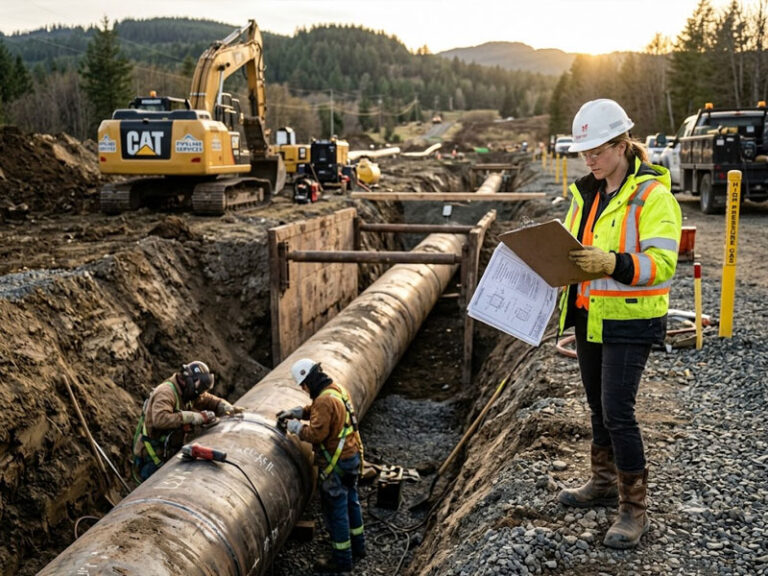
Что такое разрешение на ремонт трубопровода?
Разрешение на ремонт трубопровода — это разрешение, выдаваемое федеральным, штатным или местным органом власти, позволяющее проводить работы по техническому обслуживанию, земляным работам, замене или восстановлению существующей трубопроводной системы. Требования к получению разрешения варьируются в зависимости от типа трубопровода, объема ремонта, воздействия на окружающую среду и местоположения. Для большинства проектов по ремонту трубопроводов требуются разрешения на земляные работы, разрешения на использование полосы отвода, экологические разрешения, согласования с коммунальными службами и разрешения на проведение инспекций. В зависимости от классификации трубопровода и объема ремонтных работ могут потребоваться дополнительные федеральные, штатные или местные разрешения.
Краткий обзор требований к разрешениям на ремонт трубопроводов
| Требование | Типичная потребность | В соответствующих случаях |
|---|---|---|
| Разрешение на проведение земляных работ | Почти всегда | Все работы, связанные с нарушением естественного состояния грунта |
| Разрешение на пользование полосой отвода | Общие | Работы на территории общественного пользования или в зоне сервитутов коммунальных сетей |
| Экологическое разрешение | В зависимости от местоположения | Вблизи водоемов, водно-болотных угодий или охраняемых природных сред обитания |
| Уведомление штата | Транспортные трубопроводы | Регулируемые системы передачи и распределения электроэнергии |
| Федеральная координация | Капитальный ремонт | Ремонтные работы в рамках программы «Управление целостностью», федеральные земли |
| Разрешение на проведение инспекции | Капитальный ремонт | Сварка, замена труб протяженностью более 100 метров |
| Разрешение на работу в замкнутом пространстве | В соответствующих случаях | Вход в клапанные колодцы, участки трубопроводов или подземные камеры |
| Разрешение на определение местоположения инженерных сетей | Обязательно | Перед началом любых земляных работ во всех 50 штатах |
Статистика выдачи разрешений на ремонт трубопроводов
Понимание масштабов и объёма работ по получению разрешений на ремонт трубопроводов помогает операторам эффективно планировать свою деятельность. Ниже приведены ключевые статистические данные, подчеркивающие важность надлежащего получения разрешений:
- Для более чем 70% проектов по ремонту трубопроводов требуется разрешение на проведение земляных работ, что делает его наиболее распространённым типом разрешения среди всех категорий трубопроводов
- Для проведения ремонтных работ на магистральном трубопроводе требуется получение экологических разрешений примерно на 20–40%, в зависимости от местоположения и близости к зонам повышенного риска
- Во всех 50 штатах США перед началом земляных работ обязательно нужно подать заявку на определение местоположения инженерных сетей, при этом операторы обязаны позвонить по номеру 811 не позднее чем за 48–72 часа до начала земляных работ
- Для проведения крупных ремонтных работ на магистральных трубопроводах часто требуется получение разрешений от 3–10 различных ведомств, включая федеральные, штатные и местные органы власти
- Примерно 60% задержек при ремонте трубопроводов связаны с оформлением разрешений, в связи с чем своевременная подача заявки на получение разрешения имеет решающее значение для соблюдения графика реализации проекта
- На аварийный ремонт трубопроводов, требующий ускоренного оформления разрешений, приходится примерно 15–25% от общего объема ремонтных работ, при этом в большинстве юрисдикций предусмотрены специальные положения на случай чрезвычайных ситуаций
1. От чего зависит, какие разрешения требуются для ремонта трубопровода?
Требования к разрешениям, необходимым для проведения ремонтных работ на трубопроводе, зависят от трёх основных факторов: классификации трубопровода, места проведения ремонта и метода ремонта. Понимание этих факторов является первым шагом в определении конкретной процедуры получения разрешений.
Классификация трубопроводов
К различным типам трубопроводов предъявляются разные нормативные требования:
| Тип трубопровода | Типичные сложности, связанные с получением разрешений | Первичный регулятор |
|---|---|---|
| Транспортировка природного газа | Высокий | PHMSA, Комиссия по регулированию коммунальных услуг штата |
| Распределение природного газа | Средний | Государственная комиссия по регулированию коммунальных услуг, местные органы власти |
| Нефтепровод | Высокий | PHMSA, EPA, штат |
| Водопровод | Средний | Государственный, местный |
| Трубопровод для промышленных процессов | Средний | OSHA, штатные и местные органы |
| Напорный канализационный трубопровод | Средний | Агентство по охране окружающей среды (EPA), органы штата, местные органы власти |
Факторы, влияющие на место проведения ремонта
В зависимости от местоположения трубопровода оператору может потребоваться получить разрешения, уведомить собственников недвижимости, подготовить план земляных работ и, при необходимости, заключить договоры с сторонними компаниями. Поскольку большая часть трубопровода проходит под землей, перед началом любых ремонтных работ почти всегда требуется получение разрешений на проведение земляных работ.
Объем и метод ремонта
- Капитальный ремонт: Замена более 100 метров трубопровода, сварка новых участков или изменение эксплуатационных параметров влекут за собой дополнительные требования к проверке
- Регулярное техническое обслуживание: Незначительный ремонт, подкраска покрытия и смазка клапанов, возможно, позволили снизить требования к получению разрешений
- Аварийный ремонт: В ситуациях, критичных с точки зрения безопасности, зачастую предусмотрены ускоренные процедуры получения разрешений
2. Федеральные правила по ремонту трубопроводов и координация работ
Участие федеральных органов в процессе выдачи разрешений на ремонт трубопроводов в первую очередь направлено на координацию экологических аспектов и обеспечение соблюдения требований безопасности, а не на выдачу отдельного “разрешения на ремонт трубопровода”. Законом о безопасности трубопроводов предусмотрено создание Межведомственного комитета для координации экологических экспертиз и оптимизации процесса выдачи разрешений на ремонт трубопроводов. Более подробную информацию можно найти в нашем контрольном списке по обеспечению безопасности трубопроводов.
Межведомственный комитет по выдаче разрешений на ремонт трубопроводов
В состав этого комитета входят представители ряда федеральных ведомств, в том числе:
- Министерство транспорта
- Агентство по охране окружающей среды
- Служба рыбного хозяйства и дикой природы США
- Управление по управлению земельными ресурсами
- Федеральная комиссия по регулированию энергетики
Комитет проводит оценку федеральных требований к получению разрешений на доступ, земляные работы и восстановительные мероприятия, связанные с ремонтом трубопроводов. В случае ремонтных работ, при выполнении которых применяются передовые отраслевые практики и которые приводят лишь к минимальному негативному воздействию на окружающую среду, дискреционные административные проверки могут быть сведены к минимуму или полностью исключены.
Когда требуется получение федерального разрешения на ремонт трубопровода
- Ремонтные работы в рамках системы управления целостностью трубопроводов: Операторы должны уведомить министра транспорта и получить его согласие, прежде чем приступать к работам. В нашем руководстве по требованиям к управлению целостностью трубопроводов приведены дополнительные сведения об этом процессе
- Экологические экспертизы: Проекты, требующие федерального разрешения, проходят скоординированную экспертизу в рамках процедуры Межведомственного комитета
- Разрешения на переправу через водоемы: Для проведения ремонтных работ, затрагивающих судоходные водные пути, может потребоваться разрешение Инженерного корпуса армии США
- Ремонт объектов на федеральных землях: Для проведения ремонтных работ на федеральных землях требуется специальное разрешение от управляющего органа
В отношении трубопроводов, подпадающих под действие правила об управлении целостностью, операторы обязаны соблюдать административную процедуру, установленную в соответствии с § 60133 49 U.S.C. Данная процедура позволяет операторам приступать к ремонтным работам после направления надлежащего уведомления, при этом у министра есть 7 дней на то, чтобы отклонить предложенный подход к ремонту.
3. Разрешения штата на ремонт трубопроводов
Как правило, штаты предъявляют требования о получении разрешений на ремонт трубопроводов, который затрагивает вопросы общественной безопасности, экологических ресурсов или транспортной инфраструктуры. Конкретные требования значительно различаются в зависимости от штата и типа трубопровода.
Государственные разрешения на обеспечение безопасности трубопроводов
Во многих штатах действуют программы по обеспечению безопасности трубопроводов, которые соответствуют федеральным нормам по ремонту трубопроводов. В отношении напорных трубопроводов (магистральных, коммунальных и промышленных) штаты могут предъявлять следующие требования:
- Уведомление о ремонтных работах: Предварительное уведомление государственного органа по безопасности трубопроводов
- Требования к проверке: Государственным инспекторам может потребоваться присутствовать при проведении определенных ремонтных работ
- Документация: Фиксация и отчетность о методах и результатах ремонта
Государственные экологические разрешения
- Разрешения на качество воды: При проведении ремонтных работ вблизи ручьев, водно-болотных угодий или водоемов
- Разрешения на выбросы, влияющие на качество воздуха: При проведении ремонтных работ, связанных с обширными сварочными операциями или прокладкой вентиляционных каналов
- Разрешения на сброс ливневых стоков: Для проведения земляных работ и осушения
Требования к разрешениям на ремонт трубопроводов в разбивке по штатам
| Штат | Основной источник информации | Типичные требования |
|---|---|---|
| Техас | Железнодорожная комиссия Техаса | Уведомление государственных органов, разрешения на проведение земляных работ, согласование права прохода |
| Калифорния | Начальник пожарной службы штата Калифорния | Экологическая экспертиза, местные разрешения, документация по технике безопасности |
| Пенсильвания | Отдел безопасности трубопроводов Комиссии по общественным услугам (PUC) | Государственная инспекция, разрешения на проведение земляных работ на местном уровне, меры по борьбе с эрозией |
| Луизиана | Департамент природных ресурсов | Разрешения на ведение работ в прибрежной зоне, качество воды, местные земляные работы |
| Огайо | Комиссия по коммунальным услугам | Уведомление государственных органов, получение местных разрешений на использование полосы отвода, составление графика проверок |
| Нью-Йорк | Департамент государственной службы | Уведомление государственных органов, экологическая экспертиза, местные разрешения |
| Колорадо | Комиссия по коммунальным услугам | Уведомление государственных органов, разрешения на использование полосы отвода, соблюдение экологических требований |
| Оклахома | Комиссия по делам корпораций | Уведомление государственных органов, разрешения на проведение земляных работ, составление графика проверок |
4. Разрешения на проведение местных земляных работ и на использование полосы отвода
Местные разрешения зачастую являются наиболее многочисленными и срочными требованиями при реализации проектов по ремонту трубопроводов. Муниципалитеты и округа, как правило, требуют получения разрешений на любые работы, затрагивающие публичные полосы отвода или подземные коммуникации.
Разрешения на земляные работы при прокладке трубопроводов
Прежде чем приступить к земляным работам для доступа к трубопроводу, операторы, как правило, должны получить:
- Разрешения на вскрытие улиц или проведение земляных работ: Необходимо для проведения работ на дорогах общего пользования и тротуарах
- Разрешения на право прохода: Для проведения работ на участках, на которые распространяется сервитут коммунальных сетей
- Разрешения на регулирование дорожного движения: Для проектов, влияющих на транспортный поток
Для подачи заявления на получение местного разрешения, как правило, требуется:
- Проектная документация, заверенная печатью квалифицированного инженера
- Строительные планы и графики
- Планы организации дорожного движения и обеспечения безопасности
- Обязательства по восстановлению и очистке
Разрешение на прокладку трубопровода по полосе отвода
Если в ходе ремонтных работ возникает необходимость размещения оборудования или материалов на территории общественного пользования или в зонах сервитута, как правило, требуется получение разрешений на временное использование. В них указывается:
- Площадь, подлежащая застройке
- Срок проживания
- Требования к реставрации
Разрешение на определение местоположения инженерных сетей
Перед началом земляных работ операторы также должны получить разрешения на определение местоположения инженерных сетей через систему “Call Before You Dig” (номер 811 в США). Это гарантирует, что все подземные инженерные сети будут обозначены, и предотвращает их случайное повреждение во время ремонтных работ на трубопроводе. Получение разрешений на земляные работы и согласование с операторами инженерных сетей являются важнейшими первыми шагами при планировании любого проекта по восстановлению трубопровода.
Разрешения на временное заселение и согласование подключения коммунальных услуг
Местные органы власти зачастую взимают сборы за выдачу разрешений на ремонт трубопроводов. Например:
| Тип разрешения | Типичный диапазон комиссионных |
|---|---|
| Ремонт сантехники в жилых помещениях | $200 – $300 |
| Ремонт сантехники в коммерческих помещениях | $600 – $2 700+ (в зависимости от масштаба проекта) |
| Ремонт газовых трубопроводов | $200 – $300 |
| Ремонт трубопроводов подземных резервуаров | $75+ на каждый объект |
Размер гонорара часто зависит от объема работ по проекту и площади в квадратных футах, причем за коммерческие проекты, как правило, взимается более высокий гонорар.
5. Экологические разрешения на ремонт трубопроводов
Ремонт трубопроводов в экологически уязвимых районах требует получения дополнительных экологических разрешений и согласований. Эти разрешения призваны защитить природные ресурсы и гарантировать, что ремонтные работы не нанесут значительного ущерба окружающей среде. Более подробную информацию см. в нашем руководстве по соблюдению экологических норм при эксплуатации трубопроводов.
Общие требования к экологическим разрешениям
- Сертификаты качества воды: Требуется при проведении ремонтных работ, затрагивающих водно-болотные угодья, водотоки или другие водоемы
- Разрешения на сброс ливневых стоков: Для земляных работ, осушения и борьбы с эрозией
- Разрешения на выбросы, влияющие на качество воздуха: При сварке, вентиляции или других выбросах в атмосферу
- Консультации по вопросам исчезающих видов: При проведении ремонтных работ в местах обитания охраняемых видов
Когда требуется получение экологических разрешений
Экологические разрешения на ремонт трубопроводов, как правило, требуются в следующих случаях:
- Место проведения ремонтных работ находится на расстоянии не более 100 футов от водоема
- В ходе ремонтных работ будет затронута площадь более 1 акра
- Объект ремонта находится в пойме или на заболоченной территории
- Ремонтные работы затрагивают обозначенную критически важную среду обитания
Переходы через водно-болотные угодья и водные пути
Для ремонтных работ, связанных с пересечением водно-болотных угодий, а также для проведения работ в водотоках или вблизи них требуются дополнительные разрешения. Требования к разрешениям на пересечение водно-болотных угодий часто включают:
- Разрешения в соответствии со статьёй 404 Закона о чистой воде (Корпус инженеров армии США)
- Раздел 401. Сертификаты качества воды (на уровне штата)
- Оценка согласованности мер по управлению прибрежными зонами
6. Требования к разрешениям на работу в замкнутых пространствах и обеспечение безопасности
Ремонт трубопроводов часто сопряжён с необходимостью проникновения в замкнутые пространства, такие как клапанные колодцы, насосные станции или участки трубопровода. OSHA обязывает работодателей внедрять программу работы в замкнутых пространствах, требующих разрешения, для пространств, которые:
- Опасные среды (токсичные газы, дефицит кислорода, горючие пары)
- Опасности, связанные с погружением в воду
- Внутренние конфигурации, которые могут представлять опасность для работников
- Другие серьезные угрозы безопасности
Компоненты программы по работе в замкнутых пространствах, требующих разрешения
Типичная программа по работе в замкнутых пространствах, требующая получения разрешения, включает в себя:
- Процедуры оформления в письменном виде
- Оценка рисков
- Планы спасательных операций
- Обучение работников
- Уполномоченные лица, контролирующие вход
Trenching and Excavation Permits
Beyond general excavation permits, deep trenching for pipeline access requires specific safety documentation and potentially separate permits. This includes:
- Soil classification and shoring plans
- Competent person designation
- Emergency response procedures
- Daily inspection logs
Are confined space permits needed for pipeline repair?
Yes, if the repair involves entering a space that meets OSHA’s definition of a permit-required confined space. However, if an effective policy prohibits workers from entering pipelines and alternative access methods are used, the confined space standard may not apply. Trenching and excavation regulations (29 CFR 1926.650-652) typically apply instead.
7. Pipeline Repair Inspection Requirements
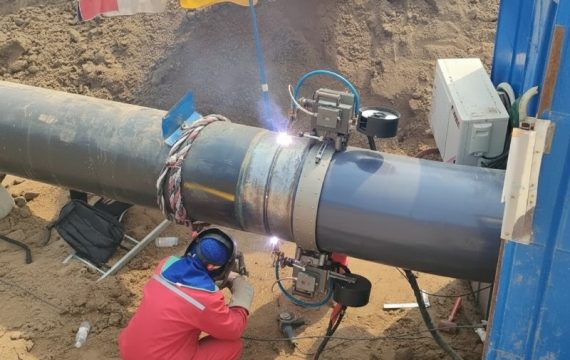
For significant pipeline repairs—defined as repairs involving welding to replace pipe sections or components—additional inspection and oversight requirements apply. Our pipeline welding inspection standards and pipeline pressure testing requirements guides provide detailed technical information.
Pipeline Major Repair Inspection Process
Major repairs on regulated pipelines typically require:
- Notice to the inspection authority: Typically 72 hours or more before commencing work
- Inspector presence: For welding and critical operations
- Testing oversight: Witnessing of pressure tests
- Documentation review: Examination of welding procedures and operator qualifications
Required Documentation for Pipeline Repair Inspections
- Welding procedure specifications
- Welder performance qualifications
- Material test reports
- Non-destructive examination results
- Pressure test records
- Repair completion reports
8. Pipeline Repair Permit Costs
Understanding pipeline repair permit costs helps with project budgeting and planning. Costs vary significantly based on repair type, location, and regulatory requirements.
Pipeline Repair Permit Cost Breakdown
| Тип разрешения | Typical Cost Range | Factors Affecting Cost |
|---|---|---|
| Small utility repair permit | $200 – $1,000 | Local fees, inspection costs |
| Road crossing repair permit | $1,000 – $10,000 | Traffic control, restoration bonds |
| Transmission pipeline repair permit | $5,000 – $50,000+ | Federal coordination, environmental review |
| Environmental review permit | $2,000 – $100,000+ | Project scale, agency fees |
| ROW occupancy permit | $100 – $5,000 | Duration, area occupied |
| Confined space entry permit | $0 – $500 | Training, equipment certification |
| State pipeline safety notification | $0 – $2,000 | State fee schedule |
| Federal coordination fees | $500 – $10,000 | Agency review costs |
How much do pipeline repair permits cost for transmission lines?
Transmission pipeline repair permits typically range from $5,000 to $50,000 or more, depending on the complexity of the project, the number of jurisdictions involved, and whether environmental impact reviews are required.
9. How Long Does It Take to Obtain Pipeline Repair Permits?
Pipeline repair permit processing times vary widely based on permit type, jurisdiction, and project complexity. Planning ahead is essential to avoid project delays.
Pipeline Repair Permit Processing Times
| Тип разрешения | Typical Processing Time | Expedited Options |
|---|---|---|
| Разрешение на проведение земляных работ | 1 – 7 days | Same-day (emergency) |
| ROW Permit | 1 – 4 weeks | Нет |
| Environmental Review | 2 – 12 weeks | Expedited for emergency |
| Федеральная координация | 1 – 8 weeks | Emergency provisions |
| State Pipeline Safety Notification | 1 – 7 days | Нет |
| Разрешение на определение местоположения инженерных сетей | 2 – 5 business days | Emergency locate available |
| Разрешение на работу в замкнутом пространстве | 0 – 3 days | Нет |
How long does it take to obtain a pipeline repair permit for emergency repairs?
Emergency pipeline repairs can begin with verbal authorization in some jurisdictions, with formal permit applications submitted concurrently. Processing times are typically 1-24 hours for emergency approvals.
10. Pipeline Repair Permit Process (Step-by-Step)
Following a structured pipeline repair permit process helps ensure all requirements are met and reduces the risk of project delays or compliance violations.
Step-by-Step Pipeline Repair Permit Process
Step 1: Identify the repair scope and location
Determine whether the repair is classified as routine maintenance or major repair. Repairs involving welding, pipe replacement over 100 meters, or changes to operating parameters typically trigger more permitting requirements.
Step 2: Confirm pipeline classification
Identify whether the pipeline is a transmission line, distribution main, or service line. This determines which federal, state, and local regulations apply.
Step 3: Determine jurisdiction
Identify all federal, state, and local authorities with jurisdiction over the repair location. Multiple jurisdictions may have overlapping requirements.
Step 4: Apply for excavation permits
Submit excavation permit applications to the local municipality or county. Include construction plans, traffic control plans, and safety documentation.
Step 5: Obtain environmental approvals
If the repair affects wetlands, water bodies, or protected habitats, submit environmental permit applications to the appropriate agencies.
Step 6: Secure right-of-way access
Obtain ROW permits or access agreements for work on public property or utility easements.
Step 7: Submit safety documentation
Provide required safety documentation, including confined space entry plans, trenching and shoring plans, and emergency response procedures.
Step 8: Schedule inspections
Coordinate required inspections with the appropriate authorities. Some repairs require inspections at multiple stages, not just upon completion.
Step 9: Complete repair work
Perform the pipeline repair work in accordance with approved plans and permit conditions.
Step 10: Submit close-out reports
After the repair is complete, submit required close-out reports and documentation to all relevant authorities.
11. Pipeline Repair Permit Checklist
Use this pipeline repair permit checklist to ensure all necessary permits and approvals are obtained before work begins.
Pipeline Repair Permit Quick Answer
Most pipeline repair projects require:
- ✓ Excavation permits
- ✓ Right-of-way permits
- ✓ Utility locate clearances
- ✓ Environmental approvals
- ✓ Safety documentation
- ✓ Inspection authorization
Permit requirements increase for transmission pipelines, repairs on federal land, environmentally sensitive areas, and projects involving major pipe replacement.
Complete Pipeline Repair Permit Checklist
- ✓ Confirm pipeline classification (transmission, distribution, service)
- ✓ Identify all federal, state, and local jurisdictions
- ✓ Obtain excavation permits
- ✓ Secure right-of-way authorization
- ✓ Complete environmental reviews
- ✓ Submit safety documentation (confined space, trenching)
- ✓ Schedule required inspections
- ✓ Maintain complete permit records
- ✓ Coordinate utility locates (Call Before You Dig)
- ✓ Confirm compliance with all permit conditions
- ✓ Prepare emergency response procedures
- ✓ Notify property owners (if required)
- ✓ Submit restoration and cleanup plans
- ✓ Schedule post-repair inspections
12. Common Pipeline Repair Permit Mistakes
Avoiding common permit mistakes can save time, money, and regulatory headaches. Based on field experience, these are the most frequent issues encountered during pipeline repair permitting:
Top Permit Mistakes to Avoid
- Starting excavation before utility locates: All 50 states require contacting 811 before excavation. Failure to do so can result in fines and liability for utility damage
- Failing to obtain ROW access permits: Working on public property or easements without proper ROW permits can lead to stop-work orders and penalties
- Ignoring environmental review triggers: Many repairs near water bodies or sensitive areas require environmental permits that operators may overlook
- Not scheduling required inspections: Major repairs require inspection oversight. Missing required inspections can require rework or costly retro-inspections
- Assuming emergency repairs exempt all permits: While emergency work can begin immediately, operators must still submit permit applications concurrently
- Incomplete permit documentation: Missing drawings, plans, or safety documentation delays permit processing
- Not accounting for permit processing time: Failure to build in buffer time for permit review can delay project start dates
- Overlooking state-specific requirements: States have varying requirements that operators working across multiple states must track
13. Real-World Example: Permits Required for a Natural Gas Transmission Pipeline Repair
The following example illustrates the typical permits required for a natural gas transmission pipeline repair project. This real-world scenario demonstrates the scope of permitting needed for a moderate-scale repair.
Example Project Description
- Проект: Natural gas transmission pipeline repair
- Трубопровод: 24-inch diameter natural gas transmission line
- Расположение: County roadway crossing in Pennsylvania
- Способ ремонта: Replace 50 feet of damaged pipe section
- Repair Scope: Excavation, pipe removal and replacement, welding, pressure testing, backfill, and restoration
Required Permits and Authorizations
| Тип разрешения | Issuing Authority | Processing Time |
|---|---|---|
| County excavation permit | County Public Works Department | 5-10 business days |
| Traffic control permit | County Transportation Department | 3-7 business days |
| Utility locate clearance | PA One Call System | 2-5 business days |
| State pipeline safety notification | PA PUC Pipeline Safety Division | 3-7 business days |
| Environmental erosion control approval | County Conservation District | 1-4 weeks |
| Pressure test inspection authorization | PHMSA / PA PUC | 72 hours notice |
Lessons Learned
- The project required approvals from 6 separate authorities
- Total permitting time was approximately 4 weeks from application to approval
- Early communication with the county conservation district identified the erosion control requirement before work began
- Emergency provisions allowed work to begin while permits were being finalized
14. Pipeline Repair vs. Pipeline Construction Permits
Understanding the difference between pipeline repair permits and pipeline construction permits helps ensure proper application.
Key Differences
| Аспект | Repair Permit | Construction Permit |
|---|---|---|
| Назначение | Maintain existing pipeline | Build new pipeline |
| Область применения | Limited to specific repair area | Full route construction |
| Environmental Review | Reduced if minimal impact | Comprehensive |
| Public Notice | Usually not required | Often required |
| Application Complexity | Умеренный | Высокий |
| Processing Time | 1-12 weeks | 6-24 months |
| Федеральная координация | Ограниченный | Extensive |
What is the difference between a pipeline repair permit and a pipeline construction permit?
A pipeline repair permit authorizes maintenance or replacement work on an existing pipeline system, typically with reduced environmental review and processing time. A pipeline construction permit authorizes new pipeline installation and requires comprehensive environmental review, public notice, and significantly longer processing times.
15. Frequently Asked Questions About Pipeline Repair Permits
Q: Who issues pipeline repair permits?
A: Pipeline repair permits are issued by multiple authorities: local municipalities issue excavation and ROW permits, state pipeline safety authorities issue safety permits, and federal agencies coordinate environmental reviews. The specific issuer depends on the pipeline location and repair scope.
Q: Do pipeline repairs require permits?
A: Most pipeline repairs require some form of permit, notification, or authorization. Routine maintenance not involving excavation may not require formal permits, but any work affecting public right-of-way, underground utilities, or safety systems typically does require permits.
Q: Can emergency pipeline repairs begin without permits?
A: In most jurisdictions, emergency pipeline repairs can begin immediately when there is an imminent safety risk. However, operators must notify relevant authorities as soon as possible and submit permit applications concurrently. Verbal authorization is often sufficient for emergency work.
Q: Do pipeline repair contractors need separate permits?
A: While the pipeline operator is ultimately responsible for obtaining all required permits, contractors may need additional licensing or registration permits to perform pipeline repair work in certain jurisdictions. Contractors should verify their qualifications and any additional permit requirements before beginning work.
Q: What permits are required for pipeline repairs on private land?
A: Pipeline repairs on private land typically still require excavation permits if the land is within a regulated jurisdiction, environmental permits for certain activities, and may require landowner access agreements. However, ROW permits are generally not required on private property.
Q: How much do pipeline repair permits cost?
A: Pipeline repair permit costs range from $200 to $50,000+ depending on the project type, location, and regulatory requirements. Small utility repairs typically cost $200-$1,000, while transmission pipeline repairs can cost $5,000-$50,000 or more.
Q: How long does it take to obtain a pipeline repair permit?
A: Processing times range from 1-7 days for simple excavation permits to 2-12 weeks for projects requiring environmental reviews. Emergency repair permits can be obtained within 24 hours in most jurisdictions.
Q: Can pipeline repair work begin while permits are pending?
A: In most cases, no. Work should not begin until all required permits are obtained. However, the federal integrity management rule allows interim operational alternatives while permits are being processed, provided the operator is pursuing permits in good faith. Emergency repairs are an exception.
Q: What permits are needed for pipeline repair on federal land?
A: Pipeline repairs on federal land require specific authorizations from the managing federal agency (e.g., Bureau of Land Management, U.S. Forest Service), in addition to standard federal, state, and local requirements. These permits often include environmental reviews and public notice requirements.
Q: Do temporary pipeline repairs require permits?
A: Temporary repairs generally require the same permits as permanent repairs if they involve excavation, ROW access, or safety-critical work. However, temporary repairs may have reduced documentation requirements and faster approval processes.
Q: Which agency regulates pipeline repair permits?
A: Pipeline repair permits are regulated by multiple agencies: PHMSA at the federal level, state pipeline safety authorities at the state level, and local municipalities for excavation and ROW permits. No single agency regulates all aspects of pipeline repair permitting.
Q: Do pipeline repair permits expire?
A: Yes, most pipeline repair permits have expiration dates. If the repair work is not completed within the specified timeframe, permit extensions may be required. Extensions typically require additional fees and may trigger updated reviews or inspections.
Pipeline Repair Compliance Review
This article was reviewed by pipeline integrity engineers, construction managers, and regulatory compliance specialists with experience in oil and gas transmission pipeline maintenance projects. The information provided reflects current regulatory requirements and industry best practices as of the publication date.
This guide provides general information about pipeline repair permitting requirements. The specific permits needed for any project depend on the unique circumstances of the repair, including location, pipeline type, and scope of work. Always consult with relevant permitting authorities before commencing work.
JSW Pipeline Solutions: Your Pipeline Repair Partner
JSW Pipeline Solutions is a leading provider of pipeline construction, maintenance, and repair services. Our expertise spans the full spectrum of pipeline operations, from emergency leak repair to comprehensive integrity management programs.
Our Capabilities:
- Hot Tap and Line Stop Services: JSW performs safe, efficient pipeline interventions without service interruption using industry-leading equipment and procedures
- Pipeline Welding and Repair: Our certified welders and engineers deliver high-quality repairs meeting all applicable codes and standards
- Неразрушающий контроль (НК): Comprehensive inspection services to verify repair quality and ensure long-term integrity
- Permit Coordination: Our project management team handles permit applications and coordination for all repair projects, reducing compliance burden on pipeline operators
- Pipeline Rehabilitation: From coating repair to complete section replacement, we offer comprehensive rehabilitation services
Почему стоит выбрать JSW?
- Культура безопасности на первом месте: All projects comply with applicable safety standards and regulations
- Industry Experience: Decades of pipeline project experience across diverse environments
- Full-Service Capability: From consultation and planning to execution and post-repair inspection
- Regulatory Compliance: Our procedures align with applicable regulatory requirements
- Permit Assistance: We help navigate complex permitting requirements across multiple jurisdictions
Get Started
Need assistance with pipeline repair planning, permitting, or execution? Contact JSW Pipeline Solutions today to discuss your project requirements.
















 English
  Arabic
  Russian
  Spanish
  French
  Vietnamese
  Polish
  Thai
Thai  Indonesian
  Turkish
  Portuguese