
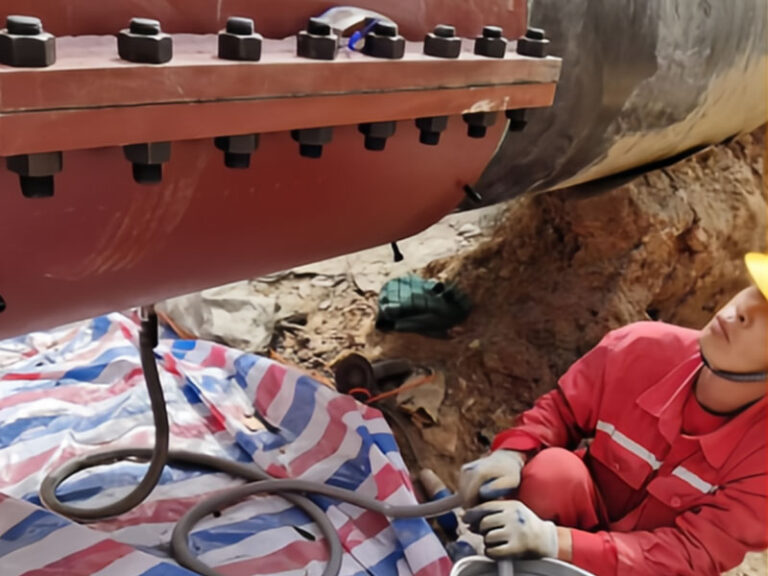
Pipeline rehabilitation refers to the comprehensive suite of engineering methods and technologies used to repair, renew, or upgrade existing pipeline systems without complete replacement, encompassing everything from internal lining and spot repairs to structural rebuilding. This process is fundamentally critical for infrastructure as it ensures the safety, reliability, and efficiency of vital water, wastewater, oil, gas, and industrial conveyance networks, directly impacting public health, economic stability, and environmental protection. This article provides a definitive guide, detailing what pipeline rehabilitation entails, the compelling reasons it is a non-negotiable aspect of modern asset management, and an overview of the primary techniques—from trenchless CIPP lining to predictive AI models. We will cover the full spectrum, including technical processes, cost-benefit analyses, innovative solutions, and how to plan a successful rehabilitation project with the right services and contractor.
1 What is Pipeline Rehabilitation? An In-Depth Definition
Pipeline rehabilitation is a targeted engineering discipline focused on restoring the functional and structural integrity of existing pipelines. Unlike full-scale “dig-and-replace” methods, rehabilitation employs strategic interventions to extend asset life, often with minimal surface disruption. The scope is broad, addressing pipelines for potable water, sewage, stormwater, oil, gas, and industrial fluids.
The primary objectives are clear: to restore structural capacity in weakened pipes, eliminate leaks and infiltration that waste resources and cause environmental harm, improve hydraulic capacity by smoothing internal surfaces, and prevent catastrophic failures that lead to service disruptions, safety hazards, and expensive emergency repairs. The approach is inherently condition-based, meaning the chosen solution depends on a thorough assessment of the pipeline’s current state.
Table: Common Types of Pipeline Rehabilitation Based on Condition and Objective
| Rehabilitation Type | Primary Objective | Typical Techniques | Ideal Scenario |
|---|---|---|---|
| Proactive / Preventative | Extend service life before major failure | Spray-on linings, Cathodic Protection | Pipes showing early-stage corrosion or minor wear. |
| Structural / Corrective | Restore load-bearing capacity | CIPP, Sliplining, Pipe Bursting | Pipes with cracks, collapses, or significant corrosion. |
| Non-Structural / Sealing | Stop leaks, improve flow | Point Repair, Grouting, Spray Liners | Pipes with joint failures, holes, or root intrusion. |
| Emergency / Remedial | Quickly restore service after failure | Split-Sleeve Repair, CFRP Wrapping | Sudden breaks or leaks requiring immediate action. |
Fundamentally, pipeline rehabilitation is a critical component of pipeline maintenance services. It sits between routine cleaning/inspection and total replacement, representing a cost-effective strategy for asset management. The decision to rehabilitate is driven by a detailed condition assessment, which evaluates factors like remaining wall thickness, corrosion rates, and joint integrity. By addressing problems in situ, rehabilitation avoids the enormous direct and indirect costs of excavation and new pipe installation, making it the cornerstone of sustainable infrastructure management.
2 Why is Pipeline Rehabilitation Critical for Infrastructure?
The criticality of pipeline rehabilitation stems from its role in managing vast, aging, and often deteriorating underground networks that form the literal lifeblood of modern society. The consequences of neglect are severe, ranging from chronic service disruptions to public health crises and environmental disasters.
2.1 The Economic Imperative: Cost Avoidance and Efficiency
Rehabilitation is first and foremost a strategic financial decision. A seminal 2024 study in Kitchener, Ontario, provided a stark cost comparison: traditional open-cut replacement was 25% more expensive than Cured-in-Place Pipe (CIPP) rehabilitation when comparing direct construction costs. When broader Environmental and Social (E&S) costs—such as traffic disruption, business interruption, and community impact—were factored in, the total cost of open-cut methods ballooned to approximately 300% higher than trenchless alternatives like sliplining. For municipal governments and utilities operating under constrained budgets, this cost differential makes rehabilitation the only viable path forward for managing large inventories of aging pipes. Furthermore, rehabilitation projects typically have shorter timelines, leading to faster return-to-service and reduced revenue loss from interrupted operations.
2.2 Addressing the Aging Infrastructure Crisis
The scale of the problem is immense. In China alone, the total length of urban drainage pipelines grew from 439,100 km in 2012 to 952,500 km in 2023, with much of the early-installed infrastructure now exceeding its 30-50 year design life. Similar aging curves exist across North America and Europe. This aging leads to increased breaks and failures. Proactive rehabilitation transforms this liability, systematically renewing the network and preventing the cascading failures that occur when one break stresses adjacent, equally old sections of pipe. The case of Ningxia’s Xingqing District exemplifies this, where targeted investment in rehabilitating old, problematic sewer lines transformed flood-prone alleys and solved chronic odor issues, thereby safeguarding property values and local businesses.
2.3 Safeguarding Public Health, Safety, and the Environment
Beyond economics, the stakes are profoundly human and ecological. Failing water mains risk contaminant ingress, compromising drinking water quality. Collapsed or leaking sewer lines can cause wastewater backups into homes and businesses or exfiltrate raw sewage into groundwater, posing direct health risks. As noted in the Xingqing District project, resolving these “invisible” infrastructure problems directly translated to “dry floors, smooth roads, and the disappearance of unpleasant odors” for residents. For energy pipelines, rehabilitation prevents leaks that could lead to explosions, fires, or soil contamination. In environmental terms, trenchless rehabilitation methods themselves have a dramatically lower carbon and ecological footprint than open excavation, preserving landscapes and reducing emissions from heavy equipment.
2.4 Ensuring System Reliability and Regulatory Compliance
Modern cities and industries depend on uninterrupted utility service. A sudden water main break can shut down hospitals, schools, and factories. Rehabilitation enhances system resilience by eliminating weak points. It is also increasingly a regulatory mandate. Governments worldwide are implementing strict policies, like China’s “14th Five-Year Plan” for wastewater, which mandates comprehensive network inspection and rehabilitation to meet environmental standards. Proactive rehabilitation is the most effective strategy for utilities and companies to ensure compliance, avoid fines, and maintain their license to operate.
Figure: The Multi-Dimensional Impact of Pipeline Failure vs. Proactive Rehabilitation
*A flowchart diagram showing: “Aging Pipeline” leading to two paths. Path 1 (Failure): leads to “Service Disruption,” then branching to “Public Safety Hazard,” “Environmental Damage,” and “High-Cost Emergency Repair.” Path 2 (Rehabilitation): leads to “Condition Assessment,” then to “Planned Rehabilitation,” resulting in “Extended Asset Life,” “Regulatory Compliance,” and “Optimized Life-Cycle Cost.”*
3 Core Techniques in Modern Pipeline Rehabilitation
The field of pipeline rehabilitation is technologically diverse, offering solutions tailored to specific pipe materials, failure modes, and site constraints. These methods are broadly categorized into trenchless (minimal excavation) and traditional (excavation-based) techniques, with trenchless methods dominating modern practice due to their lower social and economic cost.
3.1 Trenchless Rehabilitation Methods
Trenchless technologies are the cornerstone of modern pipeline rehabilitation services, allowing work to be performed from access points like manholes, with minimal surface disruption.
- Cured-in-Place Pipe (CIPP): This is arguably the most widely used trenchless method globally. A flexible, resin-saturated felt tube is inverted or pulled into the damaged pipe. Using hot water, steam, or UV light, the resin is cured to form a rigid, jointless “pipe-within-a-pipe.” CIPP provides full structural renewal, seals all leaks, and creates a smooth new interior surface. As the Kitchener study confirmed, it is a highly cost-effective solution.
- Sliplining: This involves pulling or pushing a new, smaller-diameter pipe (often HDPE) into the existing host pipe. While it reduces the internal diameter, it is a robust structural solution. A variant, Modified Sliplining, uses techniques to slightly expand the new liner post-installation for a tighter fit.
- Spray-in-Place Pipe (SIPP): Also known as spray lining, this technique applies a resin or cementitious coating directly to the prepared pipe wall via a robotic sprayer. It is primarily used for corrosion protection and leak sealing in non-structurally failed pipes, effectively creating a new, continuous barrier.
- Carbon Fiber Reinforced Polymer (CFRP) Wrapping: An advanced technique for high-pressure pipes or localized structural repair. As demonstrated in the York-Peel Feedermain emergency repair, carbon fiber fabric saturated with epoxy is wound onto the pipe interior under tension. It provides immense tensile strength with minimal thickness loss, ideal for critical pressure mains.
3.2 Other Key Rehabilitation and Related Methods
- Pipe Bursting: A trenchless replacement method where a bursting head fractures the old pipe while simultaneously pulling in a new HDPE pipe of the same or larger diameter. It is used when upsizing is required.
- Localized (Point) Repair: Targets specific defects like cracks or faulty joints. Methods include installing internal sealing sleeves, robotic welding, or grout injection. It’s a cost-effective solution for an otherwise sound pipe with isolated issues.
- Traditional Excavation and Repair: While disruptive, open-cut repair remains necessary in complex situations—such as severe collapses, in congested utility corridors, or where pipe re-routing is required. It involves direct access to the pipe for segment replacement.
Table: Comparison of Primary Trenchless Pipeline Rehabilitation Methods
| Method | Key Process | Best For | Key Advantage | Consideration |
|---|---|---|---|---|
| CIPP | Invert/Pull resin tube, cure in place. | Structurally compromised gravity & pressure pipes. | Creates jointless, full-structural liner. | Requires resin cure time. |
| Sliplining | Insert smaller-diameter new pipe. | Straight runs of pipe where some diameter loss is acceptable. | Simple, reliable, uses standard pipe products. | Permanent reduction in cross-sectional area. |
| Spiral Winding | Machine winds profile strip into a new pipe. | Gravity sewers and culverts of various shapes. | Can negotiate long runs from a single access point. | May require grout annulus for full structural support. |
| Spray Lining (SIPP) | Robotic application of coating. | Corrosion protection, leak sealing in structurally sound pipes. | Minimal thickness addition, preserves diameter. | Non-structural; depends on host pipe. |
| CFRP Wrapping | Robotic winding of carbon fiber/epoxy. | High-pressure pipes, localized structural reinforcement. | Extremely high strength-to-thickness ratio. | Specialized equipment manufacturer and crew required. |
The selection of the optimal technique is a critical decision made by an experienced contractor or engineer, based on CCTV inspection data, pipe material, soil conditions, groundwater levels, and project objectives.
4 The Technology Edge: Innovations Driving Smarter Rehabilitation
The pipeline rehabilitation industry is undergoing a quiet revolution, driven by digitalization and advanced materials. These innovations enable more predictive, precise, and durable outcomes.
4.1 Predictive Analytics and Machine Learning
Reactive “fix-it-when-it-breaks” models are being replaced by predictive strategies. A breakthrough 2024 study applied a Decision Tree machine learning model to predict water main breaks with 97% accuracy. By analyzing historical data on pipe age, material, soil conditions, and break history, utilities can now prioritize rehabilitation resources on the pipes most likely to fail, optimizing capital budgets and preventing emergencies. This AI-driven condition assessment is becoming a standard service offered by leading engineering companies.
4.2 Advanced Inspection and Assessment Technologies
You cannot fix what you cannot see. Modern assessment goes far beyond basic CCTV:
- Laser Profiling: Creates a precise 3D model of the pipe interior, quantifying deformations, sediment volume, and remaining wall thickness.
- Sonar and Ground Penetrating Radar (GPR): For inspecting pipes underwater or mapping subsurface conditions around the pipe.
- Smart Pigging: In large-diameter transmission lines, tool-laden “pigs” traverse the pipe, using magnetic flux leakage or ultrasound to quantify wall loss from corrosion-5. This data is crucial for determining if rehabilitation or replacement is the correct path.
4.3 Materials Science Advancements
Innovation extends to the materials used in rehabilitation:
- Resins for CIPP: Development of stronger, more flexible, and faster-curing resins expands the applicability of CIPP to more challenging environments.
- Nanocomposite Coatings: Spray-applied coatings with nano-particles offer superior abrasion and chemical resistance for industrial pipelines.
- UV-Cured Liners: UV light curing allows for faster installation and lower energy use compared to traditional hot water curing for CIPP.
4.4 The Rise of Smart Pipelines
Rehabilitation presents an opportunity to embed sensors into new liners, creating a smart pipe network. These sensors can monitor for new leaks, measure flow, and detect ground movement, transforming a rehabilitated pipe from a static asset into a data-generating component of a digital twin for the entire utility network.
5 Planning a Pipeline Rehabilitation Project: A Strategic Guide
Successfully executing a pipeline rehabilitation project requires meticulous planning, from initial assessment to final validation. The process is a collaborative effort between the asset owner, engineering services firm, and the contractor.
5.1 Key Decision Factors: Rehabilitate or Replace?
The fundamental question is whether to rehabilitate the existing pipe or replace it entirely. A study by the Abu Dhabi National Oil Company emphasized that this decision must weigh not just capital costs but also hidden costs: the ongoing risk of leaks, extra inspection needs, and higher maintenance of an older line post-rehabilitation. The choice hinges on a detailed condition assessment. Generally, rehabilitation is favored when the pipe’s overall alignment is sound, and the defects are repairable. Full replacement becomes necessary when the pipe has multiple major collapses, severe misalignment, or requires a significant capacity increase that rehabilitation cannot provide.
5.2 The Project Planning Workflow
- Comprehensive Condition Assessment: This is the non-negotiable first step. Utilize CCTV, laser scanning, sonar, and/or smart pigging to create a quantitative baseline. A study confirmed that before rehabilitation, condition must be assessed via “intelligent pigging, cathodic-protection surveys, and coating surveys”-5.
- Solution Selection & Design: Based on the assessment data, engineers select the optimal rehabilitation method. They then design the specifics: liner thickness, resin type, termination details, and bypass pumping requirements.
- Procurement & Contractor Selection: Engage specialized contractors with proven experience in the chosen technology. Ensure the material supplier and equipment manufacturer provide certified products.
- Pre-construction & Public Communication: Plan traffic management, utility locates, and bypass setups. Proactive community communication, as seen in the Xingqing District project where workers used portable message boards, is vital for public support.
- Execution & Quality Assurance (QA): The rehabilitation work is performed under strict QA protocols. For CIPP, this includes monitoring resin mix ratios, cure temperatures, and final liner thickness.
- Post-Rehabilitation Inspection & Commissioning: A final CCTV inspection verifies the quality of the installed liner or coating. The pipe is then disinfected (for potable water) and returned to service, often with improved performance metrics.
5.3 Cost-Benefit Analysis and Funding
A robust financial model is essential. It must include:
- Direct Costs: Materials, labor, equipment, and contractor fees.
- Indirect & Social Costs: Traffic control, business interruption, and community disruption—costs where trenchless methods offer massive savings-2.
- Long-Term Benefits: Extended asset life (often 50+ years for CIPP), reduced maintenance, lower water loss/energy consumption, and avoided failure costs.
Many public utilities leverage government grants and low-interest loans tied to infrastructure renewal, such as the special national bonds utilized in the Xingqing District projects.
Conclusion and Path Forward
Pipeline rehabilitation is not merely a repair activity; it is a critical, strategic investment in the longevity, safety, and efficiency of our foundational infrastructure. As global pipe networks age and the costs of failure rise, the economic, social, and environmental case for systematic, technology-driven rehabilitation becomes overwhelming. From advanced trenchless techniques like CIPP and spray lining to the predictive power of machine learning models, the industry offers robust solutions to avert crises.
The path forward requires a shift from reactive to proactive management. Asset owners must prioritize comprehensive condition assessments, embrace innovative technologies, and partner with experienced engineering services firms and specialized contractors. By doing so, they transform the hidden challenge of aging pipelines into an opportunity—ensuring reliable service for communities, protecting the environment, and optimizing infrastructure spending for generations to come.
Author: Alex Chen, P.Eng. | Senior Infrastructure Asset Manager & Pipeline Rehabilitation Specialist | Updated: January 11, 2026
*Alex Chen has over 15 years of experience in civil engineering and infrastructure management, specializing in the condition assessment, planning, and execution of large-scale pipeline rehabilitation projects for municipal and industrial clients.*
JSW brand and its advantages
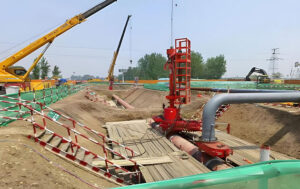
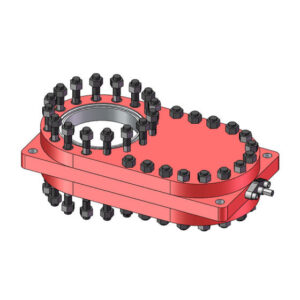
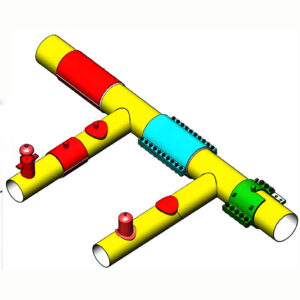
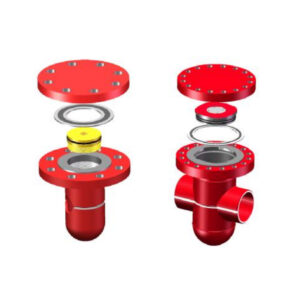
At JSW Pipeline Solutions, we don’t just fix pipes; we restore confidence in your critical infrastructure. As a specialized equipment manufacturer and solution provider with over two decades of field experience, we understand that every pipeline challenge is unique. Our advantage lies in our integrated approach: we develop and supply industry-leading pipeline tapping and stopping equipment from our own factory, and our expert teams provide the contractor services to deploy it effectively. This control over the entire process, from material supply to execution, ensures unmatched quality, reliability, and speed—especially crucial in high-stakes emergency repairs or complex planned rehabilitations.
Our pipeline rehabilitation services are backed by data-driven assessments. We leverage insights from thousands of inspections to recommend the most cost-effective, long-lasting solution, whether it’s a proprietary lining technique or a strategic maintenance plan. We help you navigate the critical “rehabilitate vs. replace” decision with clear, comprehensive analysis.
Ready to secure your pipeline assets? Contact our engineering services team today for a confidential consultation and condition assessment. Let us demonstrate how the JSW method delivers not just a repair, but a strategic upgrade for your infrastructure’s future.





 English
  Arabic
  Russian
  Spanish
  French