
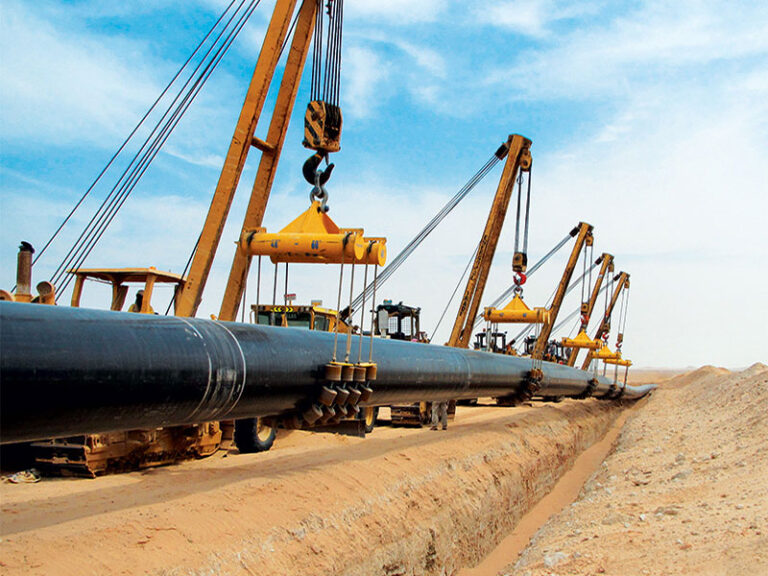
Installing a 12-inch natural gas pipeline typically costs between $800,000 and $2.5 million per mile, translating to approximately $150 to $475 per linear foot. However, quoting a single, universal price is impossible and misleading. The final 12-inch natural gas pipeline installation cost is a dynamic equation, heavily influenced by a complex interplay of terrain, material choices, regulatory hurdles, and labor markets. This article moves beyond a simplistic number to dissect the five core cost drivers—geography, materials, construction methods, labor, and system pressure—providing a framework for professionals to build accurate estimates, whether for long-distance transmission or complex municipal construction.
1. Location and Terrain: The Foundational Cost Variable
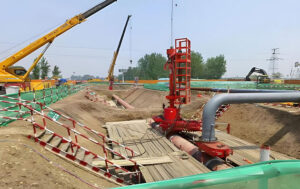
The project’s physical setting is the foremost determinant of 12-inch natural gas pipeline installation cost. A mile of pipeline across a flat, accessible rural plain represents a fundamentally different financial challenge than a mile traversing rocky mountains, urban sprawl, or wetlands.
Why it matters: Difficult terrain exponentially increases expenses related to site preparation, excavation, material transport, and environmental mitigation. For instance, rocky substrates require specialized drilling or blasting, while working in congested urban areas involves costly traffic management, pavement restoration, and coordination with existing underground utilities.
Key terrain considerations and their impact:
- Farmland/Flat Terrain: Lowest cost baseline. Challenges are minimal, primarily involving standard trenching and crop compensation.
- Hilly/Forested Land: Costs rise due to increased earthmoving, clearing, and more complex logistics for moving heavy pipes and equipment.
- Mountainous/Rocky Areas: High-cost zone. Requires rock trenching, potential blasting, and sophisticated engineering for slopes, leading to costs at the upper extreme of the range.
- Wetlands/River Crossings: Very high cost. Entails stringent environmental permits, specialized techniques like horizontal directional drilling (HDD), and potential use of concrete-coated pipe for water crossings.
- Urban/Industrial Areas: High cost due to non-disruptive trenchless pipe rehabilitation techniques, traffic control, asphalt repair, and higher labor wages.
2. Pipeline Material and Specifications: The Raw Input Cost
The pipe itself constitutes one of the largest single material expenses. For a high-pressure 12-inch transmission line, the choice is almost exclusively high-strength steel, but even within this category, specifications vary widely.
Why it matters: The steel grade, wall thickness (determined by the required pressure rating), and type (seamless vs. longitudinally welded) directly affect the price per ton. Furthermore, external coatings for corrosion protection (like fusion-bonded epoxy) and internal linings add to the material cost per foot.
Common material options for 12-inch lines:
- High-Strength Steel Pipe (e.g., API 5L X70): The industry standard for high-pressure transmission. Prices fluctuate with global steel markets but form the backbone of the material budget.
- Polyethylene (PE) Pipe: Sometimes used for lower-pressure distribution lines or sections. While the material cost per foot may be lower, its pressure limitations make it unsuitable for most 12-inch mainline transmission applications.
3. Construction Methodology: Trenching vs. Trenchless
The choice between open-cut trenching and trenchless technologies is a major cost decision point, affecting not just installation but also social and restoration costs.
Why it matters: Traditional trenching is often cheaper per foot in open, unobstructed areas. However, in developed areas, the cost of excavating and later restoring pavement, landscaping, and infrastructure can dwarf the pipe installation itself. Trenchless methods, while having a higher upfront technical cost, minimize surface disruption.
Methodology breakdown:
- Open-Cut Trenching: Involves excavating a continuous trench, laying the pipe, backfilling, and compacting. It is cost-effective in greenfield sites but disruptive elsewhere.
- Horizontal Directional Drilling (HDD): A trenchless method for installing pipes beneath obstacles like roads, rivers, or buildings. It avoids restoration costs but requires specialized equipment and expertise.
- Pipe Bursting/Relining: Used for pipeline rehabilitation or replacement without full excavation.
When is trenchless the right financial choice?
While the direct installation cost per foot for HDD is higher, it becomes economically favorable when the “soft costs” of open-cut are considered: traffic diversion, business interruption, and full pavement restoration. For a single road crossing in a city, HDD is almost always the preferred solution.
4. Labor, Equipment, and Professional Services
Beyond materials, the cost of skilled human resources and heavy machinery is substantial and varies regionally. Professional services from engineering firms are non-negotiable and form a fixed percentage of the project.
Why it matters: Labor rates for certified welders, pipelayers, and equipment operators differ significantly across countries and even states. Similarly, rental rates for excavators, sidebooms, and cranes contribute daily costs. Professional design and oversight are mandated for safety and compliance.
Key cost components:
- Labor: Union vs. non-union rates, local wage standards, and project duration.
- Equipment: Daily or monthly rates for excavators, bending machines, cranes, and welding rigs. Projects in remote locations may incur hefty mobilization/demobilization fees.
- Professional Services: This includes:
- Engineering Design & Permitting: Typically 5-10% of total project cost. Firms handle route surveying, stress analysis, and securing regulatory approvals.
- Inspection & Quality Assurance: Third-party inspectors for welding, coating, and lowering-in.
- Project Management & Construction Oversight: Ensures the project stays on schedule and budget.
Finding a qualified and experienced contractor is crucial. Their efficiency with equipment and management of the construction workforce directly impacts the bottom line.
5. System Pressure and Ancillary Facilities
A pipeline is more than just a pipe. The required operating pressure dictates wall thickness and material cost, but the supporting infrastructure—compressor stations, valve stations, and control systems—represents a massive, often overlooked, capital expenditure.
Why it matters: To move gas over long distances, pressure must be maintained. Compressor or booster stations are installed at regular intervals (e.g., every 50-100 miles) to re-pressurize the gas. The cost of a single station can rival many miles of pipe. For example, a historical report noted that for a 150-mile system, compressor station costs could reach $850,000, a significant portion of the initial investment.
Essential ancillary facilities:
- Mainline Valve Stations: Allow sections of the pipeline to be isolated for maintenance or in an emergency.
- Metering & Regulation Stations: Measure flow and reduce pressure for delivery to local distribution companies.
- Cathodic Protection Systems: Prevent external corrosion through impressed currents.
- SCADA (Supervisory Control and Data Acquisition): The electronic nervous system for remote monitoring and control.
These components are critical for safety and operation but are not reflected in a simple “$/foot” pipe cost. They must be included in the total project budget.
6. From Cost Per Mile to Total Project Budget: A Framework
To translate a unit cost into a viable project budget, all the above factors must be synthesized. The following table provides a simplified, illustrative cost breakdown for a hypothetical 10-mile, 12-inch pipeline project in mixed terrain. It demonstrates why the unit cost range is so broad.
Hypothetical 10-Mile Pipeline Project: Estimated Cost Breakdown
| Cost Category | Description | Estimated % of Total Cost | Key Drivers & Notes |
|---|---|---|---|
| Direct Materials | Pipe, coatings, valves, fittings | 25% – 35% | Steel price volatility, pressure rating, supplier (Material Supplier) |
| Direct Labor | Welders, operators, general labor | 20% – 30% | Location, union agreements, project duration |
| Equipment & Machinery | Excavators, cranes, welding sets | 15% – 25% | Rental vs. purchase, mobilization distance |
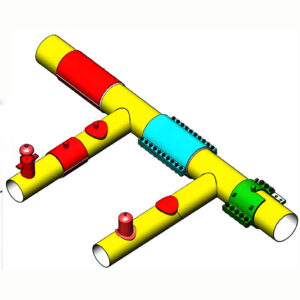
| Construction Services | Hot tapping, pipeline stopple installation for tie-ins | 5% – 10% | Required for live-line connections/modifications |
| Professional Services | Design, engineering, management, inspection | 8% – 12% | Fixed percentage; essential for compliance |
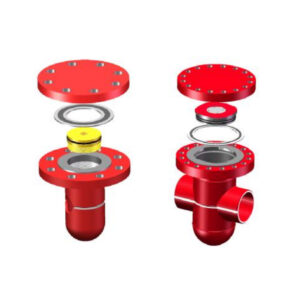
| Ancillary Facilities | Pipeline tapping valves, small regulator stations | 5% – 15% | Depends on number of delivery points |
| Land & Right-of-Way | Easement acquisition, permitting | 3% – 8% | Highly variable; urban vs. rural |
| Contingency | Unforeseen issues (weather, geology) | 10% – 15% | Industry standard risk buffer |
*Table 1: Illustrative cost breakdown for a 12-inch natural gas pipeline project. Percentages are highly project-specific. A project in easy terrain will skew toward material costs, while a complex one will see higher labor and professional service shares.*
7. Conclusion: The Path to an Accurate Quote
The current price per mile for installing a 12-inch natural gas pipeline is not a number you can simply look up. It is the result of a detailed engineering and planning process. The range of $800,000 to $2.5 million per mile encompasses projects from the straightforward to the exceedingly complex.
To move from a wide estimate to a firm budget:
- Invest in Preliminary Studies: Conduct thorough geotechnical and environmental surveys.
- Secure Detailed Design: Engage a professional engineering firm to create construction-ready drawings and specifications.
- Obtain Competitive Bids: Provide the complete design package to several reputable contractors for a lump-sum or unit-price bid based on a defined scope of work.
For operators planning new construction, pipeline modification, or essential maintenance and restoration work, partnering with a provider that offers integrated solutions from design support and equipment supply to skilled execution is key to managing the total cost of ownership and ensuring project success.
About JSW Pipeline Solutions
At JSW, we understand that accurately estimating and controlling the 12-inch natural gas pipeline installation cost is just the beginning. As a leading integrated equipment manufacturer and solution provider for the global energy sector, we specialize in the critical technologies that keep pipelines flowing safely and efficiently.
Our factory-direct expertise covers the entire lifecycle of your pipeline asset:
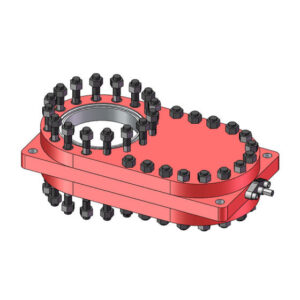
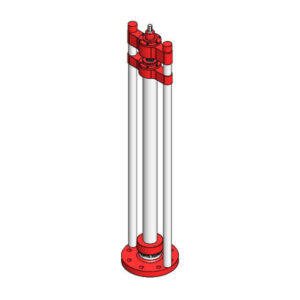
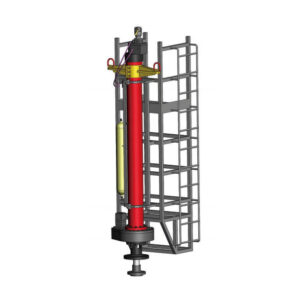
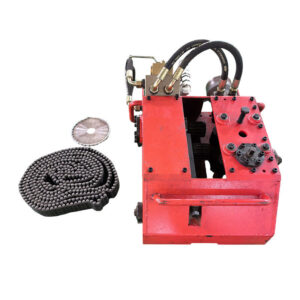
- Construction & Tapping: We supply reliable hot tapping and pipeline plugging (stopple) equipment, enabling safe connections and modifications without shutdowns, protecting your revenue and safety.
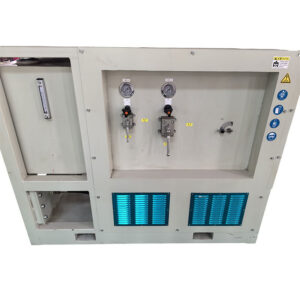
- Integrity & Maintenance: Our advanced pipeline stopper systems and trenchless pipe rehabilitation technologies offer cost-effective solutions for repair and restoration, minimizing downtime and excavation.
- Comprehensive Support: From oil, air, to water pipelines, we provide not just equipment, but complete engineering support, on-site technician training, and after-sales service.
Why choose JSW for your next project?
Our equipment is engineered for extreme reliability in the field, reducing the risk of costly delays. By dealing directly with the manufacturer, you gain technical depth, customization options, and value that a standard contractor or distributor cannot match. We help you navigate complex pipeline modification and maintenance challenges with confidence.
Ready to move from cost estimation to project execution with a trusted partner?
Contact our engineering team today for a detailed consultation. Let us analyze your specific project requirements—whether for new construction or essential maintenance—and demonstrate how JSW’s integrated solutions can optimize your total cost and ensure operational excellence.
Author: Michael Chen, Senior Pipeline Cost Analyst & Project Consultant
Last Updated: January 2026









 English
  Arabic
  Russian
  Spanish
  French