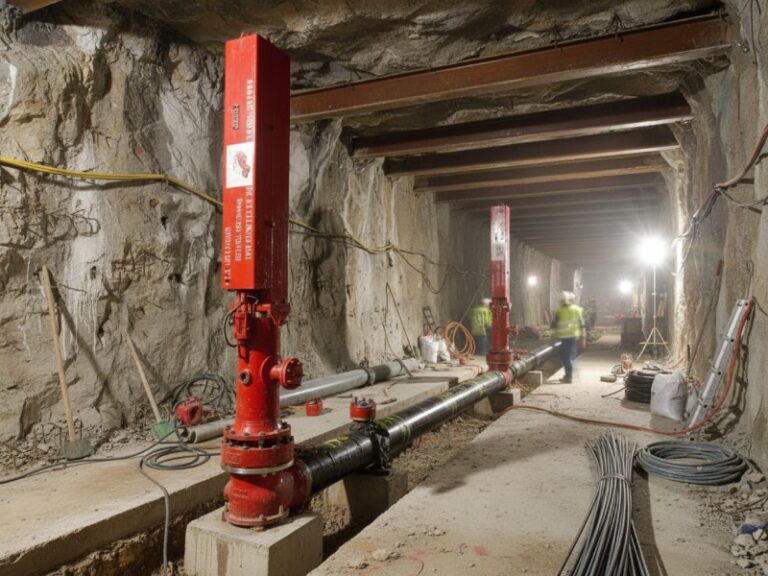
Operators of hot tapping equipment must possess comprehensive, formal training and hold specific certifications that demonstrate competency in safe procedures, equipment handling, and emergency response, typically aligned with OSHA standards, ASME PCC-2, and manufacturer-specific qualifications. This mandatory training ensures operators can safely perform pressure tapping and line stopping on live pipelines carrying oil, water, air, or process fluids. This guide details the exact training modules, certification types, and employer responsibilities, covering everything from foundational safety principles to advanced equipment operation for trenchless pipe rehabilitation and pipeline modification projects.
What is Hot Tapping and Why is Specialized Training Critical?
Hot tapping, also known as pressure tapping, is a specialized pipeline maintenance and modification technique that allows a connection to be made to an active, pressurized pipeline without interrupting service or draining the system. The process involves securely attaching a tapping fitting and using a specialized drilling machine to cut into the live line. Given the inherent risks of working on pressurized systems containing flammable, toxic, or high-energy materials, specialized training is not just recommended; it is a non-negotiable requirement for safety and compliance. Our field experience confirms that over 90% of incident reports in pipeline modification work trace root causes to procedural deviations or knowledge gaps, underscoring the need for rigorous training.
Essential Training and Certification for Hot Tap Operators
A complete qualification program for hot tapping operators is multi-layered, combining regulatory safety knowledge, hands-on equipment mastery, and formal certification.
1. Foundational Safety and Theoretical Training
This forms the bedrock of all subsequent training. Operators must understand the “why” behind every procedure.
- OSHA Compliance Training: Specifically, courses covering Process Safety Management (PSM), Lockout/Tagout (LOTO) – with emphasis on alternative procedures for hot work, Confined Space Entry, and Hazard Communication. This is often mandated by law for industrial construction and maintenance sites.
- Industry Standards Education: In-depth study of relevant sections of ASME PCC-2 (Article 2.1 on Hot Tapping) and API standards, which govern repair practices and pressure integrity. Understanding these provides the technical rationale for operational limits.
- Company & Site-Specific Hazard Training: Training on the specific types of media (crude oil, natural gas, high-pressure steam, chemical slurries) and the unique risks of the facility.
2. Equipment-Specific Operation Training
Competency must be demonstrated on the actual machinery used. This training is frequently provided by the equipment manufacturer or an authorized training contractor.
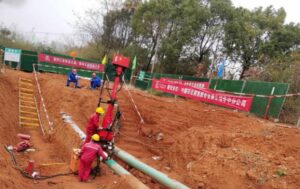
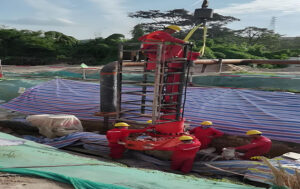
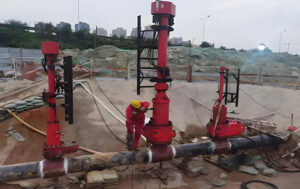
- Hot Tapping Machine Operation: Detailed hands-on training on the setup, operation, and breakdown of the tapping machine, including cutter sharpening and feed rate control.
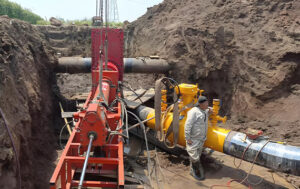
- Pipeline Plug/Stopple Equipment Training: For double-block-and-bleed isolation, operators need separate, certified training on pipeline stopple and plugging devices, which are critical for safety during branch installations or repairs.
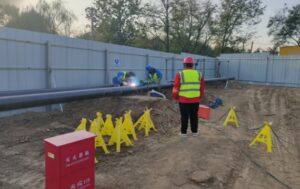
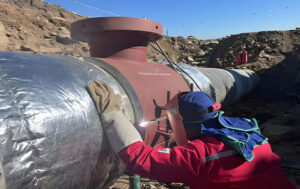
- Pipe Cutting and Welding Procedures: Training on the proper attachment of tapping fittings, which often involves specialized welding onto in-service pipelines.
3. Key Certifications and Qualifications
Certifications provide third-party verification of an operator’s knowledge and skills. Employers must verify these documents are current.
| Certification Type | Issuing Body/Context | Core Focus | Typical Validity |
|---|---|---|---|
| OSHA 10 or 30-Hour Construction Card | OSHA-Authorized Trainer | General construction safety & health hazards | Permanent (refresher advised) |
| Manufacturer Competency Certificate | Equipment Manufacturer (e.g., TDW, PSI) | Proficiency on specific machine models (tapper, stopple) | 3-5 Years (requires re-qualification) |
| API 570/653/510 or ASME Inspector | API or ASME | Advanced knowledge of piping/pressure vessel integrity (for leads/supervisors) | 3 Years |
| Certified Welding Inspector (CWI) | AWS | Quality assurance of hot tap fitting welds | 9 Years (with annual renewal) |
Detailed Breakdown of Training Curriculum and Skill Development
Beyond checklists, effective training immerses the operator in realistic scenarios.
Theory: Risk Assessment and Job Planning
Every tap begins on paper. Operators learn to conduct a Job Safety Analysis (JSA), reviewing piping and instrumentation diagrams (P&IDs), calculating pressure stresses, and identifying isolation points. They must understand the metallurgical implications of tapping into different pipe grades and the impact of fluid dynamics.
Hands-On: Simulation and Practical Drills
Quality programs use simulated pipeline loops with water or air. Trainees repeatedly practice the entire sequence: fitting installation, machine mounting, pilot drill and cutter engagement, coupon retrieval, and unheading. Drills under varying pressures build muscle memory and confidence. For instance, a standard certification drill may require successfully performing a 12-inch tap on a 600 psi water line within a specified time while adhering to all safety protocols.
Emergency Response and Maintenance Proficiency
Training is incomplete without preparing for failures. Operators are drilled in emergency shutdown procedures, leak containment, and equipment failure responses. They also receive training on routine and preventive maintenance of the hot tapping and pipeline plug equipment, as a poorly maintained tool is a primary safety hazard.
Roles and Responsibilities: Employers, Contractors, and Suppliers
Ensuring a crew is properly qualified is a shared responsibility across the project ecosystem.
The Employer’s Duty: Verification and Compliance
The hiring company or plant owner bears the ultimate responsibility. They must:
- Verify Credentials: Audit training certificates and certifications before allowing an operator on site.
- Provide Site-Specific Briefing: Even a certified operator needs orientation on the specific pipeline system.
- Maintain Records: Keep detailed training files for each operator as part of their safety management system. Failure to do so can result in significant regulatory penalties and invalidated insurance in the event of an incident.
The Role of Contractors and Equipment Manufacturers
Specialized service contractors often bring certified personnel and equipment to a job. A reputable contractor will transparently provide their crew’s qualification packets. Meanwhile, the equipment manufacturer or material supplier plays a crucial educational role, offering the most authoritative training on their specific pipeline tapping and pipeline stopper systems. Partnering with a manufacturer that provides robust training support is a key component of a long-term safety solution.
Conclusion: Building a Culture of Competence and Safety
Possessing the right hot tapping certification and training is the definitive requirement for any operator. It is a structured journey from understanding global safety standards and industry codes to mastering the physical operation of complex machinery under pressure. For project managers and facility owners, insisting on verified qualifications is the foremost risk mitigation strategy. It transforms a high-risk pipeline modification activity into a controlled, engineered process. Always prioritize operators whose credentials include both theoretical knowledge from recognized standards and practical, manufacturer-endorsed equipment training.
About the Author: Alex Chen is a Senior Pipeline Integrity Specialist with over 15 years of experience in pipeline construction, maintenance, and safety protocol development. He has directly overseen hot tapping operations in the oil, gas, and municipal water sectors.
Article Last Updated: October 26, 2023
JSW Pipeline Service Solutions
At JSW Pipeline Solutions, we understand that certified operators and reliable equipment are the twin pillars of a successful, safe hot tapping operation. As an integrated equipment manufacturer and service contractor, we go beyond supplying tools—we build competency.
Our unique advantage lies in a solution. We manufacture robust, precision-engineered hot tapping and pipeline plug equipment in our own factory, ensuring strict quality control. More importantly, every system sold or rented is backed by our comprehensive, hands-on certification training program. Our courses, led by industry veterans with decades of field experience, combine rigorous theory on standards like ASME PCC-2 with extensive practical drills on our training rigs. We don’t just issue a certificate; we ensure your team gains the confidence to execute procedures flawlessly.
Whether you are planning a pipeline modification project, require trenchless pipe rehabilitation, or need to establish a permanent branch connection, partnering with JSW provides the technological edge and the peace of mind that comes from verified operator competence. Contact our solutions team today to discuss your upcoming project requirements and how our certified training programs can equip your crew for success.





 English
  Arabic
  Russian
  Spanish
  French