Large and small black inflatable pipeline plugs for sealing industrial sewer pipes at a construction site

What is the price of an inflatable pipeline plug?

The price of an inflatable pipeline plug typically ranges from $5 for a small 2-inch test plug to over $13,000 for a large 90-inch industrial blocking plug, with the average industrial unit costing between $500 and $3,000. This comprehensive guide breaks down how size, material, type (testing, bypass, blocking), and

Leer Más »
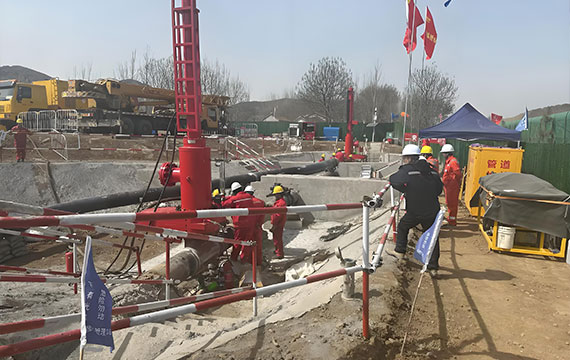
An industrial pipeline hot tapping operation in an open excavation pit, showing the specialized valve and tapping machine assembly on a large black pipe.

¿Cómo se utilizan los tapones inflables en las operaciones de perforación en caliente y de cierre de conductos en gasoductos de transporte de gas natural en servicio?

Inflatable plugs are inserted through a hot tap valve to create a temporary, leak-tight seal inside a live natural gas transmission pipeline, allowing for safe maintenance, pipeline modification, or Restoration without interrupting service to customers. This method combines the precision of pipeline tapping with the adaptability of inflatable elastomeric seals

Leer Más »
Un tapón inflable negro de alta resistencia que se utiliza para sellar una gran tubería metálica industrial durante una operación de mantenimiento y reparación.

¿Cómo se adapta un tapón inflable a superficies irregulares de las tuberías, como cordones de soldadura o zonas de corrosión?

Inflatable pipe plugs conform to irregular surfaces such as weld beads and corrosion through elastomeric deformation under differential pressure, allowing the plug material to flow into surface cavities and create a positive seal. This pressure-activated conformability is the fundamental mechanism that enables pipeline maintenance operations in real-world conditions where pipes

Leer Más »
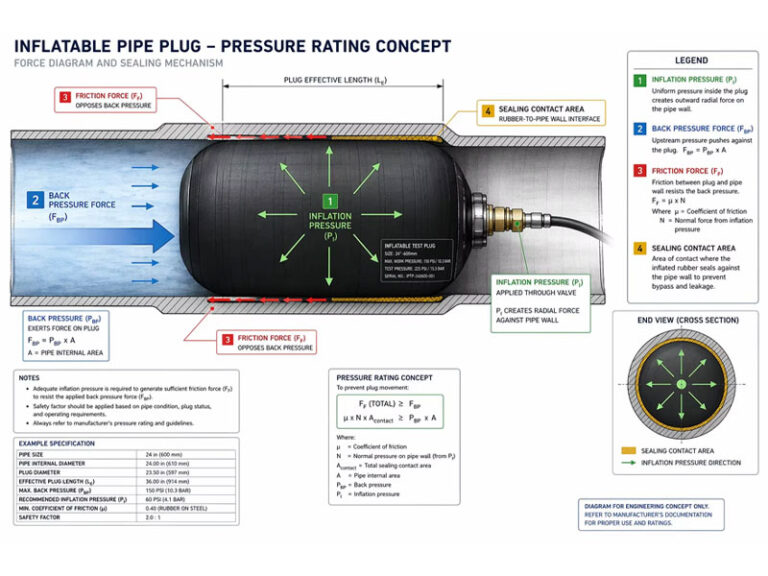
A technical diagram of an inflatable pipe packer system used for industrial pipe repair and pressure testing, showing the control unit, manual pump, and the packer inside a concrete pipe.

Tapón inflable para tuberías frente a tapón mecánico: ¿cuál es más rentable para una interrupción temporal del suministro?

For a temporary line stop, an inflatable pipeline plug is generally more cost-effective than a mechanical plug for the majority of applications involving low-to-medium pressures, large diameters, or irregular pipe interiors, due to lower equipment costs, faster installation, and reduced labor requirements. However, for long-term, high-pressure isolations in pristine pipe,

Leer Más »
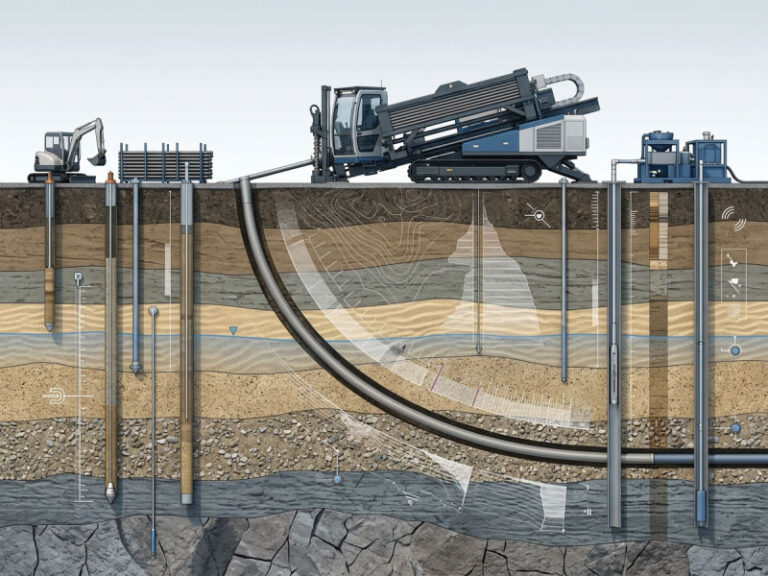
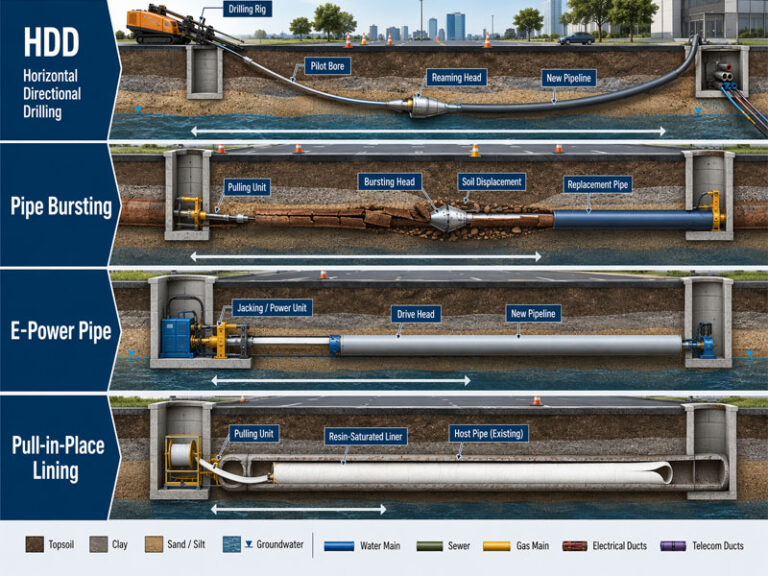
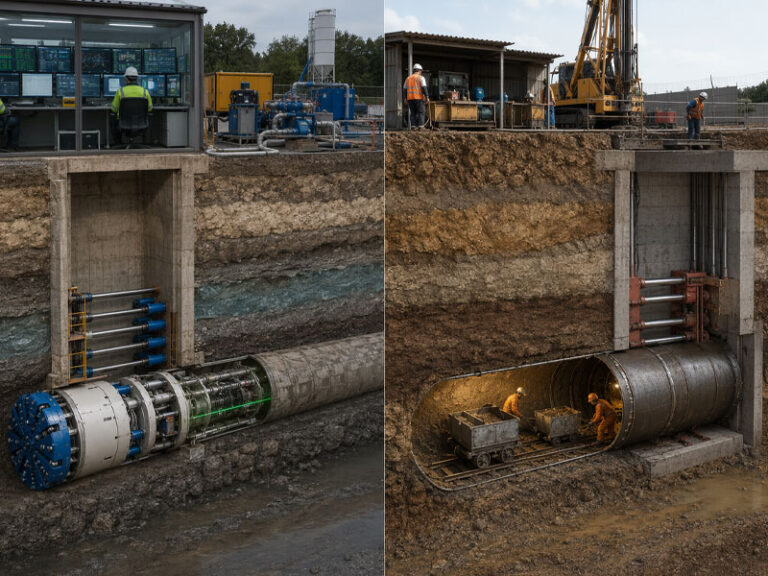
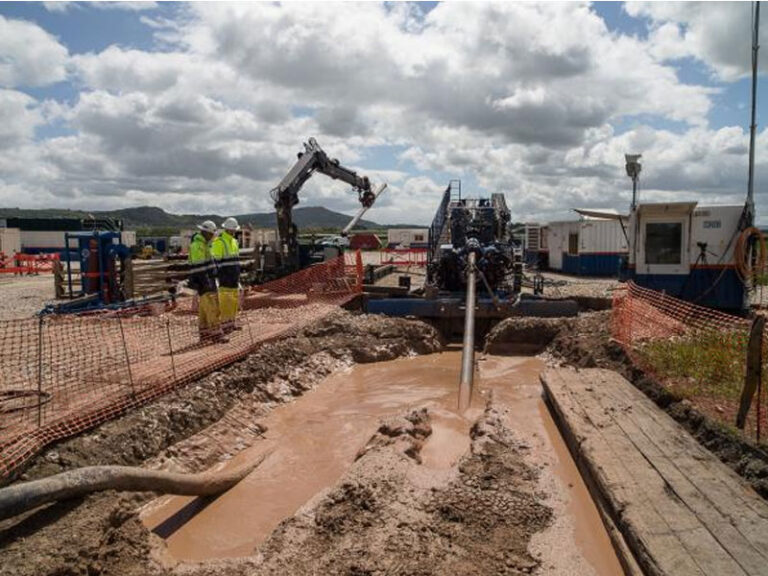
Engineering infographic comparing pulling-distance concepts for HDD, pipe bursting, E-Power Pipe, and pull-in-place lining in underground pipelines

Maximum Distance a Pipe Can Be Pulled Using Trenchless Methods: HDD Pull Length, Pipe Bursting & Lining Limits

The maximum distance a pipe can be pulled using trenchless methods ranges from approximately 50 meters to more than 3,000 meters, depending on the installation technology, pipe characteristics, ground conditions, and equipment limitations. For new pipeline construction, Horizontal Directional Drilling (HDD) typically achieves 200–800 meters per pull. For pipeline rehabilitation, specialized

Leer Más »
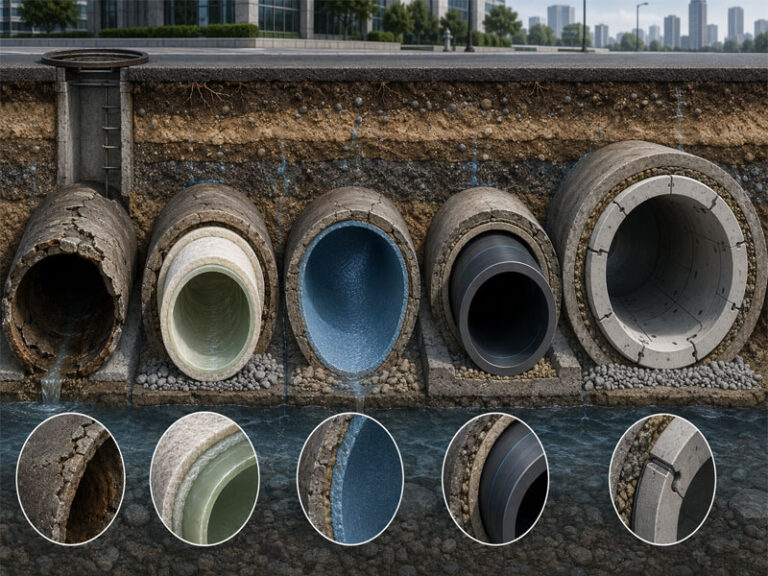
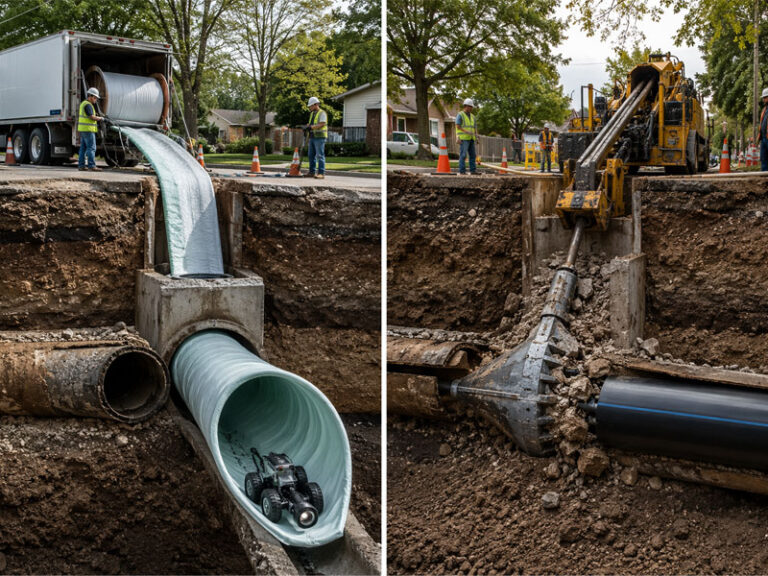
Engineering cutaway illustration comparing CIPP resin liners, spray-applied polyurea, HDPE sliplining, and UHPC structural lining segments in underground sewer pipes.

Los mejores materiales para la rehabilitación de tuberías sin zanja: comparación entre CIPP, poliurea y HDPE

Best Materials for Trenchless Pipe Rehabilitation The most widely used and effective materials for trenchless pipe rehabilitation are thermosetting resin systems—specifically epoxy, polyester, and vinyl ester—combined with reinforcement fabrics such as fiberglass or polyester felt. For most municipal sewer rehabilitation projects, polyester CIPP offers the best cost-to-performance balance, while epoxy CIPP is preferred for pipes

Leer Más »