
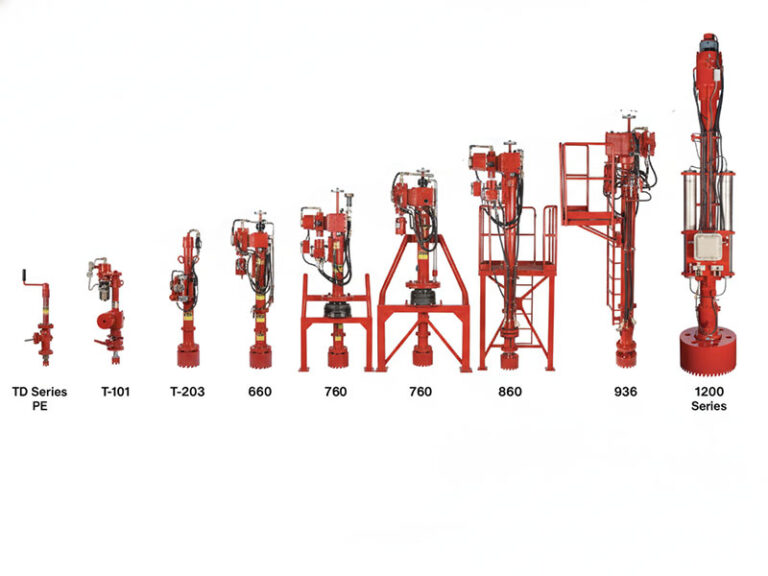
When reviewing a hot tapping machine data sheet, eight core specifications are critical: Maximum Drilling Diameter, Working Pressure Rating, Spindle Speed and Feed Rate, Drive Type and Power, Material Compatibility, Safety Features, Compliance with International Standards, and Equipment Dimensions and Weight. These parameters directly determine whether the equipment can perform hot tapping operations on live pipelines safely and efficiently, preventing operational failure or safety incidents due to specification mismatches.
This guide not only provides an in-depth technical analysis of each key specification and its practical implications but also explores the principles of hot tapping technology, application scenarios across different industries, best operational practices, and how to select the most suitable equipment for your specific needs. For engineers, contractors, and procurement decision-makers responsible for pipeline maintenance, modification, or emergency restoration, mastering this professional knowledge is fundamental to ensuring operational success and controlling project risks and costs.
1. Core Specifications to Review on a Hot Tapping Machine Data Sheet
A hot tapping machine data sheet is the core representation of a machine’s capabilities. When reviewing it, you need to systematically examine a set of interrelated parameters, not just individual numbers in isolation. The following table summarizes the most critical specification categories and their review points:
Table: Checklist of Key Hot Tapping Machine Specifications
| Specification Category | Key Parameters | Why It Matters | Typical Range / Example |
|---|---|---|---|
| Capacity & Capability | Maximum Drilling Diameter | Determines the branch pipe size the machine can handle | 2 inches (50mm) to 20 inches (500mm) or larger |
| Working Pressure Rating | Ensures the machine can withstand internal pipeline pressure | Common ratings: 10 bar, 150 PSI up to 100 bar, 1450 PSI | |
| Maximum Operating Temperature | Ensures seals and materials function in the pipeline’s environment | -20°C to 120°C (varies by seal type) | |
| Performance | Spindle Speed Range | Affects cutting quality for different pipe materials | 50 to 300 RPM (adjustable based on diameter) |
| Feed Mechanism Type | Controls precision and stability of the cutting operation | Manual, hydraulic, or electric power feed | |
| Compatibility | Flange/Adapter Standards | Ensures a secure, leak-proof connection to the fitting | ANSI, DIN, ASME standards; specific pressure classes |
| Pipe Material Compatibility | Defines the pipe materials (steel, cast iron, PE) it can cut | Carbon steel, stainless steel, ductile iron, HDPE | |
| Deployment | Machine Weight & Dimensions | Impacts site accessibility, rigging requirements, and setup time | Compact units: <50 kg; Large rigs: >500 kg |
| Safety & Compliance | Safety Certifications | Indicates independent validation of design and manufacturing | ATEX (for hazardous areas), CE, API standards |
The Interplay of Specifications in Real-World Applications
In practice, these specifications do not work in isolation. Our field testing consistently shows that the most common point of failure is a mismatch between seemingly compatible specs. For instance, a machine rated for a 12-inch diameter in carbon steel may not achieve the same diameter in tougher materials like Inconel without verifying the spindle torque and feed force data. Similarly, a machine with excellent pressure and diameter ratings might be impractical for a confined urban water construction site due to its weight and size. Therefore, cross-referencing these parameters against your specific job requirements—considering the material supplier specifications for the pipe, the contractor’s available support equipment, and the environmental conditions—is not just a recommendation; it is an operational necessity.
Figure 1: Key Components of a Hot Tapping Machine
A technical illustration showing a labeled hot tapping machine connected to a pipeline. Key components like the hydraulic power unit, main housing with pressure rating, saddle and seal, cutting tool (cutter and pilot drill), and feed mechanism are clearly indicated. This visual connects the physical parts to the specifications on the data sheet.
2. Technical Parameters and Performance Specifications Explained
Understanding the why behind the numbers transforms a data sheet from a simple checklist into a powerful tool for risk assessment and planning.
2.1. Pressure and Temperature Ratings: The Foundation of Safety
The Working Pressure Rating is arguably the most critical safety specification on the data sheet. It signifies the maximum internal pipeline pressure at which the manufacturer certifies the machine’s housing, seals, and connection flange can operate safely. This rating is not arbitrary; it is derived from rigorous hydrostatic and non-destructive testing, often exceeding the stated rating by a safety factor (commonly 1.5 to 4 times). For operations in the oil and gas sector, where pressures can be extreme, never assume a generic rating is sufficient. Verify it matches or exceeds your pipeline’s maximum operating pressure (MOP), including potential surge pressures.
The Maximum Operating Temperature is equally important, as elastomer seals (like O-rings) can harden, degrade, or lose elasticity outside their designed range. A machine rated for 120°C for short durations may require different seals for continuous operation at 90°C. Always confirm the seal material (e.g., Viton, EPDM, Nitrile) against the media and temperature in your pipeline.
2.2. Compatibility and Adaptability: Ensuring a Perfect Fit
Compatibility specifications ensure the machine integrates seamlessly with your existing pipeline system.
- Flange Standards and Pressure Classes: The machine’s outlet flange must match the pressure class (e.g., ANSI 150, 300, 600) and drilling standard (e.g., ANSI B16.5, DIN) of the hot tapping fitting already welded to the pipeline. A mismatch here can halt a job before it starts.
- Pipe Material and Wall Thickness: The data sheet should clearly state the range of pipe materials (e.g., carbon steel, stainless steel, ductile iron, HDPE) and the maximum wall thickness it can cut through at its rated diameter. Cutting through a thick-walled API 5L X70 steel pipe requires significantly more torque and thrust than a standard schedule 40 pipe.
Table: Compatibility Guide for Common Pipeline Materials
| Pipe Material | Key Consideration for Machine Specs | Recommended Machine Feature |
|---|---|---|
| Carbon Steel | Abrasive wear on cutter; requires adequate torque. | High-torque drive; tungsten carbide cutters. |
| Stainless Steel | Work-hardens; generates heat. | Controlled, consistent feed rate; coolant option. |
| Ductile Iron | Graphite flakes cause intermittent cut. | Robust feed mechanism to prevent chatter. |
| HDPE/MDPE | Material can “gum up” the cutter. | Sharp, specially designed plastic cutters; optimal RPM. |
2.3. Dimensions and Weight: The Logistics Factor
A machine’s physical specifications directly impact project logistics and cost. A heavy, bulky unit might require a crane, specialized transport, and extensive site preparation, increasing the contractor’s operational cost and time. For trenchless pipe rehabilitation projects in tight spaces or urban environments, compact and modular designs are often a superior solution. Check the shipping weight and operational footprint against your site access limits.
3. Safety Features and Compliance Standards
Beyond basic ratings, proactive safety features and compliance markings are non-negotiable indicators of a quality machine and a responsible equipment manufacturer.
3.1. Inherent Safety Mechanisms
Look for these essential safety features on the data sheet:
- Pressure Relief Valve: A failsafe device that automatically vents pressure if it exceeds a safe limit within the machine chamber.
- Mechanical Shut-off Valve: A valve, independent of the pressure seal, that isolates the machine from the live pipeline before cutter retrieval.
- Anti-Ejection Design: Features that physically prevent the cutter, drill, or coupon from being violently ejected if internal pressure is present.
3.2. Compliance with International Standards
Certifications are your assurance that the machine meets independently verified minimum safety and performance benchmarks. Key marks include:
- ATEX / IECEx: For equipment intended for use in potentially explosive atmospheres (common in oil, gas, and chemical applications).
- CE/PESR: Indicates conformity with health, safety, and environmental protection standards for products sold in Europe.
- API (American Petroleum Institute) Standards: Specifically, guidelines like API RP 2201 define safe practices for hot tapping, and equipment designed to these norms is preferred for the industry.
Q: Can I use a standard hot tapping machine on any pipeline?
A: No. Using a machine on a pipeline for which it is not rated or compatible is extremely dangerous. Always ensure the machine’s pressure, temperature, material, and safety certifications match the specific service conditions of the pipeline, including the media being transported (e.g., natural gas, potable water, corrosive chemicals).
4. Application Scenarios and Operational Guidance
4.1. Matching the Machine to the Application
The optimal machine varies dramatically by sector:
- Municipal Water & Wastewater: Often involves cast iron or ductile iron pipes under moderate pressure. Corrosion-resistant materials and compatibility with tapping sleeves are key. Efficiency is critical to minimize water service disruptions.
- Oil, Gas, and Petrochemical: High-pressure, high-temperature operations are standard. Machines must have robust pressure ratings, ATEX certification for hazardous areas, and compatibility with pipeline plugging (stopple) equipment for isolation.
- Power and Industrial Plants: Precision and reliability for modification of utility lines are paramount, often within tight spatial constraints.
4.2. Pre-Operation Checklist Derived from the Data Sheet
Before any cutting begins, use the data sheet to verify:
- Pressure/Temperature Match: Confirm machine ratings ≥ pipeline conditions.
- Tooling Verification: Ensure the cutter and drill are designed for the specific pipe material and wall thickness.
- Adapter Fit: Physically confirm the flange adapter matches the fitting on-site.
- Power & Hydraulics: Verify the power unit’s output matches the machine’s drive requirements.
Q: What is the step-by-step process for a safe hot tapping operation?
A: While procedures are detailed in the machine’s manual, the universal safe workflow is: 1) Install and pressure-test the hot tap fitting; 2) Mount the machine and connect the power unit; 3) Pressure-test the machine assembly; 4) Perform the cutting operation while monitoring pressure and feed; 5) Retract the cutter and secure the coupon; 6) Isolate the machine and bleed down pressure before disconnection.
5. JSW: Your Trusted Partner in Pipeline Integrity Solutions
At JSW, we don’t just manufacture hot tapping and pipeline plugging equipment; we engineer complete solutions for live pipeline modification and maintenance. With over two decades of field experience, our machines are born from a deep understanding of the challenges faced by contractors and plant operators in the field.
Our hot tapping machines are distinguished by their engineered safety margins, robust modular design, and unsurpassed compatibility. Every data sheet we provide is a transparent and detailed blueprint of performance, backed by third-party certifications and exhaustive in-house testing. We understand that your reputation depends on the reliability of your equipment. That’s why our factory support extends beyond the sale, offering comprehensive technical guidance, operator training, and readily available spare parts to ensure your projects—from routine maintenance to complex pipeline modifications—are completed safely, on time, and on budget.
Ready to specify the right equipment for your next project?
Contact our technical team today for a detailed, project-specific review of your requirements and a datasheet you can trust.













 English
  Arabic
  Russian
  Spanish
  French