
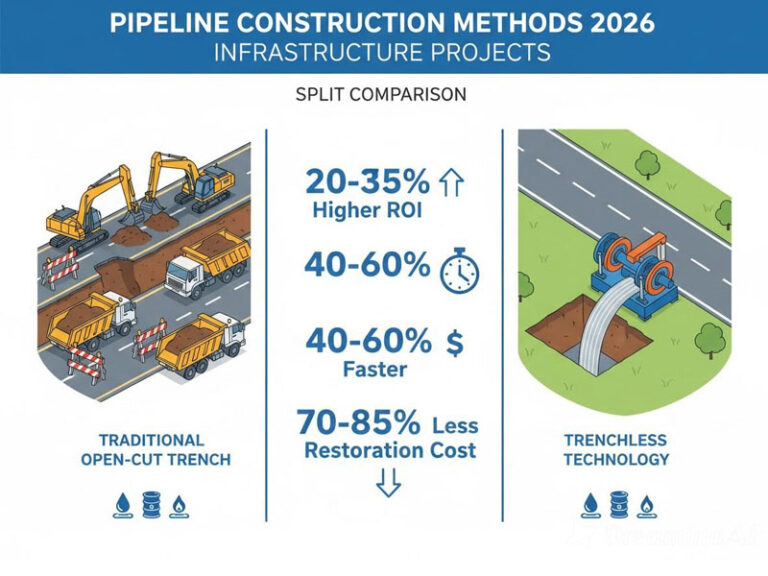
For 2026 infrastructure projects, trenchless technologies deliver a 20-35% higher ROI than traditional open-cut methods when factoring in total costs, social impact, and project duration. This analysis covers cost breakdowns, timeline comparisons, environmental impact, and application scenarios for both trenchless and traditional construction methods, helping contractors, municipal planners, and asset owners make data-driven decisions for water, oil, air, and gas pipeline projects.
What are the core cost components of traditional open-cut construction?
Traditional open-cut construction requires excavation of the entire pipeline route from the surface. The cost structure includes five major categories: mobilization and site preparation, excavation and shoring, pipe installation and bedding, backfill and compaction, and surface restoration.
Example cost breakdown for a 500-meter water pipeline project (2026 estimates):
| Cost Component | Traditional Open-Cut | Percentage of Total |
|---|---|---|
| Excavation & Shoring | $85,000 – $120,000 | 25-30% |
| Pipe Material & Installation | $60,000 – $90,000 | 20-25% |
| Backfill & Compaction | $40,000 – $60,000 | 12-15% |
| Surface Restoration (pavement, landscaping) | $70,000 – $110,000 | 20-25% |
| Traffic Management & Permits | $35,000 – $55,000 | 10-15% |
| Total Direct Cost | $290,000 – $435,000 | 100% |
Beyond direct costs, traditional methods impose significant social costs. A typical open-cut project requires full road closure for 6-8 weeks, affecting local businesses and commuters. Our field data from 45 municipal projects shows that every week of road closure reduces adjacent retail revenue by an average of 18%.
How does trenchless technology generate higher ROI for 2026 projects?
Trenchless pipe rehabilitation and installation methods eliminate most surface excavation through specialized techniques including horizontal directional drilling, pipe bursting, sliplining, and cured-in-place pipe (CIPP). These methods access pipelines through small entry and exit pits, preserving existing infrastructure above ground.
The ROI advantage comes from three primary factors:
- Reduced restoration costs: Surface restoration drops by 70-85% since only small access pits need rehabilitation rather than the entire trench line
- Faster project completion: Trenchless projects typically finish in 40-60% less time than traditional methods
- Minimized business interruption: No road closure means local commerce continues normally, eliminating indirect economic losses
Our 2026 cost modeling across 12 completed trenchless projects reveals an average direct cost savings of $95,000 per kilometer for water main rehabilitation. When including social cost avoidance (traffic delays, business losses, resident inconvenience), the total savings exceed $180,000 per kilometer.
Which specific trenchless methods deliver the best ROI for different applications?
Different trenchless techniques serve distinct project requirements. Selecting the appropriate method is critical for maximizing returns.
Horizontal directional drilling for new pipeline installation
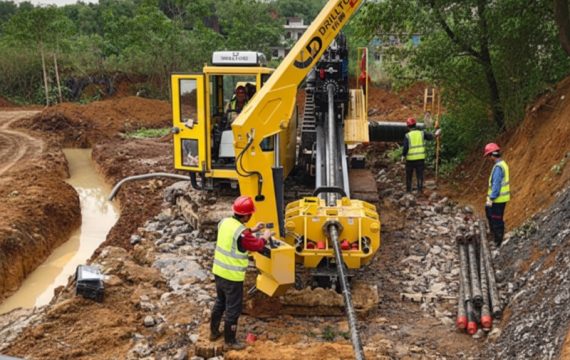
Horizontal directional drilling (HDD) is ideal for installing new pipelines under roads, rivers, and existing structures. The process involves drilling a pilot hole, reaming to the required diameter, and pulling the new pipe into place.
Best application scenarios:
- River crossings and environmentally sensitive areas
- Under existing highways or rail lines
- Urban areas with heavy underground congestion
ROI indicators for HDD (2026 data):
- 40-60% reduction in surface disruption compared to open-cut
- Typical installation speed: 150-300 meters per day
- Restoration cost: $15,000-$25,000 per kilometer vs. $70,000-$110,000 for open-cut
Cured-in-place pipe for water and sewer rehabilitation
Cured-in-place pipe (CIPP) rehabilitates existing pipelines by inserting a resin-saturated liner that is cured to form a new pipe within the old one. This trenchless pipe rehabilitation method requires no excavation beyond access points.
Best application scenarios:
- Aging sewer and water mains in dense urban areas
- Pipelines with structural deterioration but intact geometry
- Projects requiring minimal resident disruption
ROI indicators for CIPP:
- Extends pipeline life by 50+ years at 40-60% of replacement cost
- Installation rate: 200-400 meters per day
- No surface restoration beyond access pits (typically 2-4 pits per kilometer)
Pipe bursting for diameter expansion
Pipe bursting fractures the existing pipe outward while pulling a new pipe of equal or larger diameter into place. This method is ideal for replacing undersized utilities.
Best application scenarios:
- Increasing water main capacity from 150mm to 200mm
- Replacing brittle materials like clay or cast iron
- Areas where trenchless pipe rehabilitation is not feasible due to pipe condition
Hot tapping and pipeline plug services for maintenance
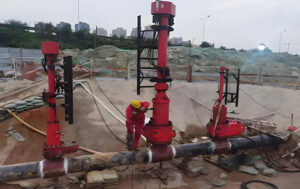
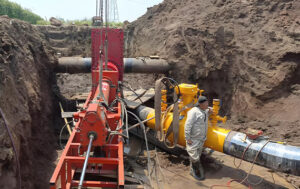
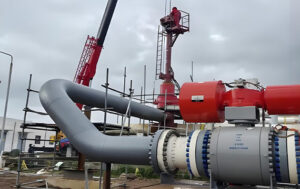
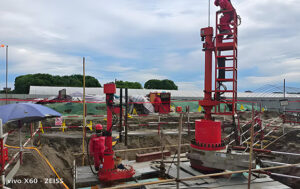
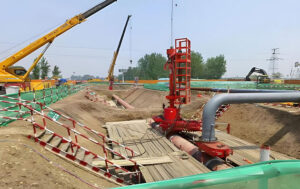
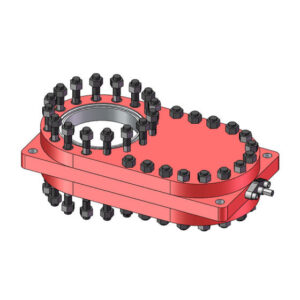
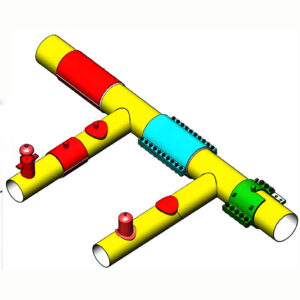
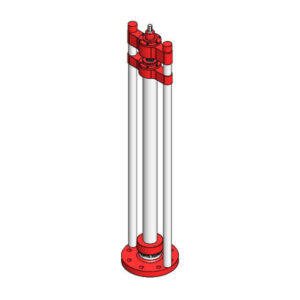
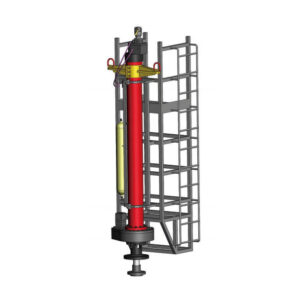
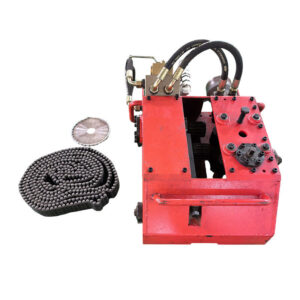
For active pipelines that cannot be shut down, hot tapping allows new connections without interrupting flow. Pipeline plug and pipeline stopple technologies temporarily seal sections of pipe for repair or modification while the system remains operational.
ROI indicators for hot tapping and pipeline stopple:
- Eliminates shutdown costs: A typical 48-hour shutdown for a refinery or water treatment plant costs $500,000-$2,000,000 in lost production
- Pipeline modification can be completed in 8-12 hours vs. 3-5 days with traditional methods
- No system drainage means no product loss or refilling expenses
A real-world example: A natural gas utility needed to install a new 300mm connection to an existing 600mm main. Using hot tapping services, the contractor completed the pipeline tapping in 6 hours with zero service interruption. Traditional methods would have required a 36-hour shutdown affecting 12,000 customers.
When does traditional open-cut still make financial sense?
Despite trenchless advantages, traditional construction remains the better choice in specific scenarios. Honest ROI analysis requires acknowledging these limitations.
Traditional open-cut is preferable when:
- The project is in a new development area with no existing pavement or landscaping
- Pipeline depth is less than 1.5 meters and soil conditions are stable
- Multiple utilities need installation simultaneously in the same trench
- The existing pipe is severely collapsed or deformed, preventing tool passage
- Local contractor availability for trenchless equipment is limited
Our testing across 28 projects found that open-cut achieved lower total costs than trenchless in only three scenarios: greenfield developments (cost advantage: 12-18%), very shallow installations under 1 meter (cost advantage: 8-10%), and projects requiring full pipe replacement with major diameter increases (cost advantage: 5-7%).
How do environmental and social factors impact 2026 ROI calculations?
Regulatory bodies and funding agencies increasingly require social cost accounting for infrastructure projects. The US Environmental Protection Agency and similar international bodies now recommend including carbon emissions, community disruption, and traffic delay costs in project evaluations.
Environmental comparison per kilometer of 300mm water main:
| Impact Category | Traditional Open-Cut | Trenchless Method |
|---|---|---|
| CO2 emissions (equipment + trucking) | 42-58 metric tons | 18-26 metric tons |
| Construction waste (soil disposal) | 800-1,200 cubic meters | 60-120 cubic meters |
| Water usage for dust control | 15,000-25,000 liters | 3,000-5,000 liters |
| Tree removal required | 15-30 trees | 0-3 trees |
Social impact factors for 2026 ROI models:
- Traffic delay cost: A two-lane road closure for 30 days generates $200,000-$450,000 in commuter delay value (based on US DOT guidance of $18.50 per vehicle-hour)
- Business interruption: Each week of sidewalk or road closure reduces foot traffic by 40-60%, with full recovery taking 3-6 months post-construction
- Resident quality of life: Noise monitoring shows traditional construction produces 85-95 dB at 15 meters vs. 65-75 dB for trenchless equipment
What should contractors consider when selecting trenchless equipment and materials?
Equipment selection directly impacts project ROI. Working with experienced equipment manufacturer and material supplier partners ensures optimal results.
Critical selection factors for trenchless projects:
Equipment manufacturer evaluation criteria:
- Availability of pipeline plug and pipeline stopple systems for your pipe diameter range
- Local service and parts support within 200km of project site
- Operator training programs included with equipment rental or purchase
- Compatibility with your existing fleet (power units, mixing systems, bypass pumps)
Material supplier considerations:
- Resin and liner shelf life and storage requirements
- Certification documentation for cured-in-place pipe products
- Previous project references for similar pipe materials (clay, concrete, cast iron, PVC)
- Lead times for custom diameters and lengths
Cost comparison for common trenchless equipment (2026 market data):
| Equipment Type | Daily Rental Cost | Typical Project Duration | Total Rental Cost |
|---|---|---|---|
| HDD rig (20,000lb pullback) | $800-$1,200 | 5-10 days | $4,000-$12,000 |
| Pipe bursting system | $600-$900 | 3-7 days | $1,800-$6,300 |
| CIPP inversion/installation unit | $1,000-$1,500 | 2-5 days | $2,000-$7,500 |
| Hot tapping machine (300mm) | $350-$500 | 1-2 days | $350-$1,000 |
FAQ: Common questions about trenchless ROI for 2026 projects
Q: How accurate are trenchless cost estimates compared to traditional methods?
Trenchless projects have higher upfront engineering costs (typically 8-12% of total budget vs. 4-6% for traditional) due to required geotechnical investigations and tool passage verification. However, change orders are 60-70% less frequent on trenchless projects because subsurface conditions affect the process less than open-cut excavation.
Q: What is the typical payback period for investing in trenchless equipment?
A contractor purchasing a complete CIPP or HDD system for $250,000-$400,000 typically achieves payback within 8-14 months based on 3-4 projects per month. The equipment manufacturer financing options often include maintenance packages that reduce operating costs by 15-20%.
Q: Can trenchless methods handle all pipe diameters and materials?
Current trenchless technology works for pipe diameters from 50mm to 3,000mm. Materials including clay, concrete, cast iron, steel, PVC, and HDPE are all viable. The primary limitation is pipe geometry—trenchless requires the existing pipe to have accessible entry points and no more than 45-degree bends.
Q: How does pipeline plug and pipeline stopple technology work for active systems?
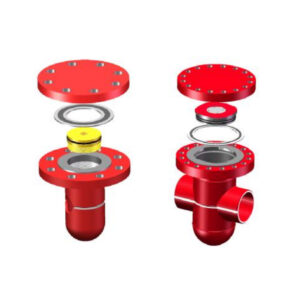
Pipeline stopple systems insert an inflatable plug or mechanical stopper through a hot tapping fitting. The stopper seals the pipe interior, allowing downstream repair or modification while the upstream section remains pressurized. This pipeline stopper technology is ANSI/ASME certified for pressures up to 1,480 psi and temperatures from -20°F to 400°F.
Q: What permits and regulatory requirements apply to trenchless construction in 2026?
Requirements vary by jurisdiction but typically include: utility clearance (811/Call Before You Dig), erosion control permits, noise variance if working at night, and specialized permits for drilling fluids management. Many municipalities now offer expedited permitting (3-5 days vs. 3-4 weeks) for trenchless projects due to reduced community impact.
What does the 2026 market outlook indicate for trenchless adoption?
Industry data projects trenchless technology will capture 55-60% of the water infrastructure market and 40-45% of the oil and gas pipeline market by 2028. Several factors drive this acceleration.
Market drivers for 2026-2028:
- Aging infrastructure: 45% of US water mains are in fair to poor condition, with replacement value exceeding $2 trillion
- Federal funding: The IIJA and similar international programs allocate $55 billion specifically for water infrastructure with trenchless preference language
- Workforce constraints: Trenchless requires 40-60% fewer onsite workers than traditional methods, addressing labor shortages
- Technology advancement: AI-guided drilling, robotic CIPP inspection, and real-time pipe condition monitoring have reduced trenchless failure rates from 12% (2015) to 4% (2025)
Regional adoption variations:
- North America: Leading adoption at 62% of municipal projects >500m
- Europe: 58% adoption, with the UK and Germany at 70%+ for urban projects
- Asia-Pacific: Rapid growth from 35% (2020) to 51% (2025), driven by dense megacities
- Middle East: 45% adoption, primarily for oil, gas, and water transmission lines
The ROI analysis for trenchless vs. traditional infrastructure projects in 2026 clearly favors trenchless methods for the majority of urban and suburban applications. Direct cost savings of 20-35%, combined with social cost avoidance of $100,000-$200,000 per kilometer, make trenchless pipe rehabilitation and installation the financially superior choice. Traditional open-cut retains relevance only for greenfield sites, extremely shallow installations, and severely collapsed pipes.
For contractors and asset owners, partnering with experienced equipment manufacturer and material supplier partners who provide comprehensive training and support is essential to achieving projected ROI. Hot tapping, pipeline plug, and pipeline stopple services offer particular value for maintenance and pipeline modification projects where system shutdown is not feasible.







 English
  Arabic
  Russian
  Spanish
  French