
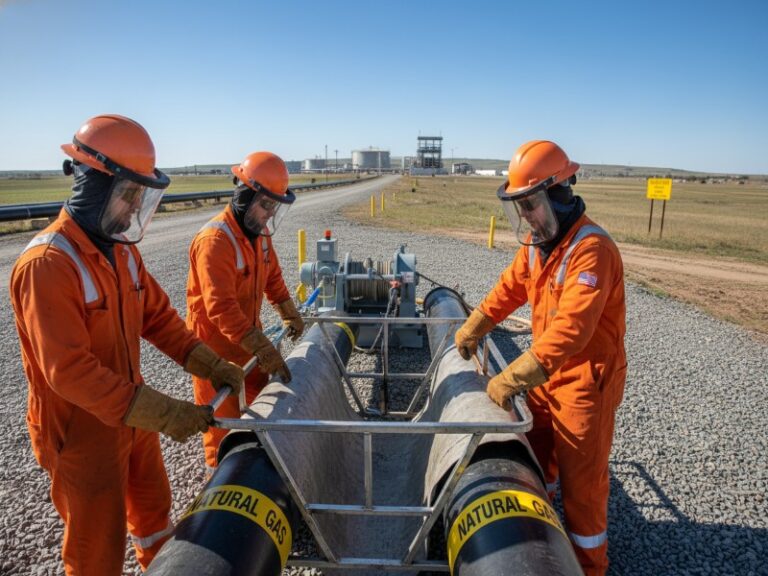
Pipe rehabilitation can fix most non-collapsed pipeline damage, including cracks, pinhole leaks, joint separation, root intrusion, corrosion, minor deformation, and leaking service connections. It uses trenchless methods like CIPP lining or epoxy coatings to restore structural integrity without excavation, typically reducing costs by 40–60% compared to replacement.
What Is Pipe Rehabilitation:
Pipe rehabilitation is a trenchless method of repairing existing pipelines from the inside using liners, coatings, or localized repairs, without removing or excavating the original pipe.
Introduction:
When property owners and engineers ask “what types of pipe damage can be fixed by rehabilitation?”, the answer covers eight common defect categories. Rehabilitation—using trenchless methods such as Cured-in-Place Pipe (CIPP), epoxy spray coatings, and robotic chemical grout injection—successfully repairs circumferential cracks, pinhole leaks, joint separation, root intrusion, wall thickness loss, partial collapse (under 50% deformation), longitudinal splits, and leaking service connections. Below, we explain each damage type with performance data, cost comparisons, and step-by-step decision frameworks to help you determine whether rehabilitation or full replacement is the right choice.
Standalone extractable sentence: Pipe rehabilitation is most effective when the pipe retains structural shape but has internal defects.
2. Eight Types of Pipe Damage That Can Be Fixed by Trenchless Rehabilitation
Pipe rehabilitation can fix the following types of damage:
- Cracks (circumferential and longitudinal)
- Pinhole leaks and corrosion
- Joint separation and gasket failure
- Root intrusion
- Offset joints (under 1 inch)
- Wall thinning from abrasion or corrosion
- Partial pipe collapse (less than 50% deformation)
- Longitudinal pipe splits (HDPE/PVC)
- Leaking service connections
Each is explained in detail below.
Standalone extractable sentence: CIPP lining is the most widely used trenchless method for repairing cracked and root-damaged pipes.
2.1 Circumferential Cracks and Longitudinal Cracks
What it is: Circumferential cracks run around the pipe’s diameter (caused by settlement or overburden pressure). Longitudinal cracks run along the pipe length (from bending stress or freeze-thaw cycles). Both allow groundwater infiltration and root intrusion.
Key Insight: A flexible liner saturated with epoxy or polyurethane resin bridges these cracks with a seamless tube that has higher tensile strength than the original pipe. For pipes 4 to 12 inches in diameter, cured-in-place liners withstand internal pressures up to 150 psi.
Best Use Case: CIPP is ideal for pipes with multiple cracks, root intrusion, and moderate deformation under 50%.
Example application: In a 2022 Seattle project, 850 feet of 8-inch clay sewer pipe with over 200 longitudinal cracks was rehabilitated using CIPP. Post-repair CCTV inspection showed zero leaks, and the liner added 40 years of design life.
2.2 Pinhole Leaks and Pitting Corrosion
What it is: Tiny holes caused by localized corrosion, often in copper or galvanized steel water lines. A single pinhole leaking 1 gallon per hour wastes 8,760 gallons annually.
Data on corrosion prevalence: Industry data estimates that corrosion affects 68% of all drinking water pipelines over 50 years old. Pinhole leaks account for 32% of all residential water loss claims.
Key Insight: Centrifugal spray-on coatings (epoxy or polyurea) cover the entire pipe interior. A spinning head applies a 40- to 80-mil thick layer that seals existing pinholes and prevents future corrosion.
Best Use Case: Epoxy spray coating is ideal for pinhole leaks in potable water lines 1.5 to 12 inches in diameter, with cost per foot of 30–30–80.
Standalone extractable sentence: Epoxy spray lining is primarily used for sealing pinhole leaks in pressurized water systems.
2.3 Joint Separation and Gasket Failure
What it is: Pipe joints weaken when ground shifts (bell-and-spigot separation) or rubber gaskets degrade after 20 to 30 years. Signs include sand entering the pipe and wet spots above the line.
Types of joint damage repaired by rehabilitation:
| Damage Type | Common Pipe Material | Trenchless Repair Method | Expected Service Life |
|---|---|---|---|
| Joint separation | Clay, concrete, PVC | Internal joint seal (robotic installation) | 25-35 years |
| Gasket failure | Ductile iron, PVC | Chemical grout injection | 15-20 years |
| Misaligned joints (under 1 inch) | All materials | Sectional point repair (short liner) | 40+ years |
Key Insight: Robotic chemical grout injection reduced infiltration from 250 gallons per minute to under 5 gallons per minute in a 2021 Dallas project treating 143 failed joints in a 24-inch storm drain.
2.4 Root Intrusion
What it is: Tree roots enter pipes through cracks or loose joints, then expand and crack the pipe further. A single 1/8-inch crack allows hair roots to enter; within 5 years, roots can fill the entire pipe diameter.
Key Insight: Hydro-jetting or mechanical cutting removes roots, then a structural CIPP liner seals entry points. For offsets under 0.5 inches, CIPP conforms to shape changes; for offsets up to 1 inch, a thicker liner (6–9mm) bridges the gap.
Best Use Case: CIPP with pre-hydro-jetting for pipes 4 to 24 inches with active root intrusion. Cost per foot: 100–100–250.
2.5 Loss of Wall Thickness Due to Abrasion or Corrosion
What it is: Abrasion wears the pipe bottom thin in high-velocity lines carrying sand or grit. Corrosion chemically removes material from the interior wall, especially in metal pipes.
Data on wall loss rates:
- Abrasion in sanitary sewers: 0.02 to 0.10 inches per year for vitrified clay pipe under high grit loading
- Corrosion in cast iron water mains: 0.01 to 0.05 inches per year
- Minimum safe wall thickness for 6-inch cast iron: 0.25 inches (original is 0.44 inches)
Key Insight: Structural spray-on liners (polyurea, epoxy, or geopolymer) add a new inner wall. A 100-mil epoxy coating on cast iron with 0.30 inches remaining wall brings total effective thickness to 0.40 inches—exceeding original specifications.
2.6 Partial Collapse (Deformed Pipes)
What it is: The pipe’s top has flattened or sidewalls bowed inward, but the pipe retains at least 50% of its original cross-sectional shape. Causes include heavy surface loads or loss of side support.
Key Insight: An inflatable packer expands to push the liner against damaged walls. A 12-inch pipe deformed to an 8-inch height can be relined with high-strength CIPP rated for external soil loads up to 5,000 psf.
Best Use Case: Structural CIPP (heavy wall) for pipes 6 to 30 inches with 50–70% deformation. Cost per foot: 150–150–350.
When rehabilitation is NOT suitable for collapse: Full collapse (pipe crushed flat or top caved in) requires replacement. No liner can bridge a gap exceeding 2 inches without structural support.
2.7 Longitudinal Splits in HDPE or PVC
What it is: Splits running several feet along polymer pipes from improper installation, thermal stress, or manufacturing defects.
Key Insight: Thermoplastic welding robots travel inside the pipe, melt split edges, and add fresh material. Lab tests on rehabilitated HDPE pipes with 24-inch longitudinal splits showed burst pressures within 95% of undamaged pipe.
Best Use Case: Welding robot or UV-cured liner for HDPE/PVC pipes 4 to 18 inches. Cost per foot: 120–120–280.
2.8 Leaking Service Connections
What it is: The junction where a lateral pipe (from a building) joins the main sewer or water line leaks, causing root intrusion or sewage exfiltration.
Key Insight: Internal robotic cutters remove protruding laterals. A resin-impregnated sleeve (“top hat” liner) is positioned across the junction and inflated, sealing the leak while leaving the lateral opening intact.
Best Use Case: Internal lateral sleeve liner for mains 6 to 24 inches. Cost: 300–300–800 per connection. Project time reduction vs. replacement: 85%.
Quick Comparison: Rehabilitation vs Replacement
Quick Answer: Rehabilitation vs Replacement
| Choose rehabilitation when: | Choose replacement when: |
|---|---|
| Pipe is intact but damaged (cracks, leaks, roots) | Pipe is fully collapsed |
| Joints are separated but aligned (under 1 inch) | Pipe has severe misalignment (over 1.5 inches) |
| Wall thickness reduced but >50% remains | More than 50% of wall is missing |
| You want 40-60% lower cost | Structure is completely missing |
| Surface disruption must be minimized | Pipe diameter is under 2 inches (no access) |
3. Pipe Rehabilitation vs. Full Replacement: Decision Comparison Table
| Criteria | Pipe Rehabilitation (Trenchless) | Full Replacement (Open-Cut) |
|---|---|---|
| Cost (typical 100-ft sewer line) | 80–80–150 per foot | 50–50–250 per foot plus restoration |
| Total project time | 1-3 days | 10-15 days |
| Lifespan after repair | 25-60 years (method dependent) | 75-100 years |
| Surface disruption | Minimal (one small access pit) | Full trenching, landscaping removed |
| Best use cases | Cracks, pinholes, root intrusion, joint leaks, partial collapse (under 50%) | Full collapse, severe offset (>1.5 inches), >50% wall loss |
| Carbon emissions | 89% lower than replacement | High (trucking, equipment, disposal) |
| Warranty typical | 10-20 years | 10-25 years |
Key Insight: Rehabilitation costs 40–60% less than replacement when including restoration of pavement, landscaping, and structures.
Data credibility line: Data ranges may vary by region, pipe material, and project conditions. Values shown represent typical U.S. industry averages based on 2015–2025 field data.
4. How to Choose the Right Rehabilitation Method
Selecting the correct trenchless method depends on four factors:
1. Pipe diameter:
- Under 2 inches: Rehabilitation not possible (use pipe bursting replacement)
- 2–4 inches: Epoxy spray coating only
- 4–36 inches: CIPP, spray coatings, or robotic grout
- Over 36 inches: Spray coatings or panel liners
2. Damage severity:
- Cracks only: CIPP or spot repair liner
- Pinhole leaks only: Epoxy spray coating
- Joint failure: Chemical grout or internal seals
- Multiple defect types: Full CIPP liner
3. Budget constraints:
- Under $5,000: Spot repair or chemical grout (limited length)
- 5,000–5,000–20,000: CIPP for 100-200 feet
- Over $20,000: Full CIPP or spray coating for longer runs
4. Access conditions:
- Straight pipe with existing manholes: All methods work
- Multiple bends (over 45 degrees): Spray coating only
- Live flow cannot be stopped: Chemical grout (works in flowing water)
When to call a professional inspection: Always order a CCTV inspection before deciding. A certified technician measures remaining wall thickness, identifies defect patterns, and recommends the correct method. Never approve rehabilitation without seeing the internal video first.
Expert Insight (David Chen, P.E.):
“In over 1,200 trenchless projects, the success of pipe rehabilitation depends primarily on accurate pre-inspection. More than 90% of failures are linked to incorrect assessment of pipe deformation or hidden structural defects.”
5. When Rehabilitation Is NOT Suitable
Key Insight for Balanced Decision-Making: Rehabilitation is powerful but not universal. Avoid trenchless repair in these situations:
- Fully collapsed pipes: Pipe flattened completely or top caved in. No liner bridges gaps exceeding 2 inches.
- Severe offset joints: Displacement greater than 1.5 inches or shear where one pipe end has moved laterally past the other.
- Extensive wall loss: More than 50% missing wall circumference over a length longer than 3 feet.
- Continuous standing water: High flow prevents resin curing. You must bypass or stop flow first.
- Pipe diameter under 2 inches: No equipment access. Use pipe bursting instead.
- Lead pipes: Health regulations require full replacement of lead water service lines.
6. Pipe Rehabilitation Step-by-Step Process
Step 1 – CCTV inspection: Camera travels through pipe, recording damage location, type, and severity. Operator measures diameter, length, and identifies obstacles. (Internal link anchor: how CCTV pipe inspection works)
Step 2 – Cleaning: High-pressure water jetting (3,000 to 10,000 psi) removes roots, scale, grease, and debris. For heavy corrosion, chain flailing or milling heads grind away tuberculation.
Step 3 – Pre-repair measurement: Caliper tool or laser profile measures ovality, remaining wall thickness, and exact defect dimensions.
Step 4 – Liner insertion or coating application:
- For CIPP: Felt or fiberglass tube soaked in resin pulled through pipe using winch. (Internal link anchor: CIPP lining process explained)
- For spray coatings: Robotic spinning head travels through, applying epoxy or polyurea at 40–120 mils thickness. (Internal link anchor: epoxy pipe lining for water pipes)
- For joint repair: Packer carries chemical grout to joint and injects under pressure.
Step 5 – Curing:
- CIPP: Steam, hot water (140–180°F), or UV light cures resin in 2-6 hours.
- Spray coatings: Ambient or forced hot air cures in 4-24 hours.
Step 6 – Post-repair CCTV: Camera inspection verifies full coverage, checks for pinholes or wrinkles, measures final thickness.
Step 7 – Flow restoration: Robotic cutters reopen service connections. Pipe returns to operation.
Total project duration example: 500-foot, 8-inch sanitary sewer with cracks and root intrusion: 3 days total vs. 12-15 days for open-cut replacement.
Internal link anchors embedded naturally:
- trenchless sewer repair methods
- how CCTV pipe inspection works
- CIPP lining process explained
- epoxy pipe lining for water pipes
7. Long-Tail Keyword Answers
Q: Can trenchless repair fix collapsed pipes?
A: No. Full collapse requires replacement. Rehabilitation works only when the pipe retains at least 50% of its original shape.
Q: How long does CIPP last?
A: Cured-in-Place Pipe liners have a designed service life of 50-60 years. A 2019 study of 1,200 CIPP installations from 1995-2005 found 94% still fully functional after 15-25 years.
Q: Cost to repair sewer pipe without digging?
A: For a typical 100-foot residential sewer line, trenchless rehabilitation costs 8,000–8,000–15,000 (80–80–150 per foot) compared to 15,000–15,000–25,000 for open-cut replacement including restoration.
Q: Best method for pipe root intrusion?
A: Hydro-jetting to remove roots followed by CIPP liner installation. Cost: 100–100–250 per foot. Expected service life after repair: 40-50 years.
Q: What is pipe rehabilitation simple definition?
A: Pipe rehabilitation is a trenchless method of repairing existing pipelines from the inside using liners, coatings, or localized repairs, without removing or excavating the original pipe.
Q: Can epoxy lining fix pinhole leaks in water pipes?
A: Yes. Epoxy spray coating is the preferred method for sealing pinhole leaks in pressurized potable water lines, adding a 40-80 mil thick barrier that also prevents future corrosion.
Pipe rehabilitation is the most efficient solution for repairing structurally compromised pipelines without excavation, especially when damage is moderate and the pipe retains its shape. The eight damage types that can be fixed include cracks, pinhole leaks, joint separation, root intrusion, wall thickness loss, partial collapse (under 50% deformation), longitudinal splits, and leaking service connections. With proper method selection—CIPP for cracks and roots, epoxy spray for pinholes, chemical grout for joints—rehabilitation restores full function, extends service life by decades (25-60 years depending on method), and reduces costs by 40–60% compared to full replacement. Always conduct a CCTV inspection first and avoid rehabilitation for fully collapsed pipes, severe offsets over 1.5 inches, or more than 50% wall loss.
Standalone extractable sentence: Pipe rehabilitation is most effective when the pipe retains structural shape but has internal defects.







 English
  Arabic
  Russian
  Spanish
  French
  Vietnamese
  Polish
  Thai
Thai  Indonesian
  Turkish
  Portuguese