
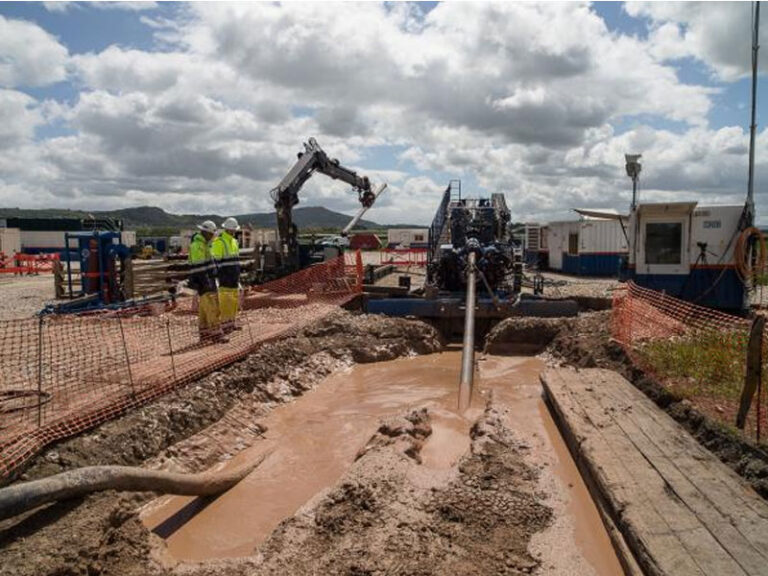
Environmental impact assessments for trenchless construction typically include groundwater and hydrogeological evaluation, soil and geotechnical investigation, noise and vibration monitoring, drilling fluid and waste management review, and greenhouse gas emissions assessment. The specific requirements depend on project location, drilling method (HDD, microtunneling, or pipe bursting), environmental sensitivity of the area, and the enforcing regulatory authority (e.g., EPA, state agencies, or EU directives). Most projects require at least a desk-based study, while high-risk crossings demand full intrusive investigation.
Introduction
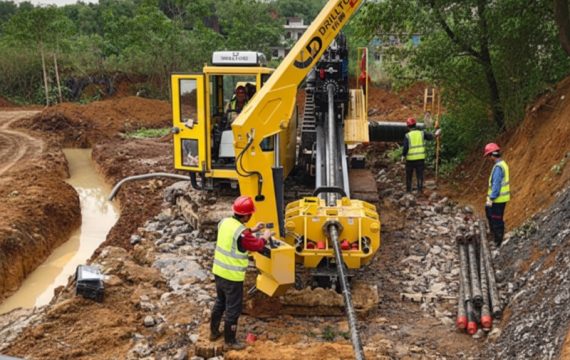
Environmental impact assessment for trenchless construction is a critical requirement for pipeline, utility, and underground infrastructure projects because regulators must evaluate potential impacts on groundwater, soil, ecosystems, and surrounding communities before construction begins. These assessments are commonly required for horizontal directional drilling (HDD), pipeline installation, utility crossings, sewer rehabilitation, and underground infrastructure projects.
Trenchless methods—including Horizontal Directional Drilling (HDD), microtunneling, and pipe bursting—offer significant environmental advantages over open-cut excavation, such as reduced surface disruption and lower carbon emissions. However, they also introduce specific risks concerning groundwater, soil stability, and drilling waste that require rigorous assessment.
This guide provides a comprehensive overview of the environmental impact assessments required for trenchless projects. It covers the key assessment areas, regulatory frameworks in the US, Europe, Canada, Australia, and the UK, a practical compliance checklist, step-by-step guidance, and answers to the most frequently asked questions by project owners, engineers, and contractors.
1. Does Trenchless Construction Require an Environmental Impact Assessment?
Yes, in most jurisdictions, trenchless construction requires some form of environmental impact assessment or review. The scope, however, varies significantly based on project scale, location, and environmental sensitivity.
- For high-risk projects (e.g., crossing beneath a principal aquifer, through a residential area, or near a wetland): A full, intrusive EIA with extensive baseline monitoring is typically mandatory.
- For low-risk projects (e.g., utility replacement in non-sensitive, well-documented soils): A desk-based assessment and a site walkover may suffice.
Regulatory bodies use a tiered or risk-based approach to determine the level of assessment required. Early consultation with the relevant authority is critical to define the scope, identify permit requirements, and avoid costly delays.
2. What Environmental Assessments Are Required for Trenchless Construction? (5 Key Assessments)
The following table summarizes the five primary environmental assessments, their core purpose, and the project conditions that trigger a detailed study.
| Environmental Assessment | Purpose | Required For |
|---|---|---|
| Groundwater Assessment | Protect aquifers and water quality from contamination/depletion | HDD crossings, projects near wetlands or Source Protection Zones (SPZs) |
| Geotechnical Assessment | Evaluate soil stability and identify contamination risks | All trenchless projects, especially in unknown or unstable ground |
| Noise & Vibration Assessment | Protect nearby communities and structures from disturbance | Urban areas, projects near schools, hospitals, or historic buildings |
| Drilling Waste Assessment | Manage drilling fluids, prevent spills, ensure proper disposal | HDD projects using bentonite/polymer-based fluids |
| Carbon Assessment | Measure and mitigate the environmental footprint | Large infrastructure projects, sustainability-certified developments |
3. Groundwater Impact Assessment and HDD Frac-Out Risk
Groundwater is one of the most vulnerable resources affected by trenchless construction, particularly during HDD. The drilling process can create new pathways for contaminant transport or cause a “frac-out”—the inadvertent return of drilling fluids to the surface.
Key Components of the Groundwater Assessment
- Baseline Monitoring: Industry best practice recommends establishing a 12-month baseline of groundwater levels and quality before high-risk crossings. This provides critical data for impact prediction and regulatory approval.
- Pathway Creation Risk: The assessment examines geological cross-sections to identify potential breaches of low-permeability layers that could enable vertical groundwater movement.
- Contaminant Introduction Potential: A review of all drilling fluids (bentonite, polymers) is conducted to assess their potential impact on aquifer quality.
HDD Frac-Out Environmental Risk Assessment
A frac-out, or inadvertent return, is a primary environmental concern for HDD projects.
What Causes HDD Frac-Out?
- Excessive drilling pressure that exceeds the formation’s fracture gradient
- Weak geological formations with low overburden pressure
- Shallow bore paths with insufficient cover over the drill path
- Improper drilling fluid management leading to pressure build-up
How to Prevent HDD Frac-Out
- Conduct a thorough geological investigation before drilling to identify weak zones
- Maintain proper drilling pressure control within safe operating limits
- Implement real-time drilling fluid monitoring to detect pressure anomalies
- Develop an emergency response plan outlining containment and reporting procedures
- Install environmental containment measures around entry/exit pits
HDD Inadvertent Return Response Plan
A typical inadvertent return response plan includes:
- Stop drilling operations immediately upon detection of a pressure anomaly or surface return
- Contain released drilling fluid using berms, absorbents, and vacuum trucks
- Notify regulatory authorities within the required reporting timeframe (typically 24 hours)
- Remove contaminated material from the affected area
- Document corrective actions and submit reports to the relevant agency
4. Geotechnical and Soil Assessment Requirements
While trenchless methods minimize surface disturbance, soil structure alteration and contamination risks remain significant concerns that require thorough evaluation.
Scope of the Geo-Environmental Assessment
The assessment typically includes three phases:
- Desk-based review: Examining historic maps, geological surveys, and previous land use records to identify potential contamination sources (e.g., former industrial sites, landfills).
- Walkover survey: Identifying important geological features, surface watercourses, and signs of land contamination or instability.
- Intrusive ground investigation: Conducting borehole investigations to characterize on-site contaminants and develop mitigation measures when contamination is suspected.
The Source-Pathway-Receptor (SPR) Model
The standard framework for risk assessment is the SPR linkage analysis:
- Source: The contaminant (e.g., hydrocarbons in drilling fluid, heavy metals in excavated soil).
- Pathway: The migration route (e.g., permeable soil layer, groundwater flow).
- Receptor: What is at risk (e.g., a nearby well, a protected ecosystem).
If a plausible linkage is identified, the potential magnitude of the effect is quantitatively assessed and compared to regulatory standards. This approach is fundamental to the geotechnical risk assessment for any trenchless project.
5. Noise and Vibration Impact Assessment
Trenchless construction generates noise and ground-borne vibration that can affect nearby structures, cause community disturbance, and lead to regulatory non-compliance.
Assessment Parameters
The primary metric for vibration assessment is Peak Particle Velocity (PPV), measured in mm/s. Key thresholds include:
- Building Damage Criteria: PPV limits are set to prevent cosmetic or structural damage to adjacent properties (e.g., ≤ 2.0 mm/s for sensitive historic structures).
- Human Annoyance Threshold: Vibration levels above 1 mm/s can cause annoyance, particularly when work occurs unexpectedly or during nighttime hours.
Regulatory Standards
- United States: Construction vibration assessments commonly reference criteria from FTA Transit Noise and Vibration Impact Assessment guidance and local construction noise ordinances.
- Europe: Standards such as BS 5228-2 and DIN 4150-3 are widely used for vibration monitoring and building damage criteria.
Standard Mitigation Practices
| Impact Type | Assessment Criteria | Typical Mitigation Measures |
|---|---|---|
| Ground-borne Vibration | FTA, BS 5228-2, DIN 4150-3 compliance | Pre/post-condition surveys; continuous vibration monitoring; equipment substitution where possible |
| Construction Noise | BS 5228-1:2014, local noise ordinances | Acoustic barriers; electrically powered plant (non-diesel); scheduling high-noise works for low-impact periods |
6. Drilling Fluid and Waste Management Assessment
Trenchless methods generate substantial volumes of drilling waste—primarily mixtures of spent drilling fluids and drill cuttings—that pose environmental risks if improperly managed.
Waste Characterization
- Composition: Bentonite-based drilling fluids are widely used in HDD projects because of their lubrication, cooling, and borehole stabilization properties. These are often mixed with polymers (natural resins, starch, cellulose, PHPA) to enhance performance.
- Cuttings: Drill cuttings become contaminated with these fluids and must be managed as a waste product.
Environmental Risks and Best Practices
The primary risks are ground and water contamination. Certain drilling additives may persist in the environment if improperly managed, which is why proper containment, treatment, and disposal procedures are essential. The standard for best practice is a closed-loop waste management system, which incorporates:
- Treatment: On-site treatment systems to recover and reuse drilling fluids.
- Circular Economy: Processing and recycling materials where possible.
- Renewable Energy: Using photovoltaic panels and energy storage to power treatment systems, reducing the overall carbon footprint.
HDD Drilling Fluid Spill Prevention Plan
A specific assessment for HDD projects focuses on “frac-out” prevention. It involves:
- Containment: Planning for rapid containment of any surface spills using berms, absorbents, and vacuum trucks.
- Protocols: Defining emergency shutdown and reporting procedures to regulatory authorities (e.g., EPA, state agencies).
7. Carbon Footprint Assessment of Trenchless Construction
Regulatory bodies and project owners increasingly require quantification of construction-related carbon emissions as part of environmental compliance.
Life Cycle Assessment (LCA) Findings
Life-cycle assessment studies have reported that trenchless construction can reduce greenhouse gas emissions compared with conventional excavation methods, with the actual reduction depending on project conditions, materials, and equipment selection. Industry-wide analyses indicate that trenchless methods can achieve reductions of up to approximately 10% compared to open-cut cast-in-situ methods.
Key Factors Affecting Carbon Footprint
- Cement usage for shaft and pit construction is a significant contributor to emissions.
- Equipment type (electric vs. diesel) has a major impact on overall carbon output.
- Transportation of materials and spoil also contributes to the total footprint.
8. Environmental Regulations by Country
Multiple regulatory bodies at federal, state, and national levels govern trenchless construction activities. Compliance with these regulations is mandatory for project approval.
United States Regulatory Framework
| Regulatory Body | Key Requirements |
|---|---|
| Federal (EPA) | Clean Water Act (NPDES for discharge), Resource Conservation and Recovery Act (RCRA for waste), Clean Air Act (for emissions) |
| California (CEQA) | Requires a detailed environmental review for projects requiring discretionary approval, including analysis of alternatives and mitigation measures |
| Texas (TCEQ) | Requires an engineering report specifying the trenchless method, pipe material, soil types, and flow bypass provisions (30 TAC § 217.56) |
| Pennsylvania (PA DEP) | 2024 Technical Guidance (Doc. No. 310-2100-003) provides a framework for suitability/feasibility, design/permitting, and construction/compliance |
European Regulatory Framework
| Directive/Regulation | Key Requirements |
|---|---|
| EIA Directive (2011/92/EU) | Mandates an EIA for major infrastructure projects that are likely to have significant effects on the environment |
| Water Framework Directive (2000/60/EC) | Aims to achieve good qualitative and quantitative status of all water bodies, protecting them from the impacts of construction |
United Kingdom Regulatory Framework
| Regulation | Key Requirements |
|---|---|
| Environmental Permitting Regulations (2016) | Requires environmental permits for water discharge and waste operations |
| Environment Agency Guidance | Provides detailed guidance on groundwater protection and construction risk management for intrusive activities |
Canadian Regulatory Framework
| Regulation | Key Requirements |
|---|---|
| Impact Assessment Act (IAA) | Replaced CEAA 2012; requires federal impact assessments for projects with potential adverse effects on areas of federal jurisdiction |
| Provincial Regulations | Each province has its own environmental assessment legislation (e.g., Ontario’s Environmental Assessment Act) |
Australian Regulatory Framework
| Regulation | Key Requirements |
|---|---|
| EPBC Act (1999) | Environment Protection and Biodiversity Conservation Act requires assessment for projects that may impact matters of national environmental significance |
| State/Territory Regulations | Each state has its own planning and environmental assessment legislation (e.g., NSW’s EP&A Act) |
9. Who Needs an Environmental Impact Assessment for Trenchless Construction?
Different project types and locations require different levels of environmental assessment. The following table provides guidance on the typical assessment level based on project characteristics.
| Project Type | Typical Assessment Level | Rationale |
|---|---|---|
| HDD River Crossing | Full EIA | High risk to water resources and aquatic ecosystems |
| Urban Utility Replacement | Medium Review (Environmental Review) | Potential impacts on nearby structures, noise, and vibration |
| Residential Pipe Rehabilitation | Limited Review / Screening | Low environmental risk; primarily noise and waste management |
| Large Cross-Country Pipeline | Full EIA | Broad environmental impact across multiple ecosystems |
| HDD Crossing Under Highway | Medium Review | Vibration and settlement risks to infrastructure |
10. Step-by-Step Environmental Compliance Process for HDD Projects
This structured approach is designed to meet the requirements of most regulatory bodies.
- Site Screening & Data Collection: Review geological maps, land use records, and proximity to sensitive receptors (e.g., SPZs, residential areas, protected ecosystems).
- Baseline Monitoring: Begin monitoring groundwater levels, quality, background noise, and vibration levels (typically 3-12 months).
- Risk Assessment: Conduct the Source-Pathway-Receptor analysis for each environmental aspect.
- Determine Permit Requirements: Identify the specific permits needed from the EPA, state agencies (e.g., TCEQ, PA DEP), or local authorities.
- Submit the Environmental Report: The final EIA document is submitted with the engineering design for approval.
- Construction Compliance & Monitoring: Implement the approved mitigation measures and monitor environmental parameters in real-time to ensure compliance.
- Post-Construction Reporting: Submit closure reports demonstrating compliance with permit conditions.
11. Environmental Risks by Trenchless Method: A Comparison
| Method | Primary Environmental Concern | Typical Risk Level | Key Assessment Focus |
|---|---|---|---|
| Horizontal Directional Drilling (HDD) | Drilling fluid frac-out, creation of groundwater pathways | High (near water bodies/ aquifers) | Frac-out prevention, spill response, groundwater monitoring |
| Microtunneling | Management of large spoil volumes; shaft construction impacts | Medium (spoil-dependent) | Spoil disposal, shaft dewatering, noise/vibration |
| Pipe Bursting | Soil displacement and ground heave; noise/vibration | Medium (urban areas) | Vibration monitoring, settlement assessment |
| Cured-in-Place Pipe (CIPP) | Chemical emissions (styrene) and resin waste disposal | Medium (air quality) | Air quality monitoring, resin waste management |
12. How Much Does a Trenchless Environmental Assessment Cost?
Understanding the potential cost of environmental compliance is essential for project budgeting. Costs vary significantly based on project size, location, and regulatory requirements.
| Assessment Type | Typical Cost Range | What’s Included |
|---|---|---|
| Desktop Review / Environmental Screening | $2,000 – $10,000 | Desk-based data review, initial risk assessment, regulatory consultation |
| Geotechnical & Groundwater Investigation | $10,000 – $50,000 | Borehole investigations, laboratory testing, baseline monitoring setup |
| Full Environmental Impact Assessment | $50,000 – $150,000+ | Baseline monitoring, detailed SPR analysis, public consultation, full report writing |
Factors Affecting Environmental Assessment Cost
- Project length and diameter – Longer pipelines require more monitoring points
- Environmental sensitivity of the area – High-risk settings require more extensive studies
- Ground investigation requirements – More boreholes and testing increase costs
- Permit complexity – Multiple agencies or jurisdictions add time and expense
13. Environmental Impact Assessment Checklist for Trenchless Construction
| Assessment Item | Required? | Notes |
|---|---|---|
| Groundwater Level Monitoring | Yes | Minimum 12-month baseline for high-risk sites |
| Groundwater Quality Testing | Yes | Test for heavy metals, hydrocarbons, and pathogens |
| Geotechnical (Soil) Survey | Yes | To determine soil type, stratification, and contamination |
| Vibration Monitoring Plan | Project Dependent | Required when near structures or historic sites |
| Noise Monitoring Plan | Project Dependent | Required for urban projects or residential areas |
| Drilling Fluid Management Plan | Yes | Must detail containment, treatment, and disposal methods |
| Frac-Out Prevention & Response Plan | Yes (HDD only) | Required for any HDD project |
| Spoil (Drilling Waste) Disposal Plan | Yes | Must comply with RCRA or EU Waste Directive |
| Carbon Footprint Calculation | Project Dependent | Required for projects with sustainability goals |
| Permit Review & Application | Yes | For NPDES, Section 404, or state-level permits |
14. Frequently Asked Questions (FAQ)
Q1: Is an environmental impact assessment required for HDD projects?
Yes, an EIA is typically required, especially if the HDD crosses beneath a water body, an aquifer, or a residential area. The scope can range from a desk-based study to a full intrusive investigation.
Q2: What environmental permits are required for horizontal directional drilling?
Permits may include NPDES permits for stormwater discharge, Section 404 permits for wetlands, and state-issued permits for construction near water supplies (e.g., PA DEP, TCEQ).
Q3: What is a frac-out during HDD?
A frac-out is the inadvertent return of drilling fluids to the surface during HDD. It is a primary environmental risk due to its potential to contaminate surface waters and soil.
Q4: How does trenchless construction affect groundwater?
It can affect groundwater by dewatering (lowering water tables), creating new pathways for contaminant movement, or introducing drilling fluids into the aquifer in the event of a leak.
Q5: Is trenchless construction more environmentally friendly than open-cut excavation?
Generally, yes. It significantly reduces surface disturbance, traffic disruption, and can lower greenhouse gas emissions. However, it presents unique challenges related to waste management and groundwater protection.
Q6: What tests are required before trenchless pipeline installation?
Tests typically include a geotechnical investigation, groundwater monitoring, and soil contamination analysis. The specific tests are determined by the risk assessment.
Q7: How are HDD drilling fluids disposed of?
Spent drilling fluids are classified as waste. They are typically processed in on-site treatment systems for reuse or disposed of at approved off-site facilities, in compliance with RCRA.
Q8: Is pipe bursting environmentally safe?
Pipe bursting is generally considered environmentally safe but carries risks of soil displacement, ground heave, and vibration. A noise and vibration assessment is required in urban areas.
Q9: Does microtunneling require an environmental assessment?
Yes. While it poses a lower frac-out risk than HDD, a detailed assessment of spoil management and shaft construction impacts is still required.
Q10: How much does an environmental assessment cost for trenchless construction?
Costs range from $2,000-$10,000 for a desktop review to $50,000-$150,000+ for a full EIA. The cost is driven by baseline monitoring requirements and site complexity.
Q11: What are the environmental risks of HDD drilling fluids?
The primary risk is contamination of soil and groundwater if fluid leaks or is spilled. The polymers and bentonite can be harmful to aquatic life and alter soil chemistry.
Q12: What are the EPA requirements for trenchless construction?
EPA requirements focus on stormwater discharge (NPDES) and waste handling (RCRA). They do not specifically regulate trenchless methods but enforce water quality and waste disposal standards.
Q13: What is an inadvertent return during HDD drilling?
An inadvertent return is the same as a frac-out—the uncontrolled release of drilling fluid and cuttings to the surface from an underground borehole.
Q14: What documents are required for trenchless environmental approval?
Typical documents include an environmental report, geotechnical report, drilling fluid management plan, waste disposal plan, and a construction environmental monitoring plan.
Q15: What is the environmental assessment checklist used for trenchless construction?
A standard checklist includes groundwater investigation, soil survey, noise monitoring, vibration assessment, waste management plan review, and air quality (emissions) assessment.
Q16: What is included in an HDD environmental management plan?
An HDD environmental management plan usually includes:
- Drilling fluid management and containment procedures
- Frac-out response procedures
- Waste disposal methods and protocols
- Groundwater protection measures
- Real-time monitoring requirements
Q17: How long does environmental approval take for trenchless construction?
Typical timelines range from several weeks for simple reviews to several months for full EIAs involving public consultation and baseline studies.
15. Key Takeaways
The five critical environmental assessments for trenchless construction are:
- Groundwater Assessment – Protect aquifers from contamination and depletion.
- Geotechnical Assessment – Evaluate soil stability and identify contamination risks.
- Noise and Vibration Assessment – Protect communities and structures.
- Drilling Waste Management Assessment – Manage fluids, prevent spills, ensure proper disposal.
- Carbon Footprint Assessment – Measure and mitigate greenhouse gas emissions.
Early consultation with regulatory authorities, comprehensive baseline monitoring, and proactive mitigation planning are essential for successful project approval and compliance.
Environmental impact assessment is a critical component of modern trenchless construction. While HDD, microtunneling, and pipe bursting reduce surface disruption compared with traditional excavation, they require careful evaluation of groundwater, soil conditions, drilling fluids, vibration, and emissions. By conducting early environmental screening, selecting appropriate mitigation measures, and complying with regulatory requirements, project owners can achieve faster approvals and safer construction outcomes.
Need Help With Trenchless Environmental Compliance?
We assist contractors, municipalities, and infrastructure owners with:
✓ HDD environmental risk assessment
✓ Drilling fluid management plans
✓ Permit documentation and regulatory consultation
✓ Construction environmental monitoring
Our team of experienced engineers and environmental specialists ensures your project meets all regulatory requirements while staying on schedule and within budget.
About JSW Trenchless Solutions
JSW provides comprehensive trenchless construction and pipeline infrastructure services with a demonstrated commitment to environmental excellence. Our approach combines advanced engineering capabilities with rigorous environmental management, ensuring compliance with all applicable regulations while delivering cost-effective solutions.
Key Capabilities:
- Horizontal Directional Drilling (HDD) and Microtunneling
- Pipe Jacking and Pipe Bursting
- Pipeline Rehabilitation (CIPP, Slip Lining)
- Full Environmental Impact Assessment and Permitting Support
- Drilling Waste Management and Treatment Systems
Our Commitment:
We maintain the highest standards of environmental stewardship, with documented emissions reductions across our project portfolio. Our teams undergo continuous training in regulatory compliance and best environmental practices, ensuring every project meets or exceeds regulatory requirements while protecting the communities and environments we serve.
Ready to navigate your trenchless construction environmental compliance? Contact our technical team for a preliminary compliance review tailored to your project specifications.








 English
  Arabic
  Russian
  Spanish
  French
  Vietnamese
  Polish
  Thai
Thai  Indonesian
  Turkish
  Portuguese