jasonsong889@gmail.com

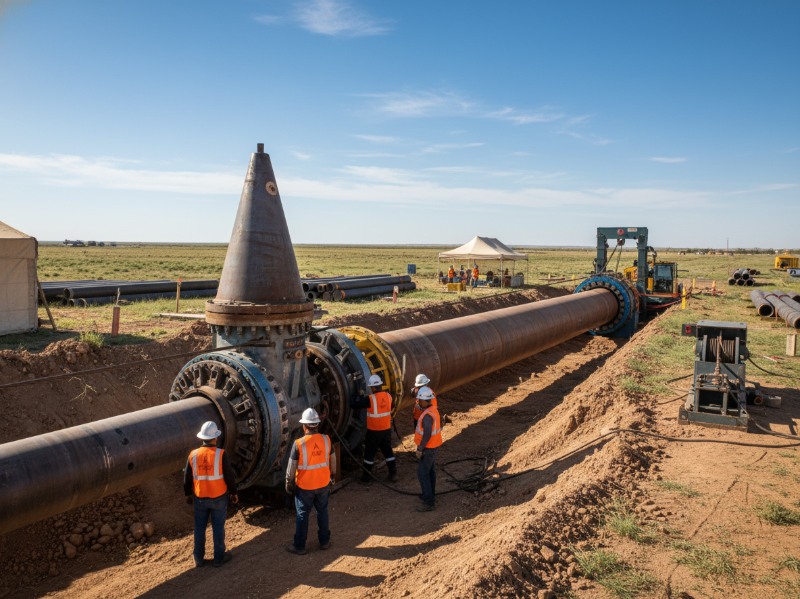
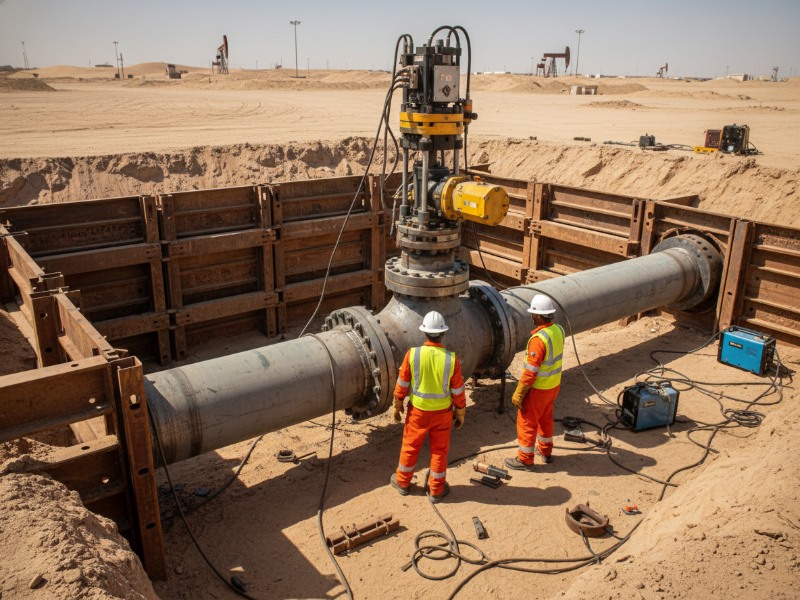
Two field engineers perform hot tapping on a large steel pipeline within a trench, surrounded by industrial equipment at a sunny desert oilfield site.

Hot Tapping on Sour Gas Pipelines: NACE MR0175 Material Selection, Hardness Control, and SSC Prevention

How to Prevent Sulfide Stress Cracking (SSC) in Split Tees, Valves, and Welds Under High H₂S Conditions NACE Requirements for Sour Gas Hot Tapping Introduction: What This Guide Covers Hot tapping on sour gas pipelines requires strict compliance with NACE MR0175/ISO 15156. This guide provides material selection specifications, hardness control strategies with verified limits, SSC
Hot Tapping on Sour Gas Pipelines: NACE MR0175 Material Selection, Hardness Control, and SSC Prevention Leer Más »

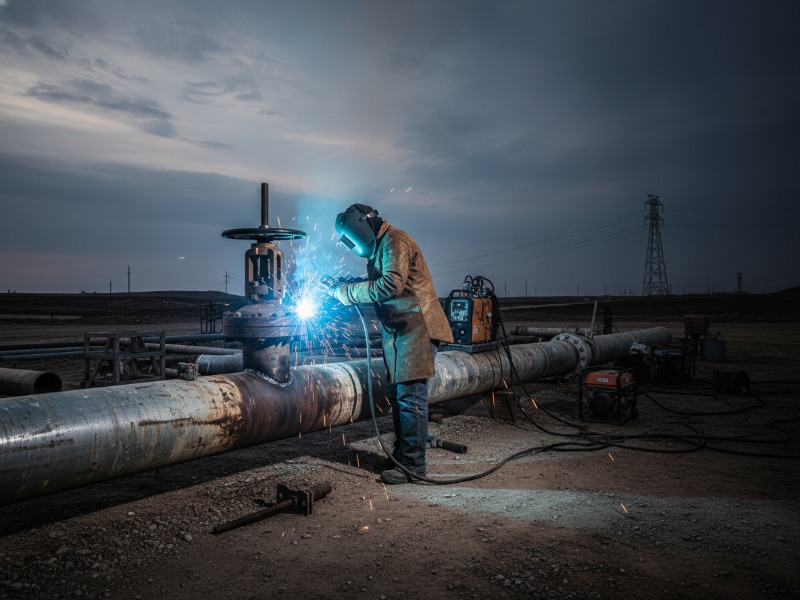
A certified welder in protective gear performs a hot tapping operation on a large natural gas pipeline, with bright sparks illuminating the industrial field at dusk.

How to Prevent Burn-Through in Hot Tapping on 10MPa+ Gas Pipelines: Thermal Analysis, Battelle Model & Welding Metallurgy per API RP 2201

What Is Hot Tapping in High-Pressure Gas Pipelines? Hot tapping is a method of connecting to or modifying a live pipeline without shutting down flow. In 10MPa+ gas pipelines, it requires controlled welding procedures to prevent burn-through and hydrogen-induced cracking (HIC) due to high pressure and rapid cooling effects caused by high-velocity internal gas flow.

How to Prevent Burn-Through in Hot Tapping on 10MPa+ Gas Pipelines: Thermal Analysis, Battelle Model & Welding Metallurgy per API RP 2201 Leer Más »

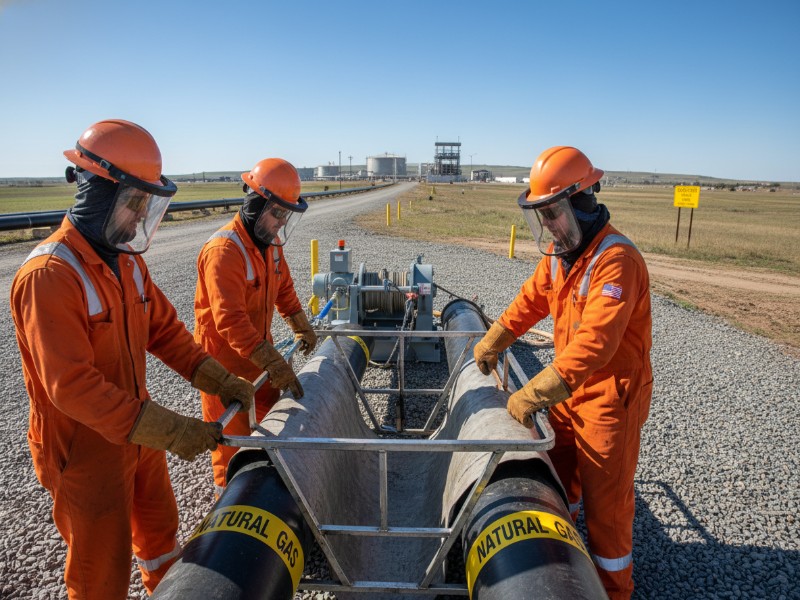
Three workers in orange PPE install a CIPP liner into a natural gas pipeline on a gravel work pad, with distant industrial equipment.

¿Qué tipos de daños en las tuberías se pueden reparar sin necesidad de excavar?

Pipe rehabilitation can fix most non-collapsed pipeline damage, including cracks, pinhole leaks, joint separation, root intrusion, corrosion, minor deformation, and leaking service connections. It uses trenchless methods like CIPP lining or epoxy coatings to restore structural integrity without excavation, typically reducing costs by 40–60% compared to replacement. What Is Pipe Rehabilitation:Pipe rehabilitation is a trenchless

¿Qué tipos de daños en las tuberías se pueden reparar sin necesidad de excavar? Leer Más »

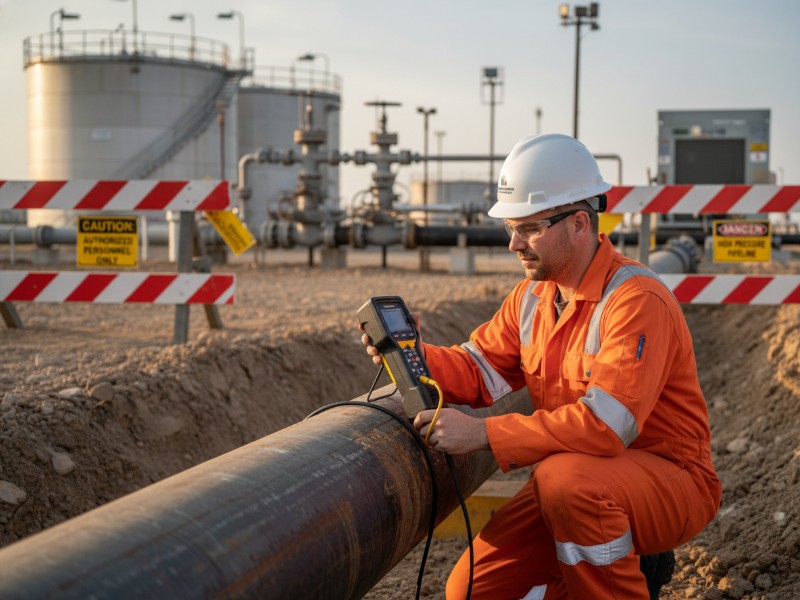
Un ingeniero de campo, vestido con un mono naranja, inspecciona una gran tubería de acero al carbono a la vista utilizando un medidor de espesor por ultrasonidos en unas instalaciones industriales de petróleo y gas.

¿Qué provoca el deterioro de las tuberías con el paso del tiempo? Seis mecanismos principales de fallo

This guide explains the six main causes of pipeline deterioration, how each mechanism works, and how to prevent failure in aging pipeline systems. What causes pipelines to deteriorate over time? Pipelines deteriorate over time due to six primary mechanisms: Among these, corrosion alone accounts for nearly 50% of all pipeline failures globally. Understanding these mechanisms

¿Qué provoca el deterioro de las tuberías con el paso del tiempo? Seis mecanismos principales de fallo Leer Más »

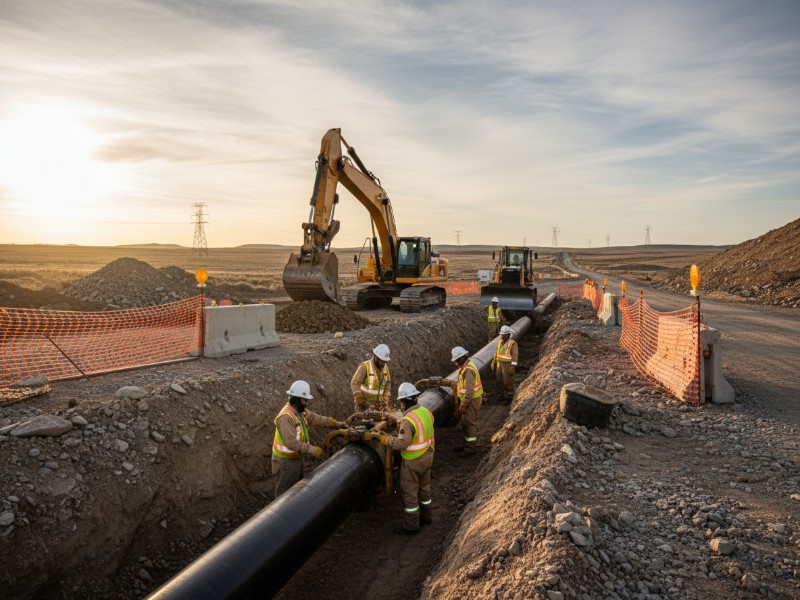
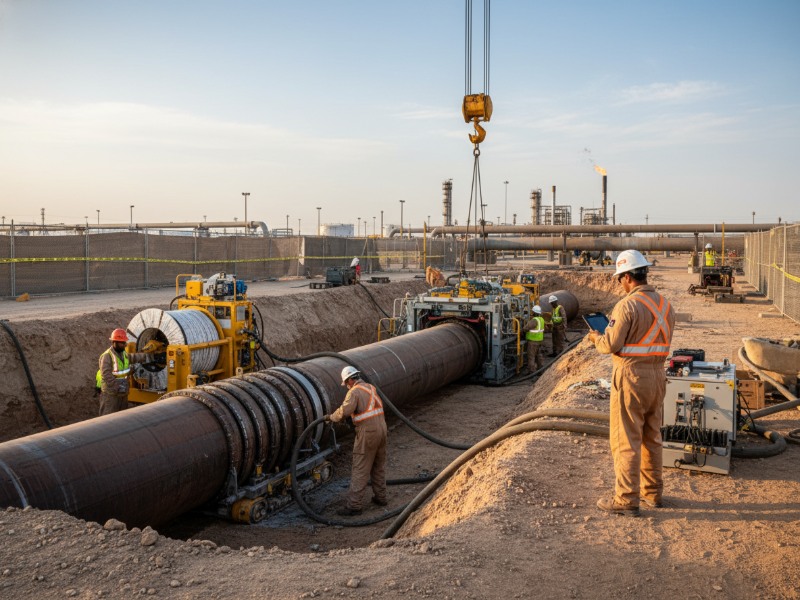
Construction workers in safety gear install a large black pipeline in a wide desert trench. Heavy machinery and safety barriers are visible at the active worksite.

Reparación o sustitución de tuberías: criterios, coste y cuándo reparar

When Should a Pipeline Be Repaired Instead of Replaced? A pipeline repair decision is appropriate when damage is localized, remaining wall thickness exceeds 70–80%, and the expected service life after repair justifies the lower cost compared to replacement. Typical cases include isolated pitting corrosion, single-point leaks, minor mechanical damage from third-party excavation, and gasket or

Reparación o sustitución de tuberías: criterios, coste y cuándo reparar Leer Más »

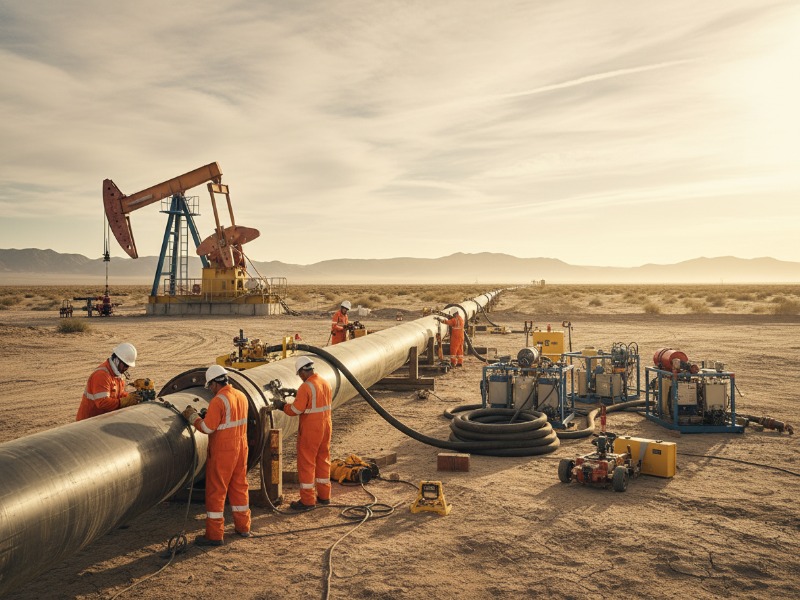
Construction crew in orange safety gear works on a large steel pipeline in the desert, with an oil pump jack under golden hour.

Best Pipeline Rehabilitation Methods: CIPP vs Pipe Bursting vs Slip Lining Guide

Which pipeline rehabilitation method is best? The best pipeline rehabilitation method depends on pipe condition and project goals. CIPP lining is ideal for structural repair without excavation, pipe bursting is best for collapsed pipes or diameter expansion, slip lining suits large-diameter low-pressure systems, and spray-applied lining is most cost-effective for corrosion protection. What Are Pipeline

Best Pipeline Rehabilitation Methods: CIPP vs Pipe Bursting vs Slip Lining Guide Leer Más »

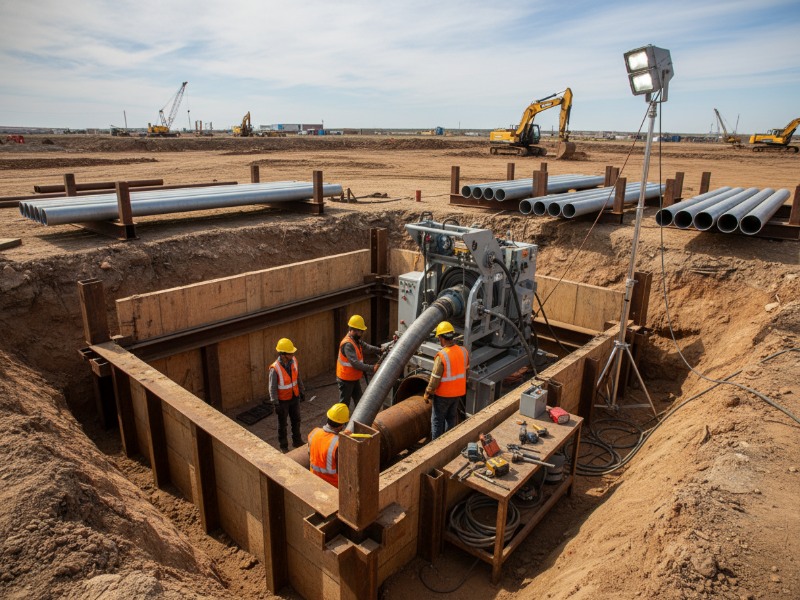
Workers in safety gear performing trenchless oil pipeline rehabilitation in a deep access pit at an industrial construction site under a bright sky.

¿Cómo funciona la rehabilitación de tuberías sin zanja?

Last updated: May 2026 | Based on 500+ trenchless projects and 2024-2026 industry data Reviewed by a licensed Professional Engineer (P.E.) with 15+ years of trenchless pipeline rehabilitation experience and member of NASTT. Is trenchless pipe repair worth it? Yes. Trenchless pipe repair typically reduces costs by 30-60%, shortens project time by 40-70%, and avoids major

¿Cómo funciona la rehabilitación de tuberías sin zanja? Leer Más »

Industrial workers in safety vests and hard hats perform trenchless rehabilitation on a large-diameter steel gas pipeline in a vast open field.

Pipeline Repair vs Rehabilitation

Pipeline repair targets isolated local defects such as cracks or joint leaks without replacing the pipe structure. Pipeline rehabilitation provides continuous structural renewal of an entire pipe segment using trenchless lining methods. The difference between pipeline repair and pipeline rehabilitation is primarily defined by damage scope, structural renewal level, and long-term cost efficiency. Choosing between these approaches depends

Pipeline Repair vs Rehabilitation Leer Más »

Industrial oil and gas pipeline rehabilitation with workers in PPE in a trench, operating repair equipment on a large steel pipe under daylight.

What Is Pipeline Repair & Rehabilitation?

What is pipeline repair and rehabilitation?Pipeline repair and rehabilitation is the process of restoring damaged or aging pipelines using trenchless or minimally invasive methods such as CIPP lining, pipe bursting, and slip lining. These techniques extend pipe lifespan by 30–50 years while reducing costs by 30–60% compared to full excavation. Main pipeline rehabilitation methods include:

What Is Pipeline Repair & Rehabilitation? Leer Más »

Construction workers are welding a large steel pipeline section being lowered into a trench by heavy equipment in a sunny, expansive open field.

Which Pipeline Rehabilitation Method Is Most Cost-Effective?

Cured-in-place pipe (CIPP) is the most cost-effective pipeline rehabilitation method for most municipal and residential pipelines, typically reducing total costs by 30–50% compared to open-cut replacement while delivering a 50+ year service life. However, pipe bursting becomes more cost-effective for collapsed or severely damaged pipelines. Slip lining offers the lowest cost for large-diameter gravity systems

Which Pipeline Rehabilitation Method Is Most Cost-Effective? Leer Más »