
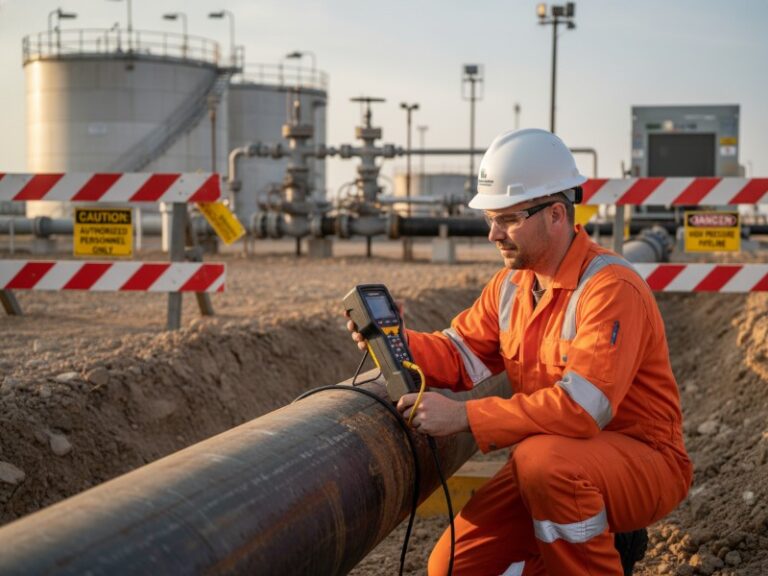
Esta guía explica las seis causas principales del deterioro de las tuberías, cómo funciona cada mecanismo y cómo prevenir fallos en los sistemas de tuberías envejecidos.
¿Qué provoca que las tuberías se deterioren con el paso del tiempo?
Las tuberías se deterioran con el paso del tiempo debido a seis mecanismos principales:
- Corrosión (reacciones químicas internas y externas)
- Fatiga debido a ciclos repetidos de presión
- Daños mecánicos causados por terceros (excavación, impactos)
- Agrietamiento por corrosión bajo tensión (SCC) (estrés y entorno combinados)
- Corrosión de origen microbiológico (MIC) (infección bacteriana)
- Erosión por un flujo a alta velocidad o por partículas abrasivas
De entre ellos, la corrosión por sí sola representa casi el 50% de todas las averías en tuberías a nivel mundial. Comprender estos mecanismos ayuda a los operadores a prevenir fugas, prolongar la vida útil de las instalaciones y reducir los costes de mantenimiento.
En los sistemas de tuberías del mundo real, estos mecanismos de fallo rara vez se producen de forma independiente. La corrosión puede provocar grietas por fatiga, mientras que los daños mecánicos pueden acelerar la corrosión localizada, lo que genera riesgos de fallo combinados.
1. La corrosión en las tuberías (principal causa de averías)
Definición: La corrosión es un proceso electroquímico en el que el metal reacciona con su entorno, lo que provoca una pérdida gradual del espesor de la pared y, finalmente, su fallo.
La corrosión es el mecanismo más habitual de deterioro de las tuberías, ya que provoca la pérdida continua de metal a través de reacciones electroquímicas que tienen lugar tanto en los fluidos internos como en el entorno externo del suelo. Este mecanismo se produce cuando concurren simultáneamente cuatro elementos: un ánodo, un cátodo, un electrolito y una vía de retorno metálica.
Datos estadísticos clave sobre la corrosión:
- La corrosión es la causa de aproximadamente el 50% de todas las averías en las tuberías.
- Las velocidades de corrosión provocadas por el SRB pueden alcanzar entre 1 y 2 mm al año
- Solo en Estados Unidos, la sustitución de las tuberías obsoletas requerirá más de 1 billón de dólares hasta 2030.
Corrosión interna frente a corrosión externa
| Ubicación | Causa principal | Tarifa habitual | Método de prevención |
|---|---|---|---|
| Corrosión interna | CO₂, H₂S, oxígeno disuelto, agua de producción | 0,1–1 mm/año | Inhibidores químicos, selección de materiales |
| Corrosión externa | Humedad del suelo, baja resistividad, corrientes parásitas | 0,1–0,5 mm/año | Protección catódica, recubrimientos |
La corrosión interna está provocada principalmente por el CO₂, el H₂S y el oxígeno disuelto, lo que suele provocar una pérdida de espesor de la pared de entre 0,1 y 1 mm al año. La corrosión externa depende principalmente de las condiciones del suelo, como la humedad, la resistividad y las corrientes parásitas, con tasas típicas de entre 0,1 y 0,5 mm al año.
Causa: Reacción electroquímica entre el metal de la tubería y su entorno
Efecto: Un adelgazamiento progresivo de la pared que provoca fugas o roturas
Solución: Recubrimientos, protección catódica, inhibidores de la corrosión, selección de materiales
Ejemplo real: En los oleoductos marinos, la corrosión interna por CO₂, combinada con la presencia de agua, suele provocar picaduras localizadas que, si no se inhiben adecuadamente, pueden penetrar en la pared de la tubería en menos de cinco años.
2. Fallo por fatiga en tuberías debido a los ciclos de presión
Definición: La fatiga es el agrietamiento progresivo del material de las tuberías debido a las fluctuaciones repetidas de presión a lo largo del tiempo, incluso cuando cada ciclo individual se mantiene dentro de los límites de diseño.
La fatiga provoca fallos en las tuberías al generar grietas microscópicas que se agrandan con los ciclos repetidos de presión hasta que se produce una rotura repentina. A diferencia de la corrosión, que provoca un adelgazamiento gradual de la pared, la fatiga acumula daños microscópicos con cada ciclo de presión.
Cómo avanza la fatiga
- Inicio de la fisura en puntos de concentración de tensiones (bordes de soldadura, picaduras de corrosión, daños mecánicos)
- Propagación de grietas a lo largo del espesor de la pared en cada ciclo de presión
- Fractura rápida cuando la pared restante ya no pueda soportar la presión de funcionamiento
Causa: Las fluctuaciones repetidas de presión provocadas por el arranque de las bombas, el cierre de las válvulas y los cambios en el caudal
Efecto: Daño microscópico acumulado que provoca una fractura frágil repentina
Solución: Control de la presión, inspecciones periódicas, materiales resistentes a la fatiga
Cuando la corrosión y la fatiga interactúan, esta combinación resulta más peligrosa que cualquiera de los dos mecanismos por separado. Esta interacción entre corrosión y fatiga implica que una tubería que podría soportar millones de ciclos de presión en un entorno neutro puede fallar tras unos pocos miles de ciclos cuando las picaduras de corrosión actúan como puntos de inicio de grietas.
3. Daños causados por terceros a las tuberías
Definición: Los daños causados por terceros se refieren a interferencias externas derivadas de actividades de construcción, maquinaria de excavación, impactos de vehículos o actos de vandalismo que provocan la deformación o perforación inmediata de las tuberías.
A diferencia de los mecanismos de degradación dependientes del tiempo, como la corrosión o la fatiga, los daños causados por terceros se producen de forma impredecible y suelen provocar daños graves e inmediatos en las paredes. Las obras de construcción cercanas suponen la mayor amenaza para las tuberías enterradas.
Situaciones habituales de daños mecánicos
- Las cucharas de las excavadoras y las retroexcavadoras provocan abolladuras, surcos o perforaciones
- El tráfico de vehículos pesados provoca la deformación de las tuberías o la separación de las juntas
- Colocación de pilas que provocan tensiones de flexión
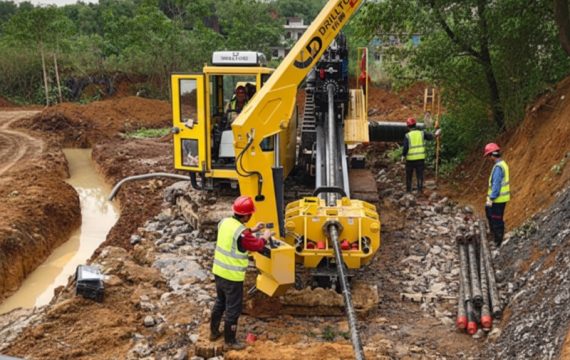
- Equipos de perforación direccional que chocan con líneas existentes
Causa: Fuerza mecánica externa derivada de obras, excavaciones o impactos
Efecto: Abolladuras, hendiduras o perforaciones inmediatas con riesgo de fallo diferido
Solución: Profundidad adecuada de enterramiento, cinta de señalización, sistemas de llamada única, vigilancia de los derechos de paso
Incluso cuando el daño inicial no provoca una fuga inmediata, la concentración de tensiones resultante y el deterioro del recubrimiento crean puntos vulnerables en los que se originarán futuras fallas.
4. Fisuración por corrosión bajo tensión en tuberías (SCC)
Definición: La fisuración por corrosión bajo tensión consiste en la formación de grietas en una tubería provocada por el efecto combinado de la tensión de tracción y un entorno corrosivo específico, y se produce a niveles de tensión muy por debajo de los límites normales de diseño.
El SCC resulta especialmente insidioso porque requiere que se den tres condiciones al mismo tiempo. Si se elimina cualquiera de ellas, el SCC no puede producirse.
Las tres condiciones necesarias para el SCC
- Material susceptible (algunos tipos de acero resultan más vulnerables)
- Tensión de tracción (tensiones operativas aplicadas o tensiones residuales derivadas de la fabricación o la soldadura)
- Entorno corrosivo específico (soluciones de carbonato-bicarbonato con pH alto o con pH casi neutro)
Causa: Tensión de tracción combinada y un entorno corrosivo específico
Efecto: Crecimiento de la grieta a través de la pared de la tubería sin que se produzca un adelgazamiento significativo de la misma
Solución: Reducción del estrés, calidad del recubrimiento, protección catódica, selección de materiales
Existen dos formas distintas de SCC que afectan a las tuberías de acero. El SCC de pH alto se desarrolla a un pH superior a 9 y produce grietas intergranulares. El SCC de pH casi neutro se produce a un pH de entre 6 y 7 y genera grietas transgranulares. Cada forma requiere estrategias de mitigación diferentes.
Mecanismos de daño relacionados con el hidrógeno
Los mecanismos de daño relacionados con el hidrógeno provocan fallos en las tuberías al reducir la ductilidad del acero y generar grietas internas que pueden dar lugar a una rotura repentina.
| Mecanismo | Descripción | Entorno típico |
|---|---|---|
| Fisuración inducida por hidrógeno (HIC) | Ampollas y grietas internas sin aplicación de tensión | Servicio con H₂S en ambiente húmedo |
| Fragilización por hidrógeno | La disminución de la ductilidad provoca una fractura repentina | Sobreprotección catódica |
| Fisuración por tensión de sulfuro (SSC) | Fractura frágil rápida en aceros de alta resistencia | H₂S húmedo + tensión de tracción |
La fisuración inducida por hidrógeno se produce cuando el hidrógeno atómico penetra en la red cristalina del acero y se recombina en las interfaces internas. La fisuración por tensión debida a los sulfuros es uno de los principales problemas de los aceros de alta resistencia en entornos de petróleo y gas ácidos.
5. Corrosión de origen microbiológico (MIC) en tuberías
Definición: La corrosión de origen microbiológico es el deterioro de las tuberías provocado por los subproductos metabólicos de las bacterias —principalmente sulfuro de hidrógeno y ácidos orgánicos— que generan un entorno químico local muy agresivo en la superficie de la tubería.
Los microorganismos no “se comen” directamente el metal. En cambio, las bacterias reductoras de sulfato (SRB) y otras especies relacionadas producen subproductos metabólicos corrosivos directamente en la superficie de la tubería. Se forman biopelículas en la pared de la tubería, lo que mantiene las condiciones corrosivas incluso cuando la composición química del fluido en su conjunto parece inofensiva.
Causa: Subproductos metabólicos bacterianos (H₂S, ácidos orgánicos) en la superficie de la tubería
Efecto: Aparición de picaduras localizadas y pérdida acelerada de material de las paredes bajo las biopelículas
Solución: Tratamiento con biocidas, limpieza con rascadores, integridad del revestimiento, exclusión de oxígeno
Por qué el MIC es especialmente peligroso
- Los datos de campo indican que la corrosión provocada por el SRB puede avanzar a un ritmo de entre 1 y 2 mm al año
- Las tuberías de acero habituales (con un espesor de pared de entre 6 y 12 mm) pueden perforarse en un plazo de entre 3 y 6 años.
- Es posible que los inhibidores de corrosión habituales no penetren eficazmente en las biopelículas
- Para su detección es necesario realizar un análisis especializado de ADN o tomar muestras de la biopelícula.
6. Erosión y corrosión en las tuberías
Definición: La erosión es la eliminación mecánica de las capas protectoras de óxido o del material de la tubería provocada por un flujo a alta velocidad, sólidos en suspensión o condiciones turbulentas en los cambios de dirección.
La erosión es una de las principales causas de averías en las tuberías de los sistemas de alta velocidad, especialmente en los oleoductos y gasoductos que transportan arena, incrustaciones u otras partículas abrasivas. La erosión-corrosión acelera el desgaste en puntos concretos donde los patrones de flujo cambian drásticamente. Este mecanismo resulta más grave en coudes, tes, reductores y válvulas, donde se producen turbulencias e impactos de partículas.
Causa: Flujo a alta velocidad, partículas abrasivas en suspensión y turbulencias en los cambios de dirección
Efecto: Eliminación mecánica de las capas protectoras y del metal base
Solución: Control de la velocidad del flujo, aleaciones resistentes a la erosión, modelización del flujo
Efectos de la velocidad del flujo en el deterioro de las tuberías
- Baja velocidad (< 0,5 m/s): Permite que los sólidos y el agua se asienten, lo que provoca corrosión bajo el depósito
- Velocidad óptima (0,5–3 m/s): Mantiene los sólidos en suspensión sin provocar daños por erosión
- Alta velocidad (> 3 m/s): Provoca erosión y corrosión en los cambios de dirección y en los accesorios
Ejemplo real: En los pozos petrolíferos que producen arena, la erosión en los codos situados aguas abajo puede reducir el espesor de la pared en varios milímetros al año, lo que obliga a realizar inspecciones frecuentes y a sustituir los accesorios afectados.
Cómo detectar cada mecanismo de fallo en las tuberías
| Mecanismo de fallo | Método de detección principal | Herramienta de inspección |
|---|---|---|
| Corrosión (general y por picaduras) | Medición del grosor de las paredes | Limpieza con rongeuses inteligentes MFL y UT |
| Grietas por fatiga | Detección de grietas | EMAT o herramientas de detección de grietas por ultrasonidos |
| Agrietamiento por corrosión bajo tensión (SCC) | Detección de grietas en alta resolución | Matriz en fase UT, EMAT |
| Daños a terceros | Medición geométrica | Pig de pinza, pig geométrico |
| Corrosión de origen microbiológico (MIC) | Muestreo biológico | Muestreo de biopelículas, sondas de control de la corrosión |
| Erosión | Monitorización localizada del espesor | UT en puntos de alto riesgo (codos, derivaciones en T) |
Resumen de los mecanismos de fallo de las tuberías
El deterioro de las tuberías se debe a seis mecanismos principales: corrosión, fatiga, daños causados por terceros, agrietamiento por corrosión bajo tensión, corrosión de origen microbiológico y erosión. Estos mecanismos suelen interactuar entre sí, lo que acelera las tasas de fallo y reduce la vida útil de las tuberías. Para comprender por qué las tuberías fallan con el paso del tiempo, es necesario reconocer que la degradación rara vez se debe a una única causa, sino más bien a una combinación de agresiones mecánicas, químicas y biológicas.
En los sistemas de tuberías del mundo real, estos mecanismos de fallo rara vez se producen de forma independiente. La corrosión puede provocar grietas por fatiga, mientras que los daños mecánicos pueden acelerar la corrosión localizada, lo que genera riesgos de fallo combinados.
Cómo avanza el deterioro con el paso del tiempo
Conocer la evolución temporal del deterioro de las tuberías ayuda a los operadores a planificar de forma eficaz los intervalos de inspección y mantenimiento.
| Años de servicio | Condición típica | Riesgos principales | Medida recomendada |
|---|---|---|---|
| 0-10 años | Alta integridad del recubrimiento, corrosión mínima | Defectos de construcción, daños a terceros | Inspección inicial, verificación del recubrimiento |
| De 10 a 30 años | Comienza la degradación del recubrimiento; corrosión localizada | Corrosión por picaduras, pequeñas grietas por fatiga | Limpieza periódica con robots de inspección, supervisión de la protección catódica |
| 30-50 años | Pérdida acelerada de la pared, propagación de grietas | Corrosión general, inicio de la corrosión por tensión (SCC) | Inspecciones frecuentes, priorización de las reparaciones |
| Más de 50 años | Alta probabilidad de fallo | Múltiples mecanismos que interactúan entre sí | Planificación de la rehabilitación o la sustitución |
Las tuberías de acero suelen diseñarse para una vida útil de unos 50 años, aunque muchas funcionan durante más tiempo si se les realiza un mantenimiento adecuado. Las tasas de averías aumentan aproximadamente un 27 % a medida que envejecen las tuberías, y las averías suelen producirse, de media, tras más de 50 años de servicio. El proceso de envejecimiento de las tuberías se acelera una vez que los recubrimientos se degradan y comienza la corrosión, por lo que es fundamental intervenir a tiempo para prolongar su vida útil.
Preguntas frecuentes: Preguntas sobre el deterioro de las tuberías
P: ¿Qué provoca que las tuberías se deterioren con el paso del tiempo?
R: Las tuberías fallan con el paso del tiempo debido a la corrosión, la fatiga, los daños mecánicos, la fisuración por corrosión bajo tensión, la actividad microbiológica y la erosión, factores que a menudo actúan conjuntamente para debilitar la estructura de la tubería.
P: ¿Cuál es la causa principal de las averías en las tuberías?
R: La corrosión es la causa principal, responsable de aproximadamente el 50 % de las averías en las tuberías en todo el mundo.
P: ¿Cuánto tiempo suelen durar las tuberías de acero?
R: Las tuberías de acero suelen diseñarse para una vida útil de unos 50 años, aunque muchas funcionan durante más tiempo si se les realiza un mantenimiento adecuado.
P: ¿Se pueden reparar las tuberías deterioradas?
R: Sí. Los sistemas de revestimiento compuesto, los manguitos de acero y los revestimientos internos aplicados mediante robots permiten restablecer la integridad de la tubería sin necesidad de sustituirla.
P: ¿Cómo influye el caudal en el deterioro de las tuberías?
R: Un caudal bajo permite que los sólidos se depositen, lo que provoca corrosión bajo los depósitos. Un caudal alto provoca corrosión por erosión en los codos y los accesorios.
P: ¿Influye el material de la tubería en la resistencia al deterioro?
R: Sí. El HDPE, el PVC y la fibra de vidrio ofrecen una resistencia a la corrosión diferente a la del acero al carbono, aunque cada material presenta mecanismos de fallo distintos.
P: ¿Qué es la corrosión por erosión en las tuberías?
R: La corrosión por erosión es la pérdida acelerada de material provocada por un flujo a alta velocidad combinado con partículas abrasivas, y suele producirse en codos, tes y otros cambios de dirección.
Apoyo a la integridad de las tuberías en infraestructuras envejecidas
Comprender los mecanismos de deterioro de las tuberías permite una prevención específica. Nuestros servicios están diseñados para abordar todos los principales mecanismos de fallo de las tuberías, entre ellos la corrosión, la fatiga, la corrosión bajo tensión (SCC) y la erosión, lo que ayuda a los operadores a prolongar la vida útil de las tuberías y a reducir el riesgo de fallos.
Casos de uso habituales:
- Tuberías envejecidas con defectos de corrosión activos que requieren reparaciones técnicas
- Situaciones de fuga de emergencia que requieren una intervención inmediata
- Tuberías que requieren una prolongación de su vida útil más allá de los 30-50 años de servicio
- Evaluaciones de integridad previas a la construcción para el reubicación de tuberías antiguas
Nuestras competencias clave:
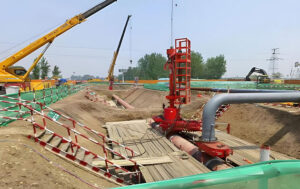
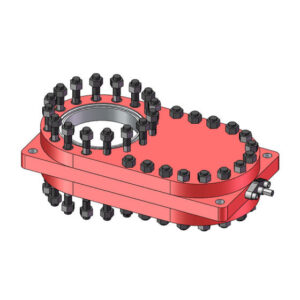
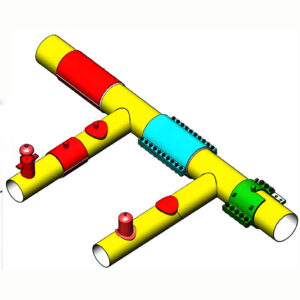
Servicios de conexión en caliente y cierre de tuberías – Intervenciones en tuberías a presión de hasta 48 pulgadas de diámetro sin interrupción alguna del servicio. El diseño de cada accesorio se ajusta a los cálculos de la norma ASME PCC-2 en lo que respecta al refuerzo de las derivaciones y a la distribución de tensiones.
Sistemas de reparación de materiales compuestos – Revestimientos diseñados específicamente para tramos de tubería corroídos. Los ingenieros de JSW calculan el espesor necesario del laminado en función de la presión de funcionamiento, la geometría de la tubería, las dimensiones del defecto y los requisitos relativos a la vida útil restante.
Inspección y análisis de tuberías – Flota de pistones inteligentes que incluye herramientas MFL, UT y EMAT, capaces de detectar la pérdida de espesor de las paredes, grietas y anomalías geométricas en una sola pasada.
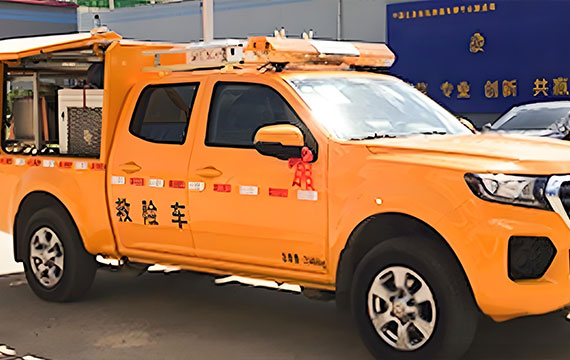
Reparación de fugas de emergencia – Respuesta las 24 horas del día, los 7 días de la semana, ante amenazas urgentes a la integridad.
Por qué los propietarios de activos eligen JSW:
- Ingenieros profesionales (PE) de nuestra plantilla que revisan cada proyecto de reparación
- Supervisión remota en tiempo real durante todas las operaciones de intervención
- Garantía estándar de 5 años para reparaciones de materiales compuestos
- Cero accidentes con baja laboral en más de 500 días consecutivos de proyecto
Póngase en contacto con el equipo de ingeniería de integridad de JSW para obtener una evaluación del deterioro de las tuberías y recomendaciones de reparación priorizadas basadas en cálculos de vida útil restante.









 English
  Arabic
  Russian
  Spanish
  French
  Vietnamese
  Polish
  Thai
Thai  Indonesian
  Turkish
  Portuguese