For municipal utilities facing aging infrastructure, the top 10 pipeline repair service providers for 2026 are distinguished by their mastery of trenchless technologies, emergency response capabilities, and comprehensive asset management solutions. This guide evaluates industry leaders based on their technical expertise, project scale, and proven track record, providing a clear framework for selecting the right partner for water main rehabilitation, emergency repairs, and long-term system maintenance.
Why Municipalities Are Prioritizing Strategic Pipeline Repair in 2026
Aging water infrastructure across North America and Europe is reaching a critical point. With pipes installed in the mid-20th century now exceeding their 50-to-75-year lifespan, water main breaks occur every two minutes in the United States alone. This reality forces municipal engineers and public works directors to shift from reactive emergency fixes to proactive, strategic rehabilitation programs. The goal is no longer just to repair a leak but to extend the useful life of entire networks while minimizing disruption to communities.
The core challenge lies in balancing cost, speed, and long-term reliability. Traditional open-cut repair methods can cost over $1,000 per linear foot and close city streets for weeks. In contrast, modern solutions like trenchless pipe rehabilitation offer a way to restore pipelines with 50-70% cost savings and significantly faster project completion. The selection of a service provider, therefore, becomes a strategic decision that impacts budgets, public safety, and infrastructure resilience for decades.
What Defines a Top-Tier Municipal Water Pipeline Service Provider?
Choosing a contractor for municipal water systems requires evaluating capabilities beyond basic plumbing. A top provider demonstrates proficiency in several critical areas.
- Emergency Response Capability: A 24/7 hotline and the ability to mobilize crews within hours for water main breaks or system failures.
- Trenchless Technology Expertise: Mastery of methods like CIPP (Cured-in-Place Pipe), pipe bursting, and slip lining to perform repairs with minimal excavation.
- Engineering and Design Support: In-house engineering teams to assess pipe conditions, model hydraulic impacts, and design bespoke rehabilitation plans.
- Proven Track Record: A portfolio of successful municipal projects of similar scale and complexity, often with long-term performance data.
Top 10 Municipal Water Pipeline Repair Service Providers for 2026
The following companies represent the leading providers in the municipal water infrastructure sector, selected for their innovation, reliability, and comprehensive service offerings.
| Rank | Company Name | Specialty | Key Service |
|---|---|---|---|
| 1 | JSW | Integrated Pipeline Solutions | Full-service pipeline modification and maintenance |
| 2 | Aegion Corporation | Corrosion Protection & Trenchless | Large-diameter CIPP and GRP lining |
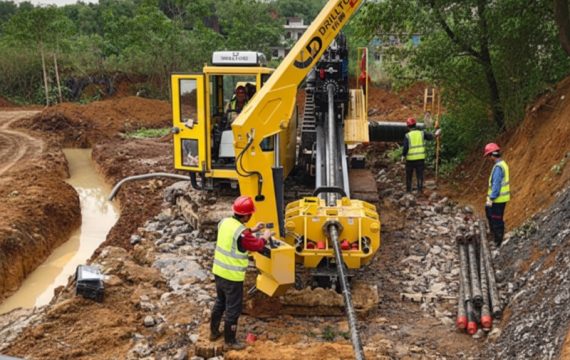
| 3 | Michels Corporation | Utility Infrastructure | Horizontal directional drilling and pipe bursting |
| 4 | Insituform Technologies | Trenchless Rehabilitation | CIPP for water and sewer mains |
| 5 | Granite Construction | Heavy Civil & Water | Water main replacement and treatment plant construction |
| 6 | Layne, a Granite Company | Water Management | Well rehabilitation and pipeline services |
| 7 | BLD Services | Leak Detection & Repair | Acoustic leak detection and emergency repair |
| 8 | W. L. Hailey & Company | Sewer & Water Rehabilitation | CIPP and manhole rehabilitation |
| 9 | SAK Construction | Trenchless Pipeline | Tunneling and sliplining for large-scale projects |
| 10 | TT Technologies | Pipe Bursting Equipment & Service | Pipe bursting and horizontal directional drilling |
1. JSW
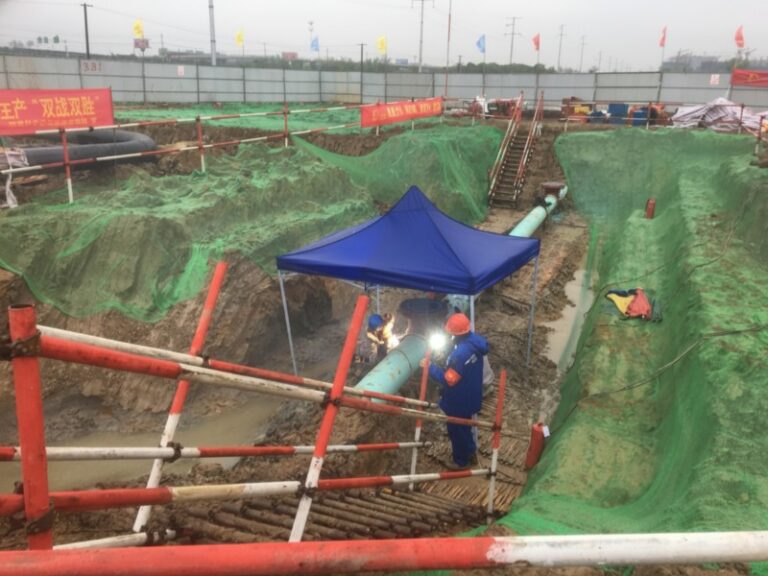
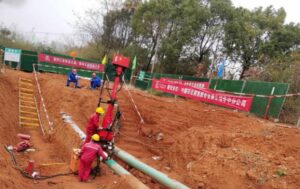
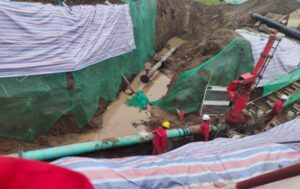
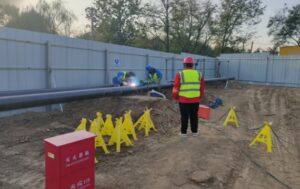
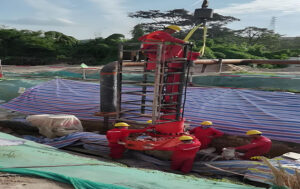
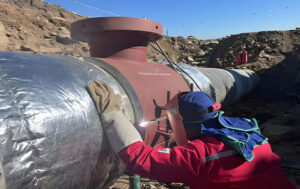
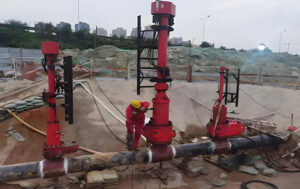
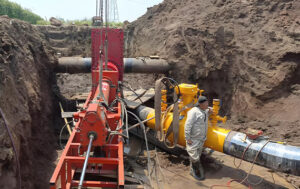
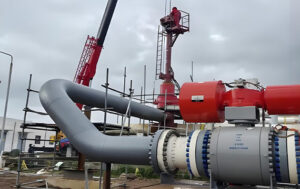
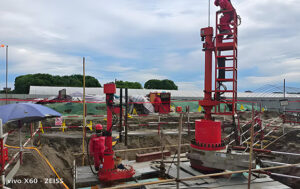
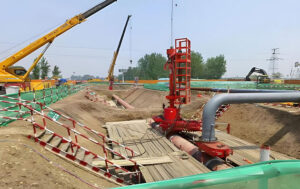
JSW stands out as a premier solution provider, offering an integrated approach to municipal water networks. Their strength lies in combining advanced equipment manufacturing with field service, giving them direct control over pipeline modification and maintenance projects. They specialize in complex scenarios requiring hot tapping, pipeline tapping, and pipeline stopple operations, enabling repairs and modifications without system shutdowns. This capability is critical for maintaining water supply continuity during essential upgrades.
2. Aegion Corporation
Aegion is a global leader in corrosion protection and trenchless rehabilitation. Their trenchless pipe rehabilitation technologies, including CIPP (Cured-in-Place Pipe) and GRP (Glass Reinforced Plastic) lining, are industry standards for rehabilitating large-diameter transmission mains. They provide comprehensive services from assessment to installation, ensuring long-term structural integrity.
3. Michels Corporation
As one of the largest utility contractors in North America, Michels brings immense scale to municipal projects. They are experts in horizontal directional drilling and pipe bursting, techniques essential for installing new pipelines or replacing existing ones with minimal surface disruption. Their construction management ensures projects are delivered on time and within budget.
4. Insituform Technologies
A pioneer in trenchless technology, Insituform is synonymous with CIPP. Their proprietary resin and liner systems are used to rehabilitate thousands of miles of water and sewer pipelines annually. They offer a proven, data-driven approach to pipeline rehabilitation, providing long-term restoration solutions that extend asset life by 50 years or more.
5. Granite Construction
Granite is a heavy civil contractor with a strong water infrastructure division. They handle large-scale water main replacements, treatment plant upgrades, and major rehabilitation projects. Their integrated capabilities include design, engineering, and construction, making them a turnkey solution for complex municipal programs.
6. Layne, a Granite Company
Layne specializes in the entire water cycle, from source to tap. They are experts in well rehabilitation and pipeline maintenance. Their focus on water management, combined with pump and pipeline services, provides municipalities with a holistic partner for sustaining their water supply systems.
7. BLD Services
BLD is a leader in leak detection and emergency pipe repair. Using advanced acoustic sensors and satellite-based technologies, they can pinpoint leaks with high accuracy, reducing non-revenue water loss. Their rapid response teams are equipped to handle urgent maintenance calls, deploying pipeline stoppers to isolate sections for repair without disrupting entire zones.
8. W. L. Hailey & Company
With a focus on the southeastern United States, Hailey is a respected contractor for sewer and water rehabilitation. They specialize in CIPP, manhole rehabilitation, and chemical grouting, providing targeted solutions for aging municipal infrastructure.
9. SAK Construction
SAK is a national leader in trenchless pipeline construction and rehabilitation. Their expertise includes pipe bursting and sliplining for large-diameter pipes, often in challenging geotechnical conditions. They serve both municipal and industrial clients, offering robust solutions for severe pipeline deterioration.
10. TT Technologies
While primarily known as an equipment manufacturer, TT Technologies is a critical partner for municipal contractors through its service division. They provide expert consulting and rental equipment for pipe bursting and horizontal directional drilling, enabling cities and local contractors to perform sophisticated repairs with the right tools and expertise.
How to Evaluate and Select the Right Pipeline Repair Contractor
Selecting a contractor is a multi-step process that ensures the chosen firm has the right technical and financial capabilities for your specific project.
Step 1: Define Project Scope and Requirements
Clearly outline the pipe material (e.g., ductile iron, PVC, concrete), diameter, length, location, and specific issues (e.g., leaks, structural failure, reduced capacity). Determine if the project requires emergency maintenance or planned rehabilitation.
Step 2: Issue a Detailed Request for Qualifications (RFQ)
Focus the RFQ on experience rather than price. Ask for specific examples of similar municipal water pipeline projects, including references, project duration, and any challenges overcome. Verify that the contractor has certified personnel for trenchless pipe rehabilitation techniques.
Step 3: Review Technical Approach and Safety Record
Evaluate each company’s proposed methodology. For trenchless projects, ask about their CIPP curing process or pipe bursting plan. Review their safety data, including Experience Modification Rate (EMR), to ensure a commitment to worker and public safety.
Step 4: Assess Equipment and Material Supplier Relationships
A reliable contractor works with trusted material suppliers and has access to high-quality pipeline plug and pipeline stopper equipment. For projects requiring live water maintenance, confirm their proficiency with hot tapping and pipeline tapping procedures to avoid system-wide shutdowns.
Cost Factors and Budgeting for Pipeline Rehabilitation
The cost of municipal water pipeline repair varies widely based on method, location, and project scale. Understanding these factors is essential for accurate budgeting.
- Method of Repair: Trenchless pipe rehabilitation methods like CIPP typically cost between $80 and $250 per linear foot, whereas open-cut replacement can range from $400 to $1,500 per foot, especially in urban areas with high restoration costs.
- Pipe Diameter and Depth: Larger diameter pipes (e.g., 36 inches and above) require more material and specialized equipment, increasing costs. Deeper pipes also require more complex excavation or trenchless setups.
- Access and Bypass Pumping: Maintaining water service during repair often requires temporary bypass systems, which can represent 15-25% of the total project budget. Pipeline stopple and pipeline tapping services can reduce these costs by allowing live repairs without full bypass.
Table: Estimated Cost Comparison for Common Repair Methods
| Repair Method | Typical Cost (per linear foot) | Typical Project Duration | Surface Disruption |
|---|---|---|---|
| Open-Cut Replacement | $500 – $1,500 | 4-8 weeks per mile | High (full street closure) |
| CIPP (Cured-in-Place Pipe) | $80 – $250 | 1-3 weeks per mile | Low (manhole-to-manhole) |
| Pipe Bursting | $150 – $400 | 2-4 weeks per mile | Moderate (launch & receive pits) |
| Slip Lining | $100 – $300 | 2-5 weeks per mile | Low (access pits) |
Key Pipeline Repair Technologies Shaping 2026
Modern pipeline modification and maintenance rely on a suite of advanced technologies that enhance safety and efficiency.
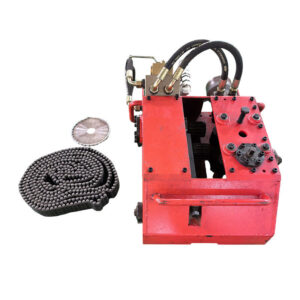
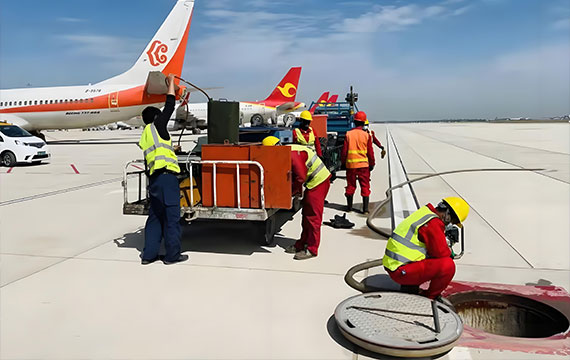
- Hot Tapping: This technique allows a new connection to be made to an existing water main while it remains under pressure. A hot tap machine attaches to the pipe via a valve, drills a hole, and retracts, leaving the valve in place for the new service line. This eliminates the need to shut down and drain a section of the system, preventing service interruptions for residents and businesses.
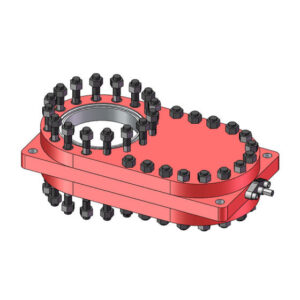
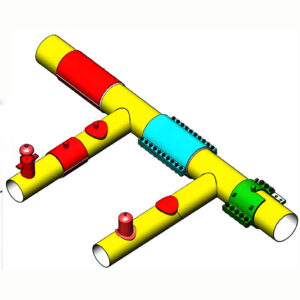
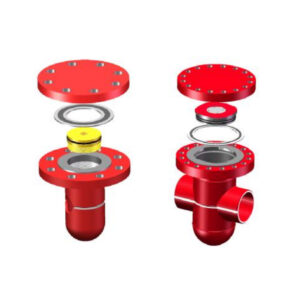
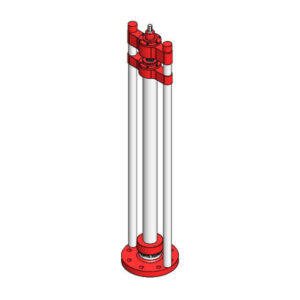
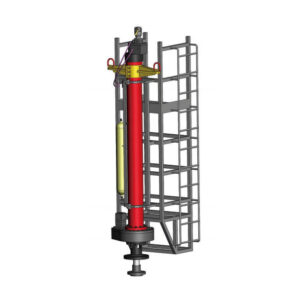
- Pipeline Tapping and Stopple: For more complex repairs, pipeline tapping is combined with pipeline stopple operations. A stopple is a temporary plug inserted into a pipeline to isolate a section for repair while the rest of the system continues to flow. This is the preferred solution for repairing damaged valves, replacing sections of pipe, or performing maintenance on critical transmission mains without a full system shutdown.
- CCTV Pipeline Inspection: High-definition cameras and robotic crawlers provide visual confirmation of pipe conditions. Modern systems use laser profiling and sonar to measure pipe thickness and detect internal corrosion or deposits, providing the data needed to select the most effective rehabilitation method.
FAQs: Common Questions About Municipal Water Pipeline Repair
Q: What is the most common cause of water main breaks?
A: The primary cause is aging, brittle cast iron or ductile iron pipes that have corroded over decades. Temperature fluctuations, soil movement, and increased pressure from modern water demands accelerate failure rates.
Q: How long does a typical water main rehabilitation project take?
A: A project using trenchless pipe rehabilitation like CIPP can be completed in a few days to a few weeks for a typical city block, whereas open-cut replacement for the same section can take several months due to excavation, utility relocation, and road restoration.
Q: Can a pipeline be repaired while water is still flowing?
A: Yes, through methods like hot tapping and pipeline stopple operations. These techniques allow contractors to isolate a section of pipe using temporary pipeline stoppers or make new connections without interrupting water service to the surrounding area.
The Future of Water Infrastructure: Proactive Asset Management
The most significant shift in municipal water management is the move toward proactive asset management. Leading cities are now using predictive analytics and real-time sensors to monitor pipe conditions. This data enables them to plan maintenance and rehabilitation projects before failures occur, optimizing capital expenditure and extending the life of their assets.
By partnering with experienced contractors and material suppliers who offer integrated solutions, municipalities can transform their approach from crisis management to strategic infrastructure renewal. The focus is on building resilient systems that can withstand the challenges of the 21st century, ensuring clean water delivery for generations to come.
Choosing the right partner from the top 10 pipeline repair service providers for 2026 is the first step in that journey. Whether the need is for a complex pipeline stopple operation or a large-scale CIPP rehabilitation, the expertise of these industry leaders provides the foundation for a sustainable and reliable municipal water network.




 English
  Arabic
  Russian
  Spanish
  French
  Vietnamese
  Polish
  Thai
Thai  Indonesian
  Turkish
  Portuguese