
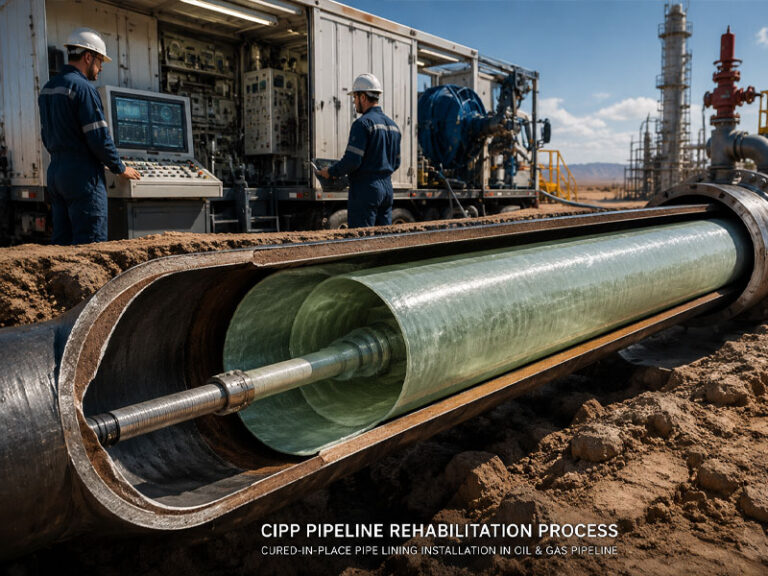
A pipeline repair quote is an itemized cost breakdown covering inspection, repair method, materials, labor, and site conditions provided by a contractor.
To get a quote, you can contact specialized contractors directly, use online product configurators for instant estimates, or submit project details through industry platforms. This guide provides a step-by-step framework to help you request, compare, and evaluate accurate quotes for pipeline repair and rehabilitation projects.
What Is a Pipeline Repair Quote?
A pipeline repair quote is an itemized cost breakdown covering inspection, repair method, materials, labor, and site conditions provided by a contractor.
It serves as a formal proposal that outlines the total financial and operational scope of a pipeline rehabilitation project. Unlike a simple estimate, a quote is typically binding for a set period and serves as the basis for a final contract.
A pipeline repair quote typically includes:
- Inspection and diagnostics costs (CCTV or robotic surveys)
- Repair method selection (CIPP, slip lining, SIPP, or point repair)
- Material and liner costs (resin, epoxy, or pipe-in-liner)
- Labor and equipment charges (crew size, working hours, machinery)
- Site restoration and traffic control (if applicable)
What Is Included in a Pipeline Repair Quote?
A pipeline repair quote includes inspection, cleaning, rehabilitation method, installation, testing, and warranty terms.
A comprehensive quote provides a line-item breakdown of every phase of the repair process, ensuring complete cost transparency.
Key components of a detailed quote:
| Component | Description |
|---|---|
| Pre-Inspection | CCTV or robotic inspection to assess pipe condition and locate damage. |
| Pipe Cleaning | Descaling, hydro-jetting, or mechanical cleaning to prepare the pipe surface. |
| Rehabilitation Method | Specified technique (e.g., CIPP, slip lining, SIPP) with material specifications. |
| Installation | Labor, equipment setup, and application process. |
| Post-Repair Testing | Pressure testing, leak detection, and final inspection. |
| Warranty | Coverage period, terms, and conditions. |
Example: A typical quote for a 500-foot CIPP installation will separate resin costs, liner material, crew mobilization, and curing time, providing a clear financial picture for each stage.
How Much Does Pipeline Repair Cost in 2026?
Pipeline repair costs vary based on pipe condition, diameter, repair method, and site accessibility.
Pipeline Repair Cost (2026) – Average per linear foot:
| Method | Cost Range | Best Application |
|---|---|---|
| Cured-in-Place Pipe (CIPP) | $80 – $250 / ft | Structural damage, cracks, root intrusion |
| Slip Lining | $60 – $150 / ft | Large-diameter pipes, structural renewal |
| Spray-in-Place Pipe (SIPP) | $50 – $120 / ft | Corrosion protection, sealing leaks |
| Point Repair | $200 – $500 / point | Isolated local damage, joint repairs |
💡 Key Insight: According to industry analysis, trenchless rehabilitation can cost approximately 90% less than traditional open-cut replacement in complex urban environments.
Pipeline repair costs depend on 5 main factors:
- Pipe Material: Steel, concrete, PVC, or cast iron (each has different repair complexity).
- Pipe Diameter: Larger diameters require more material and labor.
- Damage Severity: Cracks vs. full structural collapse affect method selection.
- Access Conditions: Pipes under buildings or highways increase setup costs.
- Repair Method: Trenchless methods generally have higher upfront material costs but lower surface restoration expenses.
How to Get a Pipeline Repair Quote (Step-by-Step)
To get an accurate quote, contact a contractor, provide pipe details, schedule an inspection, receive a written estimate, and compare multiple quotes.
Steps to get a pipeline repair quote:
- Contact a contractor. Reach out via phone, website, or online platform.
- Provide pipe details. Share material, diameter, length, and location.
- Schedule inspection. Authorize a CCTV or robotic assessment.
- Receive written estimate. Review the detailed scope and cost breakdown.
- Compare multiple quotes. Request at least 2–3 proposals to find the best value.
Pipeline Repair Cost by Method
The repair method recommended in your quote significantly impacts both cost and longevity.
| Method | Typical Cost | Expected Lifespan | Key Advantage |
|---|---|---|---|
| Cured-in-Place Pipe (CIPP) | $80 – $250 / ft | 50+ years | Structural reinforcement |
| Slip Lining | $60 – $150 / ft | 30–50 years | Cost-efficient for large diameters |
| Spray-in-Place Pipe (SIPP) | $50 – $120 / ft | 20–30 years | Fast application, corrosion protection |
| Point Repair | $200 – $500 / point | Short-term / Interim | Targeted fix for localized damage |
Expert Note: For severely compromised pipelines, replacement might be more cost-effective over the long term, even if the initial repair quote appears cheaper.
Pipeline Repair Methods Comparison
Selecting the right method depends on the specific damage type, pipe condition, and project goals.
| Situation | Best Method | Why |
|---|---|---|
| Cracked or fractured pipes | CIPP | Provides structural reinforcement and seals cracks effectively. |
| Large-diameter pipes (> 20″) | Slip Lining | Cost-efficient for scaling up; minimal surface disruption. |
| Minor leaks or corrosion | SIPP | Fast application; creates a protective barrier against future degradation. |
| Isolated local damage | Point Repair | Targeted fix; lower cost and shorter downtime for small sections. |
| Severe structural collapse | Pipe Replacement | Long-term solution when rehabilitation is not feasible. |
How to Compare Pipeline Repair Quotes
To ensure your final choice is data-driven, use a systematic checklist when evaluating proposals.
Quote Evaluation Checklist:
- Scope Clarity: Does it list all phases (inspection, cleaning, rehab, testing)?
- Warranty Coverage: Length and conditions (e.g., annual inspections required).
- Change Order Policy: How are unforeseen conditions (like pipe collapse) handled?
- Payment Structure: Deposit percentage and milestone payments.
- Timeline: Realistic project duration, including curing and drying time.
Frequently Asked Questions (FAQ)
Q: How long does it take to get a pipeline repair quote?
A: 1–5 business days depending on inspection requirements.
Q: Are pipeline repair quotes free?
A: Most contractors provide free initial quotes. Extensive CCTV inspections may incur a fee, often credited toward the project.
Q: What if I only need a repair for a small section?
A: Point repair is suitable for isolated damage and typically requires a simpler, faster quote process.
Q: Can I get a quote for multiple repair methods?
A: Yes. Reputable contractors or online configurators can recommend multiple methods for comparison.
Q: Why are trenchless quotes sometimes higher upfront?
A: Trenchless methods have higher material costs (resin, liners) but significantly lower surface restoration costs, often making them more cost-effective long-term.
Key Takeaways
- Pipeline repair quotes include inspection, materials, labor, and repair method selection.
- Costs vary by pipe condition, diameter, accessibility, and chosen method.
- Trenchless methods reduce surface restoration costs and are often more cost-effective long-term.
- Comparing multiple quotes improves cost efficiency and decision-making accuracy.
Pipeline Asset Management Expertise
JSW provides pipeline inspection and rehabilitation services for industrial and energy pipeline systems. Services include CIPP lining, slip lining, and trenchless repair technologies supported by CCTV inspection and engineering evaluation.
For a detailed project assessment and quote, contact JSW to discuss your specific pipeline requirements.
A pipeline repair quote is an itemized cost breakdown covering inspection, repair method, materials, labor, and site conditions provided by a contractor.
To get a quote, you can contact specialized contractors directly, use online product configurators for instant estimates, or submit project details through industry platforms. This guide provides a step-by-step framework to help you request, compare, and evaluate accurate quotes for pipeline repair and rehabilitation projects.
What Is a Pipeline Repair Quote?
A pipeline repair quote is an itemized cost breakdown covering inspection, repair method, materials, labor, and site conditions provided by a contractor.
It serves as a formal proposal that outlines the total financial and operational scope of a pipeline rehabilitation project. Unlike a simple estimate, a quote is typically binding for a set period and serves as the basis for a final contract.
A pipeline repair quote typically includes:
- Inspection and diagnostics costs (CCTV or robotic surveys)
- Repair method selection (CIPP, slip lining, SIPP, or point repair)
- Material and liner costs (resin, epoxy, or pipe-in-liner)
- Labor and equipment charges (crew size, working hours, machinery)
- Site restoration and traffic control (if applicable)
What Is Included in a Pipeline Repair Quote?
A pipeline repair quote includes inspection, cleaning, rehabilitation method, installation, testing, and warranty terms.
A comprehensive quote provides a line-item breakdown of every phase of the repair process, ensuring complete cost transparency.
Key components of a detailed quote:
| Component | Description |
|---|---|
| Pre-Inspection | CCTV or robotic inspection to assess pipe condition and locate damage. |
| Pipe Cleaning | Descaling, hydro-jetting, or mechanical cleaning to prepare the pipe surface. |
| Rehabilitation Method | Specified technique (e.g., CIPP, slip lining, SIPP) with material specifications. |
| Installation | Labor, equipment setup, and application process. |
| Post-Repair Testing | Pressure testing, leak detection, and final inspection. |
| Warranty | Coverage period, terms, and conditions. |
Example: A typical quote for a 500-foot CIPP installation will separate resin costs, liner material, crew mobilization, and curing time, providing a clear financial picture for each stage.
How Much Does Pipeline Repair Cost in 2026?
Pipeline repair costs vary based on pipe condition, diameter, repair method, and site accessibility.
Pipeline Repair Cost (2026) – Average per linear foot:
| Method | Cost Range | Best Application |
|---|---|---|
| Cured-in-Place Pipe (CIPP) | $80 – $250 / ft | Structural damage, cracks, root intrusion |
| Slip Lining | $60 – $150 / ft | Large-diameter pipes, structural renewal |
| Spray-in-Place Pipe (SIPP) | $50 – $120 / ft | Corrosion protection, sealing leaks |
| Point Repair | $200 – $500 / point | Isolated local damage, joint repairs |
💡 Key Insight: According to industry analysis, trenchless rehabilitation can cost approximately 90% less than traditional open-cut replacement in complex urban environments.
Pipeline repair costs depend on 5 main factors:
- Pipe Material: Steel, concrete, PVC, or cast iron (each has different repair complexity).
- Pipe Diameter: Larger diameters require more material and labor.
- Damage Severity: Cracks vs. full structural collapse affect method selection.
- Access Conditions: Pipes under buildings or highways increase setup costs.
- Repair Method: Trenchless methods generally have higher upfront material costs but lower surface restoration expenses.
How to Get a Pipeline Repair Quote (Step-by-Step)
To get an accurate quote, contact a contractor, provide pipe details, schedule an inspection, receive a written estimate, and compare multiple quotes.
Steps to get a pipeline repair quote:
- Contact a contractor. Reach out via phone, website, or online platform.
- Provide pipe details. Share material, diameter, length, and location.
- Schedule inspection. Authorize a CCTV or robotic assessment.
- Receive written estimate. Review the detailed scope and cost breakdown.
- Compare multiple quotes. Request at least 2–3 proposals to find the best value.
Pipeline Repair Cost by Method
The repair method recommended in your quote significantly impacts both cost and longevity.
| Method | Typical Cost | Expected Lifespan | Key Advantage |
|---|---|---|---|
| Cured-in-Place Pipe (CIPP) | $80 – $250 / ft | 50+ years | Structural reinforcement |
| Slip Lining | $60 – $150 / ft | 30–50 years | Cost-efficient for large diameters |
| Spray-in-Place Pipe (SIPP) | $50 – $120 / ft | 20–30 years | Fast application, corrosion protection |
| Point Repair | $200 – $500 / point | Short-term / Interim | Targeted fix for localized damage |
Expert Note: For severely compromised pipelines, replacement might be more cost-effective over the long term, even if the initial repair quote appears cheaper.
Pipeline Repair Methods Comparison
Selecting the right method depends on the specific damage type, pipe condition, and project goals.
| Situation | Best Method | Why |
|---|---|---|
| Cracked or fractured pipes | CIPP | Provides structural reinforcement and seals cracks effectively. |
| Large-diameter pipes (> 20″) | Slip Lining | Cost-efficient for scaling up; minimal surface disruption. |
| Minor leaks or corrosion | SIPP | Fast application; creates a protective barrier against future degradation. |
| Isolated local damage | Point Repair | Targeted fix; lower cost and shorter downtime for small sections. |
| Severe structural collapse | Pipe Replacement | Long-term solution when rehabilitation is not feasible. |
How to Compare Pipeline Repair Quotes
To ensure your final choice is data-driven, use a systematic checklist when evaluating proposals.
Quote Evaluation Checklist:
- Scope Clarity: Does it list all phases (inspection, cleaning, rehab, testing)?
- Warranty Coverage: Length and conditions (e.g., annual inspections required).
- Change Order Policy: How are unforeseen conditions (like pipe collapse) handled?
- Payment Structure: Deposit percentage and milestone payments.
- Timeline: Realistic project duration, including curing and drying time.
Frequently Asked Questions (FAQ)
Q: How long does it take to get a pipeline repair quote?
A: 1–5 business days depending on inspection requirements.
Q: Are pipeline repair quotes free?
A: Most contractors provide free initial quotes. Extensive CCTV inspections may incur a fee, often credited toward the project.
Q: What if I only need a repair for a small section?
A: Point repair is suitable for isolated damage and typically requires a simpler, faster quote process.
Q: Can I get a quote for multiple repair methods?
A: Yes. Reputable contractors or online configurators can recommend multiple methods for comparison.
Q: Why are trenchless quotes sometimes higher upfront?
A: Trenchless methods have higher material costs (resin, liners) but significantly lower surface restoration costs, often making them more cost-effective long-term.
Key Takeaways
- Pipeline repair quotes include inspection, materials, labor, and repair method selection.
- Costs vary by pipe condition, diameter, accessibility, and chosen method.
- Trenchless methods reduce surface restoration costs and are often more cost-effective long-term.
- Comparing multiple quotes improves cost efficiency and decision-making accuracy.
Pipeline Asset Management Expertise
JSW provides pipeline inspection and rehabilitation services for industrial and energy pipeline systems. Services include CIPP lining, slip lining, and trenchless repair technologies supported by CCTV inspection and engineering evaluation.
For a detailed project assessment and quote, contact JSW to discuss your specific pipeline requirements.







 English
  Arabic
  Russian
  Spanish
  French
  Vietnamese
  Polish
  Thai
Thai  Indonesian
  Turkish
  Portuguese