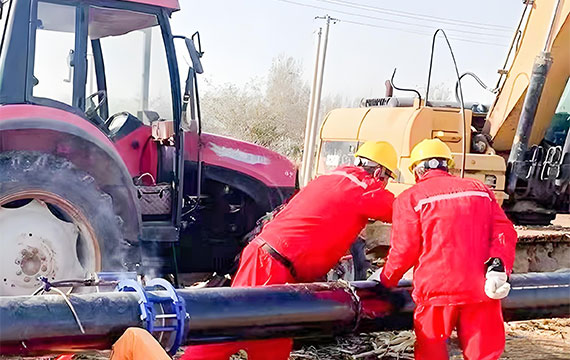
Workers setting up hot tapping equipment for live intervention on DN400 L415 natural gas pipeline during relocation project (Fuzhou, 2023)

How does ultrasonic testing identify the need for immediate pipe repair?

Ultrasonic testing identifies the need for immediate pipe repair by precisely measuring the remaining wall thickness and detecting localized corrosion, pitting, or cracks that have reduced the pipe’s structural integrity below safe operating thresholds. This non-destructive method works by propagating high-frequency sound waves through the pipe wall and analyzing the

Read More »
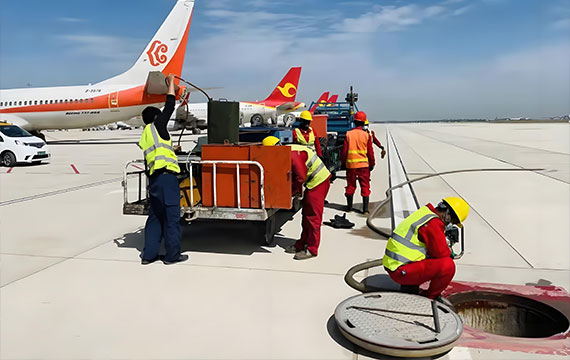
Workers assembling dual block-and-bleed plugging equipment on DN400 high-pressure natural gas pipeline (Fuzhou pipeline relocation project, 2023)

What are the common signs of internal corrosion in subsea pipelines?

Internal corrosion in subsea pipelines manifests through measurable production changes, inspection data anomalies, and physical indicators that include increased water cut, wall thickness loss detected by ultrasonic surveys, localized pitting in bends, and unexpected pressure or flow variations across the pipeline system. The challenge of detecting internal corrosion lies in

Read More »
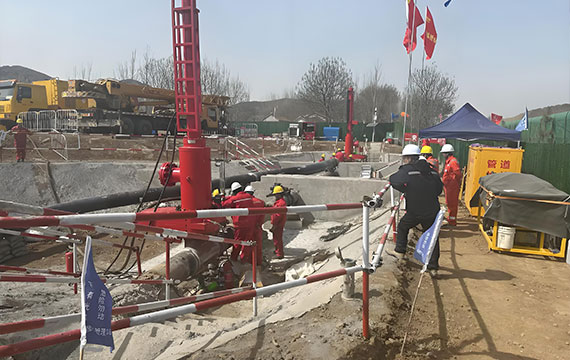
Preparation for pipeline bypass installation after hot tapping on DN400 natural gas pipeline (highway expansion relocation project, 2023)

How do bypass pumping systems integrate with pipeline repair services?

Bypass pumping systems integrate with pipeline repair services by temporarily diverting fluid flow around the section undergoing maintenance, creating a dry work environment while maintaining uninterrupted service to downstream customers. This integration requires coordinated planning between pumping contractors and repair crews, proper equipment sizing based on flow rates, strategic placement

Read More »
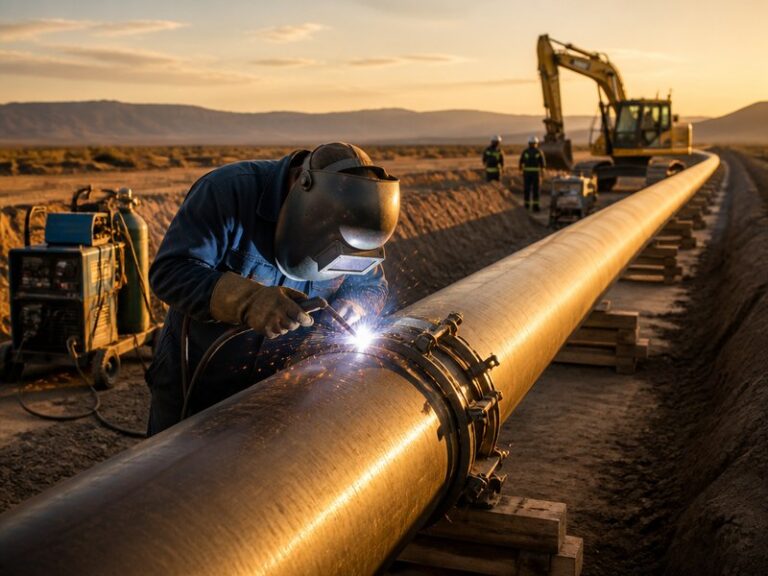
Welding pipe fittings for hot tapping equipment on DN400 L415 high-pressure natural gas pipeline (pipeline relocation site, 2023)

What materials are used in chemical-resistant pipeline plugs for industrial waste?

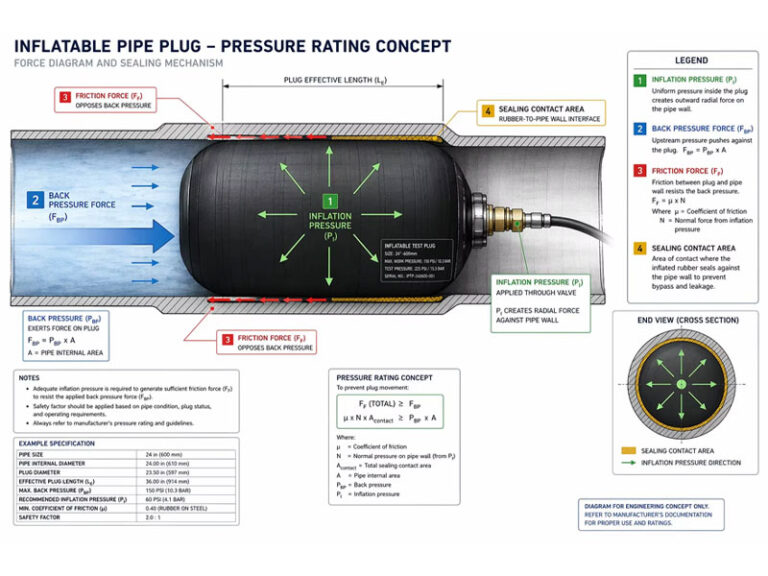
Chemical-resistant pipeline plugs for industrial waste are primarily manufactured from specialized elastomers and reinforced composites such as Nitrile rubber, EPDM, Viton, and Kevlar-reinforced materials, each selected to withstand specific chemical attacks, temperatures, and pressures. The choice of material dictates the plug’s ability to safely isolate sections of pipelines carrying aggressive

Read More »

What are the primary causes of longitudinal cracks in aging oil pipelines?

Longitudinal cracks in aging oil pipelines are primarily caused by stress corrosion cracking (SCC), hydrogen-induced cracking (HIC), and manufacturing defects, all of which are accelerated by cyclic pressure loading and corrosive environments. Understanding these failure mechanisms is critical for pipeline operators, maintenance contractors, and integrity engineers who must detect, assess,

Read More »
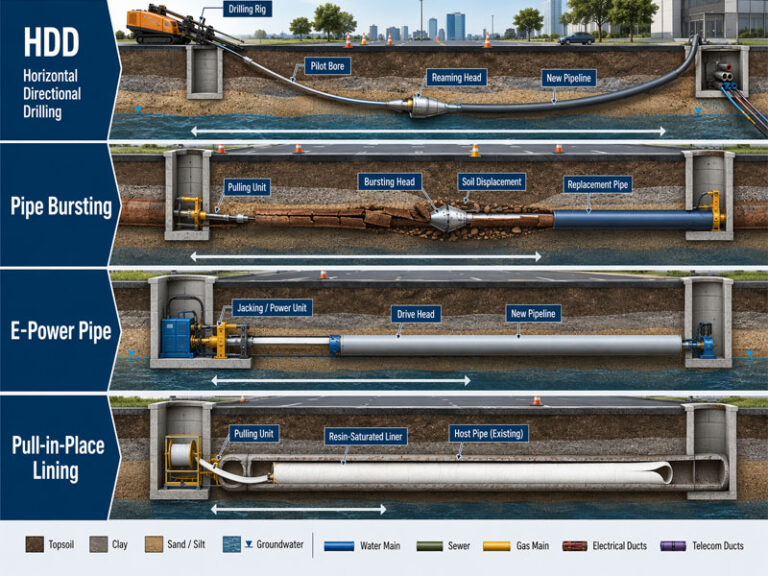
Engineering infographic comparing pulling-distance concepts for HDD, pipe bursting, E-Power Pipe, and pull-in-place lining in underground pipelines

Maximum Distance a Pipe Can Be Pulled Using Trenchless Methods: HDD Pull Length, Pipe Bursting & Lining Limits

The maximum distance a pipe can be pulled using trenchless methods ranges from approximately 50 meters to more than 3,000 meters, depending on the installation technology, pipe characteristics, ground conditions, and equipment limitations. For new pipeline construction, Horizontal Directional Drilling (HDD) typically achieves 200–800 meters per pull. For pipeline rehabilitation, specialized

Read More »
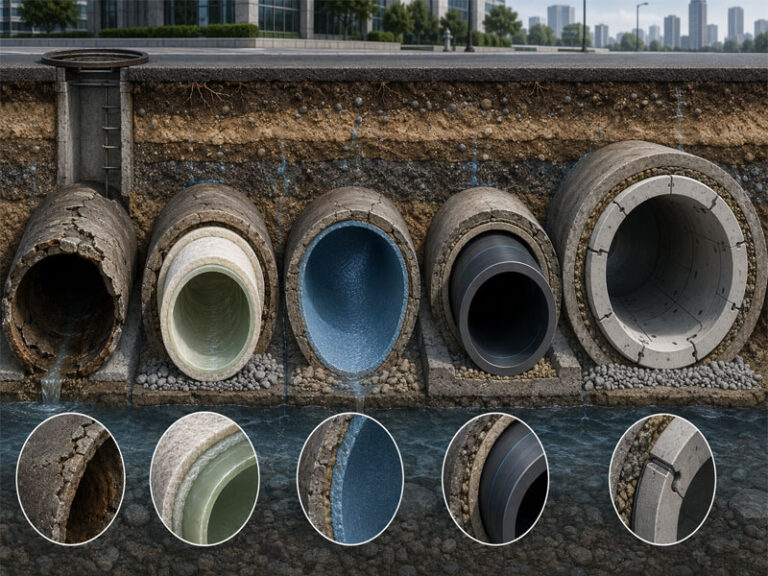
Engineering cutaway illustration comparing CIPP resin liners, spray-applied polyurea, HDPE sliplining, and UHPC structural lining segments in underground sewer pipes.

Best Trenchless Pipe Rehabilitation Materials: CIPP, Polyurea, HDPE Comparison

Best Materials for Trenchless Pipe Rehabilitation The most widely used and effective materials for trenchless pipe rehabilitation are thermosetting resin systems—specifically epoxy, polyester, and vinyl ester—combined with reinforcement fabrics such as fiberglass or polyester felt. For most municipal sewer rehabilitation projects, polyester CIPP offers the best cost-to-performance balance, while epoxy CIPP is preferred for pipes

Read More »