Blog

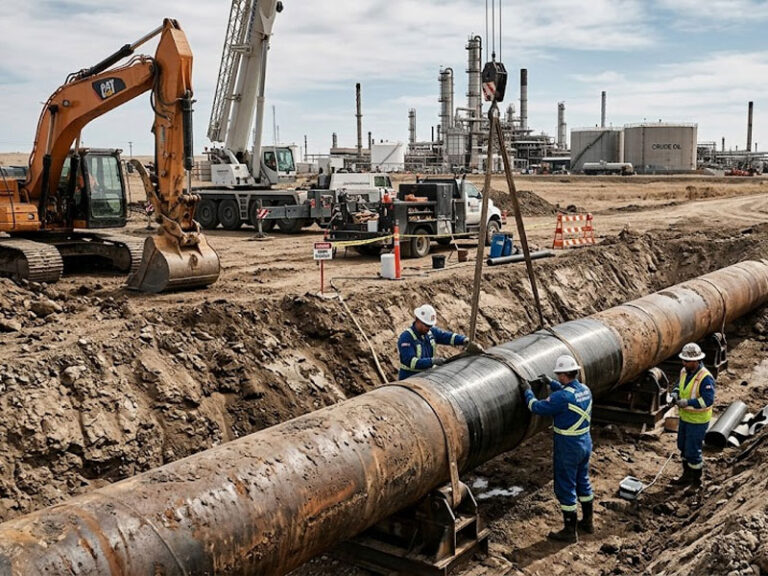
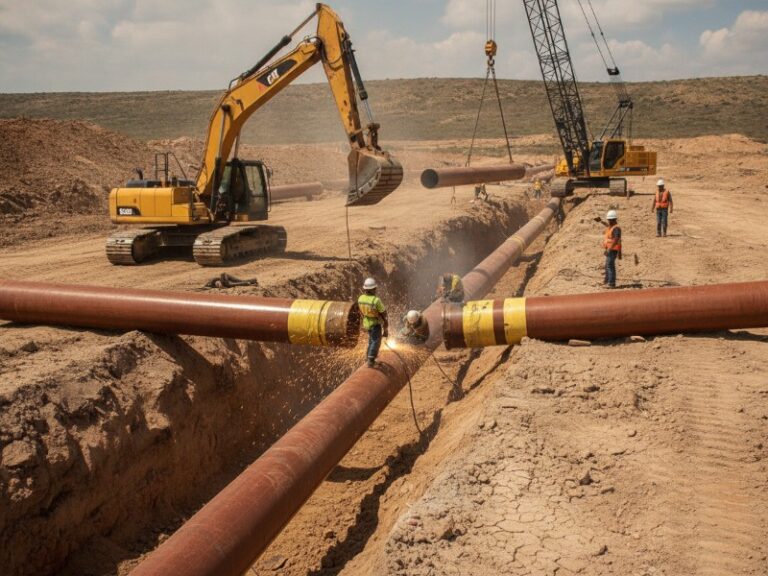
Workers in protective gear weld and apply composite wrap to a large-diameter oil pipeline in a trench on a remote, arid field.

7 Critical Factors for Successful Pipeline Rehabilitation

Pipeline repair success depends on seven key factors: accurate condition assessment, correct rehabilitation method selection, certified installation, material compatibility, lifecycle cost analysis, shutdown execution, and regulatory compliance. Failure in any of these areas leads to premature failure, safety risks, or increased long-term costs. Pipeline repair success depends on: What Is

Read More »
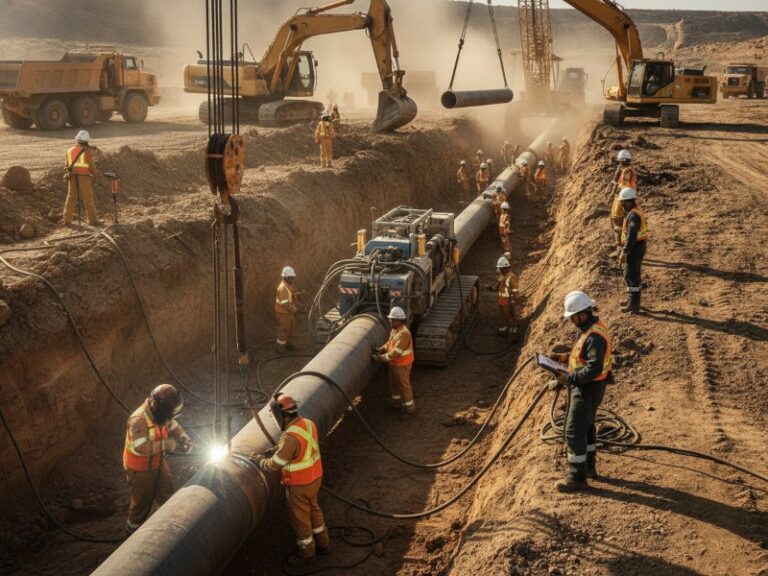
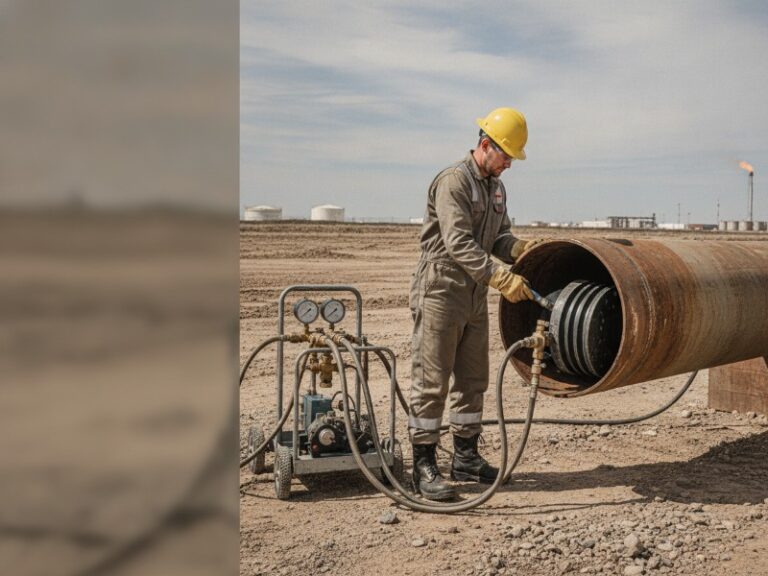
Workers in orange suits are welding a large black steel pipeline with internal purple UV curing equipment at a desert construction site.

How to Choose a Pipeline Rehabilitation Contractor

Choosing a reliable pipeline rehabilitation contractor requires verifying three critical credentials: NASSCO PACP certification (technician ID, not just company logo), an EMR safety score below 1.0, and a transferable warranty of 10–25 years covering both materials and workmanship. For most municipal and industrial projects (pipe diameters 6–84 inches), you should also demand a lifecycle cost

Read More »
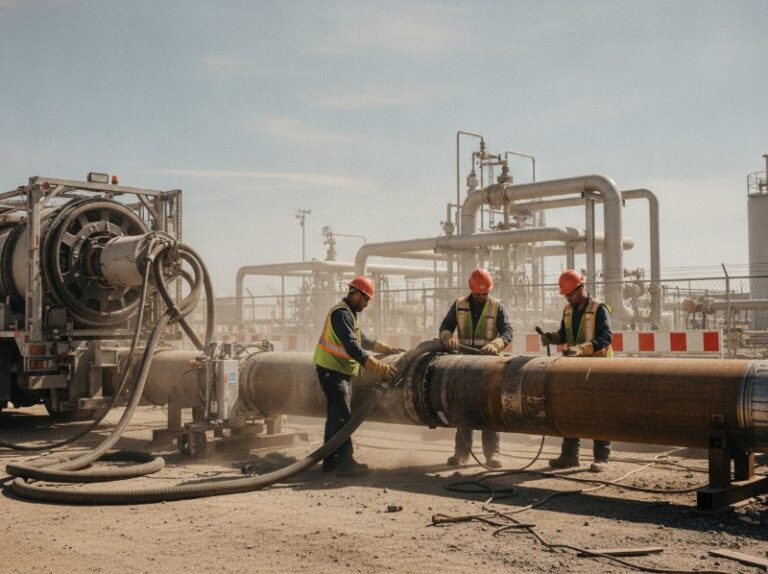
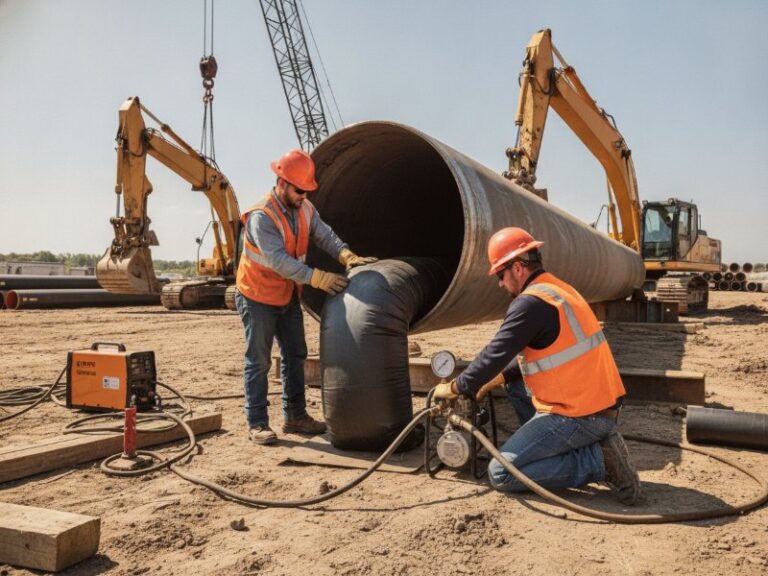
Welders in safety gear construct a large-diameter steel oil and gas pipeline in a sunny, remote desert industrial area with a crane overhead.

How do pipeline repair solutions compare in durability?

The most durable pipeline repair solutions for pressure applications are close-fit FFRPP liners and steel Type B sleeves, offering 50–90+ years of service life. Compared to field-cured CIPP, factory-manufactured systems provide more consistent pressure ratings, higher strain capacity, and reduced installation variability. This guide compares seven major rehabilitation methods—CIPP lining,

Read More »
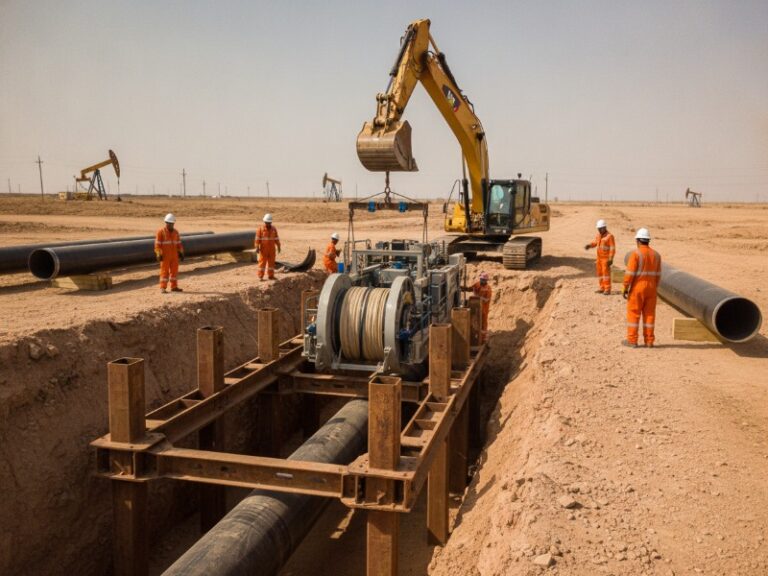
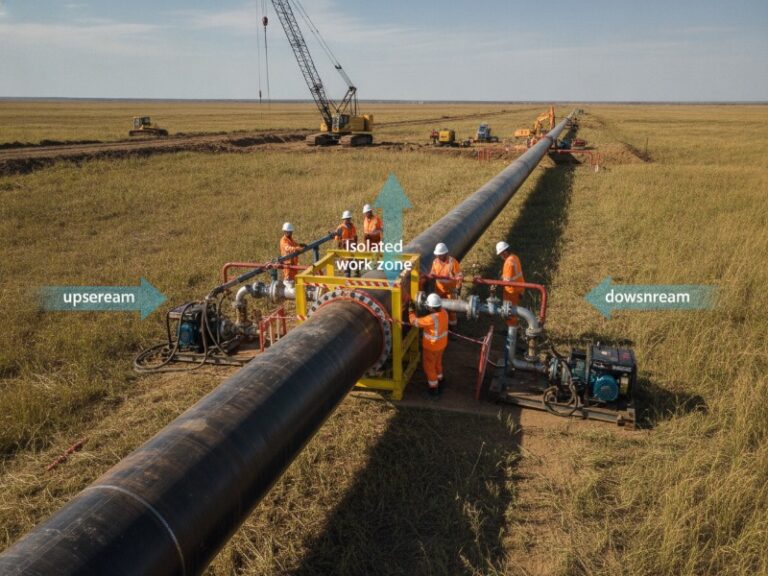
Workers in safety gear are welding a large steel oil and gas pipeline section laid in a dusty desert trench, with a yellow crawler crane nearby.

Which vendors offer the best pipeline inspection and rehabilitation services?

Selecting the best pipeline inspection and rehabilitation vendor is not about finding a single top-ranked company. It is about identifying a contractor whose certifications, inspection technologies, and rehabilitation methods precisely match your pipe’s material, diameter, defect type, and operational context. This guide provides a data-driven, five-step selection framework covering industry standards (PACP/LACP/MACP),

Read More »
Yellow and white TRACTO-TECHNIK HDD drill rig drilling in a desert landscape near oil pipelines. An engineer monitors data beside a service van.

Which Trenchless Technology Brand Has Best EU Support?

*Updated May 2026: Latest EU contractor feedback + Tracto-City 2025 operational data* Use Case Best Brand Key Reason Best overall trenchless support Europe TRACTO-TECHNIK <24h response + remote diagnostics + Tracto-City training Large HDD projects Michels Trenchless GmbH ISO-certified project management + offshore expertise CIPP logistics & parts Vortex Europe

Read More »
An orange horizontal directional drilling rig and a blue mud truck install a pipeline in a dusty oil field, overseen by workers in golden hour light.

HDD Rig Specifications Guide: Thrust, Torque, Mud Flow & Buying Criteria

The key technical specifications for an HDD rig in 2026 are thrust/pullback force (10,000–150,000 lbs), spindle torque (1,200–18,000 ft-lbs), mud pump flow rate (20–160 GPM), carriage travel speed (180–300 FPM), and drill pipe diameter (1.5–5.5 inches) – these five metrics determine maximum bore length, pipe diameter capacity, and soil adaptability

Read More »