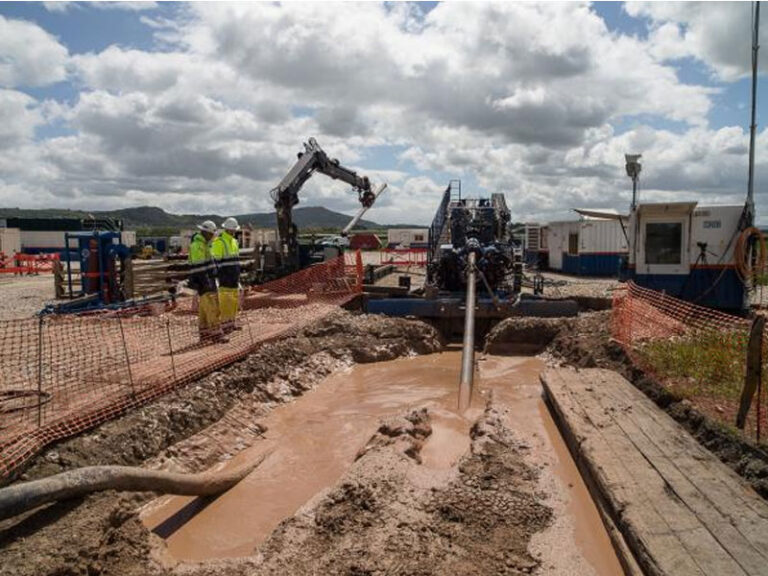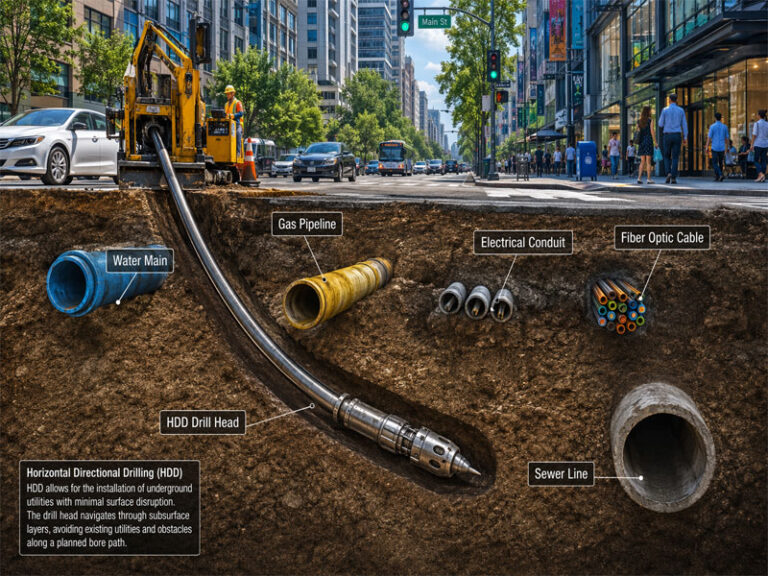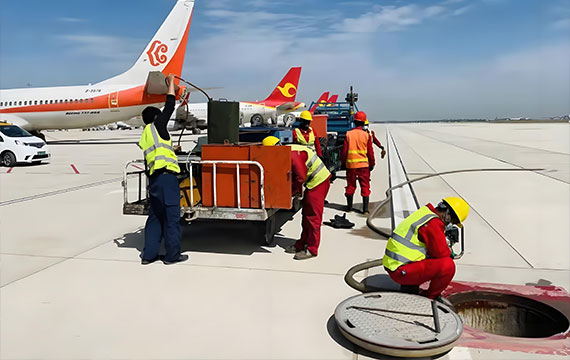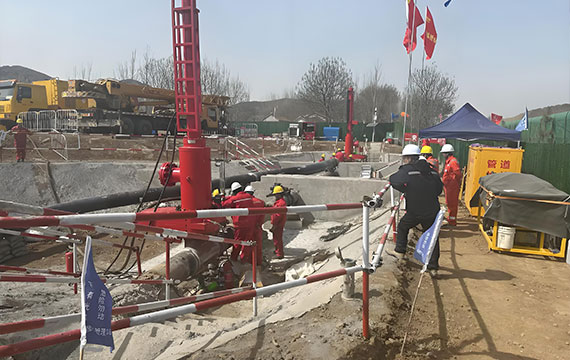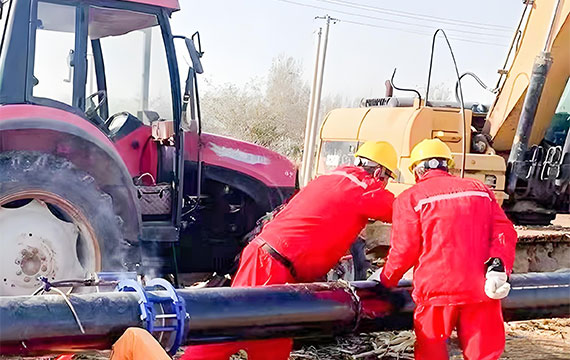
Professional construction crew operating red drilling machinery and trenchless technology equipment for underground pipeline installation at a project site.

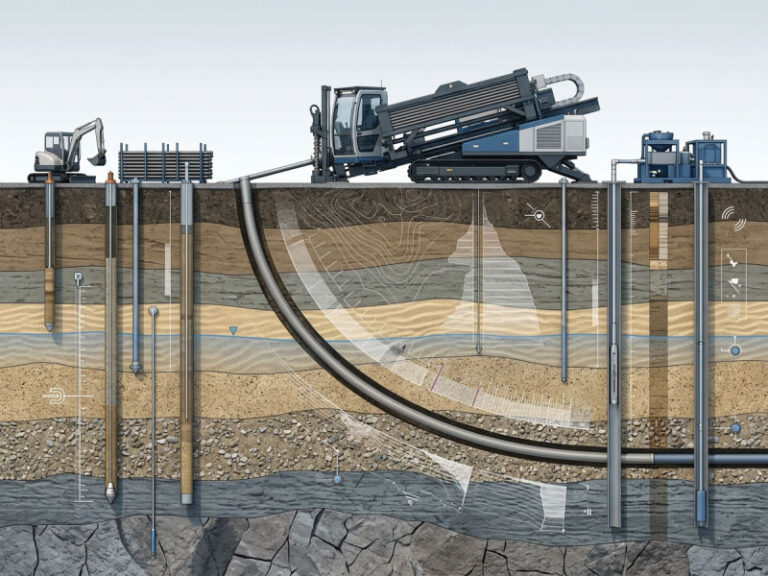
What is pipeline construction and what are its main stages?

Pipeline construction is the engineered process of planning, sourcing materials, and assembling a linear system of pipes, valves, and associated facilities to transport liquids, gases, or slurries from one point to another, typically divided into three main stages: pre-construction, construction, and post-construction. This comprehensive guide will walk you through each

Read More »
An inflatable industrial pipe plug being installed inside a large blue drainage pipe with dual-color pressure hoses and a label for on-site technical support.

Do suppliers provide on-site technical support for plug installation?

Yes, many specialized pipeline plug and equipment suppliers do provide on-site technical support for plug installation, ranging from initial job start-up assistance to full-service turnkey solutions provided by trained contractor teams. This support is critical for complex procedures like hot tapping and line stopping, ensuring safety, compliance, and operational integrity

Read More »
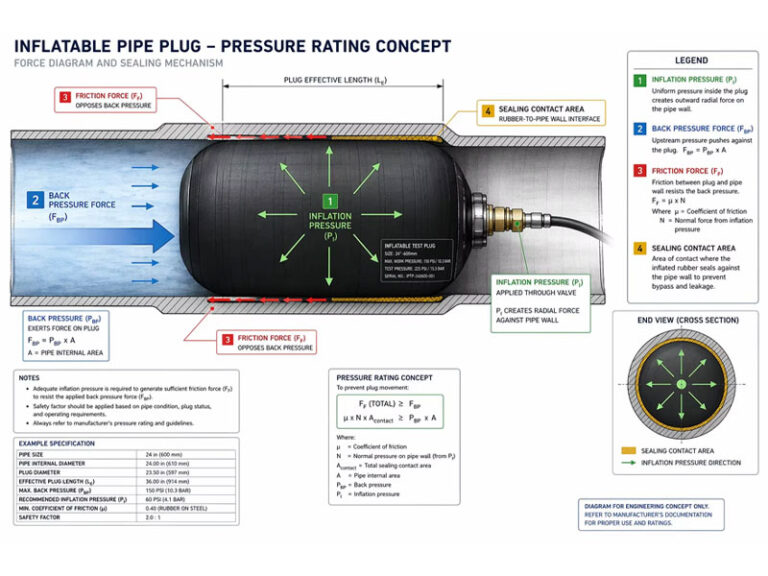
Large and small black inflatable pipeline plugs for sealing industrial sewer pipes at a construction site

What is the price of an inflatable pipeline plug?

The price of an inflatable pipeline plug typically ranges from $5 for a small 2-inch test plug to over $13,000 for a large 90-inch industrial blocking plug, with the average industrial unit costing between $500 and $3,000. This comprehensive guide breaks down how size, material, type (testing, bypass, blocking), and

Read More »
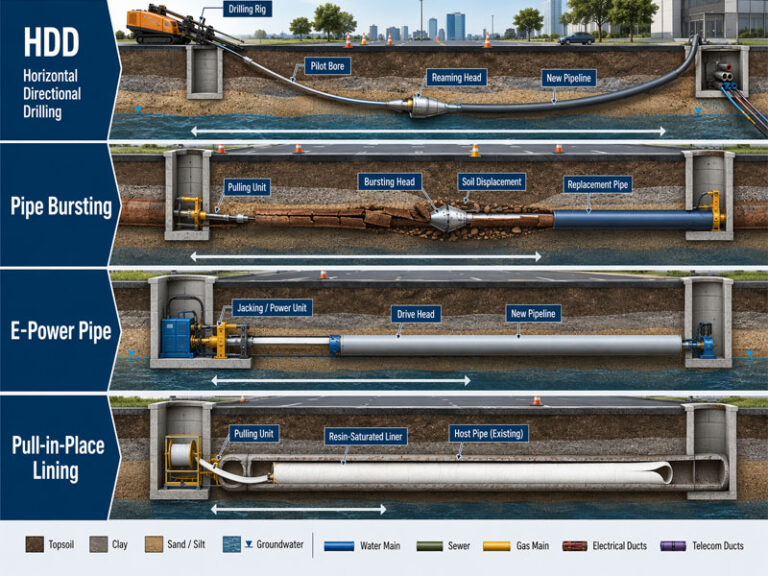
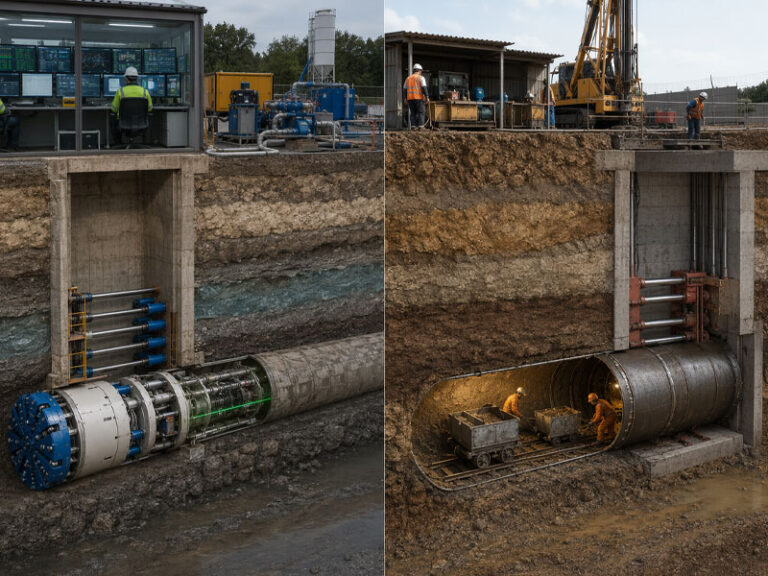
Engineering infographic comparing pulling-distance concepts for HDD, pipe bursting, E-Power Pipe, and pull-in-place lining in underground pipelines

Maximum Distance a Pipe Can Be Pulled Using Trenchless Methods: HDD Pull Length, Pipe Bursting & Lining Limits

The maximum distance a pipe can be pulled using trenchless methods ranges from approximately 50 meters to more than 3,000 meters, depending on the installation technology, pipe characteristics, ground conditions, and equipment limitations. For new pipeline construction, Horizontal Directional Drilling (HDD) typically achieves 200–800 meters per pull. For pipeline rehabilitation, specialized

Read More »
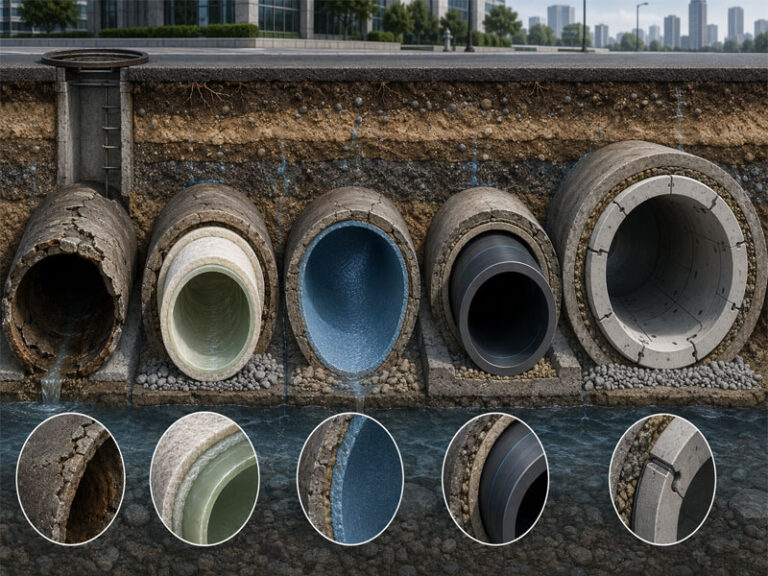
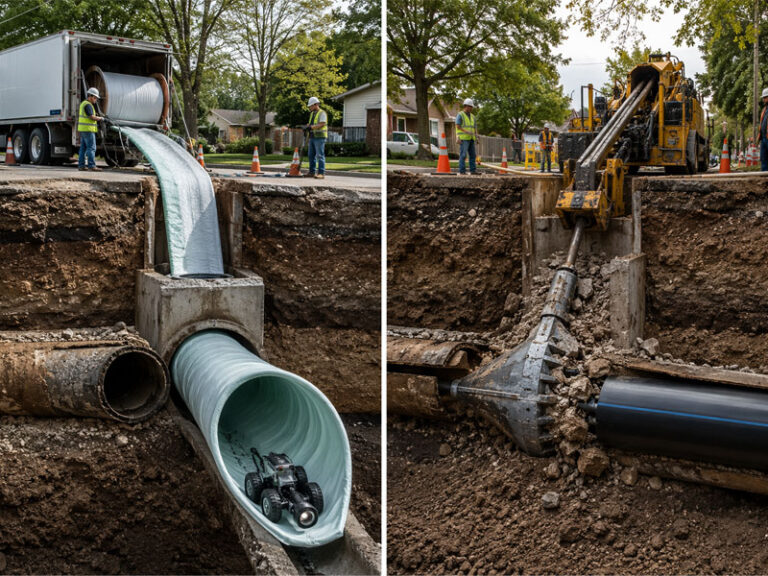
Engineering cutaway illustration comparing CIPP resin liners, spray-applied polyurea, HDPE sliplining, and UHPC structural lining segments in underground sewer pipes.

Best Trenchless Pipe Rehabilitation Materials: CIPP, Polyurea, HDPE Comparison

Best Materials for Trenchless Pipe Rehabilitation The most widely used and effective materials for trenchless pipe rehabilitation are thermosetting resin systems—specifically epoxy, polyester, and vinyl ester—combined with reinforcement fabrics such as fiberglass or polyester felt. For most municipal sewer rehabilitation projects, polyester CIPP offers the best cost-to-performance balance, while epoxy CIPP is preferred for pipes

Read More »