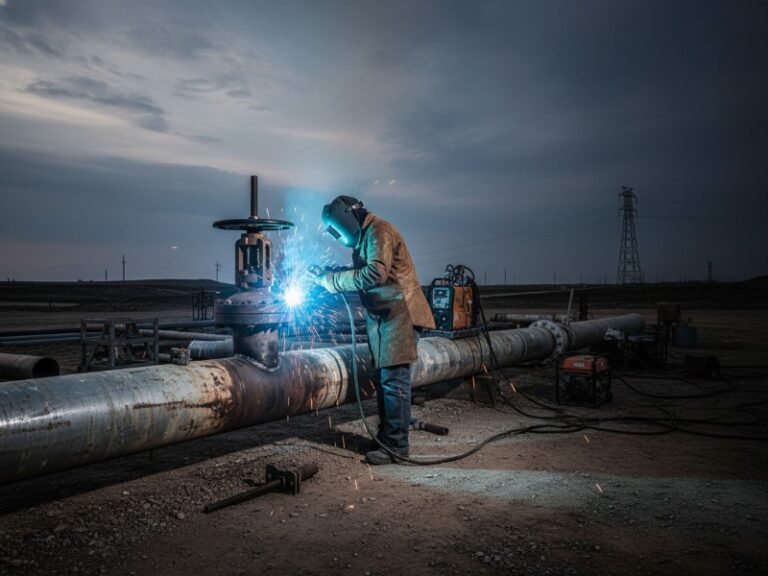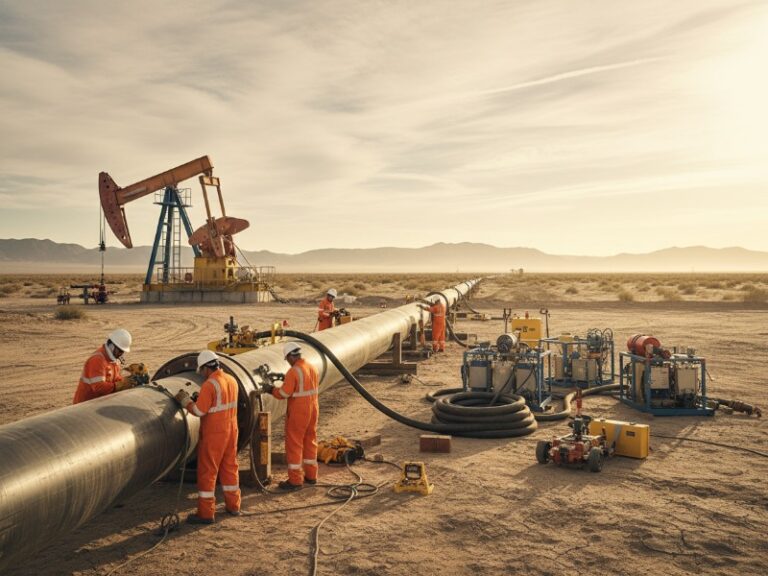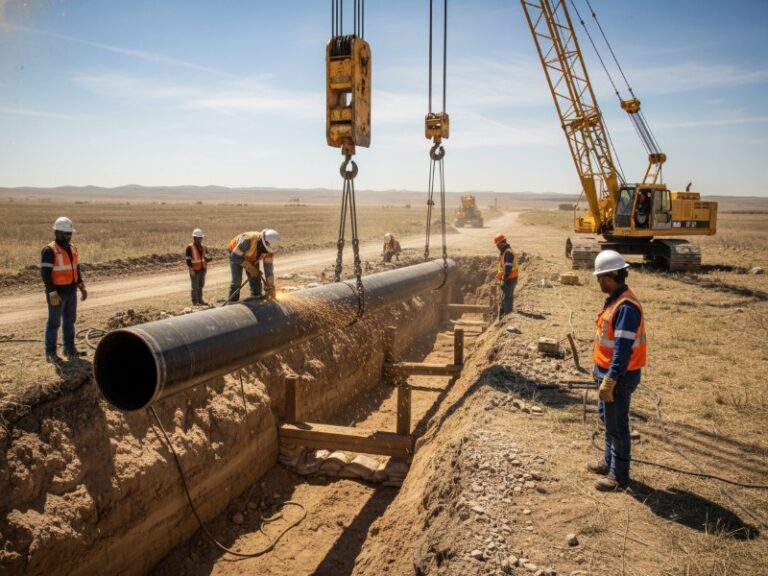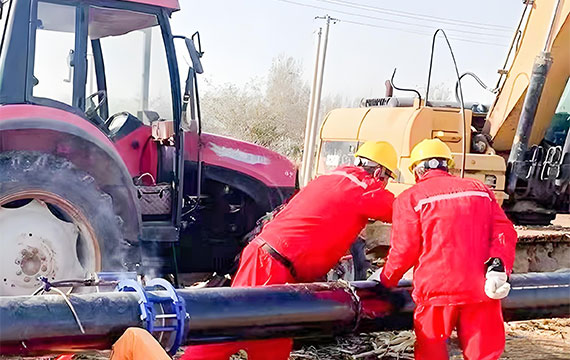
Workers operating equipment during Pipeline Encroachment Remediation for Wuxin pipeline in Xianggan

How to Evaluate and Select a Competent Pipeline Engineering Firm: A Comprehensive Guide

Selecting a competent pipeline engineering firm requires a structured evaluation of their technical capabilities, proven experience, financial health, and commitment to safety. This process involves scrutinizing formal credentials like industry-specific certifications and project portfolios, assessing technical expertise in critical areas like trenchless rehabilitation and hot tapping, and verifying their operational and

Read More »
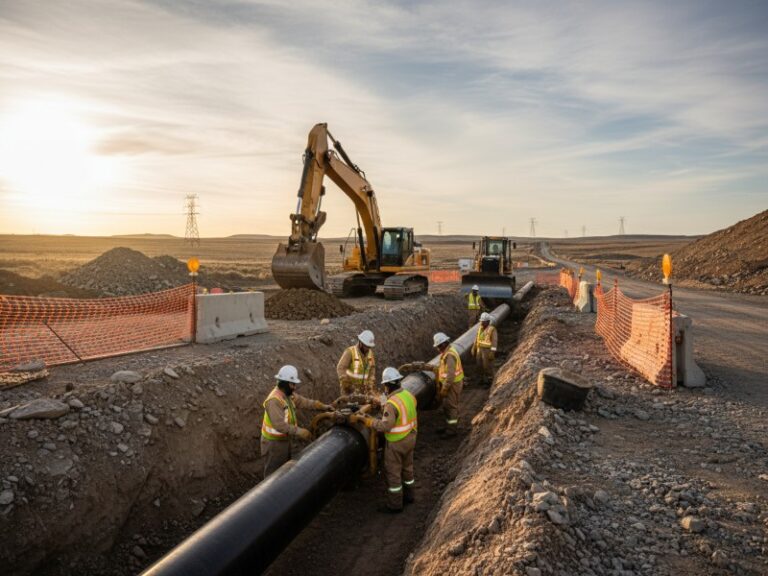
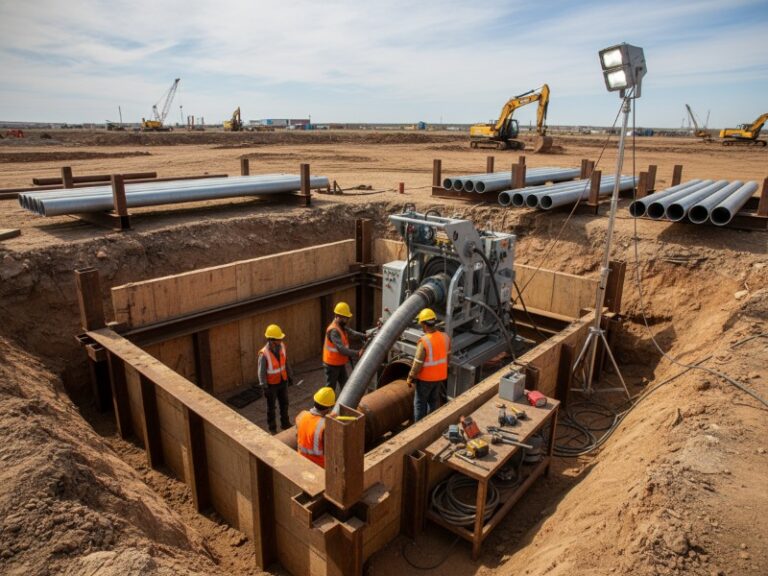
Workers apply a protective repair sleeve to an excavated pipeline in a trench, addressing damage from pipeline deterioration to restore functionality.

What are the main causes of pipeline deterioration that necessitate rehabilitation?

The Main Causes of Pipeline Deterioration That Necessitate Rehabilitation Pipeline deterioration is primarily caused by aging infrastructure, material corrosion, environmental stresses, operational factors, and third-party damage, all of which necessitate timely rehabilitation to prevent failures. This article systematically examines these causes, explaining the underlying mechanisms, providing real-world examples, and citing relevant

Read More »
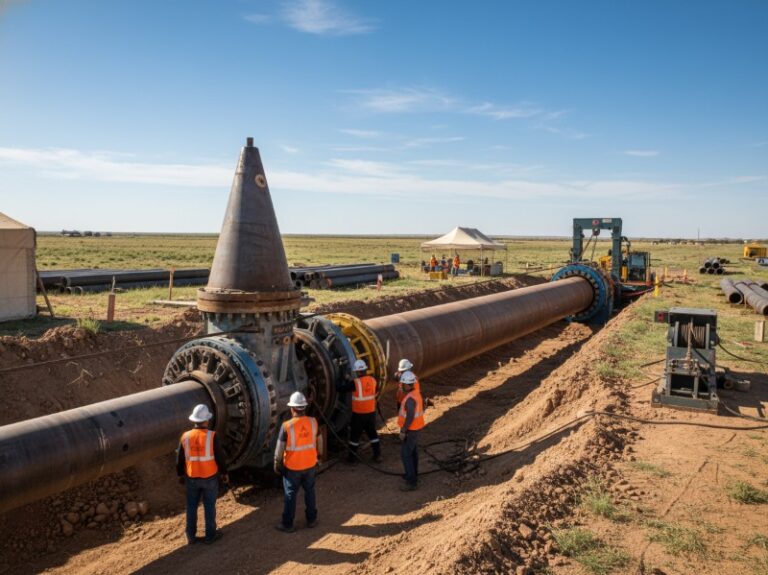
A worker in a red safety uniform performs pipeline rehabilitation on an underground pipeline, using a bolted repair clamp to restore structural integrity.

What is pipeline rehabilitation and why is it critical for infrastructure?

Pipeline rehabilitation refers to the comprehensive suite of engineering methods and technologies used to repair, renew, or upgrade existing pipeline systems without complete replacement, encompassing everything from internal lining and spot repairs to structural rebuilding. This process is fundamentally critical for infrastructure as it ensures the safety, reliability, and efficiency of vital water,

Read More »
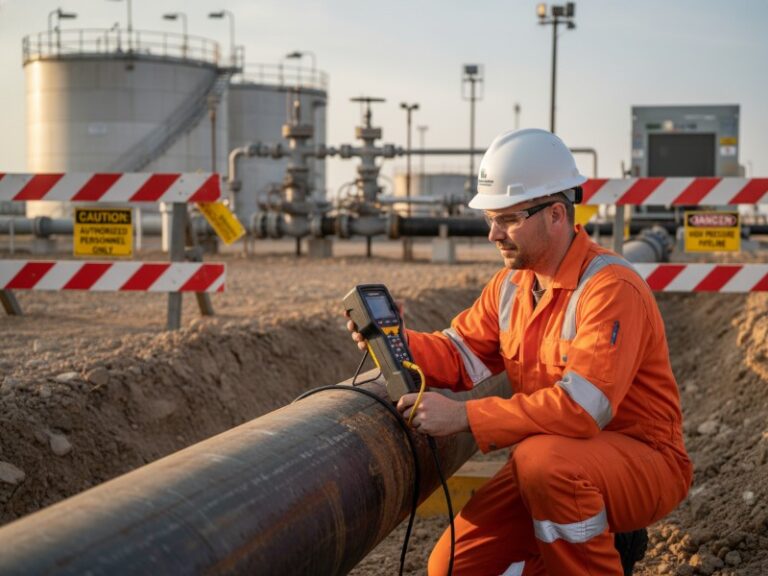
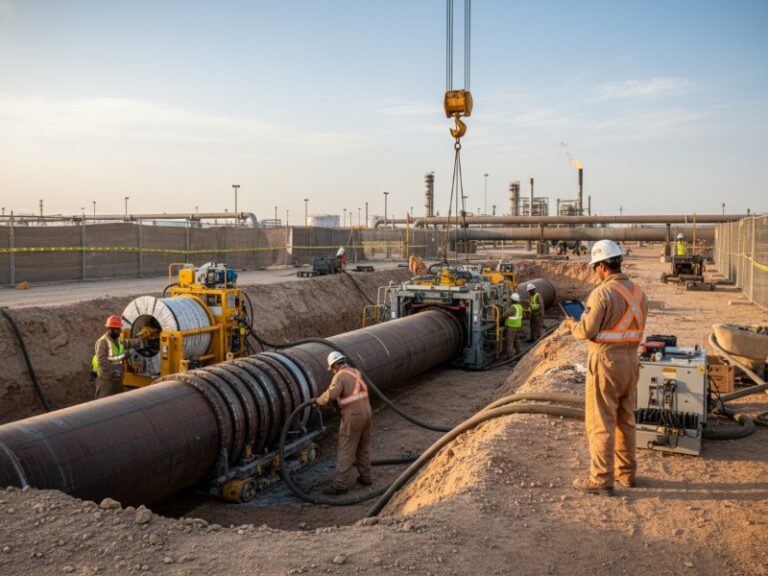
Workers in red safety gear perform a hot tapping procedure on an underground pipeline at a petrochemical plant; industrial process equipment and structural frameworks are visible in the background, with safety barriers and excavation site secured.

How to Hot Tap a Pipeline: A Step-by-Step Safety and Procedure Guide

Hot tapping a pipeline is a precise engineering procedure that involves creating a connection to a live, pressurized pipe without interrupting its service. This complex task requires specialized equipment, strict adherence to safety protocols, and skilled execution to allow for modifications, repairs, or branch additions while the system remains operational. The

Read More »
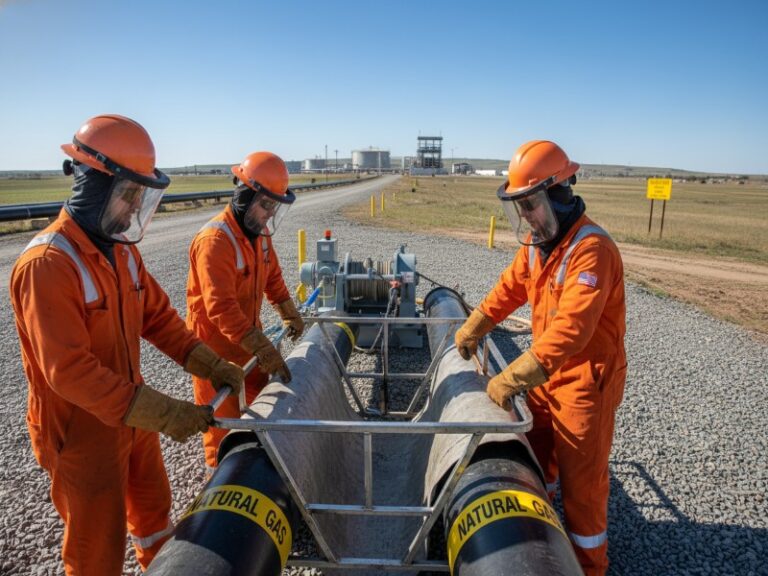
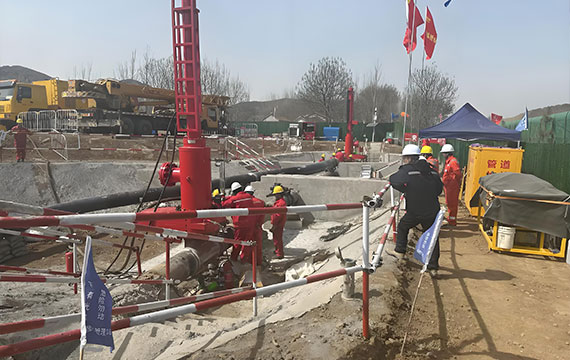
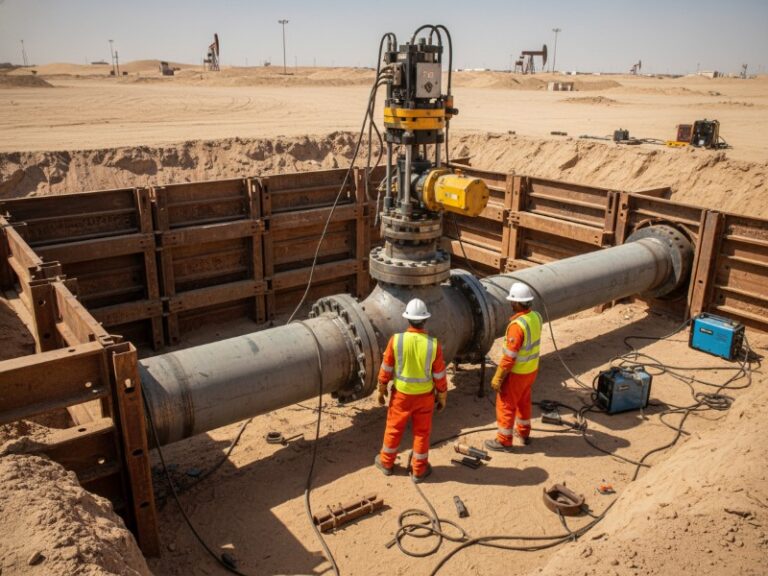
Professional, wide-angle photo of a safe industrial worksite. A crew in full PPE (helmets, fire-resistant suits) is gathered around a pipeline where a yellow hot tap machine is installed. The scene is well-lit, with safety banners in the background. Photorealistic, high detail.

Step-by-Step Guide to a Safe Pipeline Hot Tap Operation

The safe, step-by-step process for a pipeline hot tap operation involves a meticulously planned sequence of preparation, equipment installation, execution, and restoration phases, governed by strict technical standards and safety protocols to add a branch connection to a live, pressurized pipeline without interruption of service. This guide details the complete

Read More »
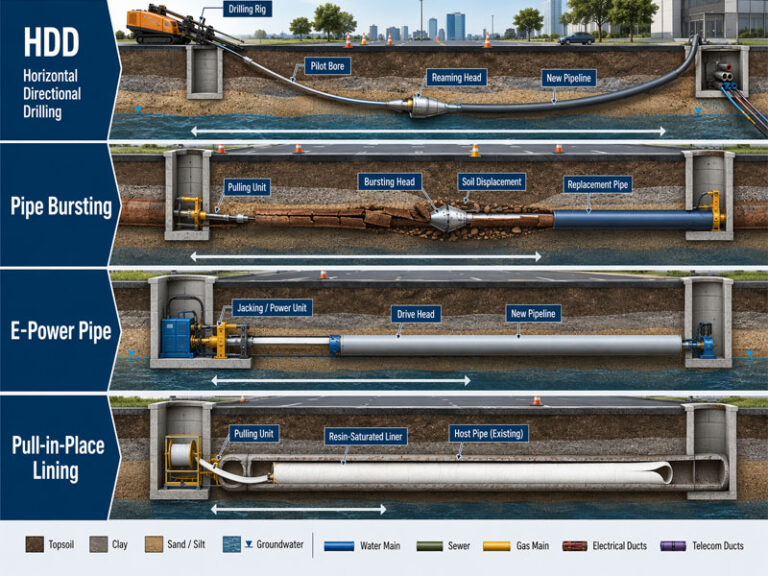
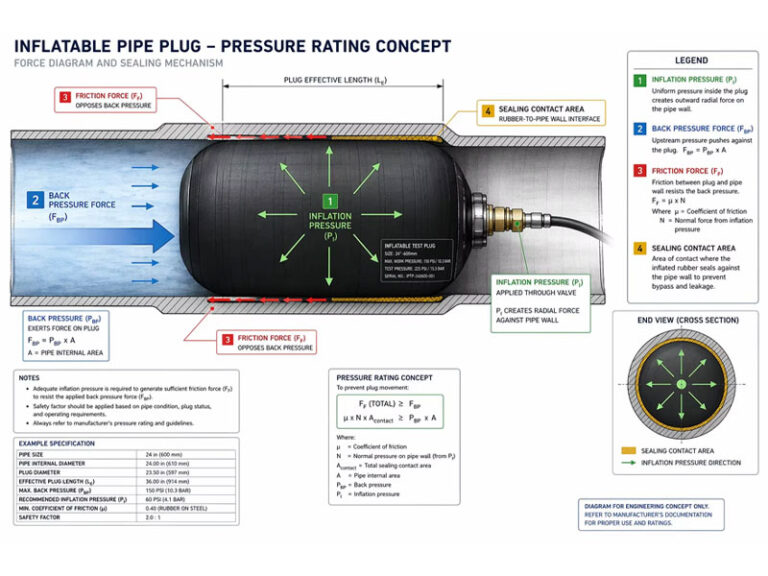
Engineering infographic comparing pulling-distance concepts for HDD, pipe bursting, E-Power Pipe, and pull-in-place lining in underground pipelines

Maximum Distance a Pipe Can Be Pulled Using Trenchless Methods: HDD Pull Length, Pipe Bursting & Lining Limits

The maximum distance a pipe can be pulled using trenchless methods ranges from approximately 50 meters to more than 3,000 meters, depending on the installation technology, pipe characteristics, ground conditions, and equipment limitations. For new pipeline construction, Horizontal Directional Drilling (HDD) typically achieves 200–800 meters per pull. For pipeline rehabilitation, specialized

Read More »
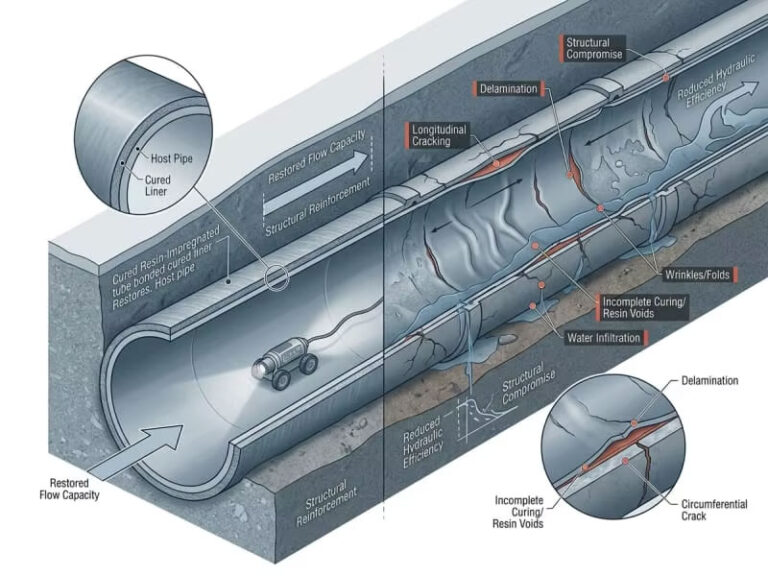
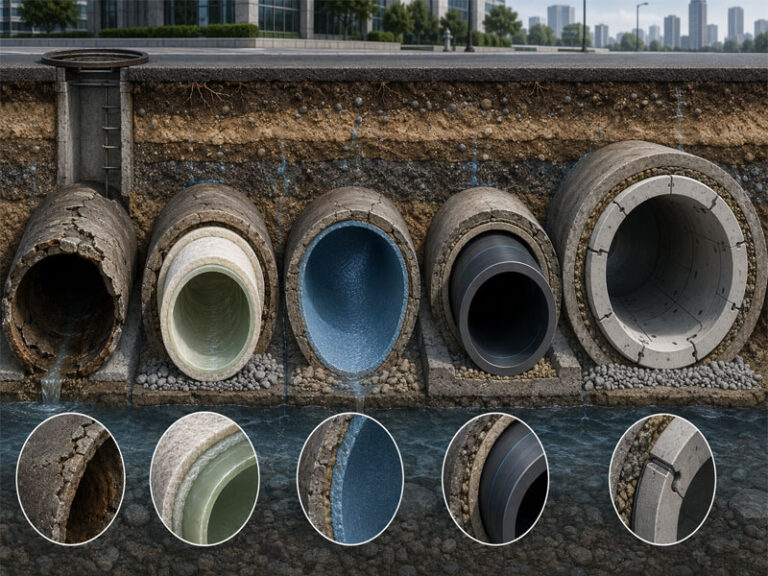
Engineering cutaway illustration comparing CIPP resin liners, spray-applied polyurea, HDPE sliplining, and UHPC structural lining segments in underground sewer pipes.

Best Trenchless Pipe Rehabilitation Materials: CIPP, Polyurea, HDPE Comparison

Best Materials for Trenchless Pipe Rehabilitation The most widely used and effective materials for trenchless pipe rehabilitation are thermosetting resin systems—specifically epoxy, polyester, and vinyl ester—combined with reinforcement fabrics such as fiberglass or polyester felt. For most municipal sewer rehabilitation projects, polyester CIPP offers the best cost-to-performance balance, while epoxy CIPP is preferred for pipes

Read More »