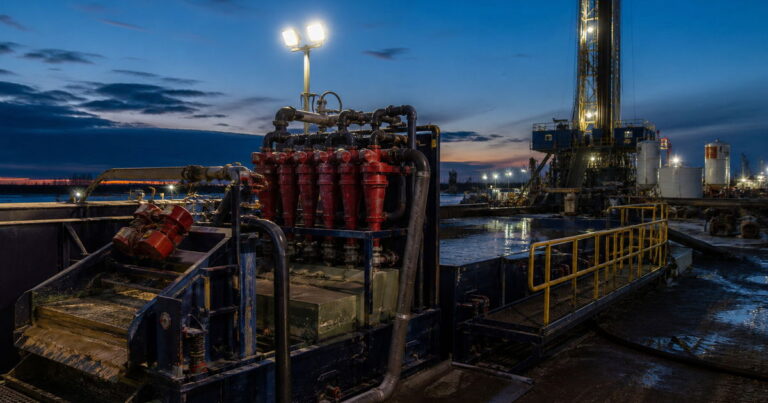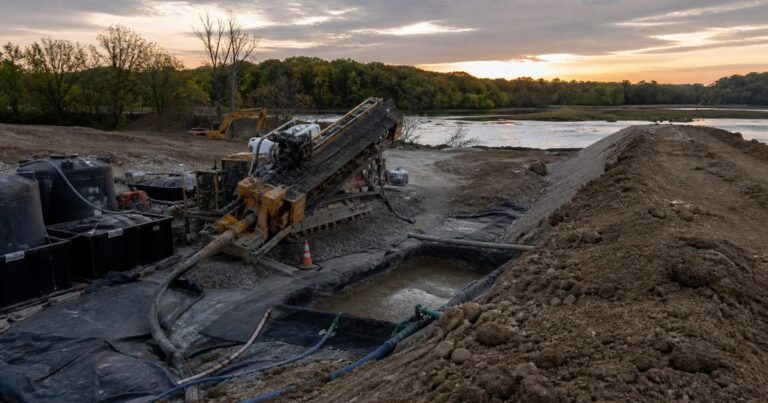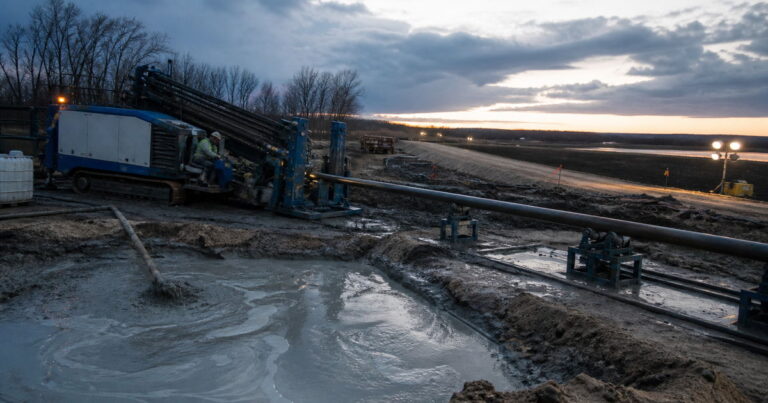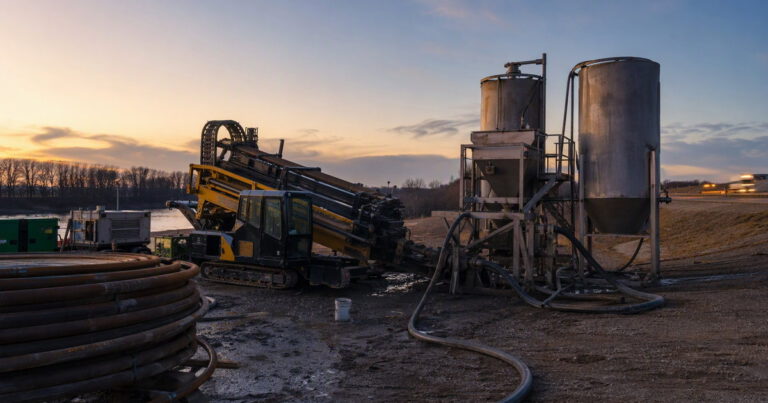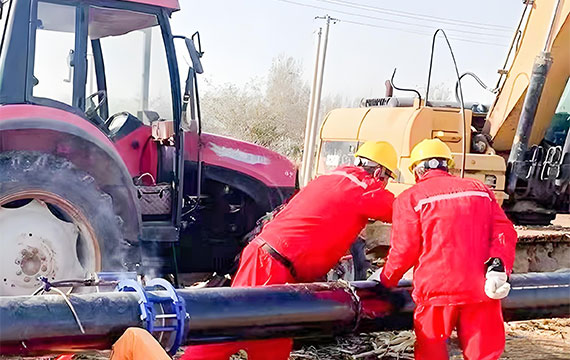
Industrial workers in safety vests and hard hats perform trenchless rehabilitation on a large-diameter steel gas pipeline in a vast open field.

Pipeline Repair vs Rehabilitation

Pipeline repair targets isolated local defects such as cracks or joint leaks without replacing the pipe structure. Pipeline rehabilitation provides continuous structural renewal of an entire pipe segment using trenchless lining methods. The difference between pipeline repair and pipeline rehabilitation is primarily defined by damage scope, structural renewal level, and long-term cost efficiency.

Read More »
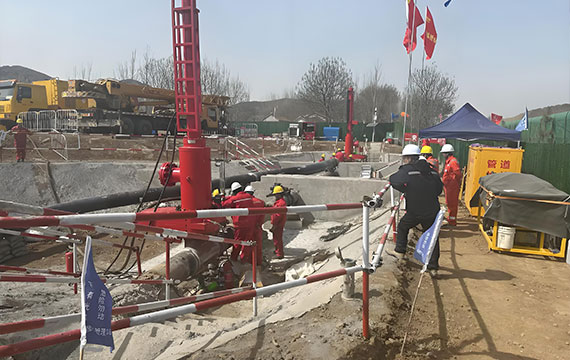
Industrial oil and gas pipeline rehabilitation with workers in PPE in a trench, operating repair equipment on a large steel pipe under daylight.

What Is Pipeline Repair & Rehabilitation?

What is pipeline repair and rehabilitation?Pipeline repair and rehabilitation is the process of restoring damaged or aging pipelines using trenchless or minimally invasive methods such as CIPP lining, pipe bursting, and slip lining. These techniques extend pipe lifespan by 30–50 years while reducing costs by 30–60% compared to full excavation.

Read More »
Construction workers are welding a large steel pipeline section being lowered into a trench by heavy equipment in a sunny, expansive open field.

Which Pipeline Rehabilitation Method Is Most Cost-Effective?

Cured-in-place pipe (CIPP) is the most cost-effective pipeline rehabilitation method for most municipal and residential pipelines, typically reducing total costs by 30–50% compared to open-cut replacement while delivering a 50+ year service life. However, pipe bursting becomes more cost-effective for collapsed or severely damaged pipelines. Slip lining offers the lowest

Read More »
Workers in protective gear weld and apply composite wrap to a large-diameter oil pipeline in a trench on a remote, arid field.

7 Critical Factors for Successful Pipeline Rehabilitation

Pipeline repair success depends on seven key factors: accurate condition assessment, correct rehabilitation method selection, certified installation, material compatibility, lifecycle cost analysis, shutdown execution, and regulatory compliance. Failure in any of these areas leads to premature failure, safety risks, or increased long-term costs. Pipeline repair success depends on: What Is

Read More »
Workers in orange suits are welding a large black steel pipeline with internal purple UV curing equipment at a desert construction site.

How to Choose a Pipeline Rehabilitation Contractor

Choosing a reliable pipeline rehabilitation contractor requires verifying three critical credentials: NASSCO PACP certification (technician ID, not just company logo), an EMR safety score below 1.0, and a transferable warranty of 10–25 years covering both materials and workmanship. For most municipal and industrial projects (pipe diameters 6–84 inches), you should also demand a lifecycle cost

Read More »
Welders in safety gear construct a large-diameter steel oil and gas pipeline in a sunny, remote desert industrial area with a crane overhead.

How do pipeline repair solutions compare in durability?

The most durable pipeline repair solutions for pressure applications are close-fit FFRPP liners and steel Type B sleeves, offering 50–90+ years of service life. Compared to field-cured CIPP, factory-manufactured systems provide more consistent pressure ratings, higher strain capacity, and reduced installation variability. This guide compares seven major rehabilitation methods—CIPP lining,

Read More »
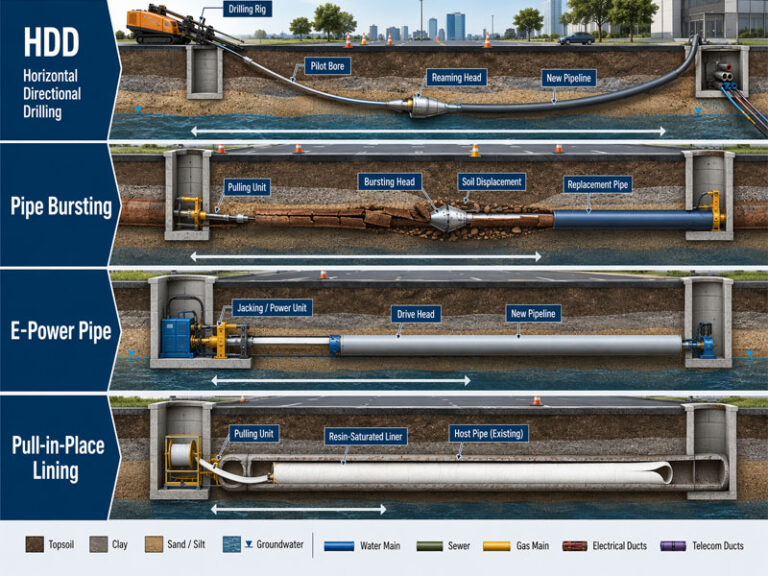
Engineering infographic comparing pulling-distance concepts for HDD, pipe bursting, E-Power Pipe, and pull-in-place lining in underground pipelines

Maximum Distance a Pipe Can Be Pulled Using Trenchless Methods: HDD Pull Length, Pipe Bursting & Lining Limits

The maximum distance a pipe can be pulled using trenchless methods ranges from approximately 50 meters to more than 3,000 meters, depending on the installation technology, pipe characteristics, ground conditions, and equipment limitations. For new pipeline construction, Horizontal Directional Drilling (HDD) typically achieves 200–800 meters per pull. For pipeline rehabilitation, specialized

Read More »
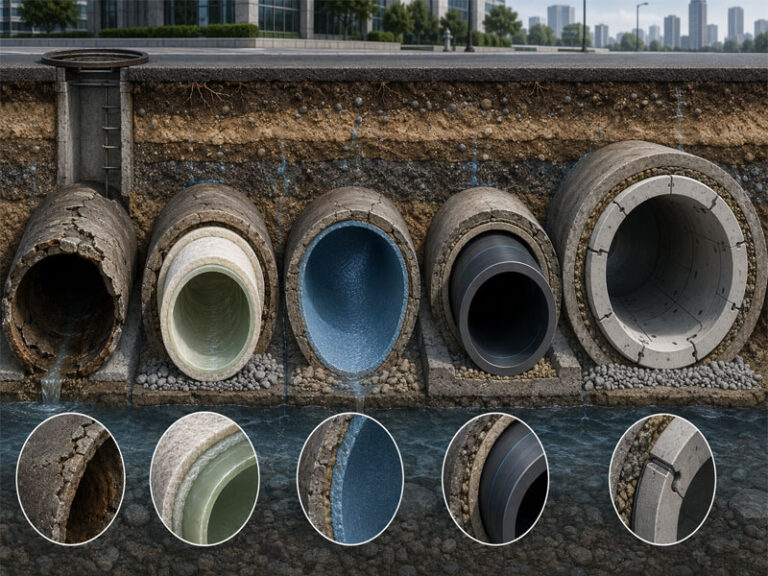
Engineering cutaway illustration comparing CIPP resin liners, spray-applied polyurea, HDPE sliplining, and UHPC structural lining segments in underground sewer pipes.

Best Trenchless Pipe Rehabilitation Materials: CIPP, Polyurea, HDPE Comparison

Best Materials for Trenchless Pipe Rehabilitation The most widely used and effective materials for trenchless pipe rehabilitation are thermosetting resin systems—specifically epoxy, polyester, and vinyl ester—combined with reinforcement fabrics such as fiberglass or polyester felt. For most municipal sewer rehabilitation projects, polyester CIPP offers the best cost-to-performance balance, while epoxy CIPP is preferred for pipes

Read More »