
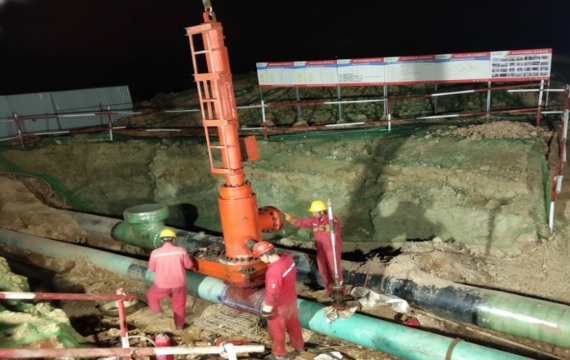
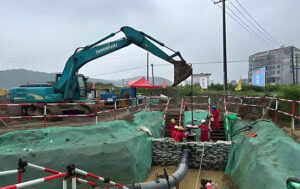
Cuando un gran proyecto de infraestructura, como una línea ferroviaria de alta velocidad, se cruza con un oleoducto activo de alta presión, hay mucho en juego. El operador del oleoducto se enfrenta a un reto crítico: cómo reubicar con seguridad una sección de la línea sin interrumpir el flujo de recursos energéticos vitales. En este estudio de caso sobre el servicio de toma en caliente de tuberías en tierra para la construcción de ferrocarriles se detalla cómo nuestro equipo, actuando como contratista especializado, superó con éxito esta compleja situación.
Ejecutamos una solución llave en mano para Nanjing Shuoda Engineering Co., Ltd., combinando métodos avanzados de instalación y taponamiento de derivaciones de tuberías con técnicas de construcción de precisión de mantenimiento de gasoductos de acero L360M. El resultado fue una reubicación perfecta de la tubería que eliminó los riesgos de seguridad y evitó cualquier tiempo de inactividad operativa.
Resumen del proyecto
| Artículo | Detalles |
|---|---|
| Cliente | Nanjing Shuoda Engineering Co., Ltd. |
| Ubicación | Provincia de Anhui, China |
| Proyecto | Traslado de las tuberías de Anhe y Anhao para la línea de alta velocidad de Anjiu |
| Desafío | Reubicar con seguridad dos tuberías activas de alta presión que atraviesan una nueva obra ferroviaria. |
| Solución | Roscado en caliente y parada de conductos a medida con reparación de manguitos tipo B y recuperación de aceite. |
El reto: cuando las infraestructuras chocan
El proyecto del ferrocarril de alta velocidad de Anjiu obligó a reubicar dos oleoductos críticos: el de Anhao (成品油) y el de Anhe (combustible de aviación). Los oleoductos, que funcionaban a presiones de 9,5 MPa y 7,0 MPa respectivamente, estaban situados directamente en la trayectoria del ferrocarril.
Para el operador del oleoducto, una parada tradicional no era una opción. Cualquier interrupción del flujo de productos refinados y combustible de aviación habría provocado:
- Pérdidas financieras masivas: Pérdidas millonarias de ingresos por productos y costes de sobrestadía.
- Alteración de la cadena de suministro: Escasez crítica de combustible para los aeropuertos y mercados regionales.
- Riesgos significativos para la seguridad: Purgar, cortar y volver a conectar una tubería viva de alta presión presenta peligros extremos.
Nuestro cliente, Nanjing Shuoda, necesitaba un contratista con experiencia demostrada en el aislamiento de tuberías de alta presión. Necesitaban un socio que pudiera ejecutar un procedimiento de aislamiento de gasoductos de gas natural a alta presión (adaptado para productos refinados) que no solo fuera seguro, sino que también garantizara cero pérdidas de producción.
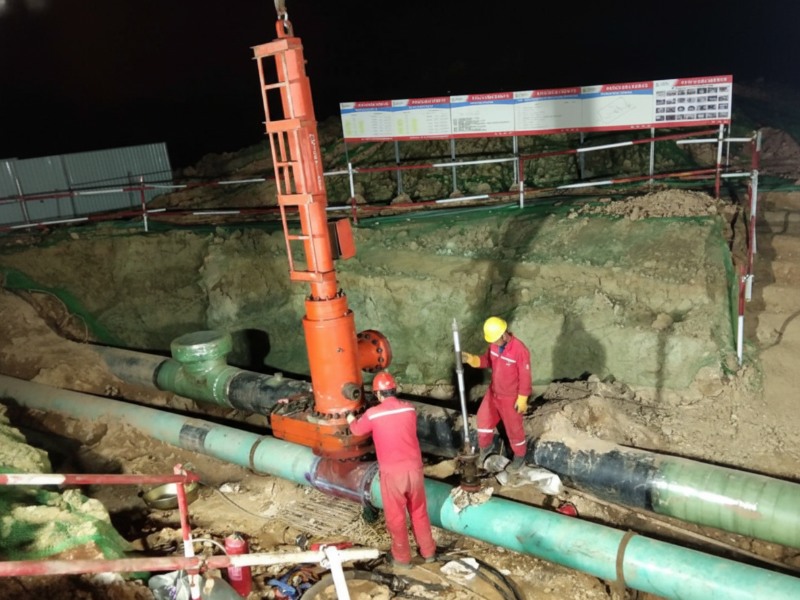
La solución: Un plan personalizado de aislamiento y reubicación de tuberías
Desplegamos una solución integral centrada en una estrategia de doble bloqueo y purga de la toma en caliente y de parada de la línea. Este enfoque nos permitió aislar la sección que se iba a reubicar, manteniendo al mismo tiempo el flujo total a través de una derivación temporal.
Nuestro trabajo se dividió en tres fases críticas:
1. Roscado en caliente de alta presión y parada de línea
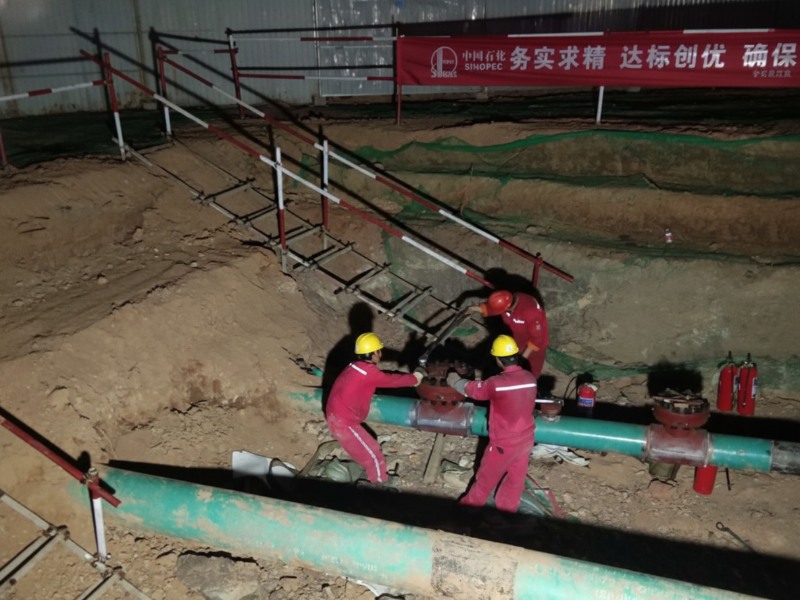
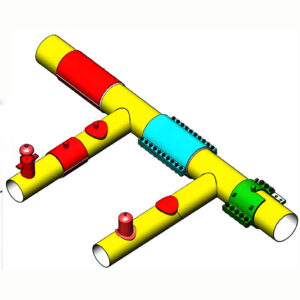
El núcleo de nuestro servicio de derivación en caliente de oleoductos en tierra era crear puntos de aislamiento temporales y seguros. Ejecutamos una operación de “doble cara, doble sellado” en ambas tuberías. Esto implicó:
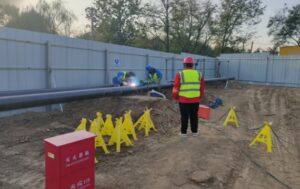
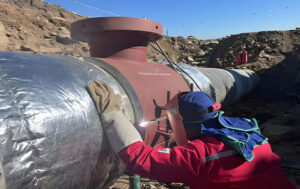
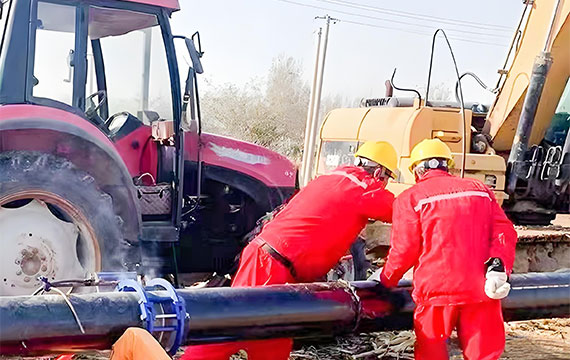
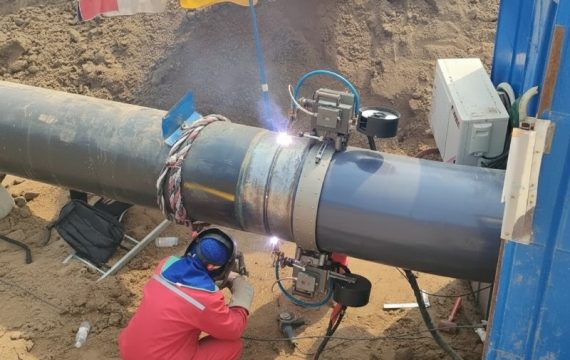
- Soldadura de precisión: Realizamos 4 procedimientos de soldadura en la tubería de Anhao (DN400) y 6 en la de Anhe (DN250) para diversos accesorios (puntos de extracción, ecualización y aislamiento).
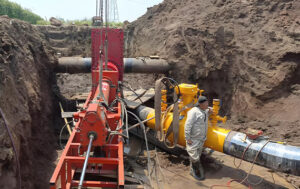
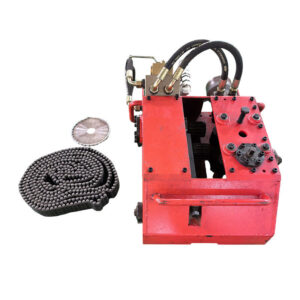
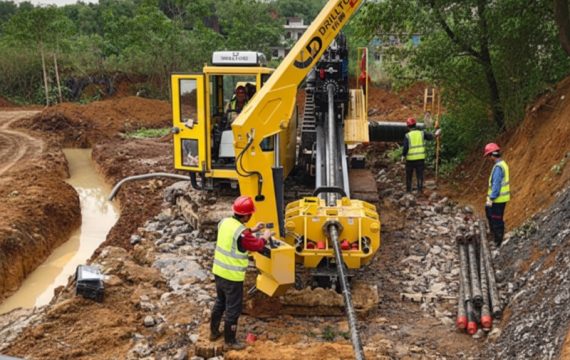
- Roscado en caliente: Utilizando nuestras propias máquinas de roscado, realizamos roscados en caliente en las tuberías presurizadas para instalar los accesorios de aislamiento.
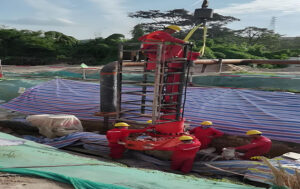
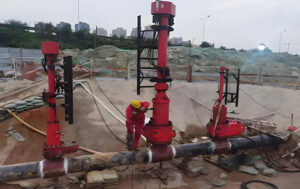
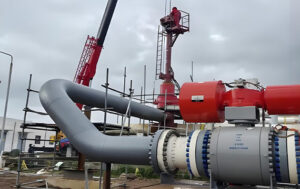
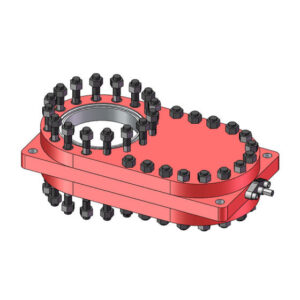
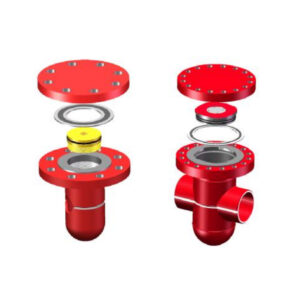
- Parada de línea: Se desplegaron cabezales de taponamiento tipo disco de alta presión para detener el flujo dentro de la sección de trabajo designada. Para la línea Anhe, también desplegamos bolsas inflables para proporcionar una barrera adicional, garantizando una zona de trabajo 100% segura.
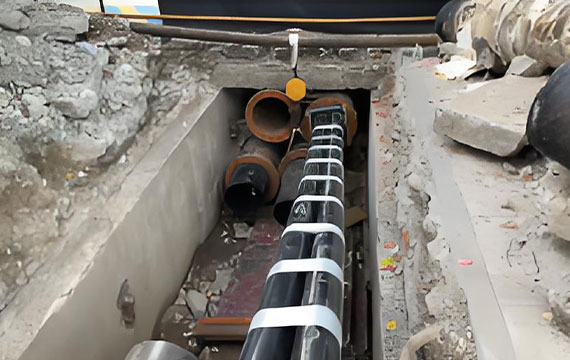
Este método de instalación y taponamiento de la tubería creó un circuito cerrado, desviando el flujo de producto alrededor de la zona de trabajo. Esto permitió que las operaciones del cliente continuaran sin interrupción.
2. Mantenimiento avanzado de tuberías: Reparación de manguitos tipo B
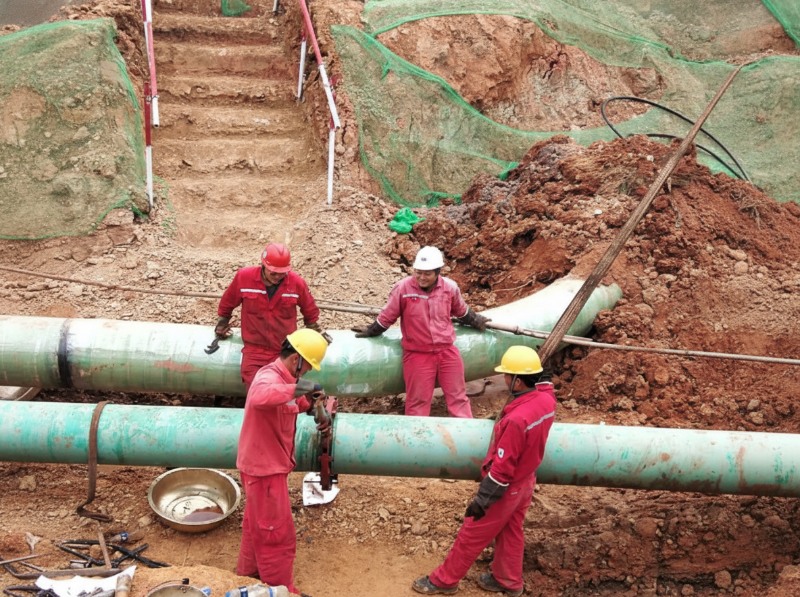
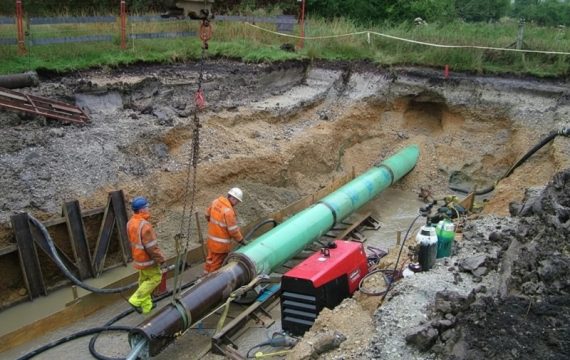
Durante la fase de inspección, identificamos zonas del gasoducto Hefei-Lu'an que requerían refuerzo. En el marco de las obras de mantenimiento del gasoducto de acero L360M, diseñamos e instalamos cuatro manguitos de tipo B fabricados a medida. Estos manguitos (una unidad de 2,5 m y tres de 1,0 m) constituyen una solución de refuerzo permanente y de alta integridad que prolonga la vida útil de la tubería y evita futuros fallos. El proceso incluyó la fabricación de los manguitos, la soldadura precisa y el revestimiento final anticorrosión.
3. Desmantelamiento seguro y recuperación de petróleo
La seguridad se extiende más allá de la tubería viva. Antes del corte final y la conexión, realizamos una extracción controlada del producto de la sección aislada. Nuestro equipo ejecutó un meticuloso procedimiento que incluía:
- Bombeo del petróleo restante a petroleros para su recuperación.
- Realización de un corte controlado y retirada de la sección de tubería aislada.
- Instalar “muros mariposa” como barrera de seguridad secundaria.
- Instalación de cabezales de taponado final para sellar permanentemente los extremos.
La ejecución: Una sinfonía de precisión y seguridad
Nuestro enfoque de la gestión de proyectos se basó en la coordinación en tiempo real y en rigurosos protocolos de seguridad.
- Ingeniería previa a la obra: Llevamos a cabo un exhaustivo estudio de ingeniería, en el que determinamos todas las soldaduras, los puntos de toma y los cálculos de presión. Esta planificación previa fue crucial para mitigar los riesgos asociados a las altas presiones de funcionamiento.
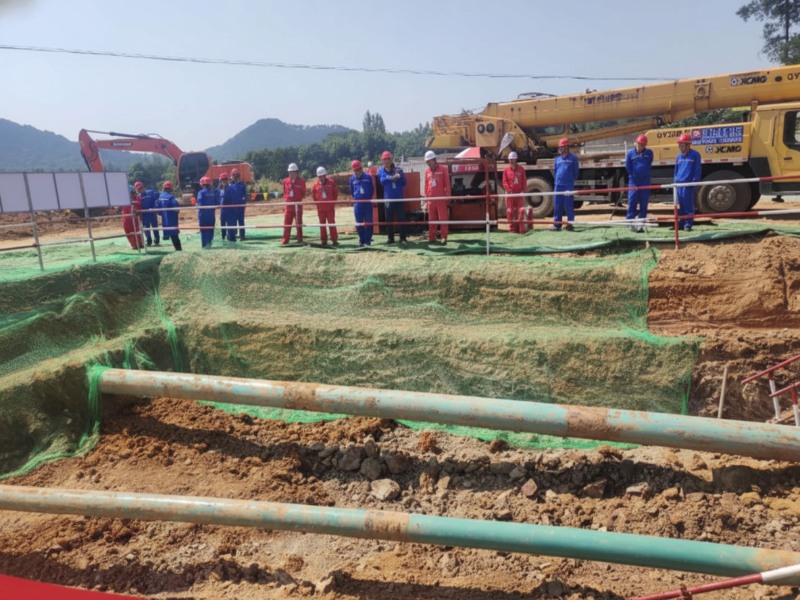
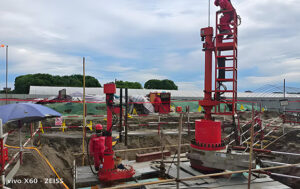
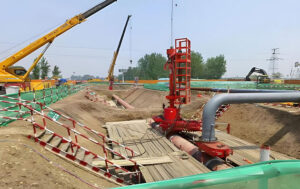
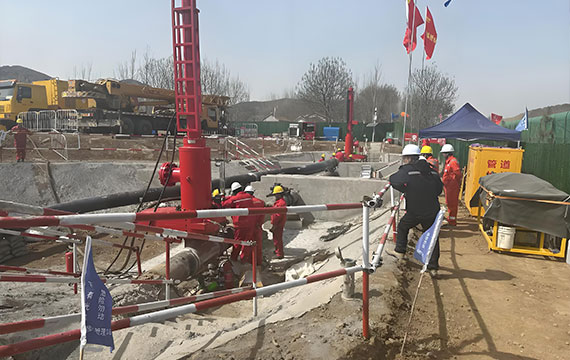
- Movilización in situ: Nuestra tripulación desplegó un conjunto completo de equipos especializados, incluidas nuestras máquinas patentadas de roscado en caliente, actuadores de parada de línea y equipos de soldadura de manguitos tipo B.
- Operaciones por fases: Ejecutamos los trabajos siguiendo una secuencia estricta: en primer lugar, la toma en caliente y la parada de la línea en la línea Anhao, seguidas de la línea Anhe y, por último, las reparaciones de los manguitos de tipo B. Este flujo de trabajo paralelo optimizó el tiempo in situ.
- Supervisión en tiempo real: Durante toda la operación, mantuvimos un control continuo de la presión. Cualquier desviación habría desencadenado una respuesta de emergencia inmediata, garantizando un resultado de cero incidentes.
“La complejidad de este proyecto, con sus tuberías dobles, altas presiones y la coordinación con la construcción del ferrocarril, exigía un socio con profundos conocimientos técnicos. La capacidad de JSW para ejecutar sin problemas las reparaciones de tomas en caliente, parada de líneas y manguitos tipo B en plazos ajustados fue excepcional. Su equipo no se limitó a realizar un servicio; proporcionó una solución completa que mantuvo nuestro proyecto en marcha y, lo que es más importante, seguro”.”
- Director de proyectos, Nanjing Shuoda Engineering Co.
Resultados y beneficios: Aportar valor tangible
Nuestro objetivo era ofrecer algo más que servicios; Nuestro objetivo era ofrecer un resultado sin riesgos que protegiera los resultados de nuestro cliente. El éxito del proyecto se mide por los resultados críticos que conseguimos:
- Parada operativa cero: Gracias a nuestro método de instalación y taponamiento de tuberías de derivación, mantuvimos un caudal de 100% en ambas tuberías durante todo el proyecto, lo que evitó una pérdida de ingresos y unos costes de sobrestadía estimados en más de $500.000 euros.
- Cero incidentes de seguridad: Completamos más de 1.500 horas/hombre en un emplazamiento activo de alta presión con un historial de seguridad impecable, lo que demuestra la fiabilidad de nuestro procedimiento de aislamiento de tuberías de gas natural a alta presión.
- Mayor longevidad de los activos: La instalación de cuatro manguitos de tipo B de alta calidad no sólo resolvió el problema de seguridad inmediato, sino que prolongó la vida útil de la tubería Hefei-Lu'an en más de 20 años.
- Coordinación de infraestructuras sin fisuras: Completamos con éxito la compleja reubicación de la tubería dentro del plazo de construcción del ferrocarril, evitando retrasos en el proyecto de infraestructura nacional crítica.
Acerca de JSW: Su socio en integridad de tuberías
En JSW, somos algo más que una empresa de servicios de tuberías; somos un fabricante y un contratista que ofrece una solución única e integrada. Nuestra doble identidad como fabricante de equipos para oleoductos y gasoductos y como proveedor de servicios de campo nos proporciona una ventaja incomparable. No nos limitamos a utilizar herramientas, sino que las diseñamos y construimos, garantizando así que disponemos de la solución adecuada para los retos más complejos.
Nuestra experiencia abarca:
- Reubicación e instalación de tuberías
- Roscado en caliente y parada de líneas (en tierra)
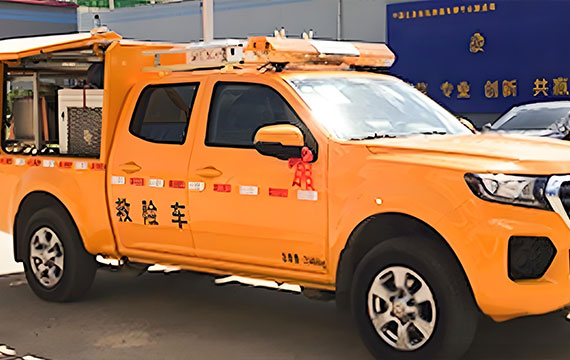
- Reparación y mantenimiento urgente de tuberías
- Manguito tipo B e instalación de reparación compuesta
Combinamos la precisión de la ingeniería con una ejecución probada sobre el terreno para ofrecer seguridad, fiabilidad y certidumbre.





 English
  Arabic
  Russian
  Spanish
  French
  Vietnamese
  Polish
  Thai
Thai  Indonesian
  Turkish
  Portuguese