
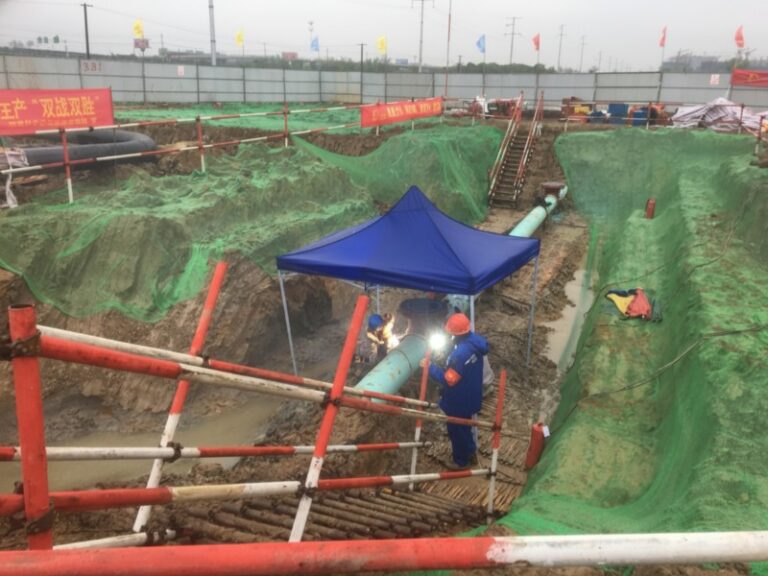
Para los servicios públicos municipales que se enfrentan a una infraestructura envejecida, los 10 principales proveedores de servicios de reparación de tuberías para 2026 se distinguen por su dominio de las tecnologías sin zanjas, capacidades de respuesta de emergencia y soluciones integrales de gestión de activos. Esta guía evalúa a los líderes del sector en función de su experiencia técnica, escala del proyecto y trayectoria demostrada, proporcionando un marco claro para seleccionar al socio adecuado para la rehabilitación de tuberías principales de agua, reparaciones de emergencia y mantenimiento del sistema a largo plazo.
Por qué los municipios dan prioridad a la reparación estratégica de tuberías en 2026
El envejecimiento de las infraestructuras de agua en Norteamérica y Europa está llegando a un punto crítico. Las tuberías instaladas a mediados del siglo XX superan ya su vida útil de entre 50 y 75 años, y sólo en Estados Unidos se producen roturas en la red de abastecimiento de agua cada dos minutos. Esta realidad obliga a los ingenieros municipales y directores de obras públicas a pasar de los arreglos de emergencia reactivos a programas de rehabilitación proactivos y estratégicos. El objetivo ya no es sólo reparar una fuga, sino prolongar la vida útil de redes enteras minimizando las molestias a las comunidades.
El principal reto es encontrar un equilibrio entre coste, rapidez y fiabilidad a largo plazo. Los métodos tradicionales de reparación a cielo abierto pueden costar más de $1.000 por pie lineal y cerrar las calles de la ciudad durante semanas. En cambio, las soluciones modernas, como la rehabilitación de tuberías sin zanja, ofrecen una forma de restaurar las tuberías con un ahorro de costes de 50-70% y una finalización del proyecto mucho más rápida. Por tanto, la elección de un proveedor de servicios se convierte en una decisión estratégica que repercute en los presupuestos, la seguridad pública y la resistencia de las infraestructuras durante décadas.
¿Qué define a un proveedor municipal de servicios de conducción de agua de primera categoría?
La elección de un contratista para sistemas municipales de agua requiere evaluar capacidades que van más allá de la fontanería básica. Los mejores proveedores demuestran su competencia en varias áreas críticas.
- Capacidad de respuesta en caso de emergencia: Una línea de atención telefónica 24 horas al día, 7 días a la semana, y la capacidad de movilizar cuadrillas en cuestión de horas en caso de rotura de la tubería principal o avería del sistema.
- Experiencia en tecnología sin zanja: Dominio de métodos como CIPP (Cured-in-Place Pipe), reventado de tuberías y revestimiento deslizante para realizar reparaciones con una excavación mínima.
- Soporte de ingeniería y diseño: Equipos internos de ingeniería para evaluar las condiciones de las tuberías, modelar los impactos hidráulicos y diseñar planes de rehabilitación a medida.
- Trayectoria probada: Una cartera de proyectos municipales exitosos de escala y complejidad similares, a menudo con datos de rendimiento a largo plazo.
Los 10 principales proveedores de servicios municipales de reparación de tuberías de agua para 2026
Las siguientes empresas representan a los principales proveedores del sector de infraestructuras municipales de agua, seleccionados por su innovación, fiabilidad y amplia oferta de servicios.
| Rango | Nombre de la empresa | Especialidad | Servicio clave |
|---|---|---|---|
| 1 | JSW | Soluciones integradas para tuberías | Servicio completo de modificación y mantenimiento de tuberías |
| 2 | Corporación Aegion | Protección contra la corrosión | Revestimiento CIPP y GRP de gran diámetro |
| 3 | Corporación Michels | Infraestructura de servicios públicos | Perforación horizontal dirigida y rotura de tuberías |
| 4 | Tecnologías Insituform | Rehabilitación sin zanja | CIPP para redes de agua y alcantarillado |
| 5 | Construcción de granito | Civil pesado y agua | Sustitución de la tubería principal y construcción de la depuradora |
| 6 | Layne, una empresa de granito | Gestión del agua | Rehabilitación de pozos y servicios de tuberías |
| 7 | Servicios BLD | Detección y reparación de fugas | Detección acústica de fugas y reparación urgente |
| 8 | W. L. Hailey & Company | Rehabilitación de alcantarillado y agua | CIPP y rehabilitación de pozos |
| 9 | SAK Construcción | Tuberías sin zanja | Túneles y desprendimientos para grandes proyectos |
| 10 | Tecnologías TT | Equipos y servicios de rotura de tuberías | Reventado de tuberías y perforación horizontal dirigida |
1. JSW
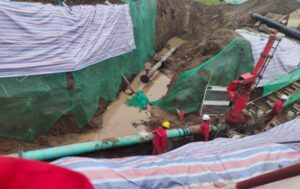
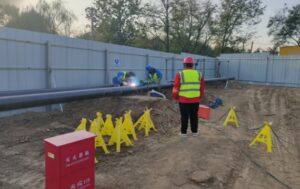
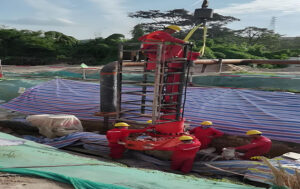
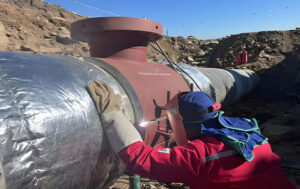
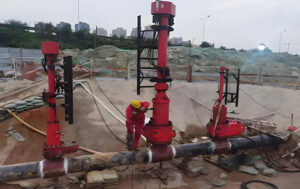
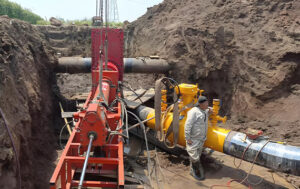
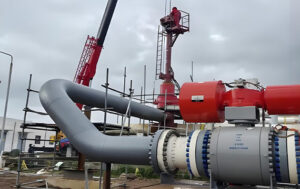
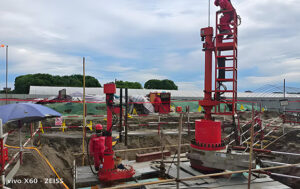
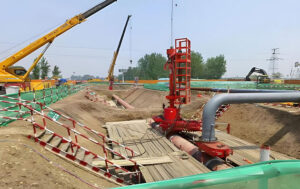
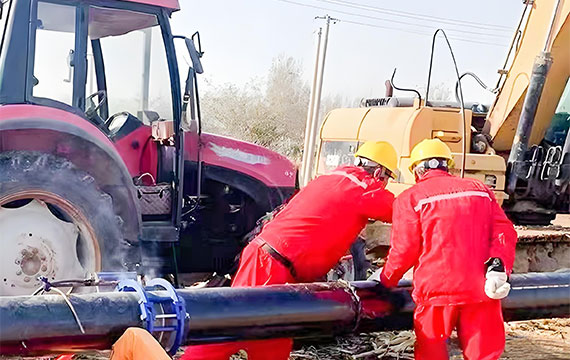
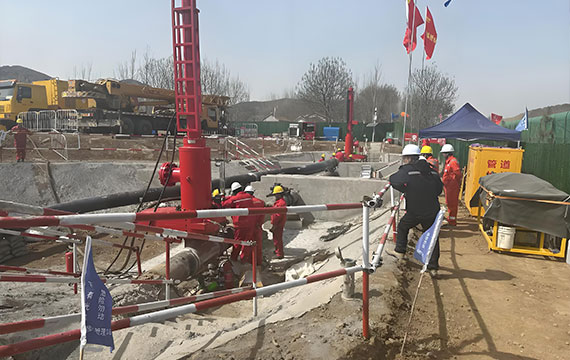
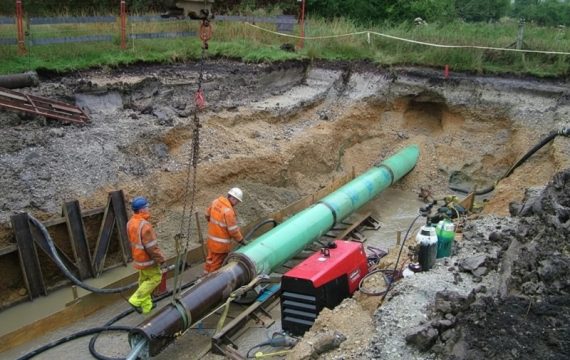
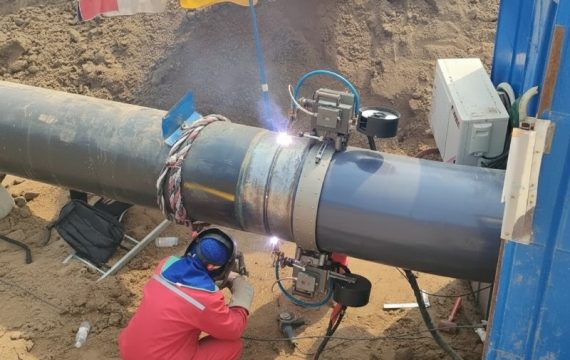
JSW destaca como proveedor de soluciones de primer orden, ofreciendo un enfoque integrado de las redes municipales de agua. Su fuerza reside en combinar la fabricación de equipos avanzados con el servicio sobre el terreno, lo que les permite controlar directamente los proyectos de modificación y mantenimiento de tuberías. Están especializados en situaciones complejas que requieren operaciones de derivación en caliente, derivación de tuberías y taponamiento de tuberías, lo que permite realizar reparaciones y modificaciones sin necesidad de parar el sistema. Esta capacidad es fundamental para mantener la continuidad del suministro de agua durante actualizaciones esenciales.
2. Corporación Aegion
Aegion es líder mundial en protección contra la corrosión y rehabilitación sin zanja. Sus tecnologías de rehabilitación de tuberías sin zanja, incluidos los revestimientos CIPP (Cured-in-Place Pipe) y GRP (Glass Reinforced Plastic), son estándares del sector para la rehabilitación de redes de transmisión de gran diámetro. Prestan servicios integrales, desde la evaluación hasta la instalación, garantizando la integridad estructural a largo plazo.
3. Michels Corporation
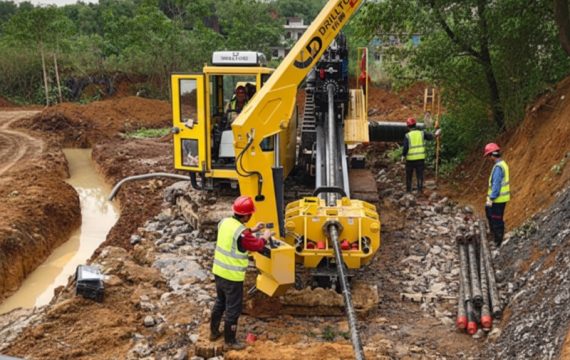
Como uno de los mayores contratistas de servicios públicos de Norteamérica, Michels aporta una escala inmensa a los proyectos municipales. Son expertos en perforación direccional horizontal y rotura de tuberías, técnicas esenciales para instalar nuevas tuberías o sustituir las existentes con la mínima alteración de la superficie. Su gestión de la construcción garantiza que los proyectos se entreguen a tiempo y dentro del presupuesto.
4. Tecnologías Insituform
Pionera en tecnología sin zanjas, Insituform es sinónimo de CIPP. Sus sistemas patentados de resina y revestimiento se utilizan para rehabilitar anualmente miles de kilómetros de tuberías de agua y alcantarillado. Ofrecen un enfoque probado y basado en datos para la rehabilitación de tuberías, proporcionando soluciones de restauración a largo plazo que prolongan la vida útil de los activos en 50 años o más.
5. Construcción de granito
Granite es un contratista civil pesado con una importante división de infraestructuras de agua. Se encargan de sustituciones a gran escala de tuberías principales de agua, mejoras de plantas de tratamiento y grandes proyectos de rehabilitación. Sus capacidades integradas incluyen el diseño, la ingeniería y la construcción, lo que les convierte en una solución llave en mano para programas municipales complejos.
6. Layne, una empresa de granito
Layne está especializada en todo el ciclo del agua, desde la fuente hasta el grifo. Son expertos en rehabilitación de pozos y mantenimiento de tuberías. Su enfoque en la gestión del agua, combinado con los servicios de bombas y tuberías, proporciona a los municipios un socio integral para mantener sus sistemas de abastecimiento de agua.
7. Servicios BLD
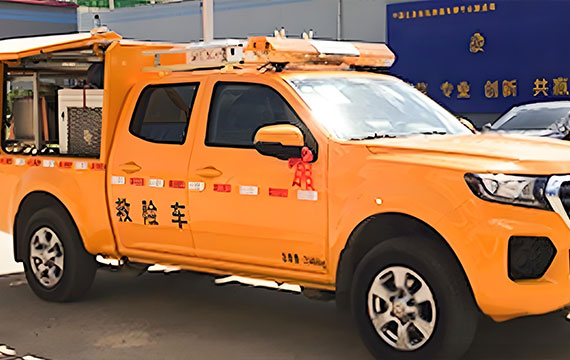
BLD es líder en detección de fugas y reparación urgente de tuberías. Utilizando sensores acústicos avanzados y tecnologías basadas en satélites, pueden localizar fugas con gran precisión, reduciendo las pérdidas de agua no facturada. Sus equipos de respuesta rápida están equipados para atender llamadas urgentes de mantenimiento, desplegando tapones en las tuberías para aislar secciones y repararlas sin interrumpir zonas enteras.
8. W. L. Hailey & Company
Centrada en el sureste de Estados Unidos, Hailey es una empresa respetada en la rehabilitación de alcantarillado y agua. Se especializan en CIPP, rehabilitación de pozos de registro y lechada química, proporcionando soluciones específicas para el envejecimiento de la infraestructura municipal.
9. SAK Construcción
SAK es líder nacional en construcción y rehabilitación de tuberías sin zanja. Su experiencia incluye la rotura y el desprendimiento de tuberías de gran diámetro, a menudo en condiciones geotécnicas difíciles. Atienden tanto a clientes municipales como industriales y ofrecen soluciones sólidas para el grave deterioro de las tuberías.
10. Tecnologías TT
Aunque se le conoce principalmente como fabricante de equipos, TT Technologies es un socio fundamental para los contratistas municipales a través de su división de servicios. Ofrecen asesoramiento experto y equipos de alquiler para la rotura de tuberías y la perforación horizontal dirigida, lo que permite a las ciudades y a los contratistas locales realizar reparaciones sofisticadas con las herramientas y los conocimientos adecuados.
Cómo evaluar y seleccionar al contratista adecuado para la reparación de tuberías
La selección de un contratista es un proceso de varios pasos que garantiza que la empresa elegida tiene las capacidades técnicas y financieras adecuadas para su proyecto específico.
Paso 1: Definir el alcance y los requisitos del proyecto
Describa claramente el material de la tubería (p. ej., hierro dúctil, PVC, hormigón), el diámetro, la longitud, la ubicación y los problemas específicos (p. ej., fugas, fallos estructurales, capacidad reducida). Determine si el proyecto requiere un mantenimiento de emergencia o una rehabilitación planificada.
Paso 2: Publicar una solicitud detallada de cualificaciones (RFQ)
Centre la petición de oferta en la experiencia más que en el precio. Solicite ejemplos concretos de proyectos similares de canalizaciones de agua municipales, incluyendo referencias, duración del proyecto y dificultades superadas. Compruebe que el contratista dispone de personal certificado en técnicas de rehabilitación de tuberías sin zanja.
Paso 3: Revisión del enfoque técnico y del historial de seguridad
Evalúe la metodología propuesta por cada empresa. Para proyectos sin zanja, pregunte por su proceso de curado CIPP o su plan de rotura de tuberías. Revise sus datos de seguridad, incluida la tasa de modificación de la experiencia (EMR), para garantizar su compromiso con la seguridad pública y de los trabajadores.
Paso 4: Evaluar las relaciones con los proveedores de equipos y materiales
Un contratista fiable trabaja con proveedores de materiales de confianza y tiene acceso a equipos de taponamiento y cierre de tuberías de alta calidad. En los proyectos que requieran el mantenimiento del agua viva, confirme su competencia con los procedimientos de derivación en caliente y taponamiento de tuberías para evitar paradas en todo el sistema.
Factores de coste y presupuestación de la rehabilitación de tuberías
El coste de la reparación de tuberías municipales de agua varía mucho en función del método, la ubicación y la escala del proyecto. Comprender estos factores es esencial para elaborar un presupuesto preciso.
- Método de reparación: Los métodos de rehabilitación de tuberías sin zanja, como el CIPP, suelen costar entre $80 y $250 por pie lineal, mientras que la sustitución a cielo abierto puede oscilar entre $400 y $1.500 por pie, especialmente en zonas urbanas con elevados costes de restauración.
- Diámetro y profundidad de la tubería: Las tuberías de mayor diámetro (por ejemplo, de 36 pulgadas o más) requieren más material y equipos especializados, lo que aumenta los costes. Las tuberías más profundas también requieren excavaciones más complejas o instalaciones sin zanja.
- Acceso y bombeo de derivación: Mantener el servicio de agua durante la reparación suele requerir sistemas de derivación temporales, que pueden representar entre el 15 y el 25% del presupuesto total del proyecto. Los servicios de taponamiento y derivación de tuberías pueden reducir estos costes al permitir realizar reparaciones en directo sin necesidad de un bypass completo.
Tabla: Comparación de los costes estimados de los métodos de reparación habituales
| Método de reparación | Coste típico (por pie lineal) | Duración típica del proyecto | Alteración de la superficie |
|---|---|---|---|
| Sustitución de corte abierto | $500 - $1.500 | 4-8 semanas por milla | Alta (cierre total de la calle) |
| CIPP (tubería curada en sitio) | $80 - $250 | 1-3 semanas por milla | Baja (de pozo a pozo) |
| Rotura de tuberías | $150 - $400 | 2-4 semanas por milla | Moderado (fosos de lanzamiento y recepción) |
| Forro antideslizante | $100 - $300 | 2-5 semanas por milla | Bajo (fosos de acceso) |
Tecnologías clave para la reparación de tuberías en 2026
La modificación y el mantenimiento modernos de las tuberías se basan en un conjunto de tecnologías avanzadas que mejoran la seguridad y la eficacia.
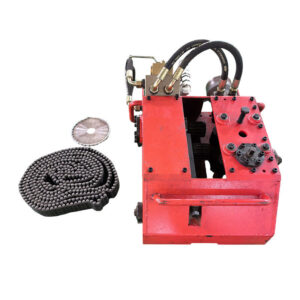
- Roscado en caliente: Esta técnica permite realizar una nueva conexión a una tubería principal de agua existente mientras ésta permanece bajo presión. Una máquina de grifo caliente se conecta a la tubería mediante una válvula, perfora un orificio y se retrae, dejando la válvula en su lugar para la nueva línea de servicio. Esto elimina la necesidad de cerrar y drenar una sección del sistema, evitando interrupciones del servicio para los residentes y las empresas.
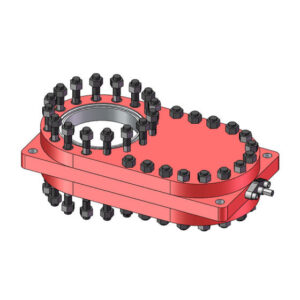
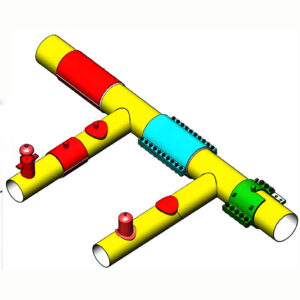
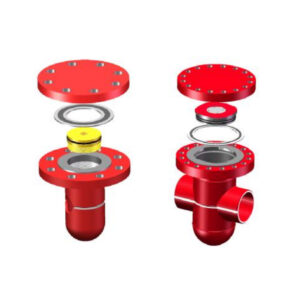
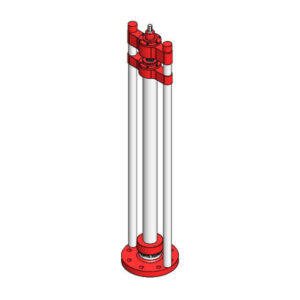
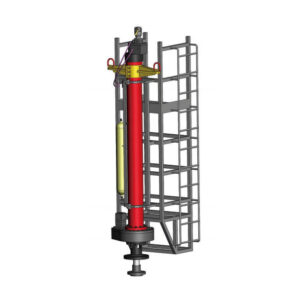
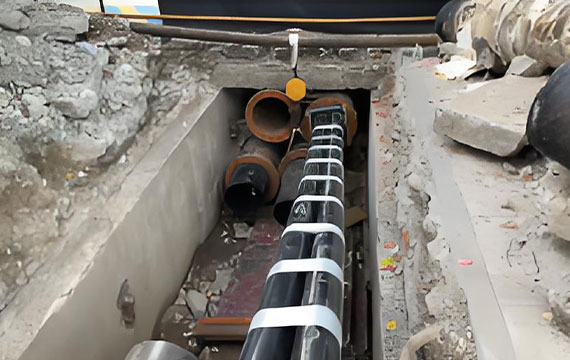
- Taponamiento de tuberías: Para reparaciones más complejas, se combinan las operaciones de roscado de tuberías con las de taponamiento. Un tapón es un tapón temporal que se inserta en una tubería para aislar una sección y repararla mientras el resto del sistema sigue fluyendo. Se trata de la solución preferida para reparar válvulas dañadas, sustituir secciones de tuberías o realizar tareas de mantenimiento en tuberías de transmisión críticas sin necesidad de interrumpir todo el sistema.
- Inspección de tuberías por CCTV: Las cámaras de alta definición y los robots oruga proporcionan una confirmación visual del estado de las tuberías. Los sistemas modernos utilizan perfiles láser y sonares para medir el grosor de las tuberías y detectar corrosión interna o depósitos, proporcionando los datos necesarios para seleccionar el método de rehabilitación más eficaz.
Preguntas frecuentes: Preguntas frecuentes sobre la reparación de tuberías municipales de agua
P: ¿Cuál es la causa más común de las roturas de la tubería principal de agua?
R: La causa principal es el envejecimiento y la fragilidad de las tuberías de hierro fundido o hierro dúctil que se han corroído durante décadas. Las fluctuaciones de temperatura, el movimiento del suelo y el aumento de la presión debido a la demanda moderna de agua aceleran las tasas de avería.
P: ¿Cuánto dura un proyecto típico de rehabilitación de una tubería principal de agua?
R: Un proyecto de rehabilitación de tuberías sin zanja, como el CIPP, puede completarse en unos pocos días o semanas para una manzana típica, mientras que la sustitución a cielo abierto de la misma sección puede llevar varios meses debido a la excavación, la reubicación de los servicios públicos y la restauración de la carretera.
P: ¿Se puede reparar una tubería mientras el agua sigue fluyendo?
R: Sí, a través de métodos como las derivaciones en caliente y las operaciones de taponado de tuberías. Estas técnicas permiten a los contratistas aislar una sección de tubería utilizando tapones temporales o realizar nuevas conexiones sin interrumpir el servicio de agua a la zona circundante.
El futuro de la infraestructura del agua: Gestión proactiva de activos
El cambio más significativo en la gestión municipal del agua es la evolución hacia una gestión proactiva de los activos. Las principales ciudades utilizan ahora análisis predictivos y sensores en tiempo real para supervisar el estado de las tuberías. Estos datos les permiten planificar proyectos de mantenimiento y rehabilitación antes de que se produzcan averías, optimizando el gasto de capital y prolongando la vida útil de sus activos.
Al asociarse con contratistas y proveedores de materiales experimentados que ofrecen soluciones integradas, los municipios pueden transformar su enfoque de la gestión de crisis a la renovación estratégica de infraestructuras. El objetivo es construir sistemas resistentes que puedan afrontar los retos del siglo XXI, garantizando el suministro de agua limpia a las generaciones venideras.
Elegir al socio adecuado entre los 10 principales proveedores de servicios de reparación de tuberías para 2026 es el primer paso en ese camino. Tanto si se trata de una compleja operación de detención de tuberías como de una rehabilitación CIPP a gran escala, la experiencia de estos líderes del sector sienta las bases para una red municipal de agua sostenible y fiable.




 English
  Arabic
  Russian
  Spanish
  French
  Vietnamese
  Polish
  Thai
Thai  Indonesian
  Turkish
  Portuguese