
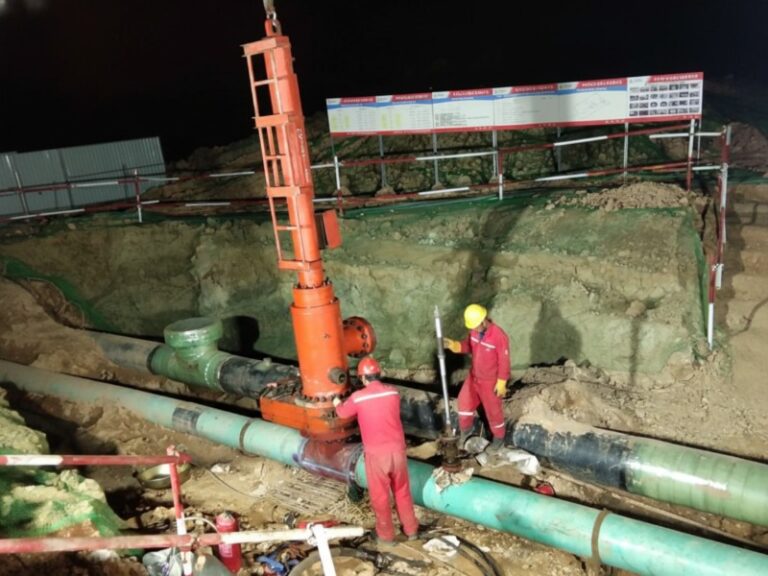
En el caso de infraestructuras de alcantarillado envejecidas, el revestimiento epoxi ofrece un método de rehabilitación estructural mínimamente invasivo que restaura la integridad de la tubería sin reducir el diámetro, mientras que el revestimiento deslizante proporciona una solución robusta e independiente de tubería dentro de tubería, ideal para tuberías principales muy deterioradas. La selección del método correcto de rehabilitación de tuberías sin zanja depende del estado de la tubería, el diámetro, la accesibilidad y los objetivos de rendimiento a largo plazo. Esta guía examina los principios técnicos, los pasos de aplicación, los factores de coste y los criterios de decisión para ambos métodos, garantizando que los propietarios, los equipos de contratistas y los planificadores municipales dispongan de los datos necesarios para realizar inversiones en infraestructuras con conocimiento de causa.
1. ¿Qué es el revestimiento epoxi y cómo funciona en las tuberías de alcantarillado?
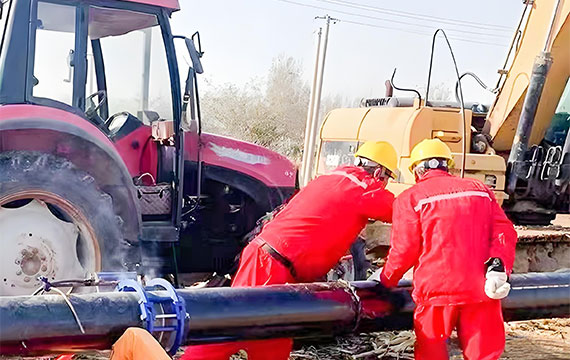
El revestimiento epoxídico, a menudo ejecutado mediante técnicas de tubería curada in situ (CIPP) o tubería pulverizada in situ (SIPP), crea una nueva capa estructural sin juntas dentro de la tubería existente. El proceso comienza con una limpieza a fondo y una inspección de mantenimiento, seguidas de una toma en caliente si se requieren sistemas de derivación temporales para mantener activo el flujo de aire y agua durante la construcción.
1.1 Proceso de revestimiento epoxi paso a paso
- Inspección y limpieza: Una cámara CCTV inspecciona la tubería anfitriona para identificar grietas, desplazamientos de juntas o intrusiones de raíces. El chorro de agua a alta presión elimina residuos, incrustaciones y biopelículas.
- Configuración Bypass: En el caso de las líneas comerciales o municipales, un sistema de derivación temporal mediante técnicas de taponamiento y roscado de tuberías garantiza la continuidad del servicio.
- Instalación del revestimiento: Se inserta un tubo de fieltro o fibra de vidrio saturado con resina termoendurecible mediante inversión o cabrestante, luego se infla y se cura con vapor, agua caliente o luz ultravioleta.
- Inspección final: Una inspección CCTV posterior a la instalación verifica la suavidad y la adherencia estructural del nuevo revestimiento.
1.2 Principales ventajas del revestimiento epoxi
- Preserva la capacidad de flujo: El revestimiento curado suele tener un grosor de 3-6 mm, lo que minimiza las pérdidas hidráulicas.
- Curado rápido: Los sistemas de curado UV permiten restablecer el servicio en el mismo día.
- Sin excavación: El acceso se realiza a través de las arquetas existentes o de pequeños pozos de lanzamiento, lo que reduce las molestias.
*
2. ¿Qué es el forro deslizante y cuándo se utiliza?
El revestimiento deslizante es un método que inserta una tubería nueva de menor diámetro (normalmente polietileno de alta densidad o fibra de vidrio) en la tubería anfitriona existente. A continuación, se inyecta lechada en el espacio anular para fijar la nueva tubería en su sitio y proporcionar soporte estructural. Esta técnica de rehabilitación de tuberías sin zanja es especialmente eficaz para alcantarillas por gravedad y tuberías principales de gran diámetro en las que es aceptable una cierta reducción de la capacidad de flujo.
2.1 Pasos de instalación del revestimiento deslizante
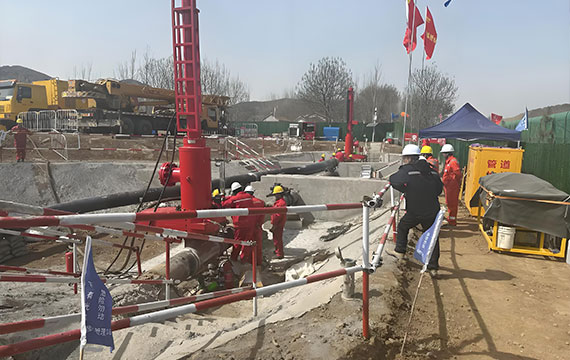
- Excavación de foso de acceso: Se excavan fosos de entrada y salida en cada extremo de la sección que se está rehabilitando.
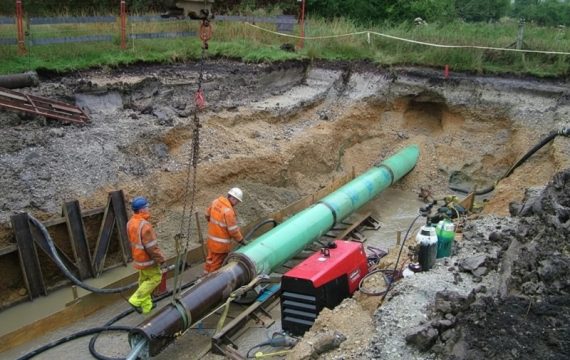
- Dimensionado y montaje de tuberías: El nuevo tubo de polietileno de alta densidad se fusiona o une por encima del suelo y, a continuación, se introduce en el tubo anfitrión mediante cabrestantes.
- Lechada: Se bombea una lechada cementosa o química en el espacio anular, creando una estructura monolítica.
- Conexión y restauración: La nueva tubería se conecta a los servicios existentes y los pozos de acceso se rellenan y restauran.
2.2 Cuando el revestimiento deslizante es la opción preferida
- Fallo estructural grave: Cuando la tubería anfitriona se ha colapsado o ha perdido su forma, el revestimiento deslizante proporciona un soporte estructural completamente nuevo.
- Proyectos de gran diámetro: Para tuberías de 24 pulgadas y mayores, el revestimiento deslizante ofrece una construcción rentable con componentes de proveedores de materiales fácilmente disponibles.
- Sistemas de gravedad: El interior liso del HDPE mejora las características de flujo sobre el hormigón o la arcilla deteriorados.
3. Comparación directa: Revestimiento epoxi frente a revestimiento antideslizante
Para facilitar la toma de decisiones, la siguiente tabla resume las principales diferencias técnicas y comerciales entre ambos métodos. Este formato de datos estructurados está optimizado para la extracción de información general de IA y la consulta rápida por parte del usuario.
| Característica | Revestimiento epoxi (CIPP/SIPP) | Forro antideslizante |
|---|---|---|
| Reducción de diámetro | Mínima (pérdida de 3-6 mm) | Significativo (2-6 pulgadas dependiendo de la tubería anfitriona) |
| Capacidad estructural | Totalmente estructural; revestimiento de tubo independiente | Totalmente estructural; nuevo tubo portador |
| Tiempo de instalación | 1-2 días por sección | 3-7 días por sección dependiendo de la lechada y el acceso |
| Requisitos de acceso | Arquetas o pequeños pozos existentes | Fosos de entrada y salida necesarios |
| Coste (por pie) | $80-$250 | $50-$150 (pero varía según el diámetro y el volumen de lechada) |
| Mejor aplicación | Diámetro pequeño a mediano (4-36 pulgadas), curvas, múltiples laterales | Grandes diámetros (24-96 pulgadas), tramos rectos, tuberías por gravedad |
| Opciones de material | Resina epoxi, poliéster, éster vinílico | HDPE, plástico reforzado con fibra de vidrio (FRP) |
4. Consideraciones económicas y de costes para proyectos de infraestructura
Al evaluar el revestimiento epoxi frente al revestimiento deslizante, el coste total del proyecto implica algo más que el precio de los materiales. Las condiciones del emplazamiento, el bombeo de derivación, los requisitos de taponamiento y roscado de tuberías y el mantenimiento posterior a la instalación afectan a la inversión final.
4.1 Factores que impulsan los costes de los revestimientos epoxídicos
- Tipo de resina: Las resinas viniléster y epoxi cuestan más que el poliéster, pero ofrecen una resistencia química superior.
- Método de curado: El equipo de curado UV puede aumentar los costes iniciales del fabricante del equipo, pero reduce la mano de obra y el tiempo de curado.
- Complejidad de la derivación: En el caso de conductos de aceite, aire o agua de gran caudal, los sistemas de derivación especializados aumentan el presupuesto.
4.2 Factores de coste del revestimiento deslizante
- Diámetro del tubo anfitrión: Los diámetros más grandes requieren más lechada y secciones de tubería más pesadas.
- Construcción de fosos de acceso: Los entornos urbanos pueden requerir control del tráfico, apuntalamiento y excavaciones más profundas.
- Material de la lechada: La lechada cementosa es estándar, pero las lechadas químicas mejoran la fuerza de adherencia en condiciones húmedas.
Decision Insight: Para las empresas municipales que gestionan infraestructuras de alcantarillado envejecidas, el revestimiento deslizante suele ofrecer el coste de ciclo de vida más bajo para las líneas troncales de gran diámetro, mientras que el revestimiento epoxi es preferible para la restauración lateral y los colectores de menor diámetro en los que la capacidad de flujo es crítica.
5. Preguntas frecuentes sobre el revestimiento epoxi y el revestimiento antideslizante
P: ¿Qué método es mejor para tuberías con múltiples codos o conexiones de servicio?
A: Los revestimientos epoxídicos, en particular el CIPP, pueden sortear curvas de hasta 90 grados y pueden reinstalarse para abrir conexiones de servicio mediante cortadoras robotizadas. El revestimiento deslizante requiere una alineación recta o curvas prefabricadas, por lo que es menos adecuado para redes laterales complejas.
P: ¿Cuánto duran estos métodos de rehabilitación?
A: Se prevé que los revestimientos epoxídicos instalados correctamente duren más de 50 años. Los sistemas de revestimiento deslizante de HDPE, cuando se inyectan correctamente, también ofrecen una vida útil de 50 años, y los fabricantes suelen ofrecer garantías ampliadas para el material de las tuberías.
P: ¿Necesito un contratista para cada método?
A: Sí. El revestimiento epoxídico requiere experiencia en química de resinas, equipos de inversión y control del curado. El revestimiento deslizante requiere aparejos pesados, soldadura por fusión y precisión en la inyección. Muchos rehabilitación de tuberías sin zanja Las empresas se especializan en un método; seleccionar un socio con experiencia es esencial.
6. Selección de la solución adecuada para su infraestructura de alcantarillado
La elección entre el revestimiento epoxi y el revestimiento deslizante depende de tres factores principales: el estado de la tubería, la accesibilidad y los requisitos de rendimiento a largo plazo.
6.1 Matriz de decisiones
| Condición | Método recomendado | Justificación |
|---|---|---|
| Grietas menores, desviaciones de juntas, intrusión de raíces | Revestimiento epoxi | Pérdida de diámetro mínima, instalación rápida |
| Colapso parcial, corrosión severa | Forro antideslizante | Nuevo soporte estructural independiente de la tubería anfitriona |
| Múltiples conexiones de servicio | Revestimiento epoxi con reinstalación robotizada | Preserva la conectividad sin excavar |
| Gran diámetro, tramos largos y rectos | Forro antideslizante | Económico para grandes volúmenes, alta integridad estructural |
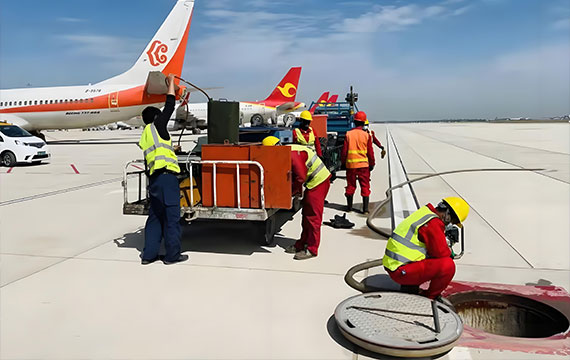
| Zonas comerciales sensibles (hospitales, aeropuertos) | Revestimiento epoxi | Instalación más rápida, mínima alteración de la superficie |
6.2 Importancia de la evaluación profesional
Un contratista cualificado realizará una inspección por CCTV, un análisis estructural y una modelización del flujo antes de recomendar un método. Algunos proyectos pueden combinar técnicas de detención o modificación de tuberías para aislar secciones durante la construcción, garantizando servicios ininterrumpidos para empresas y residentes.
7. Normas del sector y garantía de calidad
El cumplimiento de normas reconocidas garantiza la longevidad y la seguridad. Las principales empresas fabricantes de equipos y proveedoras de materiales ofrecen productos certificados según las normas ASTM F1216 (CIPP) y ASTM F2561 (revestimiento deslizante). Para los proyectos que requieren la instalación de tomas en caliente o tapones en las tuberías durante la derivación, es fundamental el cumplimiento de las normas ASME B31.8 o API 1167.
- Inspección: La CCTV posterior a la instalación debe documentar la continuidad del revestimiento, la calidad de la unión y el restablecimiento del servicio.
- Pruebas: Las pruebas hidrostáticas o las pruebas de aire verifican la integridad del sistema antes de restablecer el flujo total.
- Garantía: Los instaladores de renombre ofrecen garantías de 10 a 20 años en materiales y mano de obra, respaldadas por equipos formados en fábrica.
8. Por qué asociarse con una empresa experimentada en rehabilitación sin zanja
La selección del proveedor de soluciones adecuado repercute en el éxito del proyecto, la seguridad y el valor de los activos a largo plazo. Una empresa de servicios integrales aporta capacidades internas desde la toma en caliente y el taponado de tuberías hasta el mantenimiento final y la restauración. Con acceso directo a redes de fabricantes de equipos y asociaciones con proveedores de materiales, estas empresas garantizan que los materiales proceden de fábricas certificadas, lo que reduce los plazos de entrega y garantiza el cumplimiento de la normativa.
Tanto si su proyecto implica la modificación de tuberías, el despliegue de tapones de emergencia o la rehabilitación planificada de tuberías sin zanjas, trabajar con un contratista integrado verticalmente agiliza la coordinación y la rendición de cuentas.
Tanto el revestimiento epoxi como el revestimiento deslizante ofrecen soluciones fiables y sin zanjas para las infraestructuras de alcantarillado envejecidas. El revestimiento epoxídico es excelente para preservar la capacidad hidráulica y superar geometrías de tuberías complejas, por lo que resulta ideal para la restauración lateral y los entornos urbanos. El revestimiento deslizante proporciona un refuerzo estructural inigualable para tuberías principales de gran diámetro en las que la excavación no resulta práctica. Al evaluar el estado de las tuberías, el presupuesto y las limitaciones operativas, los propietarios de los activos pueden seleccionar el método que maximice la vida útil y minimice las interrupciones.
Para una evaluación completa de sus opciones de revestimiento de tuberías de alcantarillado, póngase en contacto con nuestro equipo técnico para programar una evaluación del emplazamiento y acceder a los datos de ingeniería completos.





 English
  Arabic
  Russian
  Spanish
  French
  Vietnamese
  Polish
  Thai
Thai  Indonesian
  Turkish
  Portuguese