An industrial worker in a high-visibility safety vest uses a tablet with augmented reality overlays depicting underground piping systems for maintenance and inspection.

Can I get a trenchless construction quote online?

Yes, you can get a trenchless construction quote online for most residential and many commercial projects. However, accurate estimates require specific information including pipe material, damage length, photos, and often a camera inspection. This article explains the online quoting process, required information, cost ranges, accuracy limits, and how to compare bids.

Read More »
A cross-section illustration showing the trenchless pipe bursting process, featuring a bursting head breaking an old gray pipe while pulling a new blue pipe into place using a winch and steel cable between entry and exit pits.

How much does pipe bursting cost per foot?

The typical planning range for pipe bursting cost per foot is $60–$200 per foot, but actual quotes vary based on pipe diameter, depth, soil conditions, access constraints, and restoration scope. This article explains how pipe bursting pricing is structured, how it compares to excavation and other trenchless pipe rehabilitation methods,

Read More »
A detailed cross-section illustration of the trenchless pipe bursting method, showing a new HDPE pipe being pulled through an existing damaged pipe by a steel cable, with workers at the insertion and launch pits.

How Much Does Trenchless Pipeline Installation Cost?

The trenchless pipeline installation cost typically ranges from $80 to $250 per foot overall, but the actual price varies significantly by method—such as HDD ($100–$250/ft), pipe bursting ($60–$200/ft), CIPP ($80–$180/ft), and microtunneling ($150–$300+/ft)—as well as by project type, site conditions, and construction complexity. Most buyers are not just asking “how

Read More »
Comparison infographic showing trenchless vs traditional pipeline construction methods with ROI data for 2026 infrastructure projects

Trenchless vs. Traditional: A ROI analysis for 2026 infrastructure projects

For 2026 infrastructure projects, trenchless technologies deliver a 20-35% higher ROI than traditional open-cut methods when factoring in total costs, social impact, and project duration. This analysis covers cost breakdowns, timeline comparisons, environmental impact, and application scenarios for both trenchless and traditional construction methods, helping contractors, municipal planners, and asset

Read More »
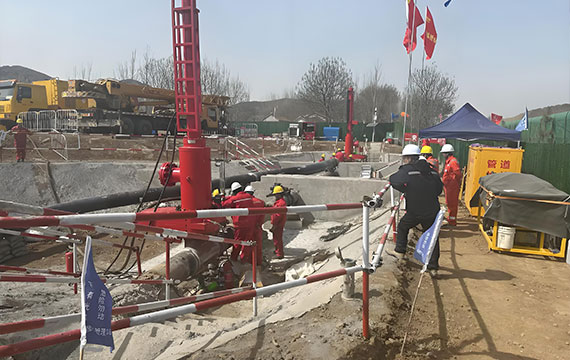
Workers installing fittings for natural gas pipeline hot tapping on in-service pipeline, in excavation pit with construction gear

CIPP vs. Slip-lining: Which is more cost-effective for large-diameter pipes?

For large-diameter pipes (typically 36 inches and above), CIPP is generally more cost-effective than slip-lining when considering total project costs, operational disruption, and long-term performance, though slip-lining offers advantages in specific scenarios involving severe structural degradation or non-circular profiles. This comprehensive guide compares both trenchless pipe rehabilitation methods across material

Read More »
A technician in a white lab coat, hard hat, and safety goggles operates a universal materials testing machine in a high-tech quality control laboratory.

CIPP Liner Testing: How Certified Labs Ensure Quality & Longevity for Cured-in-Place Pipe

Certified laboratory testing of CIPP liners validates structural integrity, confirms specification compliance, and guarantees 50+ year service life for trenchless pipe rehabilitation projects. This comprehensive guide covers testing methodologies from pre-installation material verification through post-installation validation, including ASTM standards, laboratory accreditation requirements, field monitoring protocols, and how to select qualified

Read More »
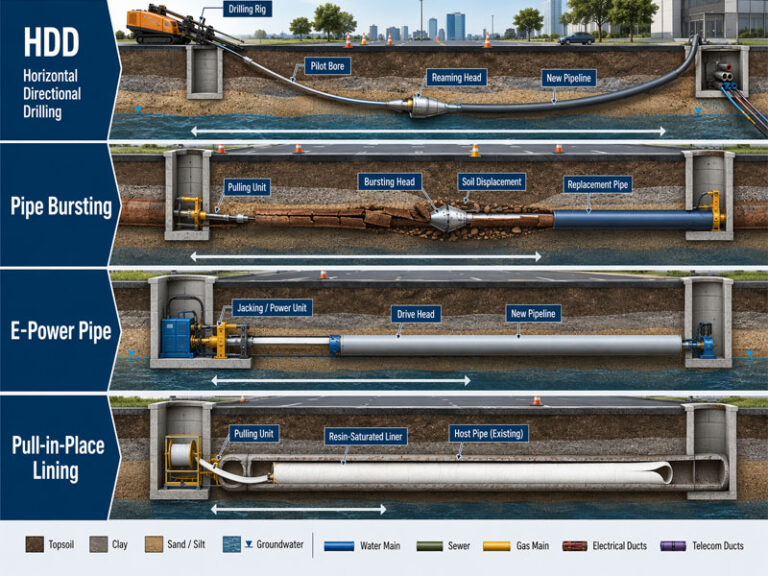
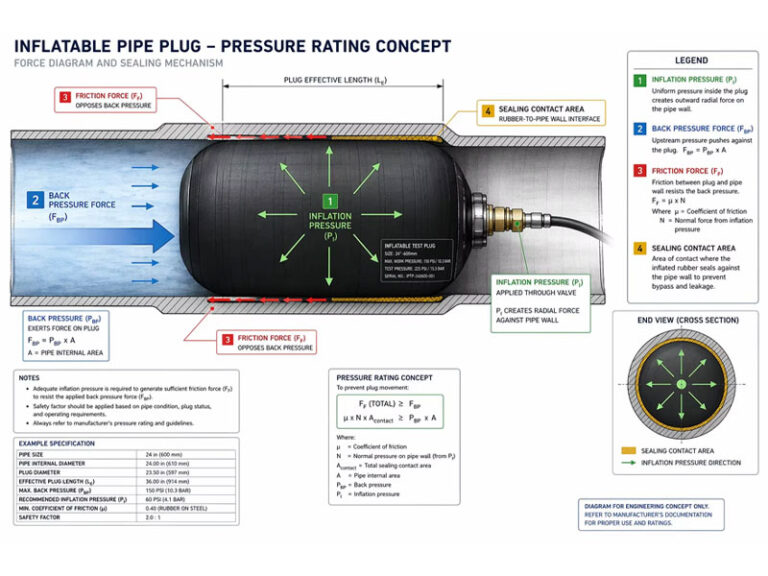
Engineering infographic comparing pulling-distance concepts for HDD, pipe bursting, E-Power Pipe, and pull-in-place lining in underground pipelines

Maximum Distance a Pipe Can Be Pulled Using Trenchless Methods: HDD Pull Length, Pipe Bursting & Lining Limits

The maximum distance a pipe can be pulled using trenchless methods ranges from approximately 50 meters to more than 3,000 meters, depending on the installation technology, pipe characteristics, ground conditions, and equipment limitations. For new pipeline construction, Horizontal Directional Drilling (HDD) typically achieves 200–800 meters per pull. For pipeline rehabilitation, specialized

Read More »
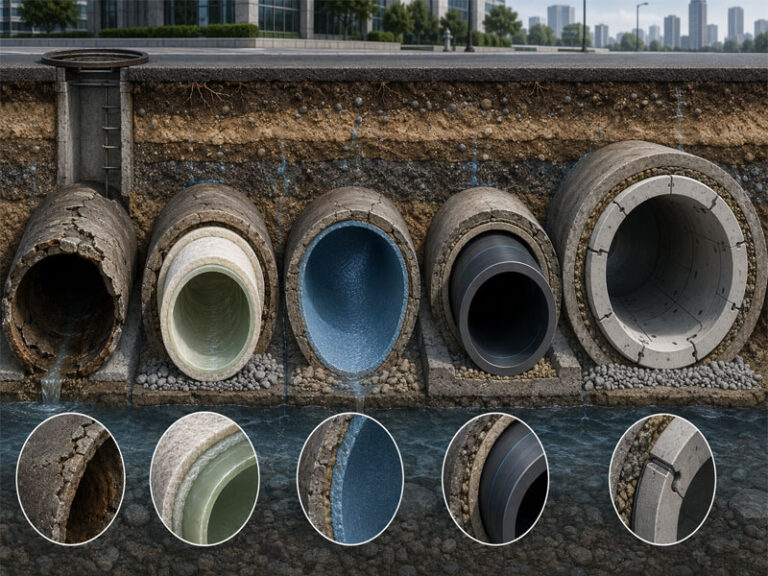
Engineering cutaway illustration comparing CIPP resin liners, spray-applied polyurea, HDPE sliplining, and UHPC structural lining segments in underground sewer pipes.

Best Trenchless Pipe Rehabilitation Materials: CIPP, Polyurea, HDPE Comparison

Best Materials for Trenchless Pipe Rehabilitation The most widely used and effective materials for trenchless pipe rehabilitation are thermosetting resin systems—specifically epoxy, polyester, and vinyl ester—combined with reinforcement fabrics such as fiberglass or polyester felt. For most municipal sewer rehabilitation projects, polyester CIPP offers the best cost-to-performance balance, while epoxy CIPP is preferred for pipes

Read More »