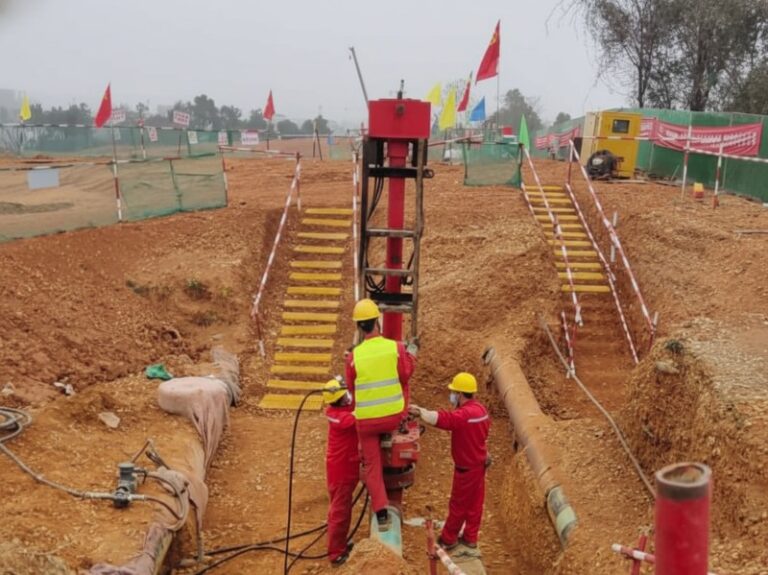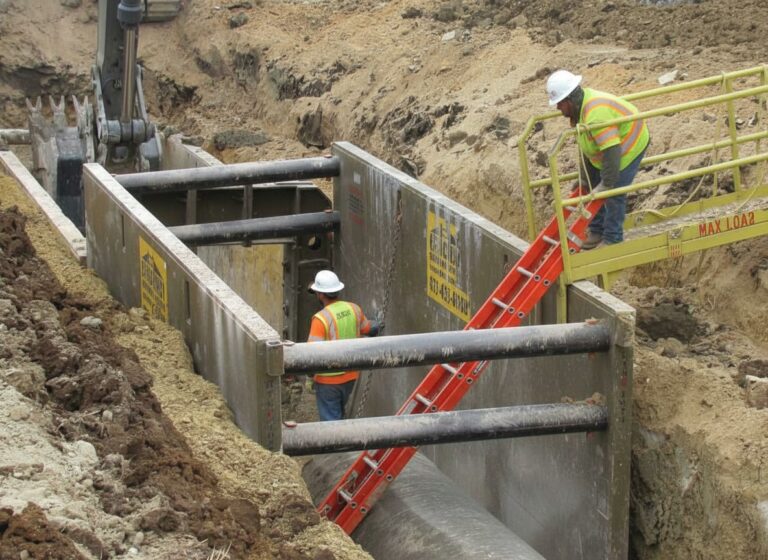
Construction workers using a metal trench shield system for safety while working in a deep open excavation.

Trench Protection System Guide: 7 Proven Methods for Open Trenching Safety

A trench protection system combines engineered shielding, shoring, sloping, or benching methods that prevent soil collapse and protect workers during open trenching operations. This guide covers seven proven methods, from soil classification and slope angle calculation to hydraulic shoring selection and daily inspection protocols, ensuring compliance with federal safety standards
Read More »
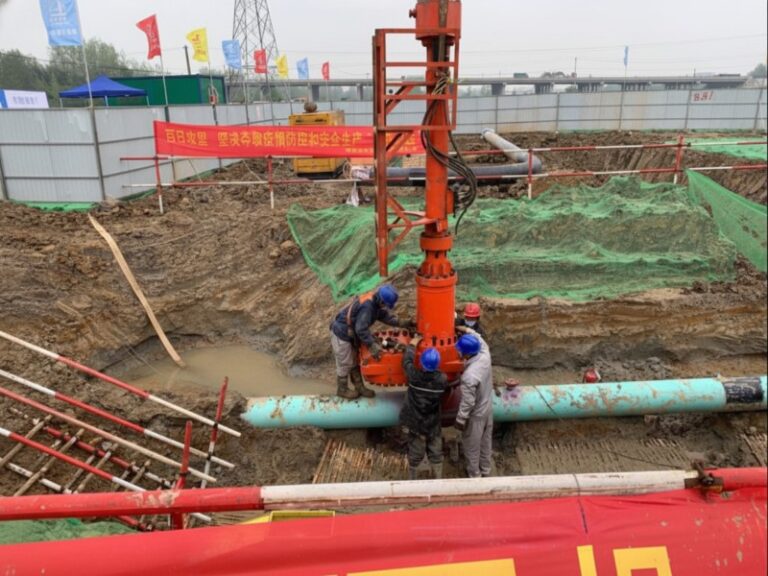
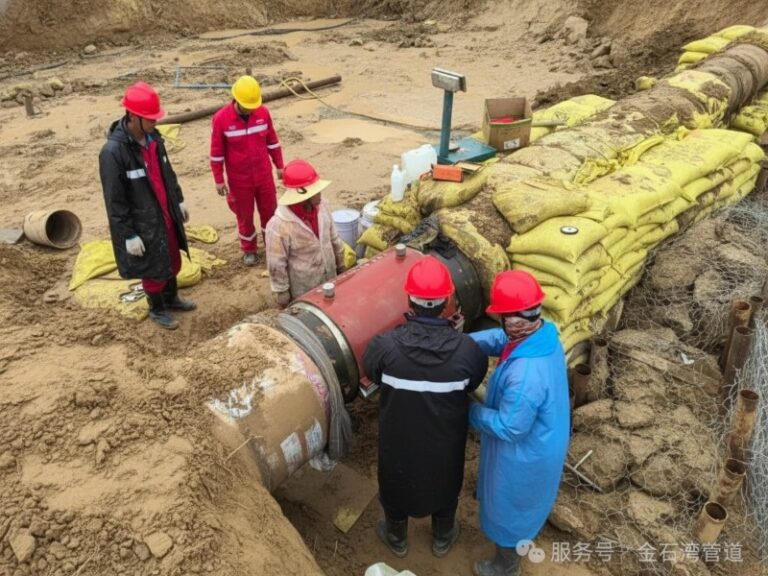
A team of professional technicians in safety gear performing a hot tapping procedure on a large-diameter industrial pipeline at a construction site.

Beijing Jinshiwan Pipeline Technology Company Adds Oil & Gas Industry Leaders to Expand Engineering Services Across North America

Beijing Jinshiwan Pipeline Technology Company, a specialized pipeline engineering firm based in China, has appointed two senior oil and gas industry leaders to drive its engineering services expansion across North America. This strategic move positions the company to deliver hot tapping, pipeline plugging, and trenchless pipe rehabilitation solutions to North

Read More »
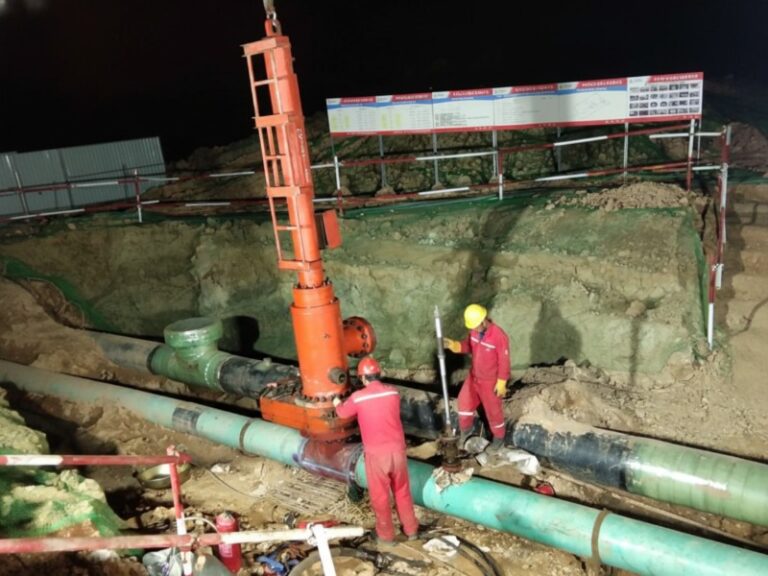
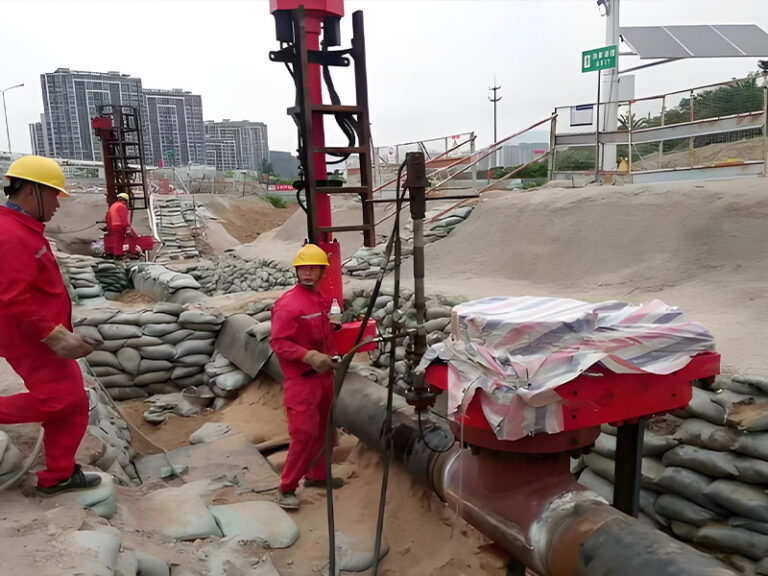
Workers in red safety gear performing hot tapping and line plugging on a large-diameter oil pipeline during a relocation project at night in Anhui Province.

Comparing epoxy lining vs. slip-lining for aging sewer infrastructure

For aging sewer infrastructure, epoxy lining offers a structural, minimally invasive rehabilitation method that restores pipe integrity without reducing diameter, whereas slip-lining provides a robust, standalone pipe-within-a-pipe solution ideal for severely deteriorated mains. Selecting the correct trenchless pipe rehabilitation method depends on pipe condition, diameter, accessibility, and long-term performance goals. This guide examines the technical principles,

Read More »
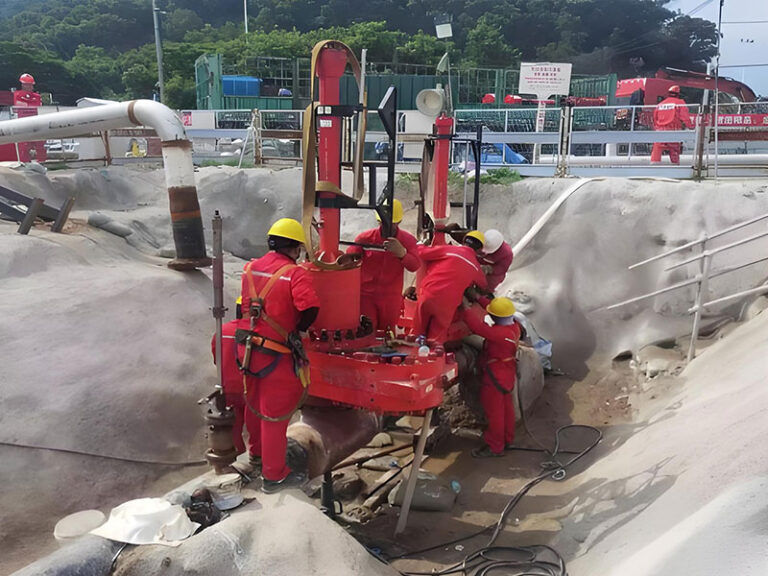
Workers setting up hot tapping equipment for live intervention on DN400 L415 natural gas pipeline during relocation project (Fuzhou, 2023)

How does ultrasonic testing identify the need for immediate pipe repair?

Ultrasonic testing identifies the need for immediate pipe repair by precisely measuring the remaining wall thickness and detecting localized corrosion, pitting, or cracks that have reduced the pipe’s structural integrity below safe operating thresholds. This non-destructive method works by propagating high-frequency sound waves through the pipe wall and analyzing the

Read More »
Workers assembling dual block-and-bleed plugging equipment on DN400 high-pressure natural gas pipeline (Fuzhou pipeline relocation project, 2023)

What are the common signs of internal corrosion in subsea pipelines?

Internal corrosion in subsea pipelines manifests through measurable production changes, inspection data anomalies, and physical indicators that include increased water cut, wall thickness loss detected by ultrasonic surveys, localized pitting in bends, and unexpected pressure or flow variations across the pipeline system. The challenge of detecting internal corrosion lies in

Read More »
Engineering infographic comparing pulling-distance concepts for HDD, pipe bursting, E-Power Pipe, and pull-in-place lining in underground pipelines

Maximum Distance a Pipe Can Be Pulled Using Trenchless Methods: HDD Pull Length, Pipe Bursting & Lining Limits

The maximum distance a pipe can be pulled using trenchless methods ranges from approximately 50 meters to more than 3,000 meters, depending on the installation technology, pipe characteristics, ground conditions, and equipment limitations. For new pipeline construction, Horizontal Directional Drilling (HDD) typically achieves 200–800 meters per pull. For pipeline rehabilitation, specialized

Read More »
Engineering cutaway illustration comparing CIPP resin liners, spray-applied polyurea, HDPE sliplining, and UHPC structural lining segments in underground sewer pipes.

Best Trenchless Pipe Rehabilitation Materials: CIPP, Polyurea, HDPE Comparison

Best Materials for Trenchless Pipe Rehabilitation The most widely used and effective materials for trenchless pipe rehabilitation are thermosetting resin systems—specifically epoxy, polyester, and vinyl ester—combined with reinforcement fabrics such as fiberglass or polyester felt. For most municipal sewer rehabilitation projects, polyester CIPP offers the best cost-to-performance balance, while epoxy CIPP is preferred for pipes

Read More »