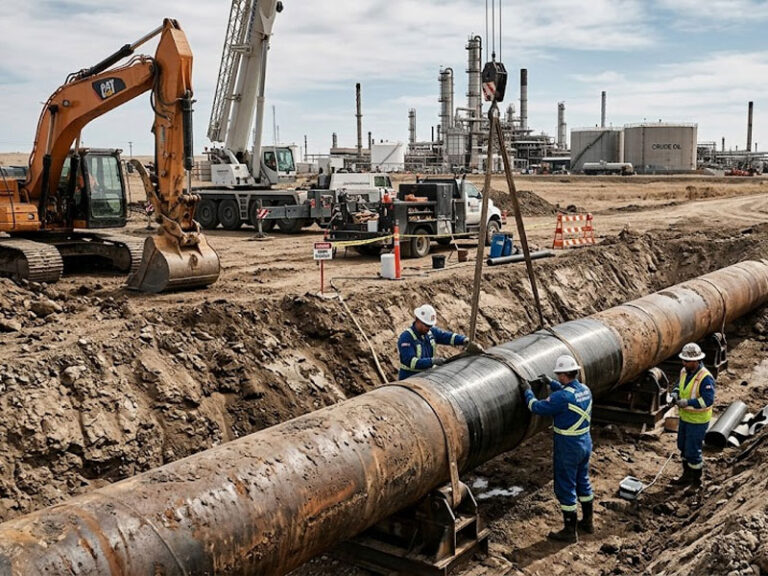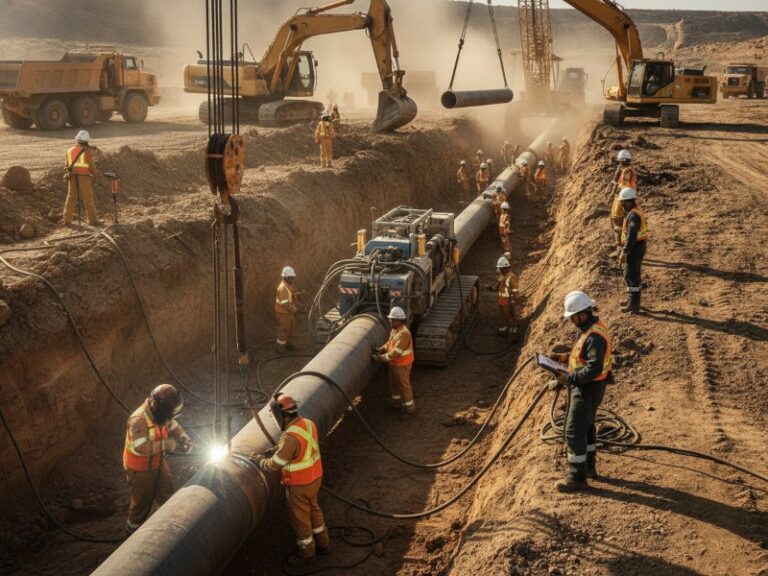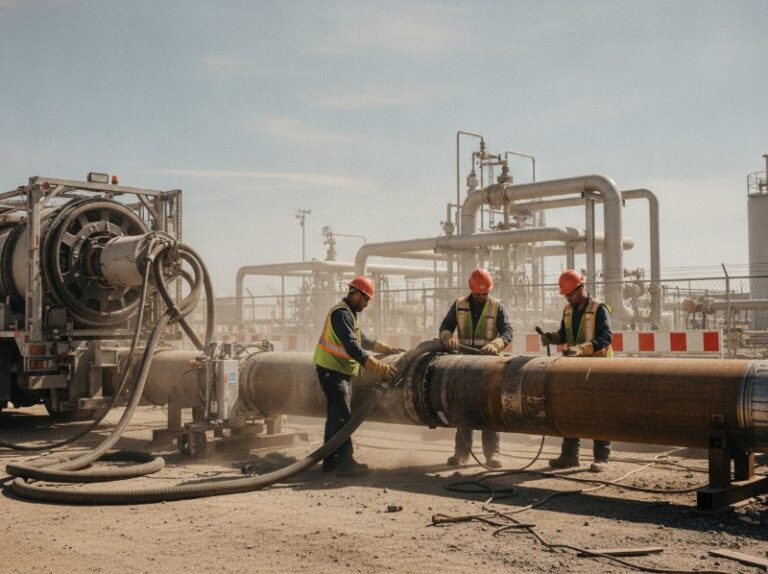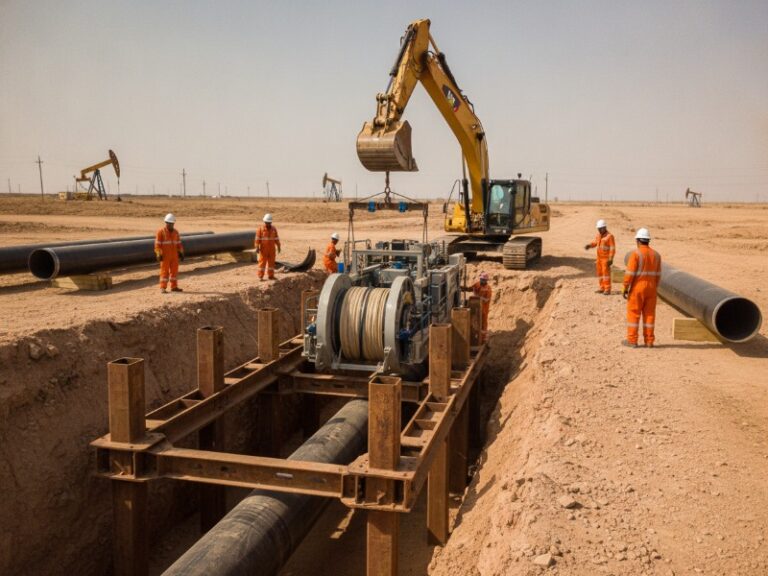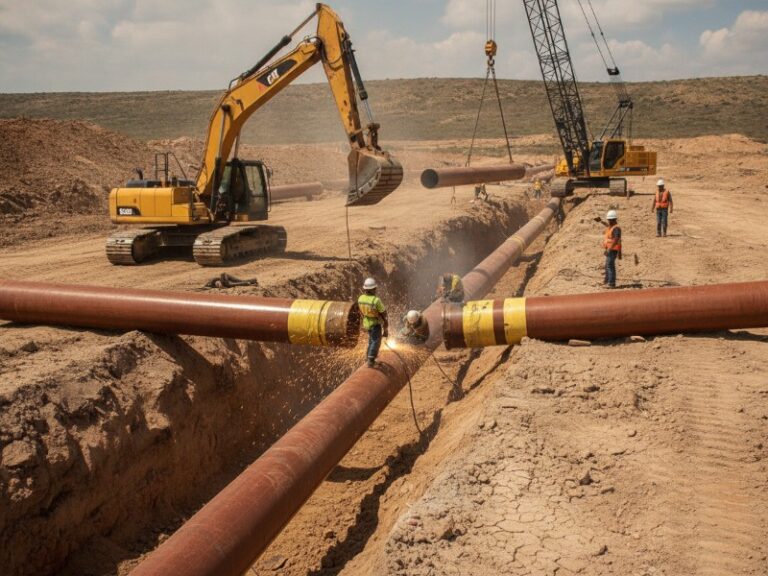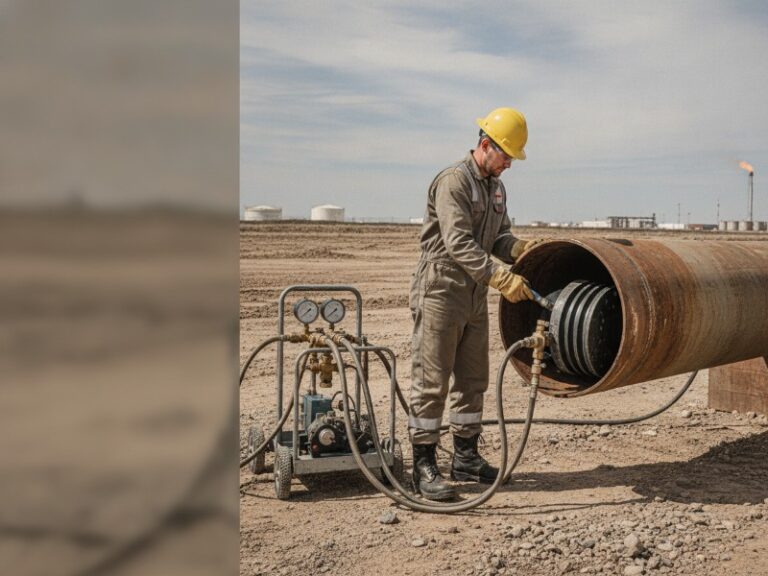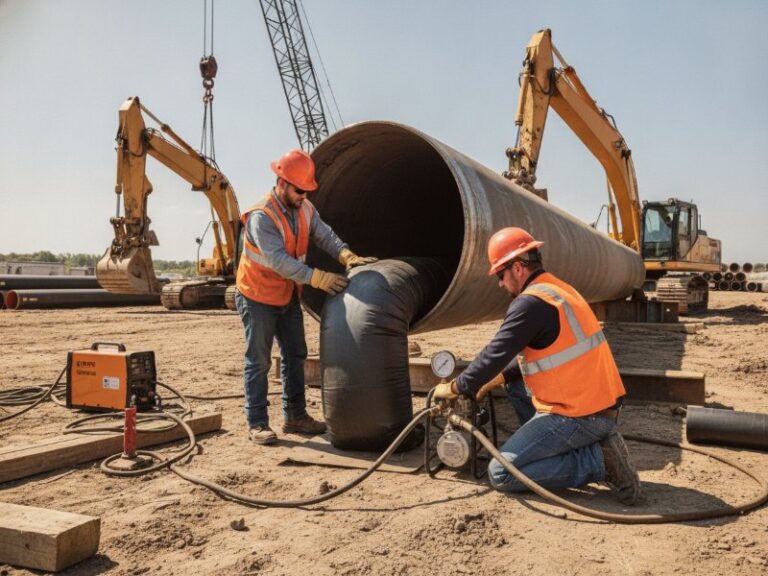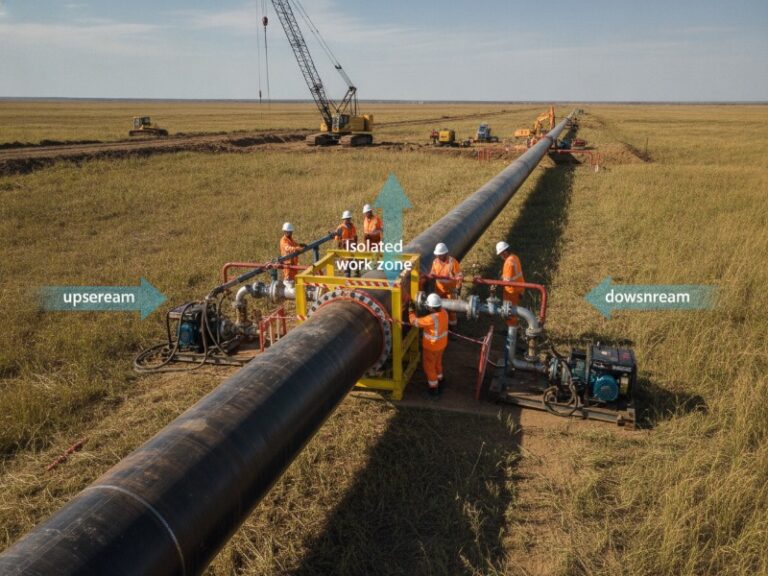
live tapping hot tapping operating gas pipeline

Why is hot tapping necessary while a pipeline is in operation?

Hot tapping is necessary while a pipeline is in operation because it is the only method that allows for modifications, repairs, or expansions to a pressurized pipeline system without requiring a costly and disruptive full shutdown. This critical procedure enables continuous service delivery, significant cost savings, and the mitigation of

Leer Más »
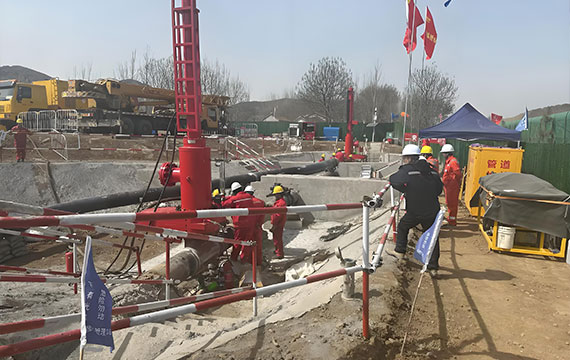
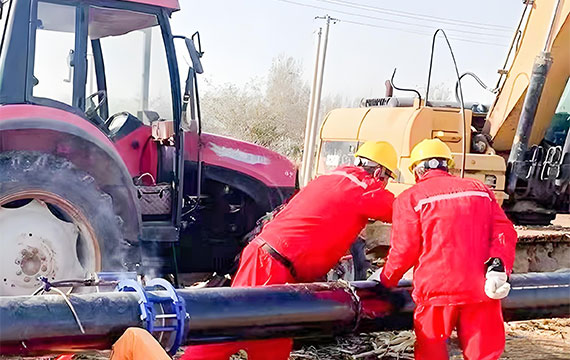
Trabajadores y maquinaria de color rojo trabajando en un gasoducto situado bajo un puente, en las obras de reubicación del gasoducto de Suqian

How does the basic working principle of hot tapping work?

Hot tapping is a specialized pipeline maintenance and modification procedure that allows a new branch connection to be safely added to an existing, pressurized pipeline without interrupting service or product flow. The basic working principle involves mechanically drilling or cutting into the live pipeline while it is under pressure, using

Leer Más »
Soldadura de accesorios de tubería para el equipo de toma en caliente en el gasoducto de gas natural de alta presión DN400 L415 (sitio de reubicación del gasoducto, 2023)

What is pipeline hot tapping (pressure tapping) technology?

What is pipeline hot tapping (pressure tapping)? This definitive guide explains the step-by-step procedure, key applications, safety standards, and benefits for oil, gas, water, and industrial pipeline modification without shutdown. Pipeline hot tapping, also known as pressure tapping, is a specialized live-line intervention technique that allows for the safe connection

Leer Más »
industrial red hydraulic-hot tapping machine in JSW manufactorer factory

Where can I rent hot tapping equipment?

You can rent hot tapping equipment primarily from specialized industrial equipment rental companies, pipeline service contractors, and directly from certain equipment manufacturers or distributors. This guide will detail each of these sources, explain the critical factors in selecting the right equipment for your oil, water, or industrial pipeline maintenance project,

Leer Más »
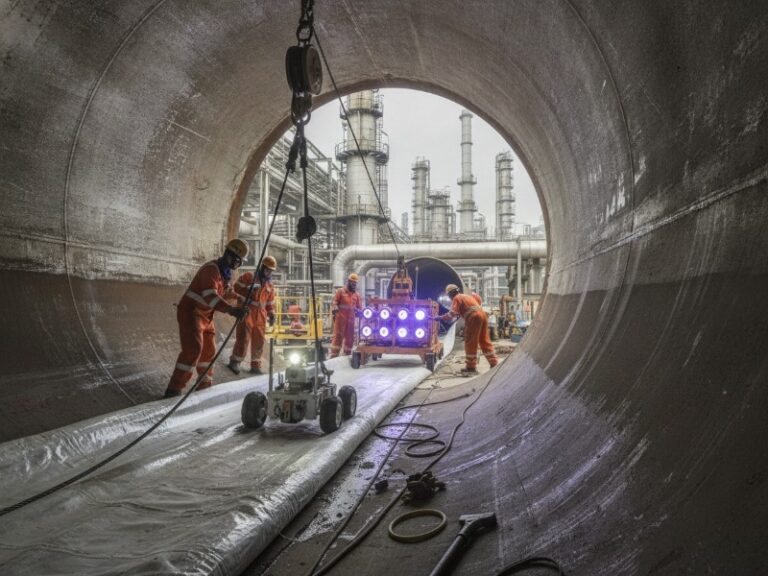
A large underground construction tunnel featuring prominent red industrial hot tapping on a black pipeline, with workers and construction lighting in the background.

What training and certification should operators of hot tapping equipment possess?

Operators of hot tapping equipment must possess comprehensive, formal training and hold specific certifications that demonstrate competency in safe procedures, equipment handling, and emergency response, typically aligned with OSHA standards, ASME PCC-2, and manufacturer-specific qualifications. This mandatory training ensures operators can safely perform pressure tapping and line stopping on live

Leer Más »
A collection of 3D renders showing a red industrial split tee fitting for pipeline hot tapping, including a detailed exploded view of the flanged assembly and internal components.

¿Cuáles son los plazos de entrega habituales para los pedidos de accesorios de derivación en caliente a medida?

The typical lead time for ordering custom hot tapping fittings ranges from 6 to 12 weeks, with significant variation depending on design complexity, material, manufacturer capacity, and project-specific requirements. While this baseline provides a starting point, understanding the factors that compress or extend this timeline is crucial for effective project planning.

Leer Más »
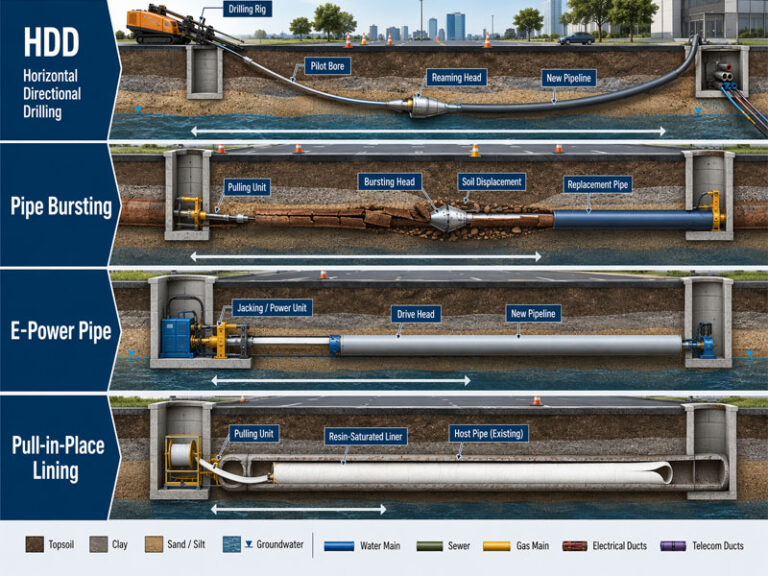
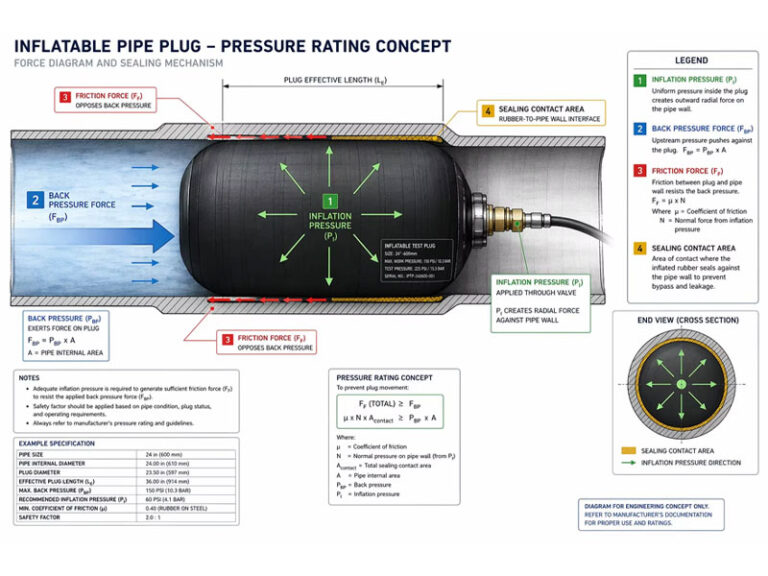
Engineering infographic comparing pulling-distance concepts for HDD, pipe bursting, E-Power Pipe, and pull-in-place lining in underground pipelines

Maximum Distance a Pipe Can Be Pulled Using Trenchless Methods: HDD Pull Length, Pipe Bursting & Lining Limits

The maximum distance a pipe can be pulled using trenchless methods ranges from approximately 50 meters to more than 3,000 meters, depending on the installation technology, pipe characteristics, ground conditions, and equipment limitations. For new pipeline construction, Horizontal Directional Drilling (HDD) typically achieves 200–800 meters per pull. For pipeline rehabilitation, specialized

Leer Más »
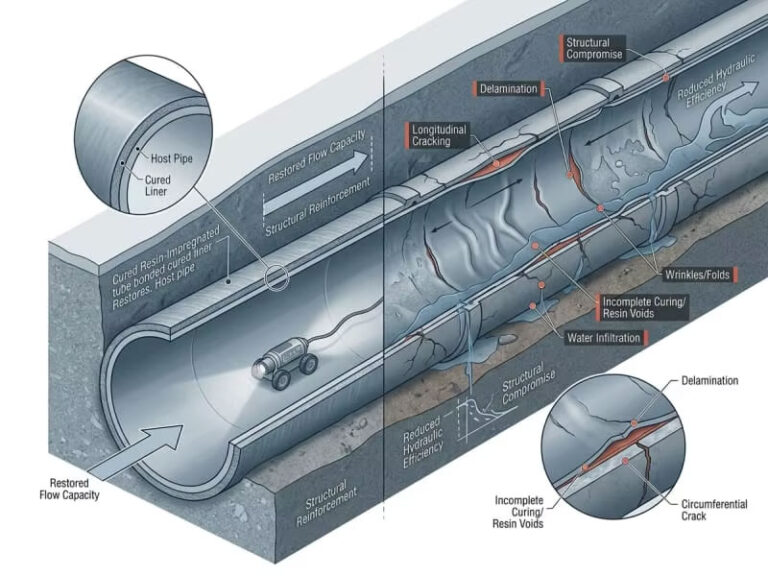
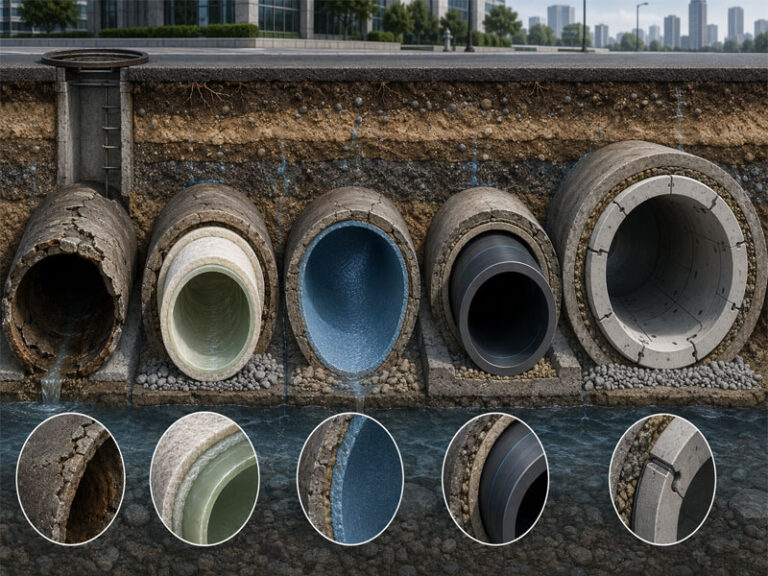
Engineering cutaway illustration comparing CIPP resin liners, spray-applied polyurea, HDPE sliplining, and UHPC structural lining segments in underground sewer pipes.

Los mejores materiales para la rehabilitación de tuberías sin zanja: comparación entre CIPP, poliurea y HDPE

Best Materials for Trenchless Pipe Rehabilitation The most widely used and effective materials for trenchless pipe rehabilitation are thermosetting resin systems—specifically epoxy, polyester, and vinyl ester—combined with reinforcement fabrics such as fiberglass or polyester felt. For most municipal sewer rehabilitation projects, polyester CIPP offers the best cost-to-performance balance, while epoxy CIPP is preferred for pipes

Leer Más »